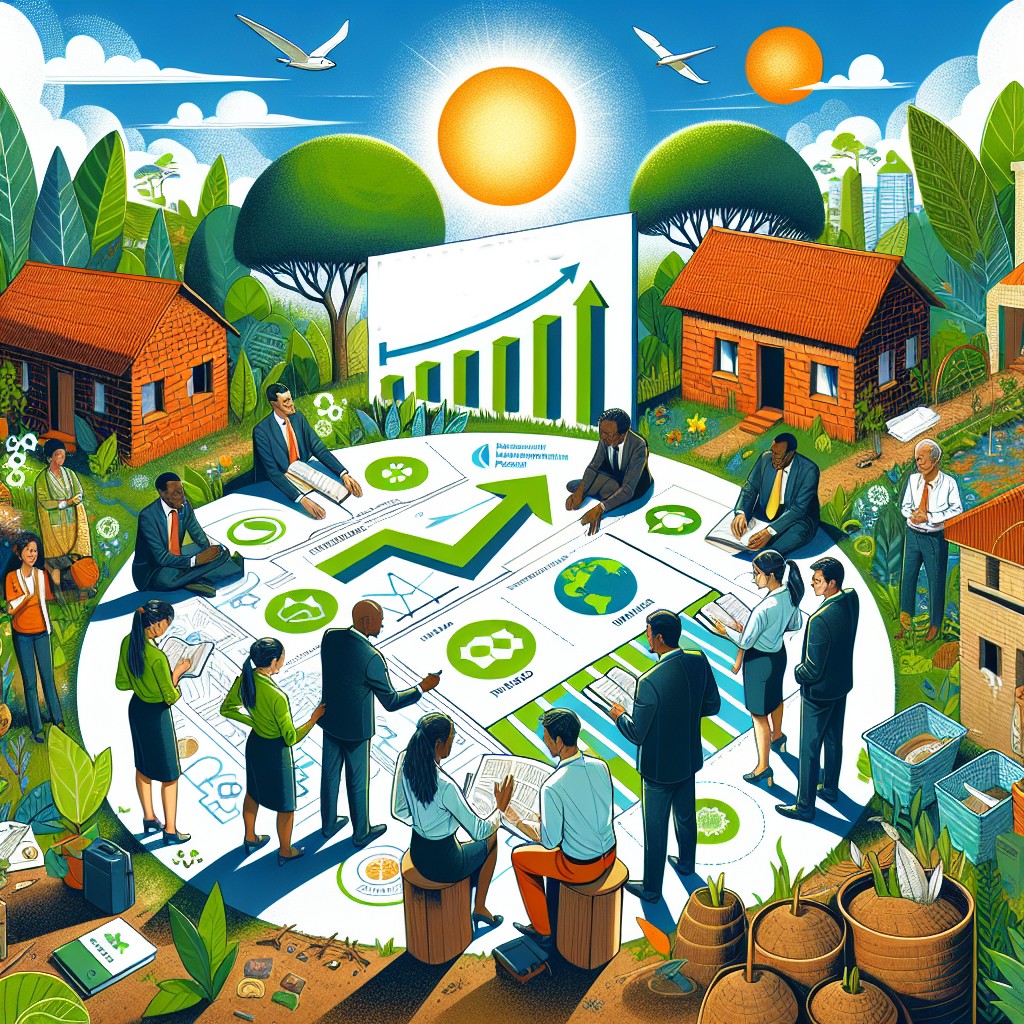
The nexus between sanitation and food security is intricate yet crucial for sustainable development. Ecological Sanitation (EcoSan) is an approach that underscores this relationship, emphasizing the recycling of nutrients from human excreta into the soil to enhance agricultural productivity. As food security becomes a growing concern globally, adopting effective EcoSan methods can play a pivotal role in a community’s ability to produce adequate and nutritious food. Poor sanitation not only affects health and wellbeing but also has far-reaching consequences on agriculture and food supply chains.
Traditional sanitation methods often involve the disposal of human waste in ways that contaminate water and soil, thereby disrupting ecosystems and ultimately damaging food security. EcoSan, on the other hand, offers a sustainable alternative by turning waste into a resource. By capturing urine and feces separately and treating them through biological processes, EcoSan systems convert waste into valuable compost and fertilizer. This not only helps in reducing pollution but also supports agricultural practices, thereby enhancing food production and improving the food security of communities.
This article delves into the methods for effective EcoSan, exploring how they work in harmony with natural processes and highlighting their benefits for food security. It covers five major sections: treatment processes, types of EcoSan systems, community involvement, economic benefits, and barriers to implementation. Each section provides insights into how EcoSan contributes to both sanitation and sustainable agriculture, offering a comprehensive understanding of its importance in today’s world.
Treatment Processes
EcoSan systems hinge on effective treatment processes that convert human waste into safe and useful products. The key treatment methods include dehydration, composting, and anaerobic digestion. These processes ensure the hygienic recycling of nutrients, making them beneficial for agricultural use.
Dehydration is often used in dry toilets where urine and feces are separated. Urine, rich in nitrogen, can be diluted and safely used as a fertilizer. Feces are dried and treated to kill pathogens, turning them into a safe soil conditioner. This method is particularly effective in arid regions where water for flushing is scarce.
Composting toilets employ aerobic decomposition, where microorganisms break down organic matter into humus over time. This process requires a balanced carbon-to-nitrogen ratio, adequate moisture, and ventilation to ensure efficient composting. The end product, compost, enriches the soil and enhances its fertility, supporting sustainable agriculture.
Anaerobic digestion involves the breakdown of organic matter by bacteria in oxygen-free environments. This method produces biogas, a renewable energy source, and digestate, a nutrient-rich slurry. The slurry can be directly applied to fields, improving soil quality and crop yield. These treatment processes are fundamental to the EcoSan approach, facilitating the safe reuse of human waste in agriculture and enhancing food security.

Types of EcoSan Systems
Various EcoSan systems cater to different environmental and social contexts. The commonly used systems include Urine-Diverting Dry Toilets (UDDTs), composting toilets, and biogas toilets. Each system has unique features and benefits that contribute to effective EcoSan.
Urine-Diverting Dry Toilets (UDDTs) separate urine and feces right at the source. This separation is crucial because urine, which constitutes the majority of human waste by volume, is typically free of pathogens and can be used directly after minimal treatment. UDDTs are particularly suitable for areas where water is scarce or where groundwater contamination is a concern.
Composting toilets facilitate the aerobic decomposition of feces and other organic material. These systems are ideal for rural and peri-urban areas where traditional wastewater treatment infrastructure is lacking. They are often more accepted in areas where agricultural practices can readily utilize the produced compost to enrich soil fertility.
Biogas toilets integrate anaerobic digestion technology to convert human waste into biogas and nutrient-rich bio-slurry. The biogas can be used as a cooking fuel, reducing reliance on firewood and fossil fuels, while the slurry serves as an excellent soil amendment. Biogas toilets offer a dual benefit of providing renewable energy and enhancing agricultural productivity.
Community Involvement
For EcoSan to be truly effective, community involvement is paramount. Engaging communities in the planning, implementation, and maintenance of EcoSan systems ensures their sustainability and acceptance. This involvement comes through education, participatory planning, and capacity building.
Educational programs can raise awareness about the benefits of EcoSan and how it contributes to improved sanitation and food security. These programs should target all community members, including men, women, and children, to build a broad base of support and understanding.
Participatory planning enables communities to have a say in the design and implementation of EcoSan systems. This approach ensures that systems are tailored to local needs and conditions, thereby enhancing their usability and acceptance. Involving local leaders and influencers can foster a sense of ownership and responsibility, driving community-wide adoption.
Capacity building activities, such as training on system maintenance and nutrient recycling practices, empower community members with the skills needed to manage EcoSan systems effectively. These activities can also create local employment opportunities, further incentivizing community participation.
Economic Benefits
EcoSan systems offer significant economic benefits that can support community development and enhance food security. The recycling of nutrients reduces the need for synthetic fertilizers, lowering agricultural input costs and promoting organic farming practices.
The production of biogas from anaerobic digestion systems can supplement household energy needs, reducing expenditures on cooking fuels. In many cases, excess biogas can be sold to generate additional income for communities, creating a new revenue stream.
EcoSan systems can also boost local economies by creating jobs in the construction, maintenance, and management of the systems. This includes positions in waste collection, composting, and biogas production. These jobs contribute to economic stability and provide livelihoods for community members.
By improving soil fertility and crop yields, EcoSan systems enhance food production, leading to greater food security and potential surpluses that can be sold in local markets. This not only improves community nutrition but also generates income, fostering economic resilience and sustainability.
Barriers to Implementation
Despite their numerous benefits, EcoSan systems face several barriers to implementation. These include cultural apprehensions, financial constraints, and lack of technical expertise. Addressing these challenges is crucial for the widespread adoption of EcoSan.
Cultural apprehensions often stem from traditional views on sanitation and human waste. Many communities might find the idea of reusing treated human waste in agriculture unappealing. Overcoming these apprehensions requires sustained educational outreach and demonstration projects that showcase the safety and benefits of EcoSan.
Financial constraints can also hinder the adoption of EcoSan systems. Initial capital costs for constructing EcoSan facilities and ongoing maintenance expenses may be prohibitive for many communities. To mitigate this, innovative financing mechanisms, such as microloans or community savings programs, can be introduced to support EcoSan projects.
Lack of technical expertise is another barrier. Many communities lack the knowledge and skills required to design, implement, and maintain EcoSan systems. Providing training and technical support can bridge this gap, ensuring that communities can manage their EcoSan systems effectively.
Conclusion
The interplay between sanitation and food security is evident in the promise of EcoSan systems. By transforming human waste into valuable resources, EcoSan enhances agricultural productivity and contributes to improved food security. Understanding the importance of various treatment processes, types of EcoSan systems, and the role of community involvement is key to the successful implementation of EcoSan.
While there are significant economic benefits associated with EcoSan, including reductions in fertilizer costs and the creation of renewable energy, addressing the barriers to implementation is crucial. Overcoming cultural apprehensions, financial constraints, and technical challenges will pave the way for wider adoption and maximize the potential benefits of EcoSan.
Ultimately, EcoSan represents a sustainable approach to sanitation that aligns closely with environmental conservation and agricultural enhancement. As we continue to seek solutions to global food security, integrating EcoSan into our sanitation practices offers a viable path forward. By fostering community involvement and providing the necessary support, EcoSan can become an integral part of our efforts to build resilient and sustainable food systems.