With growing concerns over water conservation and sustainable development, innovative solutions are essential. One such approach is integrating greywater treatment into landscape design, a key component of ecological sanitation or EcoSan technologies. This method not only reduces the consumption of fresh water but also replenishes plant life, creating lush, sustainable environments. However, much remains to be understood and optimized in this intersecting field. This article offers a comprehensive insight into the merging aspects of greywater treatment and landscape design, starting with the basics and moving towards advanced techniques.
Greywater Basics
Greywater, which typically includes wastewater from sinks, showers, and laundry, excluding that from toilets, differs significantly from blackwater. With lower contaminant levels, greywater presents an opportunity for reuse, particularly in irrigation and landscaping. This dual aspect of being both a waste and a valuable resource makes greywater treatment an intriguing subject within the broader discussion on water conservation and EcoSan technologies.
The concept of reusing greywater isn’t new, but its integration into landscape design has been gaining momentum, providing a plethora of benefits ranging from reduced freshwater demand to enhanced vegetation. As urban areas grapple with water scarcity and the need for sustainable living solutions, integrating greywater management practices within urban planning is becoming crucial.
Yet, this integration isn’t without its challenges. Questions of safety, efficiency, and aesthetic feasibility hover over the practicality of these systems. How exactly can greywater be repurposed? What methods ensure its safety and effectiveness? And most importantly, how does this align with creating beautiful, functional landscapes? These are some of the questions we will explore through this article. As we delve deeper, let’s start by examining the types of greywater systems and their functions.
Types of Greywater Systems
Greywater systems can broadly be classified into three types: simple diversion systems, surge tanks, and complete treatment systems. Each has its unique applications, advantages, and limitations. Understanding these distinctions is critical to selecting the appropriate system for specific landscape designs.
- Simple Diversion Systems: As the name suggests, these systems divert greywater directly from its source to the irrigation point. They are cost-effective and relatively easy to set up. However, they must ensure that greywater use is immediate and direct without prolonged storage, which can lead to contamination and foul odors.
- Surge Tanks: These systems temporarily hold greywater in a tank before pumping it out to the landscape. Surge tanks even out the flow, preventing overwhelming the irrigation area during high-use periods. These systems require more maintenance, including regular cleaning and monitoring for any sign of microbial growth.
- Complete Treatment Systems: These involve significant purification steps to make greywater suitable for various uses, not just irrigation. Treatment methods can include biological filters, sand filters, and even UV disinfection. Although these systems are the most expensive and complex, they ensure the highest safety standards and flexibility in reusing greywater.
Understanding these systems is the foundation for effectively integrating greywater treatment into landscape design. However, the actual integration process also involves blending technology with aesthetics and functionality. How do we achieve this? Let’s move forward to the design considerations.
Design Considerations for Greywater Integration
Integrating greywater treatment into landscape design goes beyond merely installing a system. It involves mindful planning and designing to ensure that the aesthetics, functionality, and environmental benefits are all realized. Several key considerations come into play in this process:
- Plant Selection: Choosing plants that thrive on greywater is crucial. Generally, plants with low water and nutrient requirements and high tolerance to various water qualities are ideal. Native plants are often an excellent choice as they are well-adapted to local conditions and typically require less water. Keeping an inventory of plants suitable for greywater benefits the ecosystem and ensures sustainability.
- Soil and Mulch: Healthy soil is vital for the successful integration of greywater systems. Soil with good drainage prevents waterlogging and promotes healthy plant growth. Mulching also plays a significant role. It helps maintain moisture levels, reduces evaporation, and improves soil health.
- Transport and Distribution: The transport and distribution of greywater must be carefully designed. This includes creating efficient piping systems to avoid leaks and blockages and ensuring a uniform distribution of water across the landscape. Consideration must be given to slope and gravity-fed distribution systems to minimize energy consumption.
- Safety Measures: Safety is a priority. Ensuring that greywater doesn’t contaminate potable water sources is critical. Adequate filtration and disinfection steps should be incorporated where necessary. Regular monitoring and maintenance routines should also be established to keep the system in good working condition.
Addressing these considerations effectively paves the way for successful greywater integration into landscape design. But discussing individual elements alone isn’t enough. Let’s explore specific, real-world applications.
Application in Residential Areas
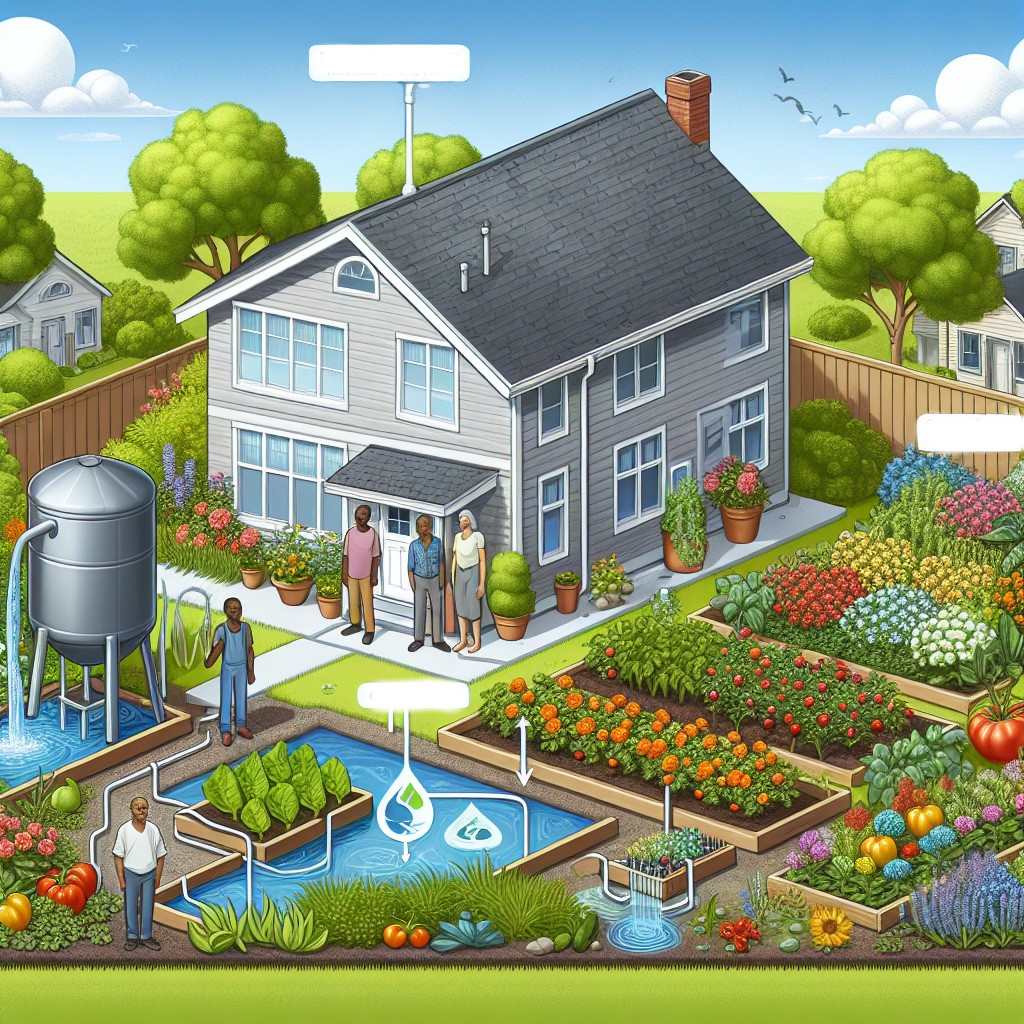
Residential landscapes present a significant opportunity for integrating greywater systems. From small home gardens to extensive lawns, every setting can benefit from this water-saving technique.
Home Gardens: Home gardens can serve as the perfect testing ground for greywater systems. Whether it’s a vegetable patch or a flower garden, reusing greywater can significantly reduce municipal water consumption. Plants and soil act as natural filters, gradually improving the quality of water as it percolates.
Lawn Irrigation: Lawns can be substantial water guzzlers, making them an ideal target for greywater irrigation. By diverting greywater from bathrooms and laundries directly to the lawn, homeowners can save thousands of gallons of freshwater annually.
Green Roofs and Walls: Innovative urban designs like green roofs and walls benefit vastly from greywater systems. These vertical gardens, fed by greywater, contribute to reducing urban heat island effects, improving air quality, and enhancing the aesthetic appeal of urban environments.
While the applications are promising, they demand well-planned systems and regular monitoring. With correct implementation, residential integration of greywater systems can contribute significantly to overall water conservation efforts.
Commercial and Institutional Applications
Commercial properties and institutions have large areas of landscaping which can greatly benefit from greywater integration. By adopting these systems, not only do they support sustainability, but they also set examples for communities and smaller entities to follow suit.
Office Buildings and Complexes: Office buildings with extensive landscapes can use greywater from restroom sinks and vending areas. Since these settings often have predictable usage patterns, managing the greywater becomes easier, ensuring efficient use.
Schools and Universities: Campuses, with their large student and staff populations, generate significant amounts of greywater. Integrating these systems into campus landscape designs can serve as practical examples of sustainable living for the younger generation, while reducing operating costs for the institution.
Parks and Recreational Facilities: Public parks and sports facilities consume a lot of water for keeping the turf and surrounding greenery in pristine condition. Using greywater for irrigation addresses the twin concerns of water conservation and public education.
However, commercial applications often require more advanced systems due to the scale of operation. Ensuring safety and compliance with local regulations is equally essential, making these systems more demanding in terms of upfront investment and maintenance. Nonetheless, the long-term benefits are substantial.
Advanced Greywater Treatment Technologies
Recent developments in greywater treatment technologies have made integration into landscape design more viable than ever. These advancements promise improved efficiency, higher safety standards, and broader application potential.
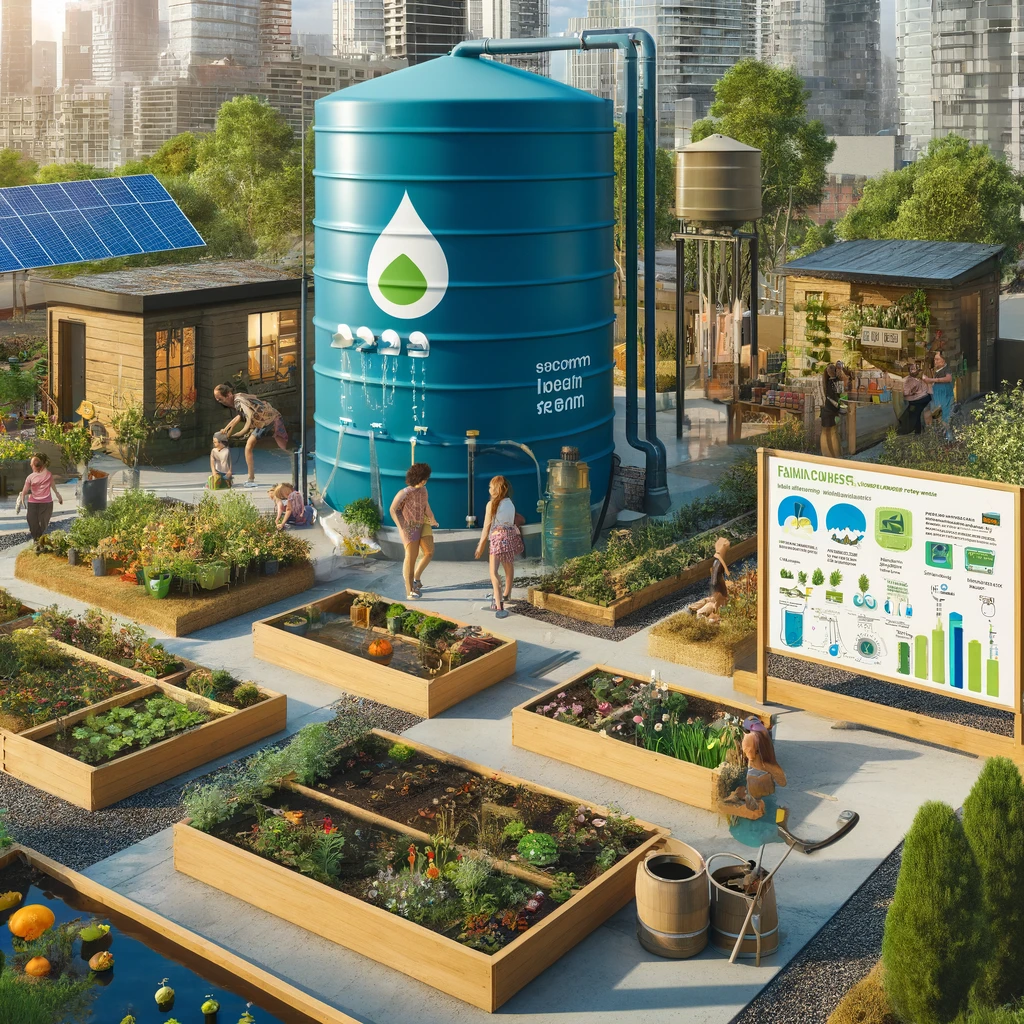
Constructed Wetlands: Constructed wetlands serve as both a treatment and aesthetic solution. These engineered systems replicate the functions of natural wetlands, using vegetation, soil, and microbial processes to treat greywater. The treated water can be safely used for irrigation, contributing both to a sustainable water cycle and habitat creation.
Biological Filters: Biological filters use layers of natural materials and microorganisms to break down contaminants in greywater. They are effective in small-scale residential systems and larger commercial applications. These filters not only clean the greywater but also enhance biological diversity in the landscape.
Membrane Filtration: Membrane filtration technologies, such as reverse osmosis or ultrafiltration, provide high levels of greywater purification. While these technologies are more expensive and energy-intensive, they guarantee nearly potable water quality, ensuring maximum flexibility in greywater reuse.
Decentralized Systems: Advances in decentralized greywater treatment systems allow for more localized, community-based solutions. These systems distribute the treatment load, reducing the complexity and costs associated with centralized treatment plants.
Despite the advancements, choosing the right technology involves careful consideration of the landscape design, the intended use of the treated greywater, and maintenance practicalities. Incorporating advanced technologies ensures maximum benefits from greywater reuse initiatives.
Conclusion: The Path Forward
Greywater treatment integrated into landscape design stands as a beacon of sustainable living for the future. The advantages span from considerable water conservation to enhancing urban greenery, not to mention the long-term economic benefits. Yet, achieving widespread adoption of this beneficial practice requires a holistic approach:
- Awareness and Education: Increasing awareness about the benefits and safety of greywater systems is essential. Public and institutional awareness campaigns, coupled with practical demonstrations, can demystify greywater reuse.
- Policy and Incentives: Favorable government policies and incentives are catalytic in promoting greywater integration. Subsidies for installation, tax incentives, and simplified approval procedures can significantly boost adoption rates.
- Research and Development: Continued investment in research and development is crucial. Enhancing system efficiency, reducing costs, and developing user-friendly solutions will make greywater systems more accessible to a broader audience.
- Community Involvement: Community-based projects can serve as pilots, showcasing the practicality and benefits of greywater systems. Engaging the community in planning and implementation fosters a sense of ownership and responsibility, ensuring the project’s success.
By taking a comprehensive approach, the seamless integration of greywater treatment into landscape design can become mainstream practice, leading to sustainable urban environments that thrive on resource efficiency.