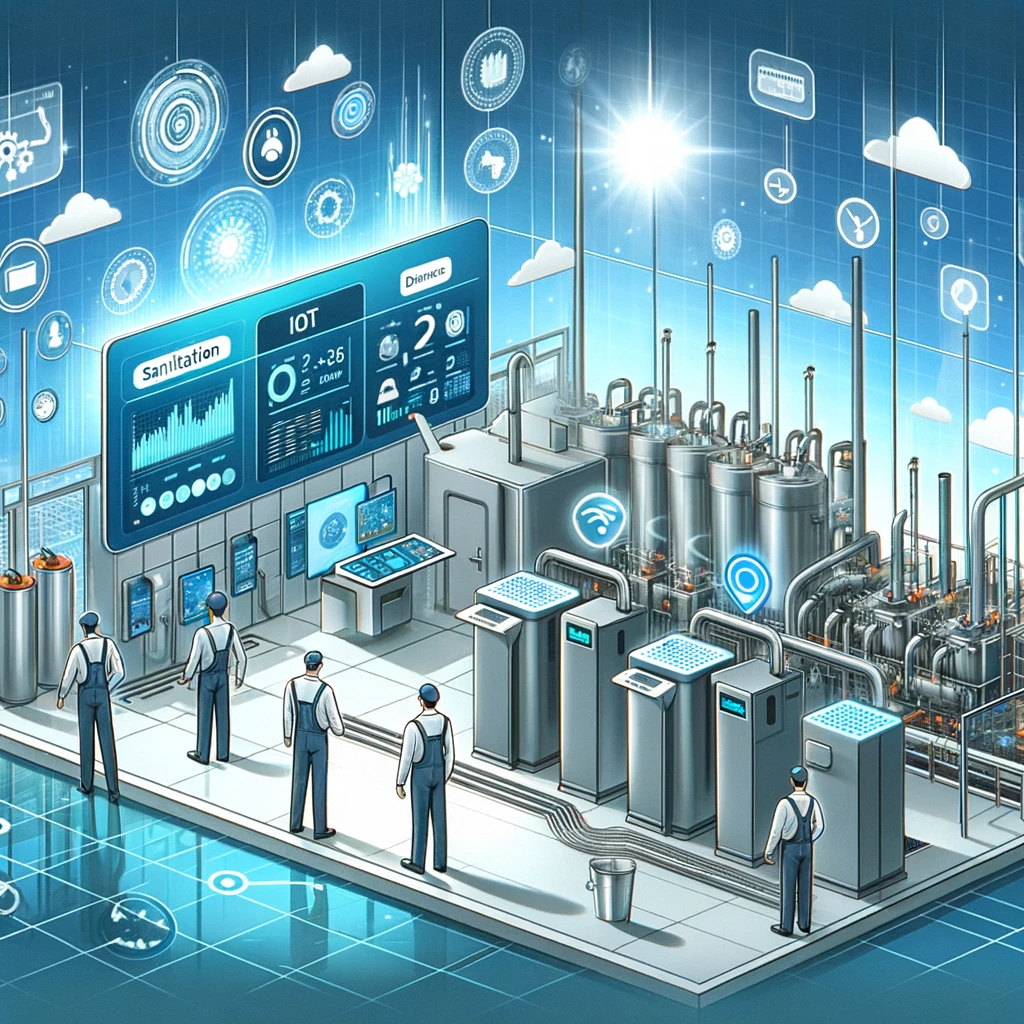
In the era of smart cities and sustainable living, ensuring efficient and effective wastewater management is pivotal. Decentralized wastewater treatment has emerged as a viable alternative to traditional centralized systems. These systems treat wastewater close to its source, reducing the burden on centralized infrastructure and providing numerous environmental and economic benefits. Among these advancements, the integration of smart monitoring systems in decentralized wastewater management is particularly noteworthy. These technologies utilize IoT (Internet of Things), sensors, and advanced analytics to revolutionize the way we handle wastewater.
Smart monitoring systems provide real-time data on the performance of wastewater treatment processes, allowing for immediate detection and rectification of issues. This results in improved efficiency, cost-effectiveness, and sustainability of decentralized wastewater systems. In this article, we will delve deeper into various aspects of smart monitoring systems for decentralized wastewater management, discussing their components, advantages, innovative technologies, implementation strategies, and future prospects, culminating in a comprehensive understanding of this transformative approach.
Components of Smart Monitoring Systems
Smart monitoring systems are comprised of various components that work together to ensure the effective management of decentralized wastewater treatment. The primary components include sensors, communication networks, data analytics software, and decision-support tools.
Sensors: These are the eyes and ears of the system, responsible for collecting data on water flow, quality, levels of contaminants, and operational status of treatment units. Common types of sensors used include pH sensors, turbidity sensors, dissolved oxygen sensors, and flow meters.
Communication Networks: The data collected by sensors need to be transmitted to a centralized or cloud-based server for analysis. This is facilitated through various communication networks such as Wi-Fi, cellular networks, or dedicated radio frequency systems. The choice of network depends on factors like range, data volume, and power requirements.
Data Analytics Software: Once the data is transmitted, advanced analytical tools process the information to derive actionable insights. Machine learning algorithms and predictive analytics play a crucial role in identifying patterns, detecting anomalies, and forecasting future trends in wastewater management.
Decision-Support Tools: These tools assist operators and managers in making informed decisions based on the analyzed data. They offer recommendations for optimal operational settings, maintenance schedules, and emergency response actions, ensuring the efficient functioning of decentralized wastewater treatment systems.
Advantages of Smart Monitoring Systems
Integrating smart monitoring systems in decentralized wastewater management offers several advantages that enhance the overall efficiency and sustainability of the process.
Real-Time Data Acquisition: Continuous monitoring and real-time data acquisition enable immediate detection of issues such as equipment malfunctions, blockages, or variations in water quality. Prompt identification allows for quick intervention, minimizing system downtime and preventing environmental contamination.
Operational Efficiency: Smart monitoring systems provide insights into the performance of treatment units, helping operators optimize operational parameters. This leads to more efficient use of resources, energy savings, and extended lifespan of equipment.
Cost Savings: By detecting and addressing issues early, smart monitoring systems reduce the need for expensive emergency repairs and mitigate potential fines for environmental violations. Furthermore, optimized operations can lead to significant cost savings in terms of energy and resource consumption.
Sustainability: Enhancing the efficiency of decentralized wastewater treatment through smart monitoring systems contributes to the sustainability of the ecosystem. Reduced energy consumption and lower greenhouse gas emissions align with global efforts towards mitigating climate change.
Compliance and Reporting: Regulatory compliance is simplified through automated reporting and documentation of wastewater treatment performance. These systems generate comprehensive reports that can be submitted to regulatory authorities, ensuring transparency and accountability.

Innovative Technologies in Smart Monitoring Systems
The field of smart monitoring for decentralized wastewater management is continually evolving, with innovative technologies enhancing system capabilities.
Internet of Things (IoT): IoT plays a pivotal role in connecting various components of smart monitoring systems. IoT-enabled devices and sensors transmit data to centralized servers in real-time, facilitating seamless integration and coordination of decentralized wastewater treatment units.
Machine Learning and Artificial Intelligence (AI): These technologies are leveraged for predictive analytics and anomaly detection. Machine learning algorithms analyze historical data to predict potential equipment failures or performance deviations, allowing for proactive maintenance and optimization of treatment processes.
Blockchain: Blockchain technology ensures data integrity and security by creating an immutable ledger of all wastewater management transactions. This enhances transparency and trust among stakeholders, particularly in scenarios where multiple entities are involved in the decentralized treatment process.
Remote Sensing and Drones: Remote sensing technologies, coupled with drones, provide aerial surveillance of wastewater treatment sites. They offer a comprehensive view of the infrastructure, identify potential issues, and monitor environmental impacts such as algal blooms or sewage overflows in nearby water bodies.
Implementation Strategies for Smart Monitoring Systems
The successful implementation of smart monitoring systems in decentralized wastewater management requires a systematic approach that considers technological, operational, and regulatory aspects.
Needs Assessment: Conducting a thorough needs assessment is the first step. This involves evaluating the existing wastewater treatment infrastructure, identifying specific challenges, and determining the objectives of implementing smart monitoring systems.
Technology Selection: Selecting the right combination of sensors, communication networks, and data analytics tools is crucial. Factors such as compatibility, scalability, and cost-effectiveness should be considered during the selection process.
Integration and Installation: Integrating smart monitoring components with existing treatment units necessitates careful planning and coordination. Installation should be carried out by skilled technicians to ensure proper functionality and minimize disruptions to ongoing operations.
Training and Capacity Building: Operators and managers should receive training on using smart monitoring systems effectively. This includes understanding how to interpret data, respond to alerts, and make informed decisions based on insights provided by the system.
Monitoring and Evaluation: Post-implementation, continuous monitoring and evaluation are essential to assess the system’s performance and identify areas for improvement. Periodic audits and feedback mechanisms contribute to the ongoing optimization of smart monitoring systems.
Challenges and Future Prospects
While the adoption of smart monitoring systems in decentralized wastewater management holds great promise, there are challenges that need to be addressed to ensure their successful deployment.
Initial Investment and Maintenance Costs: The installation of sensors, communication networks, and data analytics platforms involves significant upfront costs. Additionally, regular maintenance and calibration of sensors are necessary to ensure accurate data collection.
Data Security and Privacy: The transmission and storage of sensitive data raise concerns about cybersecurity and privacy. Robust encryption protocols and access controls are essential to safeguard data from unauthorized access and potential breaches.
Interoperability: Ensuring interoperability between different components of smart monitoring systems, especially in heterogeneous treatment environments, can be challenging. Standardization of protocols and interfaces is crucial to facilitate seamless integration.
Regulatory Compliance: Adhering to evolving regulatory requirements can be complex. Ensuring compliance with environmental standards, data protection laws, and reporting guidelines necessitates ongoing vigilance and adaptation.
Despite these challenges, the future prospects of smart monitoring systems for decentralized wastewater management are promising. Advancements in IoT, AI, and data analytics will continue to enhance the capabilities of these systems. Increased collaboration among governments, industries, and research institutions will drive innovation and foster the development of more efficient and sustainable wastewater management solutions.
Conclusion
Smart monitoring systems are transforming decentralized wastewater management by enabling real-time data acquisition, enhancing operational efficiency, and ensuring sustainability. Through the integration of advanced technologies such as IoT, AI, and blockchain, these systems offer numerous advantages including cost savings, regulatory compliance, and improved environmental outcomes.
The successful implementation of smart monitoring systems requires a comprehensive approach that encompasses needs assessment, technology selection, integration, training, and evaluation. While challenges such as initial investment costs, data security, and interoperability need to be addressed, the future prospects of these systems are bright.
As we move towards a more sustainable and resource-efficient world, the role of smart monitoring systems in decentralized wastewater management will become increasingly crucial. By leveraging these technologies, we can achieve a cleaner and healthier environment, reducing the burden on centralized infrastructure and contributing to the overall well-being of communities.
In conclusion, smart monitoring systems represent a significant advancement in ecological sanitation, offering a path towards more efficient, cost-effective, and sustainable wastewater management. Embracing these technologies will be vital in addressing the challenges of urbanization, population growth, and environmental conservation in the coming years.