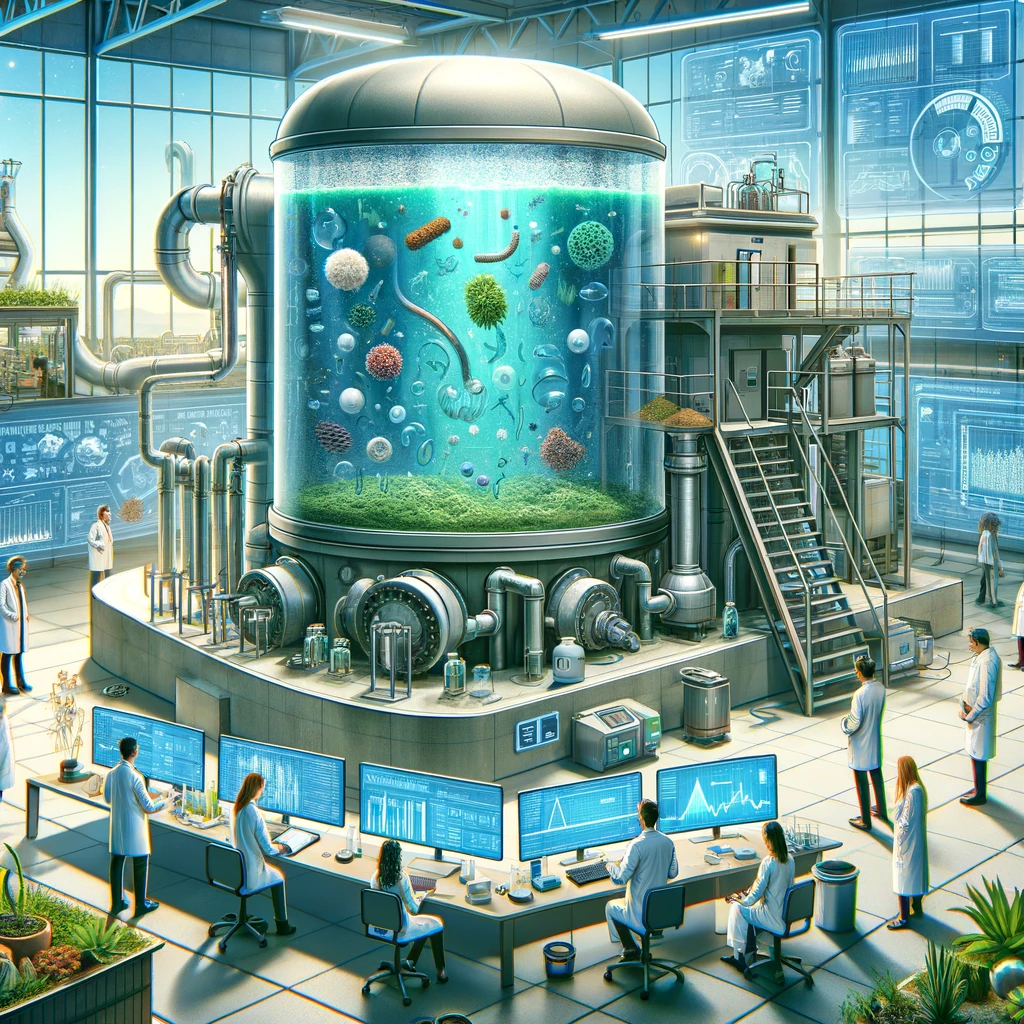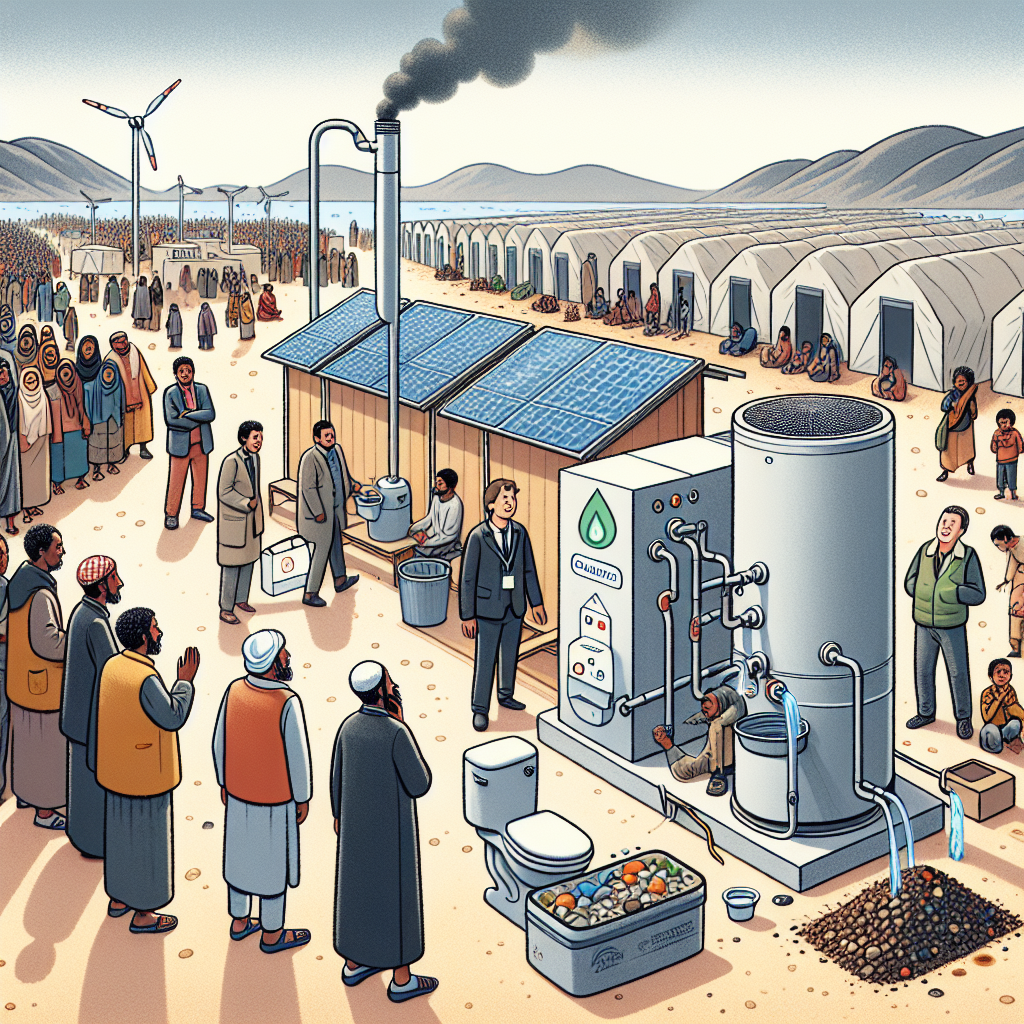
Refugee camps around the world face a myriad of challenges, from resource scarcity to health crises. Among these, adequate sanitation is a top concern. Traditional sanitation methods often fail to address the unique needs and constraints of refugee camps, which can lead to severe health and environmental consequences. This is where Ecological Sanitation (EcoSan) steps in. Unlike conventional sanitation systems that treat human waste as a problem, EcoSan technologies treat waste as a resource. By turning waste into a valuable input like compost or biogas, EcoSan can provide sustainable sanitation solutions even in the most challenging environments.
EcoSan isn’t just a technological solution—it’s a holistic approach that integrates sanitation, agriculture, and environmental protection. Refugee camps, with their densely packed populations and transient nature, require sanitation systems that are not only efficient but also adaptable and sustainable. By implementing EcoSan technologies, we can address immediate health concerns while also contributing to long-term ecological and economic stability.
This article delves into the advanced insights of EcoSan technologies, focusing on their innovative applications within refugee camps. We’ll explore the key principles of EcoSan, real-world examples of successful implementations, and the potential benefits and challenges of these systems. Through this comprehensive analysis, we aim to shed light on how EcoSan can revolutionize sanitation in refugee camps, ultimately improving the quality of life for some of the world’s most vulnerable populations.
Principles of Ecological Sanitation
At its core, Ecological Sanitation is grounded in the principles of sustainability, resource recovery, and environmental protection. These principles can be broken down into three basic tenets:
- Containment: Prevent human excreta from coming into contact with water bodies to avoid contamination and the spread of diseases. This involves designing toilets and other sanitation facilities to safely capture waste.
- Pathogen Reduction: Treating human waste to eliminate pathogens, making it safe for reuse. Techniques can include composting, anaerobic digestion, and other biological processes that effectively neutralize harmful microorganisms.
- Resource Recovery: Transforming treated waste into valuable resources such as fertilizers for agriculture or biogas for cooking and heating. By closing the loop, EcoSan systems contribute to food security and energy sustainability.
These principles are particularly important in refugee camps, where resources are limited and the risk of disease is high. Designing EcoSan solutions that adhere to these principles ensures that sanitation systems are both safe and beneficial to the community. Moreover, integrating education and community participation into the implementation process can enhance the acceptance and effectiveness of EcoSan technologies.
Case Study: EcoSan Implementation in Za’atari Refugee Camp
The Za’atari refugee camp in Jordan is one of the largest in the Middle East, hosting tens of thousands of Syrian refugees. In this challenging environment, traditional sanitation methods proved inadequate. However, the introduction of EcoSan technologies has significantly improved sanitation conditions.
One of the key initiatives was the installation of urine-diverting dry toilets (UDDTs). These toilets separate urine and feces at the source, allowing for more efficient and safe treatment. The collected urine is used as a liquid fertilizer, while feces are composted to produce nutrient-rich soil. This approach not only reduces the risk of water contamination but also provides valuable resources for agriculture.
Additionally, biogas digesters were introduced to convert organic waste, including feces, into biogas for cooking. This has reduced the dependency on firewood and other non-renewable energy sources, while also addressing waste management issues. The success of these projects in the Za’atari camp demonstrates the potential of EcoSan technologies to improve living conditions and promote sustainability in refugee camps.
Challenges and Solutions in Implementing EcoSan in Refugee Camps
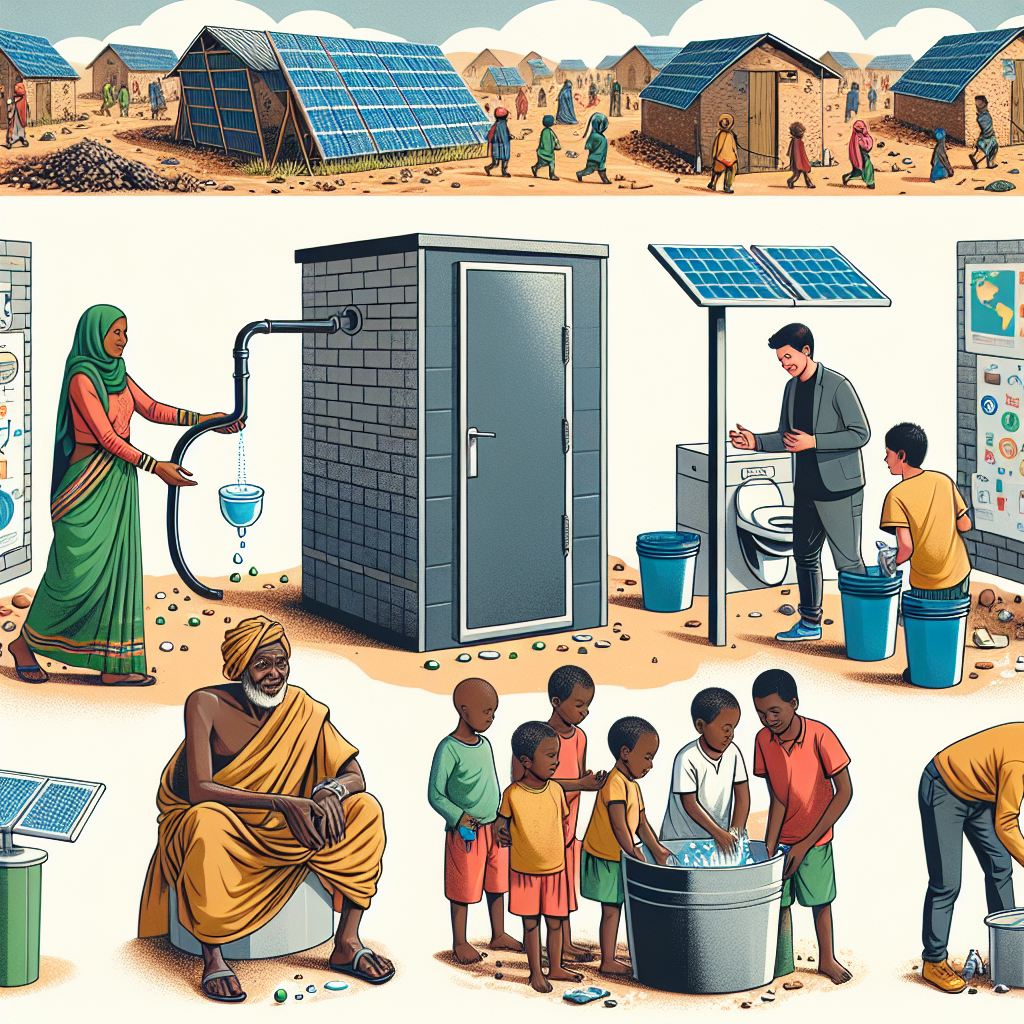
Despite the numerous benefits, implementing EcoSan technologies in refugee camps is not without challenges. Key issues include:
- Cultural Acceptance: Different communities have varying attitudes towards human waste and its reuse. Educating residents and involving them in the planning process can help overcome resistance and promote acceptance.
- Technical and Financial Constraints: The initial setup of EcoSan systems can be expensive and technically complex. Securing funding and technical assistance is crucial for the successful implementation and maintenance of these systems.
- Maintenance and Operation: EcoSan systems require regular maintenance and proper operation to function effectively. Training local residents and creating maintenance teams can ensure the long-term success of these initiatives.
Addressing these challenges requires a multi-faceted approach that combines technical innovation, community engagement, and sustainable funding models. By learning from successful case studies and continually refining the implementation process, it’s possible to overcome these hurdles and maximize the benefits of EcoSan technologies in refugee camps.
Technological Innovations in EcoSan
The field of Ecological Sanitation is continuously evolving, with new technologies and approaches being developed to enhance efficiency and sustainability. Some of the latest innovations include:
- Advanced Composting Toilets: New designs are improving the composting process, making it faster and more efficient. Innovations include better ventilation systems and the use of natural additives to accelerate decomposition.
- Mobile EcoSan Units: Portable EcoSan units are being developed to provide sanitation solutions in emergencies and temporary settlements. These units are easy to deploy and can be quickly set up to provide immediate relief.
- Decentralized Wastewater Treatment: Small-scale, decentralized treatment systems are being designed to treat wastewater on-site, reducing the need for large-scale infrastructure. These systems use natural processes to purify water, making it safe for reuse in agriculture and other applications.
- Integration with Renewable Energy: Combining EcoSan technologies with renewable energy sources like solar and wind power can enhance their sustainability. For example, solar panels can be used to power biogas digesters, making the system entirely self-sufficient.
These technological advancements are making EcoSan solutions more accessible, efficient, and adaptable to the unique challenges of refugee camps. As research and development continue, we can expect even more innovative approaches to emerge, further improving sanitation in these critical settings.
The Role of Community Participation
Community involvement is a cornerstone of successful EcoSan implementation. Engaging residents in the planning, execution, and maintenance of EcoSan projects ensures that the solutions are culturally acceptable, properly maintained, and effectively utilized. Key strategies for promoting community participation include:
- Education and Awareness: Conducting workshops and informational sessions to educate residents about the benefits and operation of EcoSan systems. This can help dispel myths and build trust within the community.
- Community-led Initiatives: Empowering local leaders and organizations to spearhead EcoSan projects, ensuring that they are tailored to the specific needs and preferences of the community.
- Involvement in Design and Implementation: Involving residents in the design and implementation process can help ensure that the solutions are practical and user-friendly. This can include participatory design workshops and feedback sessions.
- Training and Capacity Building: Providing training to local residents on how to operate and maintain the EcoSan systems. This not only ensures the longevity of the systems but also creates local employment opportunities.
By fostering a sense of ownership and responsibility among the residents, community participation can significantly enhance the effectiveness and sustainability of EcoSan initiatives in refugee camps.
Future Prospects and Conclusion
As the global refugee crisis continues to evolve, the need for sustainable and innovative sanitation solutions becomes increasingly urgent. EcoSan technologies offer a promising approach to addressing this challenge, providing a win-win solution that enhances sanitation while promoting environmental sustainability and resource recovery.
The integration of advanced EcoSan technologies in refugee camps can lead to significant improvements in public health, environmental protection, and economic stability. By treating human waste as a valuable resource rather than a problem, we can create a more sustainable and resilient future for refugee populations.
Looking ahead, the continued development and refinement of EcoSan technologies, combined with collaborative efforts from governments, NGOs, and the private sector, will be essential in scaling these solutions to meet the growing demand. By prioritizing community participation, securing sustainable funding, and leveraging technological innovations, we can overcome the challenges and unlock the full potential of EcoSan in refugee camps.
Ultimately, the success of EcoSan initiatives will depend on our collective commitment to sustainable development and social justice. By investing in these innovative approaches to sanitation, we can improve the quality of life for millions of refugees around the world, while also protecting our planet for future generations.