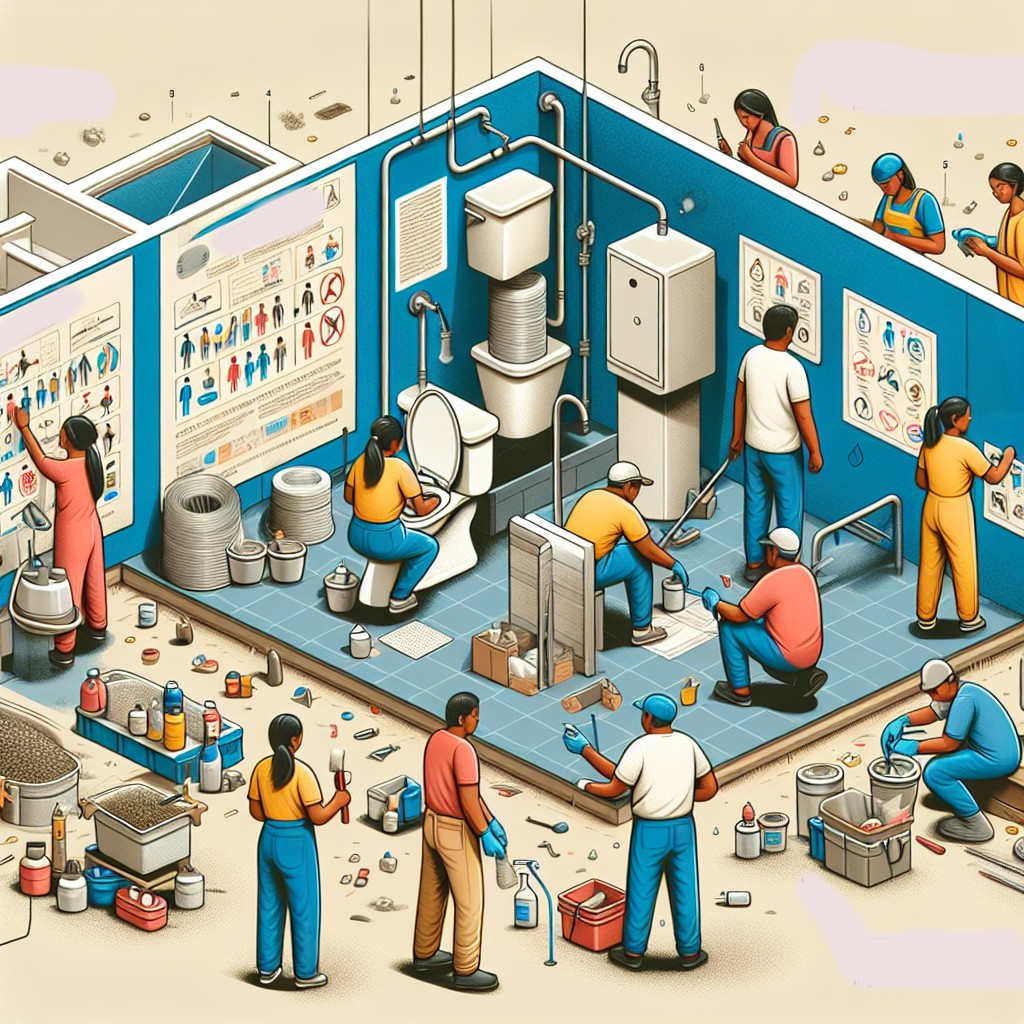
As the global population continues to grow, finding effective and sustainable sanitation solutions becomes increasingly essential. Traditional water-based toilet systems are not only resource-intensive but also pose numerous environmental challenges. Enter ecological sanitation, commonly referred to as EcoSan. This sustainable approach focuses on dry toilet systems that are designed to protect human health, reduce environmental impact, and recycle nutrients back into the ecosystem.
EcoSan technologies represent an innovative class of sanitation systems that aim to address the hygiene challenges associated with dry toilets. These systems are often seen as a practical alternative to conventional flush toilets, especially in water-scarce regions. However, the transition to such systems is not without its challenges. Overcoming hygiene concerns and gaining widespread acceptance are crucial for the successful implementation of EcoSan technology.
In this article, we will examine some of the common hygiene challenges associated with dry toilets and explore advanced EcoSan technologies designed to address these issues. From understanding the basic principles of ecological sanitation to looking at cutting-edge solutions and best practices, we aim to provide a comprehensive overview of how to overcome hygiene challenges in dry toilet systems.
Understanding EcoSan Principles
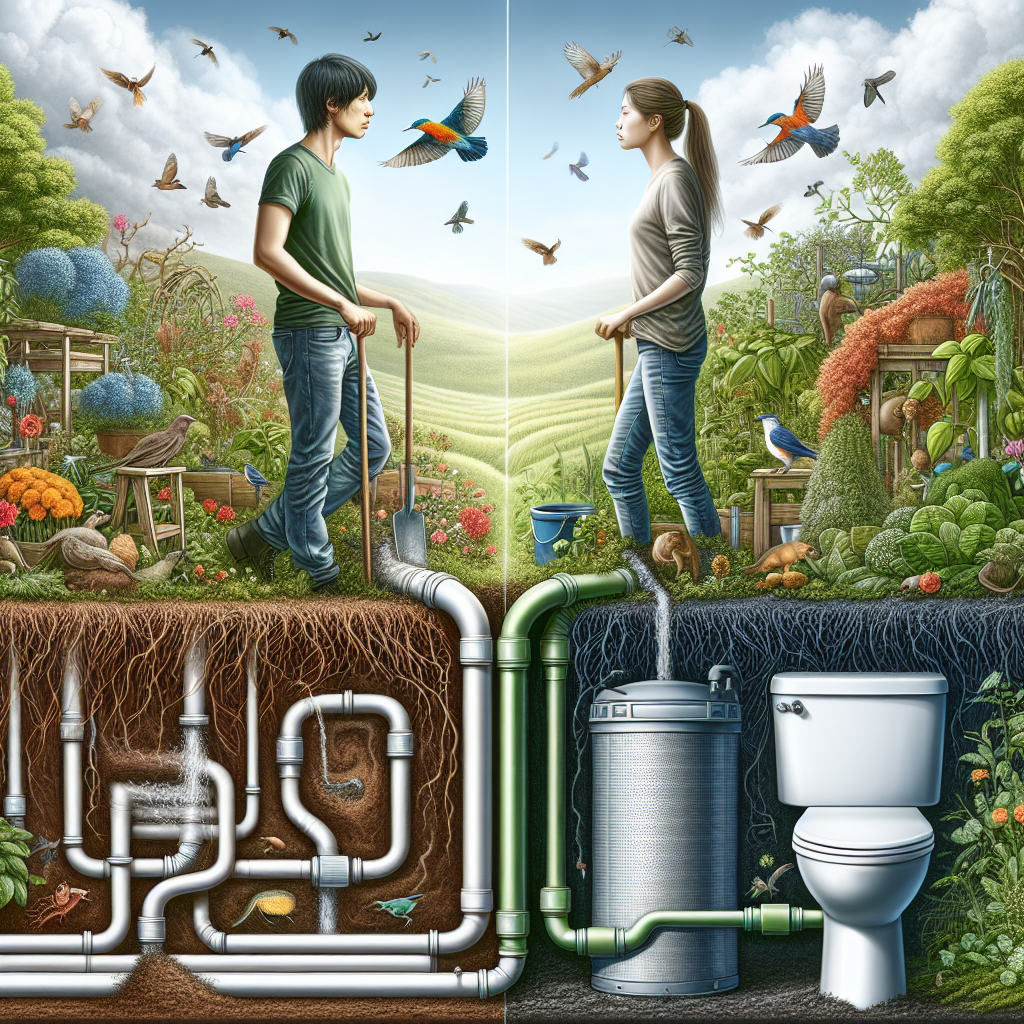
To fully grasp the solutions that advanced EcoSan technologies present, one must first understand the principles of ecological sanitation. Essentially, EcoSan is based on three core principles: containment, sanitization, and recycle. These elements work together to ensure that human waste is safely managed and converted into a resource rather than a disposal issue.
Firstly, containment refers to the secure and sanitary storage of human waste. Without proper containment, pathogens can spread, leading to health risks. Ensuring that waste is stored in an isolated manner prevents contamination of both the surrounding environment and water sources.
Secondly, sanitization involves treating the stored waste to eliminate harmful pathogens. This can be achieved through various methods such as dehydration, composting, or the addition of alkaline substances. Effective sanitization ensures that the end product is safe for handling and can minimize health risks.
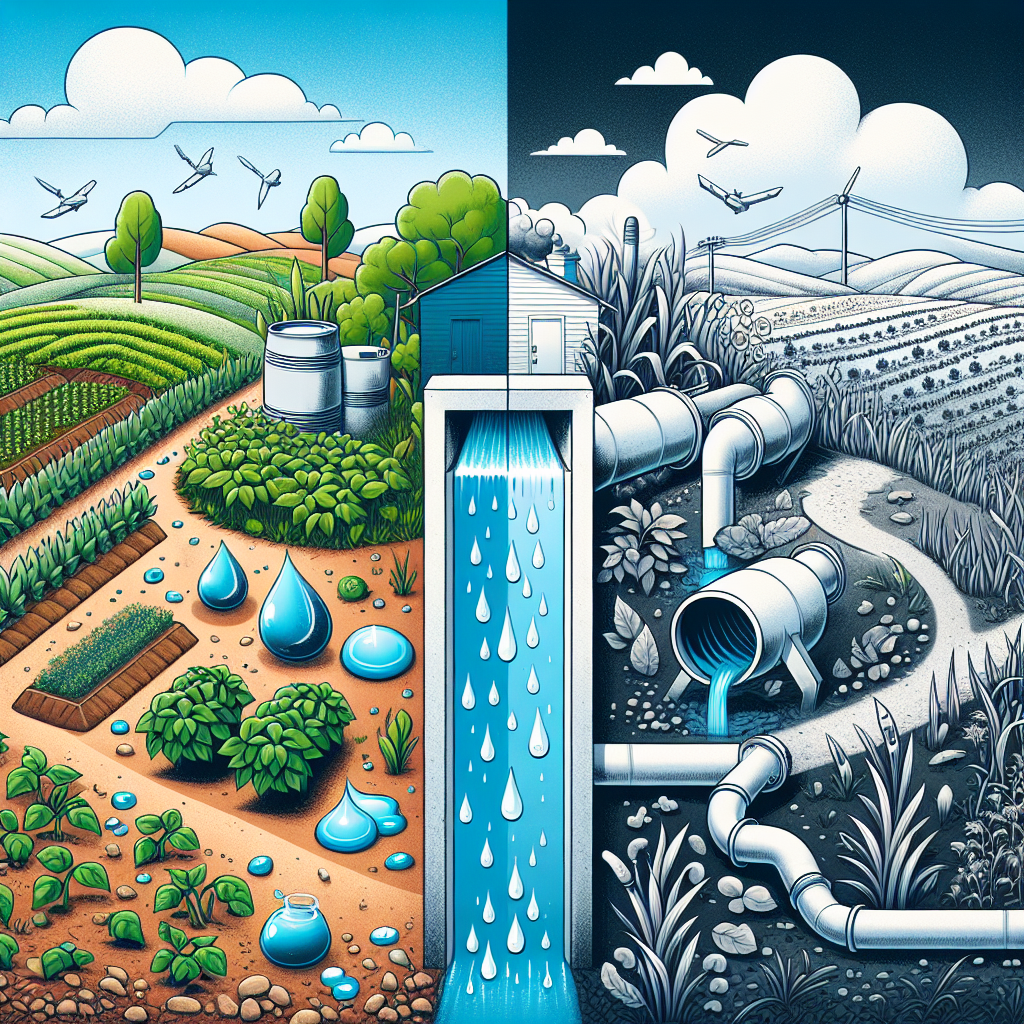
Lastly, recycle is about transforming waste into a valuable resource. Treated waste can be repurposed as compost or fertilizer, contributing to soil fertility and closing the nutrient loop. This not only reduces the demand for synthetic fertilizers, but also supports sustainable agriculture.
Hygiene Challenges in Dry Toilet Systems
Despite the clear benefits of EcoSan technologies, dry toilet systems face several hygiene challenges which must be addressed to ensure their viability. One of the primary concerns is odor control. Unlike conventional toilets, which utilize water to flush away waste, dry toilets rely on other mechanisms to manage waste, often resulting in unpleasant odors if not properly managed.
Another significant challenge is the risk of pathogen transmission. Without proper sanitization and handling protocols, harmful organisms present in human waste can pose a serious health risk. This is particularly problematic in densely populated or low-income areas where sanitation infrastructure may be lacking.
User comfort and acceptance also play a critical role in the success of dry toilet systems. Individuals accustomed to flush toilets may find the transition difficult or unsanitary, leading to resistance and improper use. Education and community engagement are therefore essential components in overcoming these barriers.
Additionally, maintenance and regular cleaning are necessary to keep dry toilet systems hygienic and operational. This can be a labor-intensive process, requiring dedicated resources and regular oversight. Ensuring that these systems are low-maintenance and easy to clean is crucial for their long-term success.
Advanced EcoSan Technologies
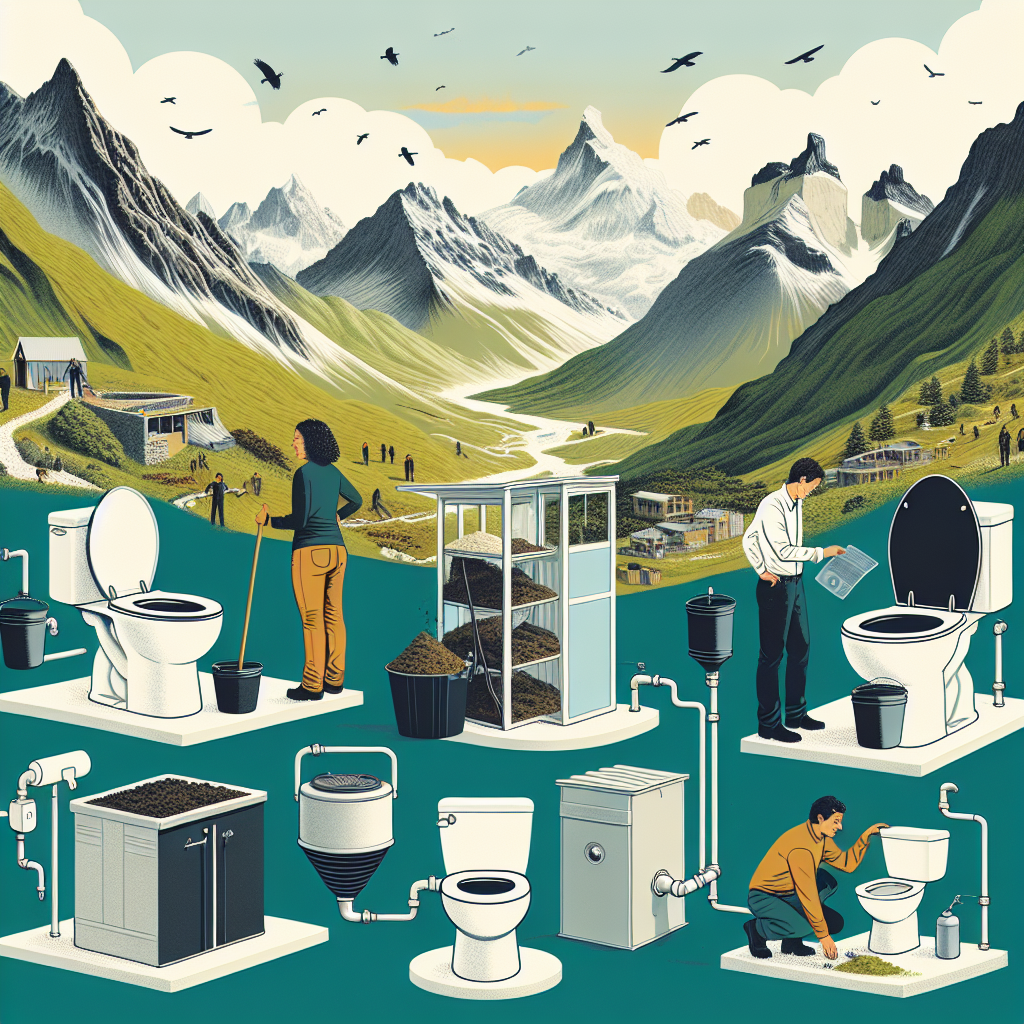
Fortunately, advancements in EcoSan technologies have led to innovative solutions designed to address the aforementioned hygiene challenges. One such advancement is the development of urine-diverting dry toilets (UDDTs). These systems separate urine and feces at the source, significantly reducing odor and making the waste easier to treat.
Composting toilets represent another key innovation. These systems utilize aerobic processes to break down human waste into compost, which can be safely used as fertilizer. Composting toilets are designed to facilitate the decomposition process, often featuring ventilation systems to manage odors and ensure proper airflow.
Other advanced technologies include the use of dry sanitation additives. These products, which often consist of dry, high-carbon materials such as sawdust or biochar, are added to the waste to aid in decomposition, absorb moisture, and neutralize odors. Some additives may also contain beneficial microorganisms to further accelerate the breakdown process.
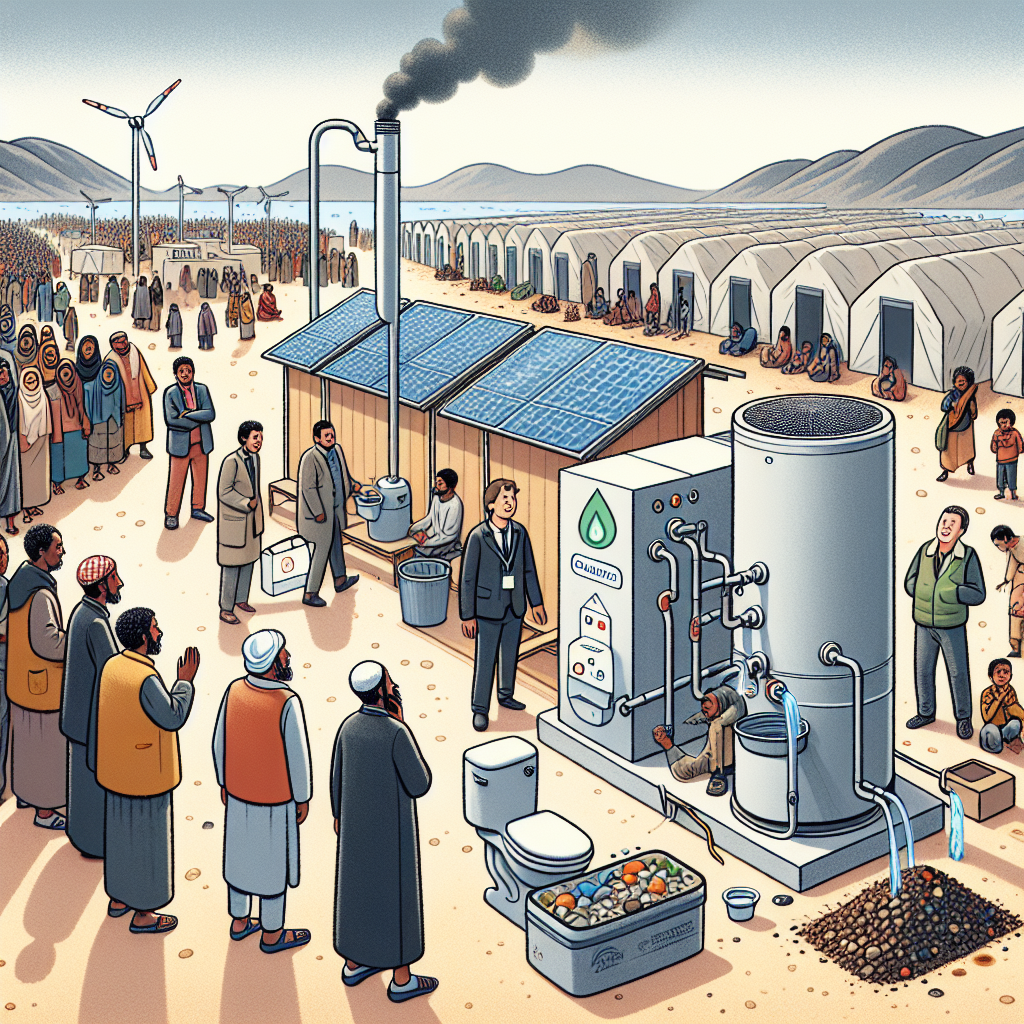
There are also emerging solutions that leverage the power of digital technology and smart sensors. These systems can monitor key parameters such as moisture levels and temperature, providing data that can be used to optimize the operation and maintenance of dry toilets. Integration with mobile applications can facilitate remote monitoring and user reporting, enhancing the overall management of EcoSan facilities.
Best Practices for Hygiene Management
Implementing best practices is crucial for maintaining hygiene in dry toilet systems. One critical step is educating users about proper practices, such as the correct use of dry sanitation additives and the importance of keeping the toilet seat closed to control odors. Providing clear instructions and visual aids can help ensure compliance and reduce the risk of misuse.
Frequent maintenance and regular cleaning are also vital. Establishing a schedule for emptying the waste containers and sanitizing the systems will help prevent the build-up of harmful pathogens. Training local maintenance personnel and ensuring they have access to necessary resources and protective equipment is key.
Another best practice involves the safe handling and treatment of waste during the emptying and recycling processes. Employing proper containment methods and using Personal Protective Equipment (PPE) when handling waste can reduce health risks. Adding sanitizing agents during the treatment process and allowing sufficient time for pathogen die-off will further ensure the safety of the end product.
Additionally, fostering community involvement and ownership of EcoSan projects can lead to better outcomes. Engaging the community in the planning, implementation, and monitoring of dry toilet systems helps build trust and ensures that the systems meet the specific needs and preferences of users.
Case Studies and Success Stories
Real-world examples illustrate how EcoSan technologies can be successfully implemented to overcome hygiene challenges. One notable case is the implementation of UDDTs in the rural areas of Peru. This project demonstrated how separating urine and feces could significantly improve sanitation conditions and reduce health risks, while also producing valuable compost for local agriculture.
In Uganda, a community-led initiative successfully introduced composting toilets in several villages. The project included extensive education and training programs, which empowered local residents to manage and maintain the systems. As a result, sanitation conditions improved markedly, and the community gained access to a sustainable source of fertilizer.
Another success story comes from India, where a public-private partnership implemented dry sanitation systems in urban slums. The initiative utilized smart sensor technology to monitor the condition of the toilets and track usage patterns. This data-driven approach enabled timely maintenance and optimized resource allocation, ensuring the sustainability of the systems.
These case studies highlight the importance of tailored solutions and community engagement in overcoming hygiene challenges. By leveraging local knowledge and involving users in the design and maintenance of EcoSan systems, it is possible to create lasting and impactful sanitation solutions.
Conclusion
Overcoming hygiene challenges in dry toilet systems is critical for the broader adoption of ecological sanitation technologies. While dry toilets offer numerous environmental and resource-saving benefits, achieving and maintaining high hygiene standards is essential for their success. By implementing best practices, embracing advanced technologies, and fostering community involvement, it is possible to address the sanitation needs of diverse populations effectively.
EcoSan technologies hold immense promise for sustainable sanitation, particularly in regions where water scarcity is a pressing issue. By converting waste into a resource and promoting the safe reuse of nutrients, these systems not only protect public health but also support sustainable agriculture and environmental conservation.
As we move toward a more sustainable future, it is crucial to continue innovating and investing in EcoSan technologies. Continued research, collaboration, and knowledge-sharing will pave the way for more efficient and user-friendly dry toilet systems, ultimately contributing to improved sanitation and enhanced quality of life for communities around the world.