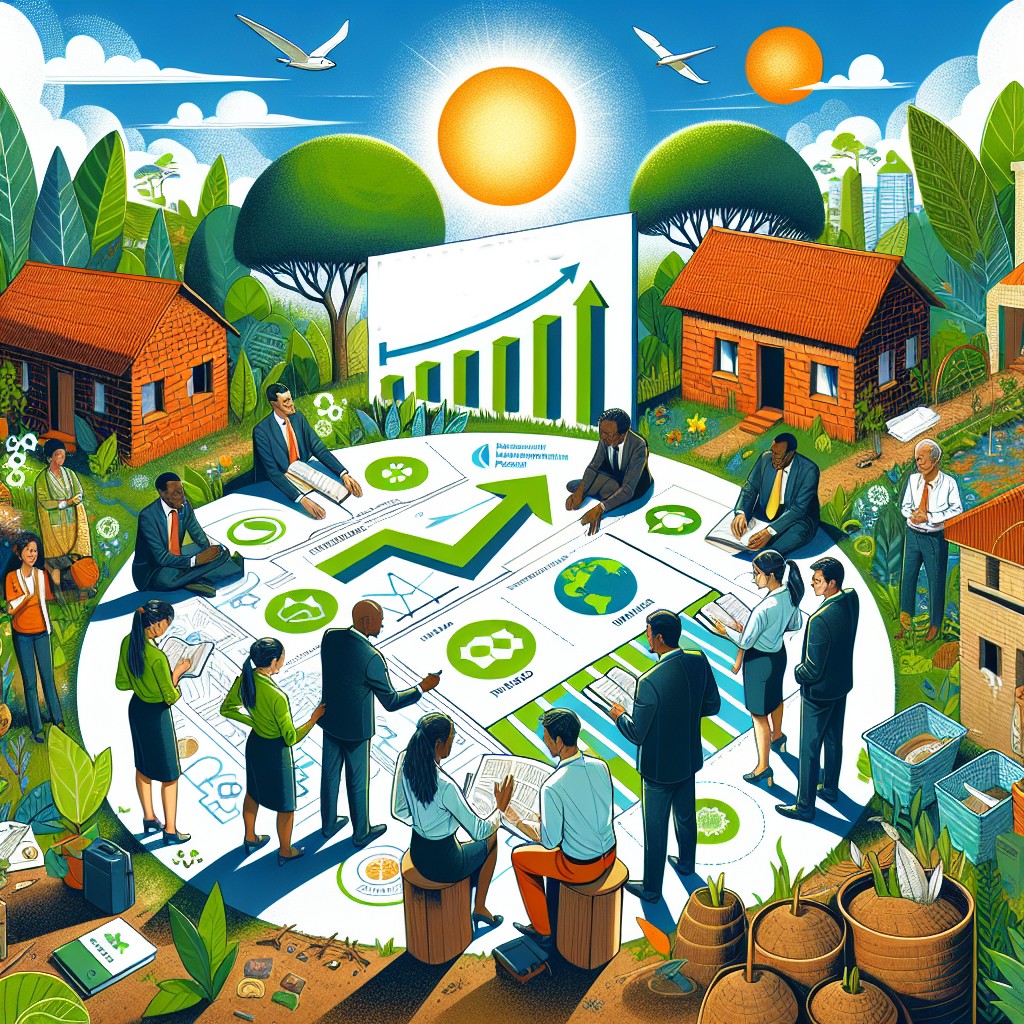
Ecological sanitation (EcoSan) represents a paradigm shift in the way we approach wastewater and waste treatment. Rather than viewing human excrement as unwanted waste, EcoSan sees it as a resource that can help restore and maintain ecosystem health. It operates on the principle of closing the nutrient loop, returning valuable nutrients back to the soil and promoting sustainable agricultural practices. Despite the progress, there’s still limited understanding and adoption of EcoSan technologies globally.
Historically, traditional sanitation systems have focused on disposal rather than resource recovery. However, in an era marked by environmental crises and a need for sustainable development, there is a pressing need to transition to more ecologically sound practices. EcoSan addresses these challenges by emphasizing the recycling of nutrients, reducing pathogens, and conserving water. By mid-20th century, sanitation evolved significantly but not always sustainably. EcoSan technologies, however, redefine waste management practices, presenting a viable pathway towards environmental stewardship.
This article will delve into various aspects of EcoSan technologies, their benefits, types, principles, and how they can significantly enhance soil health. It will explore real-world applications, challenges, and future potential of EcoSan in promoting sustainable development. Readers can expect a comprehensive guide that illustrates the multifaceted advantages of adopting EcoSan and how it fits into a larger framework of environmental sustainability and agricultural productivity.
Basic Principles of EcoSan
The foundation of EcoSan lies in its eco-friendly principles which include separation at source, the cyclical use of resources, and environmental protection. One of the key principles is urine-diversion, where urine and feces are separated at the source. This separation facilitates efficient treatment and nutrient recovery. Urine is rich in nitrogen, phosphorus, and potassium, which are essential for plant growth. By treating urine separately, these nutrients can be directly utilized as fertilizers.
Another principle is dehydration and composting. Fecal matter is treated through dehydration or composting to eliminate pathogens and convert it into a humus-like material that can be safely used in agriculture. This approach not only reduces the risk of disease transmission but also contributes to soil fertility and structure. The compost derived from feces is rich in organic matter, which helps improve soil aeration, water retention, and microbial activity.
Water conservation is also a crucial principle of EcoSan. Conventional sanitation systems often require significant amounts of water for flushing. In contrast, EcoSan technologies, particularly dry toilets, drastically reduce or eliminate the need for water. This is especially critical in water-scarce regions, where conserving water can have a profound impact on the sustainability of water resources.
Types of EcoSan Technologies
Several EcoSan technologies have been developed to cater to different environmental contexts and user needs. Some of the notable types include urine-diverting dry toilets (UDDTs), composting toilets, and constructed wetlands.
UDDTs are designed to separate urine and feces at the source. The urine is collected and stored for use as a fertilizer, while the feces are processed in a dry environment to eliminate pathogens and facilitate composting. UDDTs are particularly useful in regions with limited water resources, as they do not require water for flushing.
Composting toilets are another type of EcoSan technology that turns human waste into valuable compost through aerobic decomposition. These toilets can come in various designs, from simple pit latrines adapted with composting capabilities to more sophisticated models with mechanical ventilation and mixing features. The final product of composting toilets is a nutrient-rich compost that can be safely applied to agricultural fields.
Constructed wetlands are engineered systems that use natural processes involving wetland vegetation, soils, and their associated microbial assemblages to treat wastewater. They are highly effective in removing contaminants and pathogens from wastewater, making the treated water safe for reuse or discharge into natural water bodies. Constructed wetlands also support biodiversity and provide habitat for various species, enhancing the ecological value of the area.
Benefits of EcoSan for Soil Health
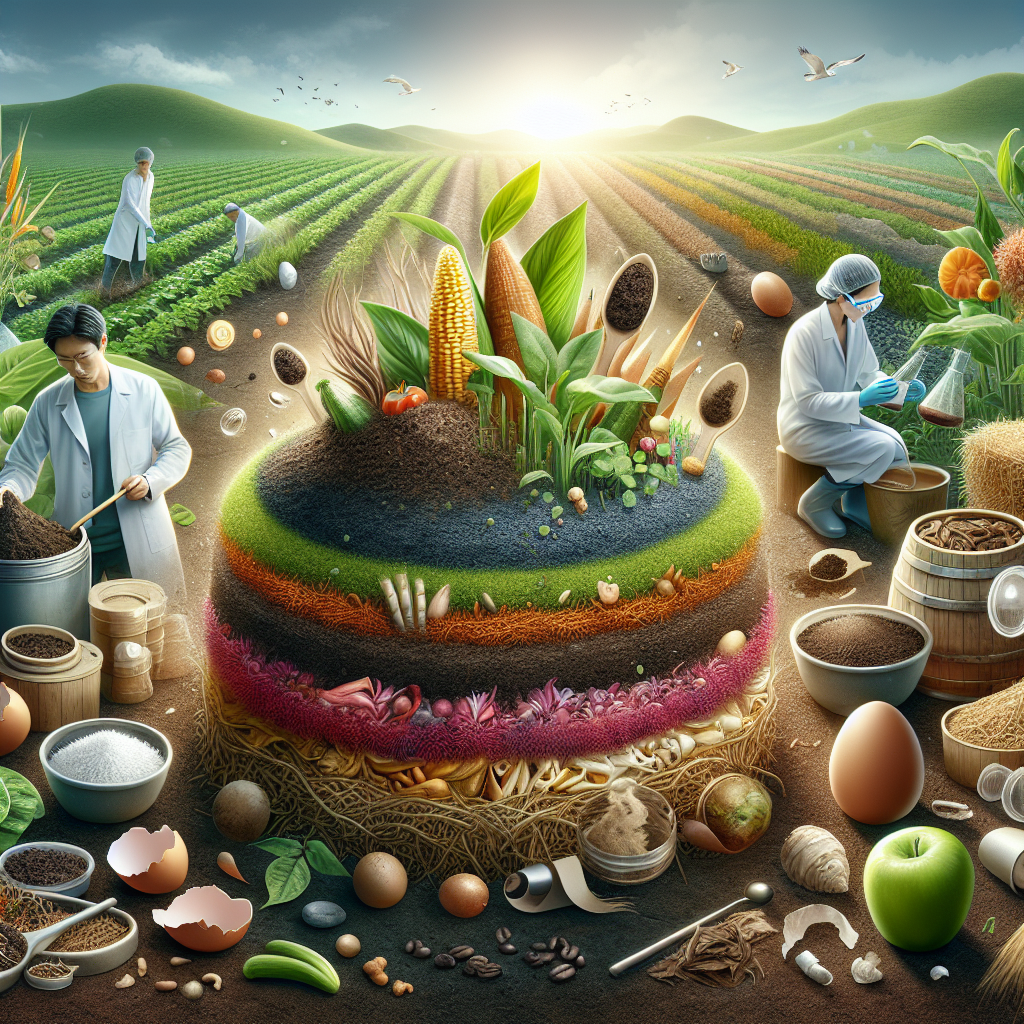
One of the most significant benefits of EcoSan technologies is their positive impact on soil health. The application of sanitized urine and composted feces provides essential nutrients that enhance soil fertility and support plant growth. The nutrients in urine, particularly nitrogen, phosphorus, and potassium, are in readily available forms that plants can absorb and utilize effectively.
Composted human waste adds organic matter to the soil, improving its structure, water-holding capacity, and aeration. This organic matter supports the growth of beneficial soil microorganisms, which play a crucial role in decomposing organic material, cycling nutrients, and suppressing soil-borne pathogens. The microbial diversity promoted by composting also enhances soil resilience, making it better able to withstand environmental stresses such as drought and disease.
Moreover, the use of EcoSan products reduces the reliance on chemical fertilizers, which can have detrimental effects on soil health in the long term. Chemical fertilizers can lead to soil acidification, depletion of soil organic matter, and disruption of microbial communities. By using EcoSan fertilizers, farmers can maintain a more balanced and sustainable soil nutrient profile, promoting long-term soil health and productivity.
Challenges in Implementing EcoSan
Despite its many benefits, the implementation of EcoSan technologies faces several challenges. One of the primary obstacles is the cultural and social acceptance of using human waste as a resource. Many societies view human excrement with stigma and are hesitant to adopt practices that involve handling and using it in agriculture. Overcoming these cultural barriers requires comprehensive education and awareness campaigns that highlight the safety, benefits, and environmental necessity of EcoSan practices.
Another challenge is the initial cost and technical know-how required for installing and maintaining EcoSan systems. Although the long-term benefits and cost savings are significant, the upfront investment can be a deterrent for many communities, particularly in low-income regions. Providing financial incentives, subsidies, and technical training can help mitigate these barriers and promote wider adoption.
Operational and maintenance challenges also need to be addressed. Ensuring that EcoSan systems are properly maintained and operated is crucial for their effectiveness and longevity. This includes regular emptying of compost chambers, proper handling and storage of urine, and ensuring that users follow guidelines to prevent contamination and ensure safety.
Case Studies of Successful EcoSan Implementation
Several successful case studies from around the world demonstrate the potential of EcoSan technologies to transform communities and restore soil health. One notable example is the adoption of UDDTs in rural Ethiopia. The initiative involved installing UDDTs in households and training community members on their use and maintenance. As a result, communities benefited from improved sanitation, reduced water use, and enhanced soil fertility through the use of sanitized urine and composted feces as fertilizers. Farmers reported increased crop yields and improved soil health, contributing to food security and economic stability.
In another case, a town in Mexico implemented a large-scale EcoSan project that included the construction of composting toilets and wetlands for wastewater treatment. The project not only improved sanitation and reduced pollution but also provided farmers with valuable organic fertilizers. The treated wastewater was used for irrigation, resulting in healthier crops and reduced reliance on chemical inputs. This holistic approach to sanitation and agriculture improved the overall sustainability and resilience of the community.
These case studies highlight the importance of community involvement, education, and support from local authorities and organizations. They demonstrate that with the right support, EcoSan technologies can be successfully integrated into various contexts, providing multiple benefits for sanitation, soil health, and community well-being.
Future Potential and Innovations in EcoSan
The future of EcoSan technologies is promising, with ongoing innovations and research aimed at improving their efficiency, affordability, and social acceptability. One area of innovation is the development of more user-friendly and aesthetically pleasing designs that address cultural perceptions and encourage adoption. Modern EcoSan toilets are being designed to look and function similarly to conventional toilets, reducing the stigma and making the transition easier for users.
Advancements in treatment processes are also being explored, such as using advanced microbial treatments to enhance the efficiency and safety of composting and urine treatment. Research is being conducted on optimizing the nutrient content and availability of EcoSan products to maximize their benefits for soil health and crop production.
Integration with other sustainable practices, such as permaculture and agroecology, is another exciting avenue for EcoSan. By combining EcoSan with holistic land management practices, communities can create synergistic systems that enhance overall environmental sustainability, biodiversity, and resilience. This integrated approach can lead to the development of sustainable agroecosystems that provide food security while conserving natural resources.
Moreover, EcoSan technologies hold great potential for contributing to climate change mitigation. By promoting organic farming and reducing reliance on synthetic fertilizers, EcoSan can help reduce greenhouse gas emissions associated with fertilizer production and use. Additionally, the carbon sequestration potential of soils enriched with organic matter from EcoSan fertilizers can contribute to mitigating climate change by capturing atmospheric carbon dioxide.
Conclusion
Ecological sanitation, or EcoSan, offers a revolutionary approach to sanitation and waste management that aligns with principles of sustainability and environmental stewardship. By viewing human waste as a resource rather than a pollutant, EcoSan technologies help close the nutrient loop and contribute to the restoration of soil health. Through the use of urine-diverting dry toilets, composting toilets, and constructed wetlands, EcoSan provides valuable nutrients and organic matter that enhance soil fertility and support sustainable agricultural practices.
While there are challenges in implementing EcoSan, such as cultural acceptance, initial costs, and maintenance requirements, successful case studies demonstrate its transformative potential. With continued education, financial support, and technical assistance, the adoption of EcoSan technologies can be scaled up, benefiting communities worldwide.
Looking ahead, the future of EcoSan holds exciting possibilities with ongoing innovations and research. By integrating EcoSan with other sustainable practices and advancing treatment processes, we can further enhance its benefits for soil health, food security, and climate change mitigation. EcoSan stands as a beacon of hope for creating a more sustainable and resilient future. Embracing EcoSan practices can lead to healthier soils, improved agricultural productivity, and a cleaner environment, ensuring a better quality of life for current and future generations.