Ecological Sanitation (EcoSan) embodies a sustainable, system-oriented approach designed to tackle the global challenge of sanitation, especially within high-density populations. The core principle of EcoSan revolves around the safe and productive treatment of human excreta, converting waste into valuable resources rather than pollutants. Unlike conventional sanitation systems that often exacerbate environmental issues, EcoSan promotes nutrient recycling and resource recovery, closely aligning with the principles of a circular economy.
Urban centers and densely populated regions face distinct sanitation dilemmas due to limited space, resource constraints, and the high cost of infrastructure. Traditional sewage systems, while effective in waste removal, frequently fall short in terms of environmental sustainability. They often lead to water pollution, nutrient imbalance, and significant energy consumption. Innovative approaches like EcoSan can offer viable solutions, ensuring that human waste is managed in a way that is environmentally friendly, economically viable, and socially acceptable.
This article delves into the methods for effective ecological sanitation, examining various components, best practices, and the potential benefits for high-density areas. It will explore practical implementations, the role of technology, and community involvement, providing a comprehensive guide for anyone seeking to understand or implement EcoSan solutions.
Sustainable Sanitation Systems
EcoSan revolves around systems that maximize resource recovery while minimizing pollution. Two principal forms of EcoSan systems are dry composting toilets (DCT) and urine-diverting dry toilets (UDDT). Both systems aim to treat human excreta hygienically, converting waste into compost and urine into liquid fertilizer, respectively.
Dry composting toilets enable the aerobic decomposition of feces into compost. By avoiding the use of water, these toilets reduce water consumption and prevent water contamination. Typically, additives like sawdust are used to facilitate the composting process, which reduces odor and speeds up the breakdown of organic matter.
Urine-diverting dry toilets, on the other hand, separate urine from feces at the source. This separation allows for the distinct treatment of each waste type. Urine, rich in nitrogen, potassium, and phosphorus, can be diluted and used directly as fertilizer. Feces, subject to separate treatment, undergo a period of desiccation or composting before being used as a soil conditioner.
Integrating these systems into urban landscapes requires careful planning and adaptation. Space constraints, cultural acceptance, and maintenance protocols must be taken into account. Importantly, educating communities about the benefits and practices of EcoSan is crucial for fostering acceptance and sustainable usage.
Technological Innovations in EcoSan
Technological advancements continue to enhance the efficiency and feasibility of EcoSan systems. Innovations such as decentralized wastewater treatment systems (DEWATS) and anaerobic digestion (AD) offer promising solutions for high-density populations.
DEWATS prioritize the treatment of wastewater close to the point of generation, reducing the need for extensive sewer networks. These systems use a combination of biological and mechanical processes, such as sedimentation, filtration, and biotic treatment, to purify wastewater on a micro-scale. The treated water can then be reused for non-potable purposes like irrigation and sanitation.
Anaerobic digestion is another pivotal technology in the EcoSan arsenal. AD involves the breakdown of organic matter by microorganisms in the absence of oxygen, producing biogas and nutrient-rich slurry. Biogas, primarily composed of methane, serves as a renewable energy source, while the slurry can be used as a fertilizer. This dual-function process not only manages waste but also contributes to energy generation, promoting an integrated approach to resource management.
Emerging technologies such as nutrient recovery systems and smart sensors enhance the functionality of EcoSan setups. Nutrient recovery systems extract valuable nutrients from waste, facilitating their reuse in agriculture, while smart sensors monitor the quality and processing stages of waste, ensuring system efficiency and prompt maintenance.

EcoSan in High-Density Populations
Implementing EcoSan in crowded urban areas demands tailored strategies that address the unique challenges of space, resource constraints, and public buy-in. One successful approach involves integrating EcoSan systems within multi-story buildings or community blocks, maximizing the use of vertical space.
Community sanitation centers present another effective model, where centralized EcoSan facilities serve multiple households. These centers can feature communal composting units, urine-diverting toilets, and enable resource recovery at a larger scale. They provide a practical solution for informal settlements and high-rise residential complexes.
Policy frameworks and regulatory support are essential to scale up EcoSan in urban settings. Governments and local authorities can promote EcoSan adoption through subsidies, inclusive sanitation policies, and public education campaigns. Collaboration between stakeholders, including urban planners, NGOs, and community leaders, fosters a shared vision and concerted efforts towards sustainability.
Highlighting successful case studies from around the world can bolster confidence and demonstrate the practicality of EcoSan. In countries like India, Ghana, and Brazil, community-driven EcoSan projects have showcased the potential for transforming urban sanitation, improving public health, and contributing to environmental conservation.
Community Involvement and Education
Community involvement and education are pivotal for the successful implementation and sustained operation of EcoSan systems. Engaging communities from the planning stages ensures their needs and preferences are considered, fostering ownership and long-term commitment.
Educational campaigns help demystify EcoSan concepts and practices, addressing misconceptions and building public trust. Workshops, demonstrations, and training programs equip community members with the knowledge and skills to manage and maintain EcoSan facilities effectively.
Volunteer programs and local champions can spearhead EcoSan initiatives, promoting peer-to-peer learning and support. Community-driven monitoring and feedback mechanisms further enhance system efficacy and encourage accountability.
Educational institutions and schools also play a crucial role in fostering a culture of sustainable sanitation among the younger generation. Incorporating EcoSan principles into the curriculum and involving students in hands-on projects instills environmental stewardship and empowers them to advocate for sustainable practices.
Financial and Economic Considerations
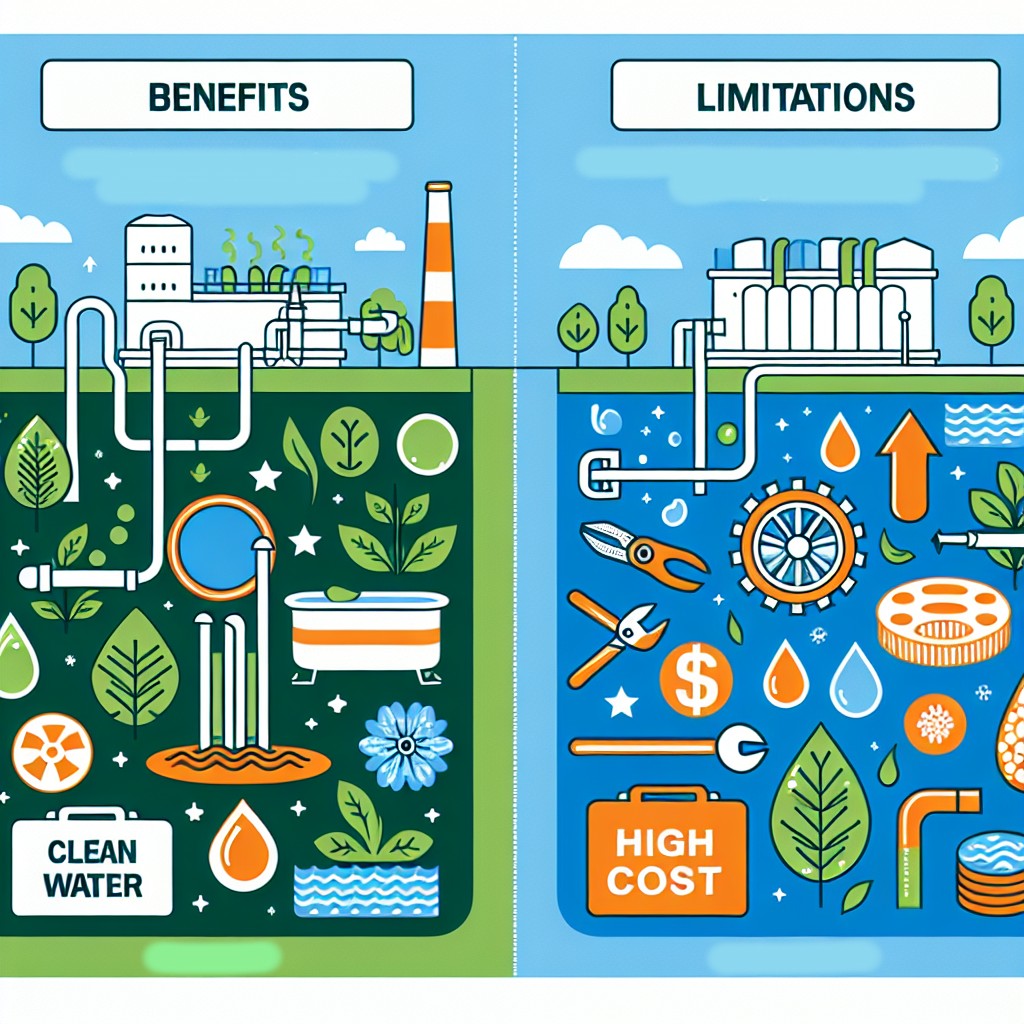
While the initial setup costs of EcoSan systems can be a barrier, the long-term economic benefits outweigh these expenses. EcoSan promotes resource recovery, reducing dependency on external fertilizers and energy sources, thereby offering cost savings for communities and municipalities.
Revenues generated from the sale of recovered resources, such as compost and biogas, can further offset operational costs and provide financial incentives for adoption. These economic benefits, coupled with improved public health and environmental conservation, present a compelling case for investing in EcoSan.
Financial models such as public-private partnerships, microfinance, and social enterprises can mobilize resources and expertise to implement and scale up EcoSan projects. Incentivizing private sector engagement through tax breaks, grants, and technical support can also enhance investment and innovation in EcoSan technologies and services.
Cost-efficient designs and local material usage can further reduce the financial burden of EcoSan implementation. By leveraging locally available resources and skills, communities can build and maintain EcoSan systems sustainably, fostering economic resilience and empowerment.
Conclusion
Ecological Sanitation presents a transformative approach to managing human waste sustainably, especially in high-density populations. By recovering resources and reducing environmental pollution, EcoSan systems align with global goals of environmental sustainability, health improvement, and economic resilience.
Understanding the various methods and technologies of EcoSan—such as dry composting toilets, urine-diverting dry toilets, DEWATS, and anaerobic digestion—is fundamental to successful implementation. Community participation, education, and financial investments are critical pillars supporting the adoption and scalability of EcoSan.
Governments, urban planners, and local communities must collaborate and promote EcoSan solutions to address the unique sanitation challenges of densely populated areas. Supporting policies, regulatory frameworks, and public education are key drivers in fostering a culture of sustainable sanitation.
As we navigate urban growth and environmental challenges, EcoSan provides a hopeful pathway towards a circular economy where waste is not only managed but transformed into valuable resources. The journey towards widespread adoption requires concerted efforts, innovation, and a collective commitment to sustainable development.