Welcome to the fascinating world of EcoSan, short for Ecological Sanitation. In this article, we’ll delve deep into the innovative concept of soil biodigesters and how they enhance soil health while playing a crucial role in effective sanitation practices. EcoSan methods are increasingly essential in a world where water scarcity, soil degradation, and waste management are pressing concerns. Let’s explore the dynamics of soil biodigesters, their benefits, applications, and their role in promoting sustainable agriculture.
Introduction: The Need for Innovative Sanitation Solutions
The rapid growth of the human population, urbanization, and the resultant waste generation have created severe environmental challenges. Traditional sanitation systems often fall short, leading to water contamination, soil degradation, and inadequate waste management. Ecological Sanitation, or EcoSan, presents a promising alternative, emphasizing resource recovery rather than waste disposal.
One of the key components of EcoSan is the use of soil biodigesters. These systems transform human waste into valuable resources such as biogas, which can be used for cooking or heating, and nutrient-rich compost, which enhances soil health. By integrating sanitation and agriculture, soil biodigesters address some of the most pressing environmental issues of our time.
Moreover, soil biodigesters contribute significantly to climate change mitigation. By capturing methane, a potent greenhouse gas produced during waste decomposition, these systems help reduce atmospheric emissions. The holistic approach of soil biodigesters aligns perfectly with the principles of circular economy and sustainable development, making them a critical tool in the global effort to achieve sustainability goals.
In this article, we’ll explore the various aspects of soil biodigesters, including how they operate, their benefits, and their applications. We’ll also examine real-world examples of successful EcoSan projects and provide practical tips for implementing soil biodigesters in different settings.
Understanding Soil Biodigesters: How They Work
Soil biodigesters are essentially anaerobic digesters designed to process organic waste, including human excreta, into biogas and compost. The process begins with the collection of waste in a sealed chamber, where it undergoes anaerobic digestion—a biological process in which microorganisms break down organic matter in the absence of oxygen.
This digestion process results in the production of biogas, primarily consisting of methane and carbon dioxide, and a nutrient-rich slurry known as digestate. The biogas can be captured and used as a renewable energy source, while the digestate can be further processed into compost, which is an excellent soil conditioner.
The design and operation of soil biodigesters vary depending on their size, location, and intended use. Typically, they consist of the following components:
- Inlet chamber: This is where waste is introduced into the system. It can be a toilet or a collection tank.
- Digestion chamber: The main processing unit where anaerobic digestion occurs, usually underground to maintain optimal temperatures for microbial activity.
- Biogas collection system: A network of pipes and storage tanks for capturing and storing the biogas produced during digestion.
- Outlet chamber: The end point where the digestate exits the system, ready for further treatment or application as compost.
The efficiency of soil biodigesters depends on various factors, such as the type of waste, temperature, pH, and the composition of microorganisms. Regular maintenance and monitoring are essential to ensure optimal performance and prevent issues such as clogging or the production of harmful gases.
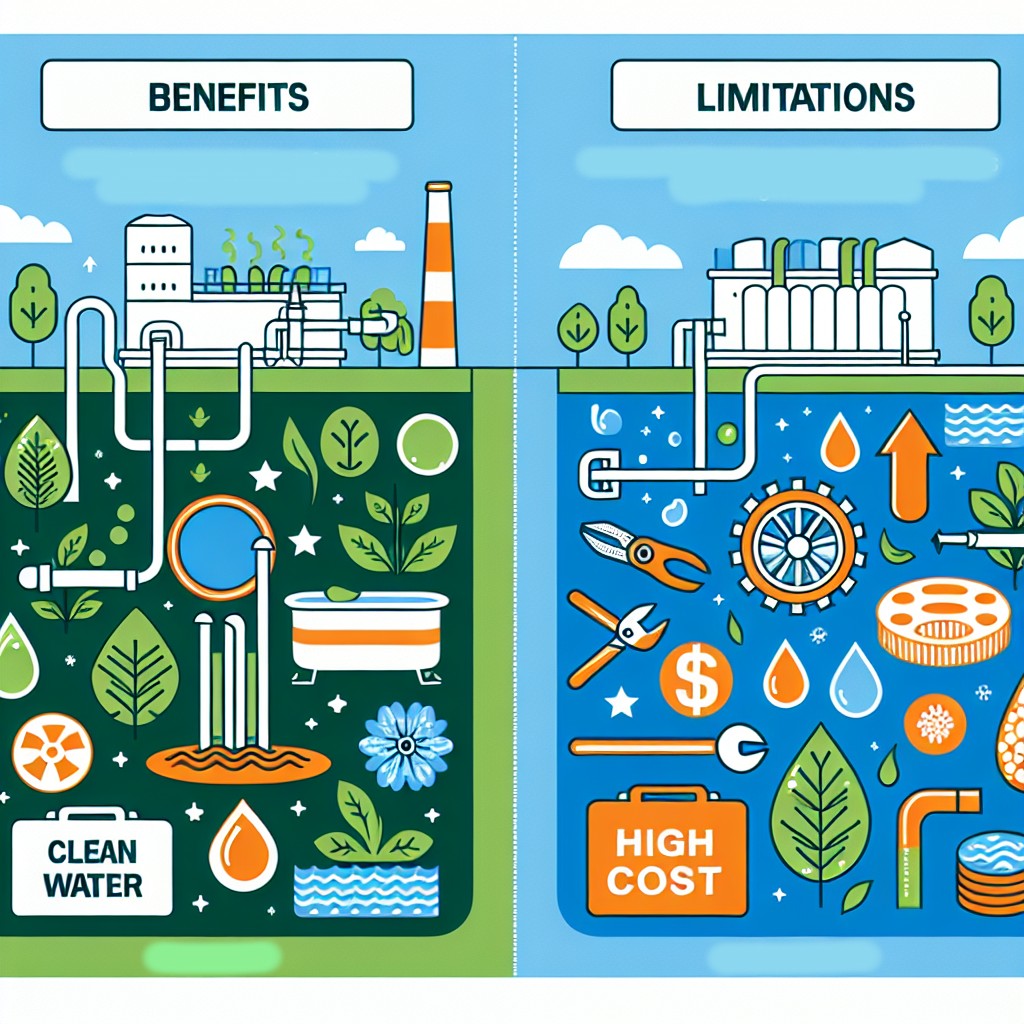
Benefits of Soil Biodigesters
Soil biodigesters offer multiple benefits that extend beyond waste management. These include:
1. Resource Recovery
The most significant advantage of soil biodigesters is their ability to recover valuable resources from waste. Biogas can be used for cooking, lighting, or generating electricity, reducing the reliance on fossil fuels and contributing to energy security. Compost from digestate enriches the soil with essential nutrients, enhancing its fertility and structure.
2. Environmental Protection
By treating waste on-site, soil biodigesters minimize the risk of water contamination and reduce the burden on sewage systems. They also help capture and utilize methane, a potent greenhouse gas, mitigating its impact on climate change. Furthermore, the use of compost reduces the need for chemical fertilizers, which are often associated with soil and water pollution.
3. Agricultural Productivity
Soil biodigesters produce high-quality compost that improves soil health, leading to increased agricultural productivity. The organic matter in compost enhances soil structure, water retention, and microbial activity, promoting healthy plant growth. This is particularly beneficial in regions with degraded soils or limited access to chemical fertilizers.
4. Public Health
Improving sanitation through soil biodigesters reduces the incidence of waterborne diseases and other health issues associated with poor sanitation. Treating waste on-site also minimizes the contact between humans and pathogens, promoting a healthier living environment.
5. Economic Savings
The resources recovered from soil biodigesters can generate economic benefits. Biogas can replace costly energy sources, and the use of compost can reduce expenditure on chemical fertilizers. Additionally, improved agricultural yields translate into higher income for farmers.

Applications of Soil Biodigesters
Soil biodigesters can be deployed in various settings, ranging from individual households to large communities and institutions. Some common applications include:
1. Rural Areas
In rural communities, where access to centralized sanitation infrastructure is often limited, soil biodigesters provide an effective solution. They can be installed in individual households or shared among several families, offering safe and sustainable waste treatment while providing biogas and compost.
2. Urban Areas
In urban settings, soil biodigesters can be integrated into community sanitation systems, reducing the burden on sewage networks and enhancing resource recovery. They are particularly useful in informal settlements or areas with inadequate sanitation infrastructure.
3. Educational Institutions
Schools and universities can benefit from installing soil biodigesters to manage waste generated on campus. This not only improves sanitation but also serves as an educational tool, raising awareness about sustainable practices among students.
4. Agricultural Enterprises
Farms and agricultural enterprises can use soil biodigesters to manage livestock manure and other organic waste, converting it into biogas and compost. This supports sustainable farming practices and enhances overall productivity.
5. Disaster Relief Camps
In disaster-affected areas, soil biodigesters provide a practical solution for managing waste in temporary shelters and camps. They help maintain hygiene and prevent the outbreak of diseases.
Real-World Examples of Successful EcoSan Projects
Several successful EcoSan projects around the world demonstrate the effectiveness of soil biodigesters in enhancing sanitation and promoting sustainability. Here are a few notable examples:
1. Sanitation in Kibera, Kenya
Kibera, one of the largest informal settlements in Nairobi, Kenya, faces significant sanitation challenges. A project implemented by the NGO Sanergy introduced soil biodigesters to manage waste in the community. The biogas produced is used for cooking, while the compost is provided to local farmers, improving soil health and agricultural productivity.
2. Biogas Toilets in India
In several rural areas of India, organizations like the Biogas Association have installed soil biodigesters to convert human waste into biogas. These biogas toilets have improved sanitation, reduced reliance on firewood for cooking, and provided farmers with organic fertilizer.
3. Composting Toilets in Sweden
Sweden has been a pioneer in the EcoSan movement, with widespread use of composting toilets and soil biodigesters. These systems have significantly reduced water usage, prevented nutrient runoff into water bodies, and provided high-quality compost for agricultural use.
These examples highlight the versatility and effectiveness of soil biodigesters in varied contexts, from urban slums to rural farms and developed countries.
Implementing Soil Biodigesters: Practical Tips
If you are considering implementing a soil biodigester system, here are some practical tips to guide you:
1. Assess Your Needs
Evaluate the quantity and type of organic waste generated at your site. This will help determine the size and design of the biodigester. Consider factors such as the number of users, available space, and local climate conditions.
2. Choose the Right Design
Select a biodigester design that suits your specific needs. Options range from simple household units to larger community systems. Ensure that the design is robust and easy to maintain.
3. Engage the Community
For community-based projects, engage local stakeholders and educate them about the benefits of soil biodigesters. This will encourage participation and ensure the sustainability of the project.
4. Ensure Proper Installation
Hire experienced professionals for the installation of the biodigester to ensure it operates efficiently. Proper installation is crucial for preventing leaks and other issues.
5. Monitor and Maintain
Regularly monitor the performance of the biodigester and carry out necessary maintenance. This includes checking for blockages, ensuring proper temperature and pH levels, and managing the output of biogas and digestate.
6. Utilize the Outputs
Effectively use the biogas and compost produced by the biodigester. Biogas can be used for cooking or heating, while compost can be applied to gardens or agricultural fields to enhance soil fertility.
Conclusion: Embracing Soil Biodigesters for a Sustainable Future
Soil biodigesters represent a powerful tool in the arsenal of EcoSan solutions, offering a holistic approach to waste management, resource recovery, and environmental protection. By converting waste into valuable resources like biogas and compost, these systems address multiple challenges, including sanitation, energy security, soil degradation, and climate change.
The benefits of soil biodigesters extend beyond individual households and communities, contributing to global sustainability goals. Whether in rural areas, urban settings, educational institutions, or agricultural enterprises, soil biodigesters can play a transformative role in creating a more sustainable and resilient future.
As we move towards a circular economy and strive to achieve the United Nations Sustainable Development Goals, the adoption of innovative EcoSan methods like soil biodigesters is crucial. By embracing these technologies, we can enhance soil health, improve agricultural productivity, protect our environment, and promote public health.
Let us take inspiration from successful projects around the world and work towards implementing soil biodigesters in our own communities. Together, we can pave the way for a cleaner, greener, and more sustainable future.