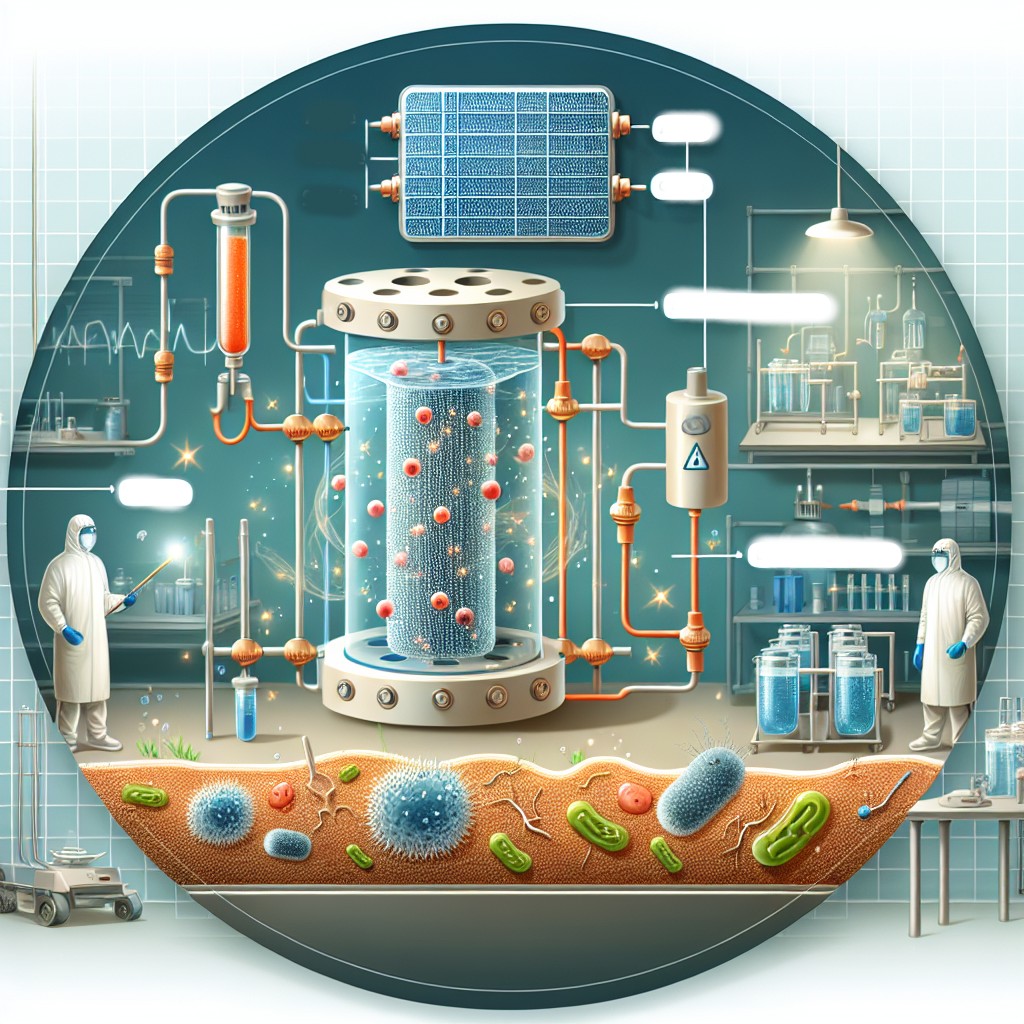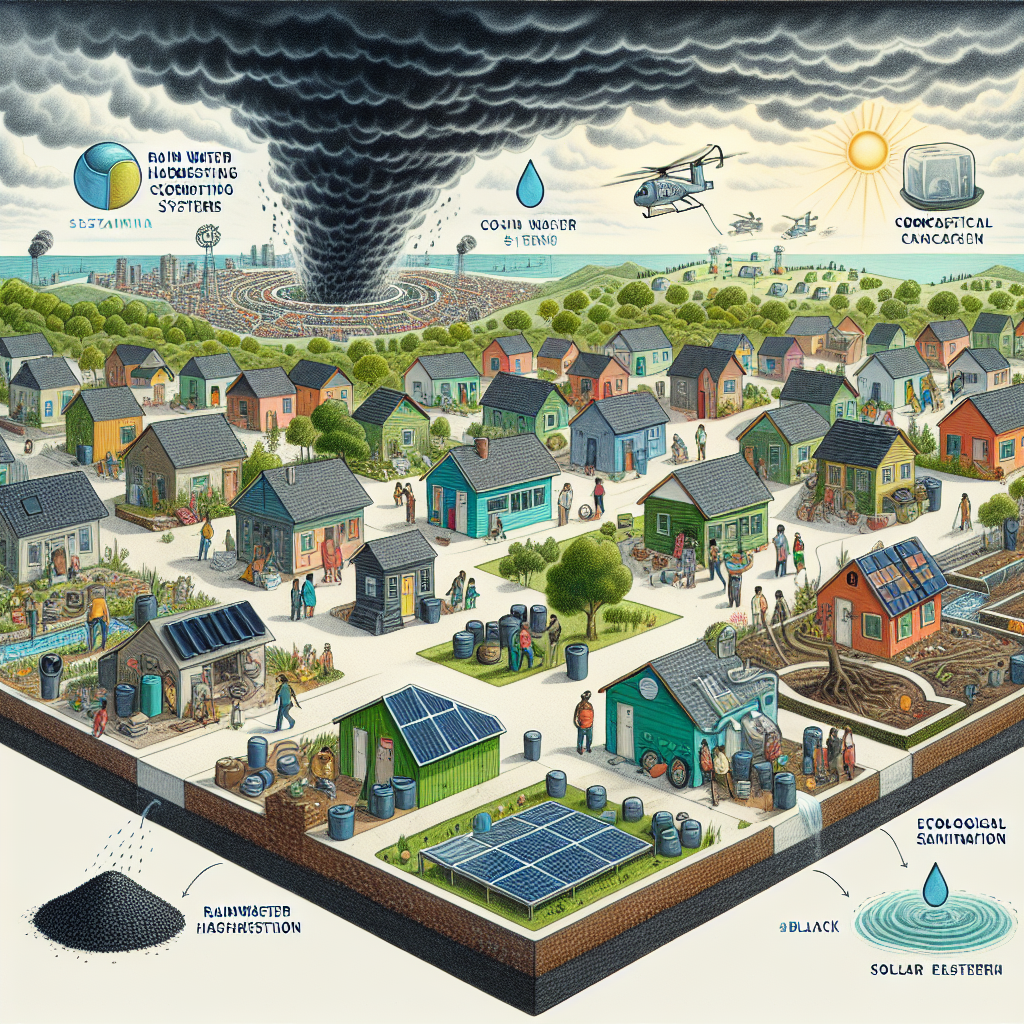
Ecological Sanitation, commonly referred to as EcoSan, stands at the forefront of sustainable waste management solutions, particularly in communities that are vulnerable to natural disasters. EcoSan encompasses the design and implementation of waste management systems that safely transform human waste into valuable resources, primarily focusing on the recycling and reuse of nutrients. Not only does EcoSan promote environmental sustainability, but it also plays a crucial role in bolstering disaster resilience. In scenarios where traditional sanitation infrastructure may be compromised, such as floods, earthquakes, or hurricanes, EcoSan offers a reliable and sustainable alternative that maintains hygiene and health standards.
The significance of EcoSan in disaster-prone areas cannot be overstated. Traditional sanitation systems are often disrupted during and after natural disasters, leading to severe public health crises. Contaminated water sources, widespread disease, and compromised sanitation are common issues that arise due to damaged infrastructure. EcoSan, however, provides a decentralized approach, minimizing the risk of such disruptions. By leveraging technologies that can operate independently of the central infrastructure, EcoSan not only ensures continuity but also enhances the resilience of communities against future disasters.
Benefits of EcoSan
EcoSan systems offer several key benefits, particularly in the context of disaster-affected regions. Firstly, they play a vital role in resource conservation. Traditional sanitation systems typically treat waste as a hazardous material to be disposed of, often in a manner that pollutes water bodies and soil. In contrast, EcoSan views waste as a resource that can be safely and effectively recycled into nutrients, water, and energy. This approach significantly reduces environmental pollution and promotes the sustainable use of resources, which is crucial in disaster scenarios where resources can be scarce.
Secondly, the adaptability of EcoSan systems makes them ideal for disaster resilience. These systems are portable, require minimal water, and can be established quickly even in emergency conditions. For instance, urine-diverting dry toilets (UDDTs) are a type of EcoSan technology that separates urine and feces at the source, reducing the need for water and enabling the safe conversion of waste into compost or manure. Such systems ensure that communities maintain their sanitation standards even when the traditional infrastructure is destroyed.
Lastly, EcoSan systems drive economic benefits by transforming waste into valuable by-products. Communities can utilize the compost produced from human waste for agricultural purposes, enhancing soil fertility and crop yields. This not only supports food security but also generates economic opportunities for disaster-hit areas, facilitating recovery and building long-term resilience.
Case Studies: Successful Implementations
Several communities across the globe have successfully implemented EcoSan technologies, showcasing their effectiveness and benefits. In Haiti, following the devastating earthquake in 2010, EcoSan systems were introduced to address the urgent need for sanitation. The use of UDDTs and composting toilets provided immediate relief and long-term benefits. These systems were quickly set up in camps and displaced persons’ settlements, significantly reducing the spread of diseases such as cholera.
Another notable example is the EcoSan toilets implemented in the flood-prone areas of Bangladesh. The regular monsoon floods often compromise traditional pit latrines, leading to contamination and serious health risks. EcoSan solutions, such as raised toilet units and urine diversion systems, have proven to be resilient under these conditions, providing safe and functional sanitation options even during floods. The success of these initiatives was marked by improved public health outcomes and heightened community awareness of sustainable sanitation practices.
These case studies highlight the practicality and effectiveness of EcoSan technologies in enhancing disaster resilience. By integrating EcoSan systems, communities not only address immediate sanitation challenges but also build sustainable practices that foster long-term health and environmental benefits.
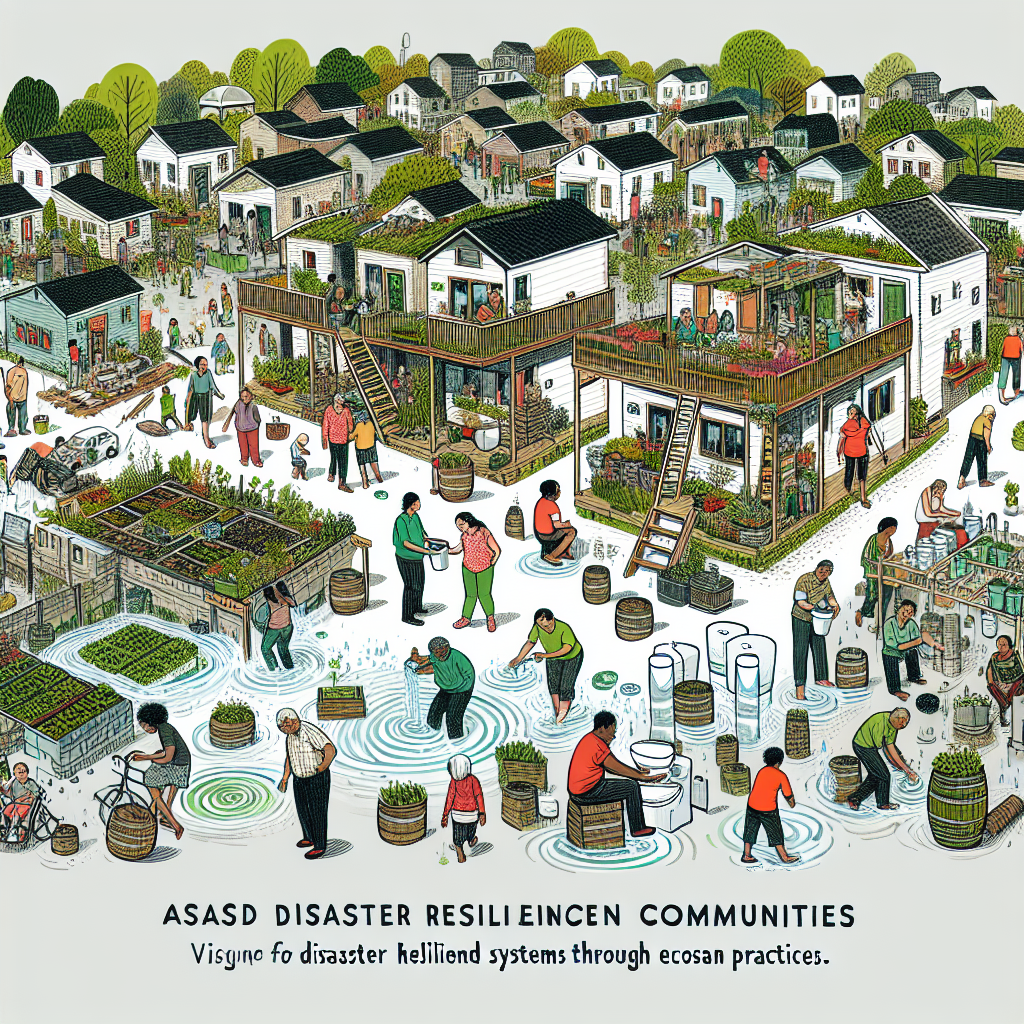
Technological Advancements in EcoSan
The field of EcoSan has seen significant technological advancements aimed at improving efficiency and user experience. One such innovation is the use of biochar in sanitation processes. Biochar, a form of charcoal produced from organic waste, is used to capture nutrients from human waste. It enhances the decomposition process, reduces odors, and produces a high-quality soil amendment that benefits agriculture. Implementing biochar in EcoSan systems not only improves waste conversion efficiency but also contributes to carbon sequestration, addressing climate change concerns.
Another advancement is the integration of solar energy in EcoSan units. Solar-powered toilets utilize the sun’s energy to dehydrate and sanitize human waste, converting it into a safe and odor-free compost. This approach is particularly beneficial in areas with abundant sunlight but limited water resources. Solar EcoSan systems are energy-efficient, cost-effective, and reduce reliance on external power sources, making them ideal for disaster-affected regions.
Moreover, the development of smart EcoSan systems that incorporate sensors and data analytics is revolutionizing sanitation management. These high-tech systems monitor waste levels, environmental conditions, and system performance in real-time. Data collected is used to optimize operations, ensure timely maintenance, and adapt to changing circumstances. Integrating technology in EcoSan not only enhances efficiency but also ensures the reliability and sustainability of sanitation services in disaster-prone and resource-limited contexts.
Challenges and Considerations
While EcoSan offers numerous benefits, its implementation is not without challenges. Acceptance and adoption of EcoSan technologies can be hindered by cultural attitudes and social perceptions regarding human waste. Education and community engagement are vital to overcoming these barriers, as awareness initiatives can help shift mindsets and promote understanding of EcoSan’s health and environmental benefits.
Additionally, technical challenges such as the maintenance of EcoSan systems can pose difficulties, particularly in resource-limited settings. Regular upkeep and proper management are essential to ensure the systems function optimally. Capacity building and training programs are crucial to equip local communities with the skills and knowledge needed to manage and sustain EcoSan projects effectively.
Financial considerations also play a significant role. Although EcoSan systems can be cost-effective in the long term, the initial investment might be substantial, especially for low-income or disaster-affected regions. Funding from governments, NGOs, and international organizations is often necessary to support the initial setup and infrastructure development. Ensuring financial sustainability through innovative funding mechanisms and long-term planning is critical to the success and longevity of EcoSan initiatives.
Future Directions and Innovations
The future of EcoSan holds immense potential, driven by continuous innovation and the growing recognition of its importance in sustainable development and disaster resilience. Researchers and practitioners are exploring new materials and methods to enhance the efficiency, affordability, and user-friendliness of EcoSan systems. Innovations such as biodegradable toilet paper, advanced composting techniques, and automated maintenance solutions are being developed to address existing challenges and expand the applicability of EcoSan technologies.
Digital technology integration remains a major focus area. Smart sensors, mobile apps, and blockchain technology are being explored to ensure better management, monitoring, and transparency of EcoSan projects. These advancements facilitate efficient resource allocation, track project outcomes, and enable real-time adjustments based on user needs and environmental conditions—creating more resilient and adaptive sanitation solutions.
Collaborative efforts and global partnerships will also play a critical role in the future of EcoSan. Sharing knowledge, best practices, and technological breakthroughs across countries and organizations can accelerate EcoSan adoption and improve global disaster readiness. Engaging more extensively with local communities to ensure solutions are culturally appropriate and locally manageable will be key to widespread success.
Conclusion
EcoSan represents a transformative approach to sanitation, offering sustainable and resilient solutions for communities facing the dual challenges of environmental degradation and natural disasters. By rethinking waste management, EcoSan not only addresses immediate sanitation needs but also contributes to broader goals of public health, resource conservation, and climate resilience. Its adaptability and resource efficiency make it an ideal solution for disaster-prone areas, where traditional infrastructure may falter.
Continued innovation, community education, and strategic investment are crucial to overcoming barriers and maximizing the benefits of EcoSan. As technology evolves and awareness grows, the potential for EcoSan to enhance disaster resilience and contribute to sustainable development becomes increasingly evident. Stakeholders from local communities to international organizations must collaborate to support and scale EcoSan initiatives, ensuring they are accessible, effective, and sustainable for all.
Ultimately, EcoSan is not merely about waste management; it is about re-envisioning sanitation as a pivotal component of ecological sustainability and disaster resilience. By embracing EcoSan technologies and principles, communities worldwide can better prepare for, respond to, and recover from natural disasters, paving the way for healthier and more sustainable futures.