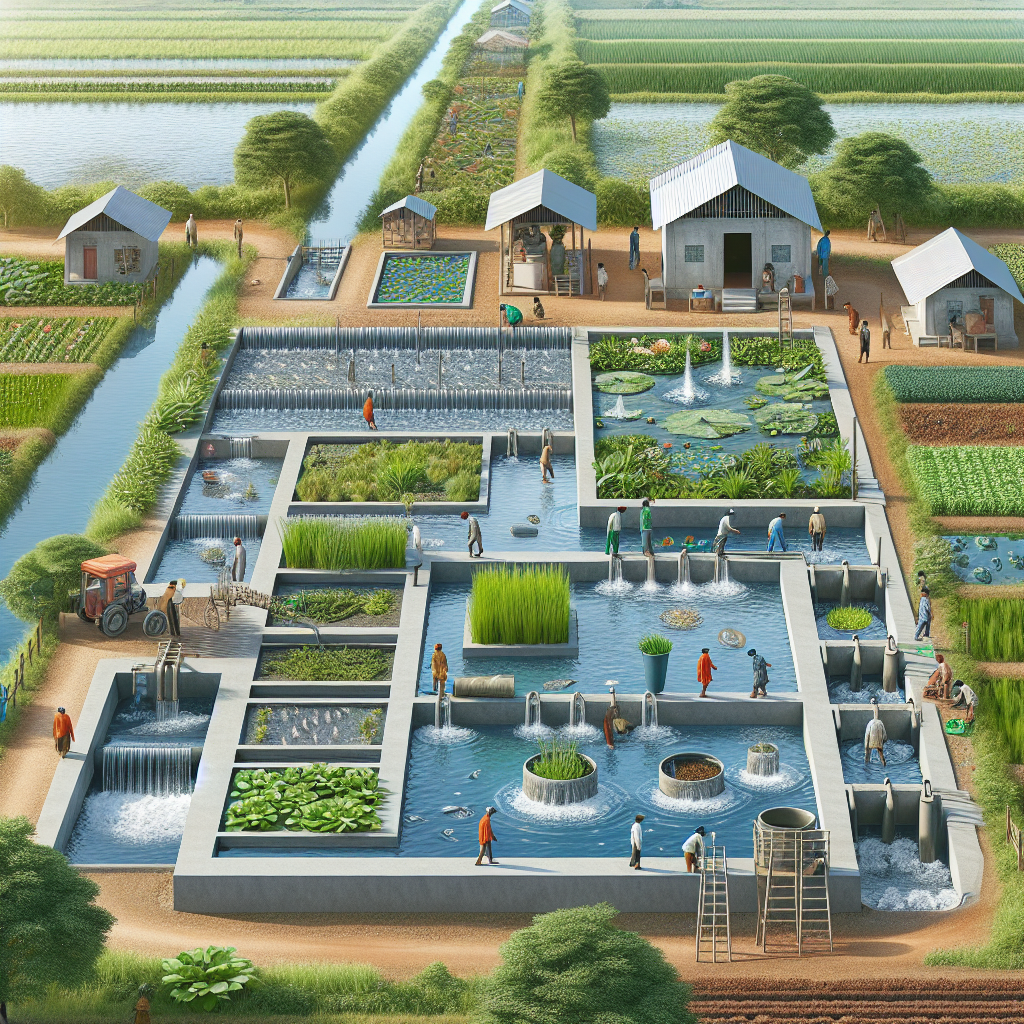
In our rapidly evolving world, innovative solutions for sustainable living are more critical than ever. One domain that has seen considerable advancements is ecological sanitation, or EcoSan. This revolutionary approach to waste management minimizes environmental impacts while promoting resource recovery and sanitation hygiene. However, the successful implementation and ongoing functionality of EcoSan systems rely heavily on effective maintenance programs. This necessitates well-structured training programs aimed at equipping technicians and users with the requisite skills and knowledge.
EcoSan technologies, such as composting toilets, urine-diverting systems, and constructed wetlands, offer numerous benefits, including water conservation, nutrient recycling, and the reduction of pathogens entering water bodies. Yet, these systems often require more nuanced maintenance compared to conventional sanitation methods. This is where comprehensive training programs come into play. They ensure that maintenance personnel understand the specific needs of EcoSan systems, fostering their longevity and performance.
As interest in ecological sanitation continues to grow, there is an increasing need for robust frameworks that support the development, implementation, and maintenance of these systems. This article delves into the intricacies of creating effective training programs for EcoSan technology maintenance, emphasizing practical strategies and emerging insights. We’ll explore the components of a successful training program, case studies, and the future of EcoSan maintenance training.
Identifying Key Components of EcoSan Training Programs
The foundation of a successful EcoSan training program lies in understanding the essential components that need to be addressed. At its core, a training program should focus on educating participants about the various types of EcoSan technologies, the maintenance procedures for each, and the environmental benefits they offer.
Understanding EcoSan Technologies
The first component involves providing in-depth knowledge of EcoSan technologies. Participants should become familiar with different system designs and their functions. This includes understanding how composting toilets operate, the principles of urine diversion, and the mechanisms of constructed wetlands. Detailed technical manuals and hands-on training sessions can be beneficial here, offering a realistic portrayal of each system.
Routine Maintenance Tasks
Next is the importance of teaching routine maintenance tasks. Maintenance personnel need to be adept at performing regular inspections, identifying potential issues, and executing necessary repairs. This can be achieved through a combination of theoretical instruction and practical workshops, where participants can practice these tasks under supervision.
Environmental Context
Finally, the environmental context in which EcoSan operates must be addressed. This involves educating trainees on the ecological benefits of these systems, such as nutrient recycling and water conservation. Understanding these environmental impacts can enhance participants’ commitment to maintaining these systems effectively.
Curriculum Development for EcoSan Maintenance Training
Developing a curriculum for EcoSan maintenance training requires a structured approach that combines theoretical knowledge with practical skills. A well-rounded curriculum should cover several key areas:
- Introduction to EcoSan Technologies: This module offers a comprehensive overview of various EcoSan systems, highlighting the science behind each technology and their unique benefits.
- Technical Skills Training: Participants should engage in hands-on activities that teach them how to maintain and troubleshoot EcoSan systems. This includes learning to identify common issues and applying effective solutions.
- Environmental Impact Education: Understanding the broader environmental implications of EcoSan systems is critical. This involves studying how these technologies contribute to sustainable water and nutrient management.
- Health and Safety Practices: Maintenance personnel must be aware of health and safety protocols to prevent exposure to harmful pathogens and ensure safe handling of waste materials.
- Community Engagement: Effective EcoSan maintenance is often community-dependent. Training should include strategies for engaging with local communities to promote the proper use and upkeep of systems.
Integrating these elements into a cohesive curriculum ensures that trainees receive a balanced education, preparing them for the real-world challenges of EcoSan maintenance.
Case Studies: Successful EcoSan Maintenance Training Programs
Examining successful EcoSan maintenance training programs around the globe provides valuable insights into best practices and effective strategies. Let’s explore a few notable examples:
Case Study 1: The Uganda EcoSan Learning Alliance
This program in Uganda focuses on building capacities in local communities through comprehensive training modules on EcoSan technology and maintenance. The program leverages local expertise and resources to deliver training that is both relevant and practical.
Case Study 2: SEI’s Training Workshops in Kenya
The Stockholm Environment Institute (SEI) has conducted several workshops in Kenya, emphasizing hands-on training and community involvement. Their approach has significantly improved the operation and maintenance of EcoSan systems in the region.
Case Study 3: Eawag’s Capacity Building in Nepal
The Swiss Federal Institute of Aquatic Science and Technology (Eawag) has been instrumental in developing EcoSan training programs in Nepal. They offer a blend of technical training, environmental education, and community partnership models, leading to sustainable EcoSan implementations.
These case studies highlight the importance of customizing training programs to fit the local context and leveraging community involvement to ensure program success.
Innovative Teaching Methods for EcoSan Maintenance
To ensure effective learning, it is crucial to incorporate innovative teaching methods into EcoSan maintenance training programs. Here are some techniques that can enhance training outcomes:
Interactive Workshops
Participants learn best when they can engage directly with the material. Interactive workshops that provide hands-on experience with EcoSan systems help bridge the gap between theory and practice.
E-Learning Platforms
With the rise of digital tools, e-learning platforms can provide accessible and flexible training options. These platforms can host video tutorials, simulation exercises, and interactive forums, enabling participants to learn at their own pace.
Field Visits
Practical exposure to functioning EcoSan systems can significantly enhance learning. Field visits allow trainees to observe and interact with systems in action, offering valuable real-world insights.
Peer Learning
Encouraging a collaborative learning environment where trainees can share experiences and solutions can enhance understanding and foster a supportive community of practice.
By integrating these innovative teaching methods, training programs can become more engaging and effective, leading to better maintenance of EcoSan systems.
Challenges and Solutions in EcoSan Maintenance Training
While developing training programs for EcoSan maintenance is crucial, it is not without its challenges. Identifying these challenges and devising effective solutions is key to the success of such programs.
Challenge 1: Limited Resources
Many regions that would benefit from EcoSan systems also face resource constraints, impacting the availability of training materials and experienced trainers.
Solution
Leveraging local knowledge and resources can help mitigate this issue. Collaborative efforts with NGOs and international organizations can provide additional support and resources.
Challenge 2: Cultural Barriers
Socio-cultural attitudes towards sanitation can impact the acceptance and maintenance of EcoSan systems.
Solution
Culturally sensitive training programs that engage local communities and emphasize the benefits of EcoSan can help overcome these barriers.
Challenge 3: Technical Complexity
The technical aspects of maintaining EcoSan systems can be daunting for new trainees.
Solution
Simplifying technical content and ensuring comprehensive hands-on training can make these aspects more accessible. Ongoing support and refresher courses can also reinforce learning.
By proactively addressing these challenges, training programs can effectively equip personnel with the skills needed to maintain EcoSan systems.
Future Directions for EcoSan Maintenance Training Programs
As EcoSan technologies continue to evolve, so too must the training programs designed to support their maintenance. Future directions in EcoSan maintenance training might include:
Integration of Advanced Technologies
Emerging technologies such as IoT (Internet of Things) and AI (Artificial Intelligence) can be integrated into training programs to provide more sophisticated monitoring and maintenance solutions.
Tailored Training Modules
Customizing training programs to meet the specific needs of different regions and contexts can enhance their efficacy. Tailored modules can address unique environmental, cultural, and technical considerations.
Increased Online and Hybrid Learning
Expanding online and hybrid learning options can make training more accessible to a broader audience, facilitating the dissemination of knowledge and best practices globally.
Focus on Sustainability
Training programs should continuously emphasize sustainability and resilience, ensuring that EcoSan systems can withstand environmental changes and pressures.
Partnerships and Collaboration
Strengthening partnerships between governments, NGOs, and private organizations can enhance resource availability and knowledge sharing, contributing to more robust training programs.
By embracing these future directions, EcoSan maintenance training programs can remain relevant and effective, ensuring the long-term sustainability of EcoSan systems.
Conclusion
Effective maintenance is essential for the success and sustainability of EcoSan systems. By developing comprehensive training programs, we can ensure that maintenance personnel are well-equipped with the skills and knowledge needed to manage these innovative technologies.
Creating such training programs involves understanding the key components of EcoSan maintenance, developing a structured curriculum, learning from successful case studies, employing innovative teaching methods, addressing challenges, and looking towards future advancements.
Through dedicated efforts and collaboration, we can build a cadre of trained individuals capable of maintaining EcoSan systems effectively. This will not only enhance the longevity of these systems but also contribute to broader environmental conservation efforts.
As we continue to strive for a sustainable future, the importance of EcoSan and the role of well-trained maintenance personnel cannot be overstated. Together, we can harness the power of ecological sanitation to create cleaner, healthier, and more resilient communities.