As the world faces increasing water scarcity, finding sustainable water management solutions becomes crucial. Greywater systems have emerged as an efficient way to reclaim and reuse household water for non-potable purposes, particularly in rural areas. These systems not only reduce the strain on freshwater resources but also promote environmental sustainability. In this article, we will delve deep into the technologies behind greywater systems, exploring their planning and implementation in rural settings.
Greywater refers to wastewater generated from household activities such as bathing, laundry, and dishwashing, excluding toilet waste. Despite its name, greywater holds immense potential when treated and reused properly. It can help address water shortages, enhance soil moisture, and even facilitate small-scale agricultural activities. However, for greywater systems to be effective, meticulous planning and consideration of local contexts are essential. This article will guide you through the planning and implementation process of greywater systems in rural areas, shedding light on best practices, technological advancements, and real-world applications.
Understanding Greywater Systems
Greywater systems play a pivotal role in water conservation and resource management. Essentially, these systems capture greywater from various household sources, treat it, and repurpose it for reuse. The beauty of greywater systems lies in their adaptability to different contexts, making them particularly valuable in rural areas where infrastructure may be limited.
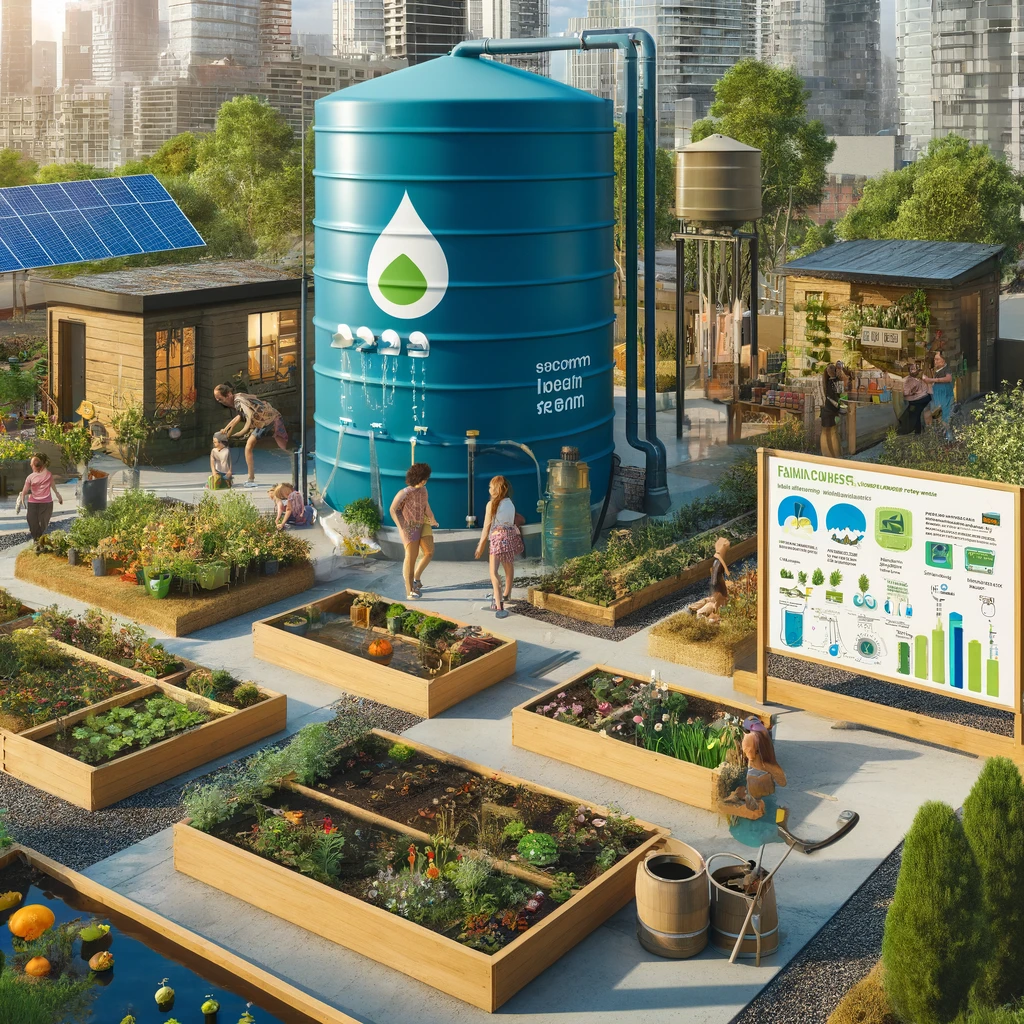
The core components of a greywater system include collection points, filtration units, storage tanks, and distribution networks. The complexity of the system can vary based on the scale and needs of the installation. For instance, a basic greywater system for a household might involve a simple filtration unit and irrigation setup for a garden, while a more advanced system might incorporate multiple filtration stages and automated distribution mechanisms.
Understanding the quality and characteristics of greywater is crucial. Greywater typically contains organic matter, soap residues, and low levels of pathogens. Therefore, effective treatment methods are necessary to ensure that the repurposed water is safe for its intended use. The choice of treatment technology depends on factors such as the source of the greywater, intended reuse, and local environmental regulations.
Planning Greywater Systems for Rural Areas
The successful implementation of greywater systems in rural areas begins with thorough planning. Several factors must be considered to ensure the system’s efficiency, sustainability, and alignment with community needs.
First and foremost, assessing the local water demand and availability is paramount. Conducting a water audit helps determine the volume of greywater that can be generated and repurposed. Additionally, understanding the specific water needs of the community, such as irrigation, household cleaning, or livestock watering, influences the design of the greywater system.
Community involvement plays a crucial role in the planning phase. Engaging with local residents, stakeholders, and authorities fosters a sense of ownership and ensures that the system meets the community’s requirements. Moreover, community education and awareness programs are essential to promote the safe and effective use of greywater.
Site-specific factors, including soil type, topography, and climate, also impact the design and functionality of greywater systems. Conducting soil tests helps determine the soil’s capacity to absorb and filter greywater. Climate conditions influence the choice of plants for greywater irrigation, ensuring that the vegetation thrives in the given environment.
Technological Advancements in Greywater Treatment
Technological advancements have significantly enhanced the efficiency and effectiveness of greywater treatment systems. These innovations address various challenges, such as improving water quality, minimizing maintenance requirements, and optimizing resource utilization.
One notable advancement is the development of compact and modular greywater treatment units. These units integrate multiple treatment stages, including sedimentation, filtration, and disinfection, within a single module. Compact systems are particularly advantageous for rural areas with limited space and infrastructure.
Biological treatment methods, such as constructed wetlands and biofilters, have gained popularity due to their eco-friendly nature. Constructed wetlands mimic natural wetlands’ purification processes, using plants and microorganisms to filter and degrade contaminants. Biofilters, on the other hand, utilize living organisms to break down organic matter and pathogens, resulting in cleaner greywater suitable for reuse.
Automation and smart technology have revolutionized greywater system management. Smart sensors and control systems monitor greywater quality in real-time, optimizing treatment processes and ensuring consistent water quality. Moreover, automation reduces the need for manual intervention, making greywater systems more user-friendly and efficient.
Challenges and Solutions in Rural Settings
While greywater systems offer numerous benefits, their implementation in rural areas is not without challenges. Understanding these challenges and exploring potential solutions is vital for the successful deployment of greywater technologies.
One common challenge is the lack of technical expertise and resources for system installation and maintenance. Training programs and capacity-building initiatives can bridge this gap by equipping local communities with the necessary skills and knowledge. Partnerships with NGOs, government agencies, and private enterprises can also provide support and resources.
Financial constraints often hinder the adoption of greywater systems in rural areas. However, accessing funding from government grants, subsidies, and crowdfunding platforms can alleviate financial burdens. Implementing cost-effective and scalable greywater solutions ensures that even low-income communities can benefit from these technologies.
Ensuring water quality and safety is another critical aspect. Regular monitoring, testing, and maintenance are essential to prevent waterborne diseases and health hazards. Developing guidelines and best practices for greywater use can help communities maintain high standards of water quality.
Real-World Applications and Case Studies
Examining real-world applications and case studies provides valuable insights into the practical aspects of greywater systems in rural areas. These examples highlight the benefits, challenges, and lessons learned from various implementations.
In a remote village in India, a community-based greywater system was implemented to address water shortages and improve agricultural productivity. The system collected greywater from households, treated it using constructed wetlands, and repurposed it for irrigating crops. The result was enhanced soil fertility, increased crop yields, and reduced pressure on freshwater sources.
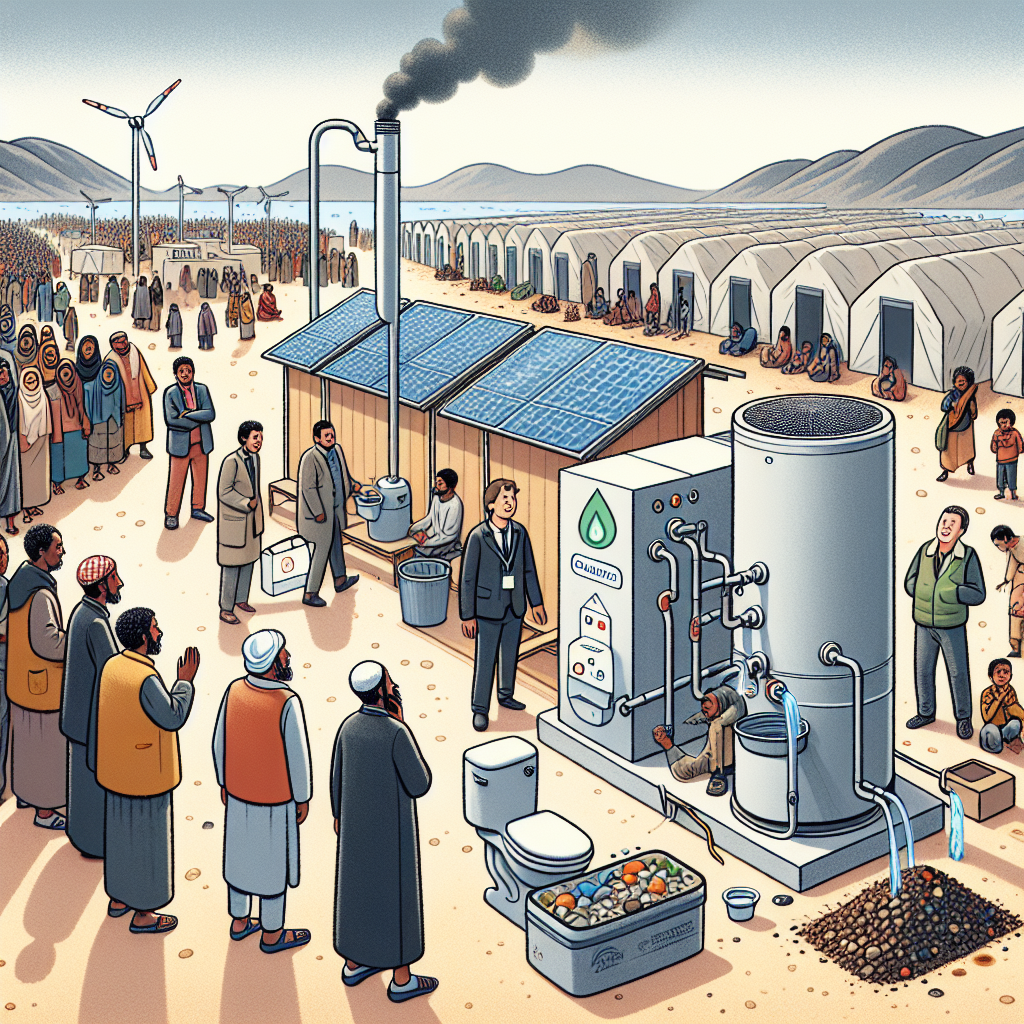
In a rural settlement in Africa, a greywater system was integrated into a school to provide water for sanitation and irrigation. The system featured a dual-stage filtration process and utilized gravity-fed distribution networks. Not only did the system improve hygiene and sanitation at the school, but it also supported a school garden that provided fresh produce for students’ meals.
Another successful case study involves a rural community in Latin America that adopted a decentralized greywater treatment approach. Each household had its own greywater treatment unit, consisting of a simple filtration system and a drip irrigation setup. This decentralized model empowered households to manage their own greywater, promoting self-sufficiency and reducing dependency on centralized infrastructure.
Best Practices for Sustainable Greywater Systems
Implementing sustainable greywater systems requires adherence to best practices that ensure long-term efficiency, safety, and community acceptance. Here are some key best practices to consider:
- Community Engagement: Involve the community in the planning, decision-making, and maintenance processes to foster a sense of ownership and accountability.
- Education and Training: Provide educational programs and training sessions to raise awareness about greywater benefits, treatment methods, and safe usage practices.
- Design Flexibility: Tailor the greywater system design to accommodate local conditions, water needs, and available resources, ensuring scalability and adaptability.
- Regular Monitoring: Implement a robust monitoring and maintenance schedule to ensure consistent water quality and system functionality.
- Innovative Technologies: Leverage advanced treatment technologies and automation to enhance system efficiency, reduce manual intervention, and ensure water safety.
- Cost-Effectiveness: Opt for cost-effective treatment methods and materials to make greywater systems accessible to low-income communities.
- Environmental Considerations: Design greywater systems with minimal environmental impact, ensuring that treated greywater does not harm local ecosystems.
By adhering to these best practices, rural communities can harness the potential of greywater systems to conserve water, enhance agricultural productivity, and promote sustainable development.
Conclusion
Greywater systems present a viable solution for addressing water scarcity and promoting sustainable water management in rural areas. Through effective planning, technological innovation, and community engagement, these systems can deliver substantial benefits, from enhanced water conservation to improved agricultural productivity. By understanding the intricacies of greywater treatment, overcoming implementation challenges, and adhering to best practices, rural communities can unlock the full potential of greywater systems. As we continue to explore and advance EcoSan technologies, let us strive towards a future where every drop of water is valued and utilized efficiently.