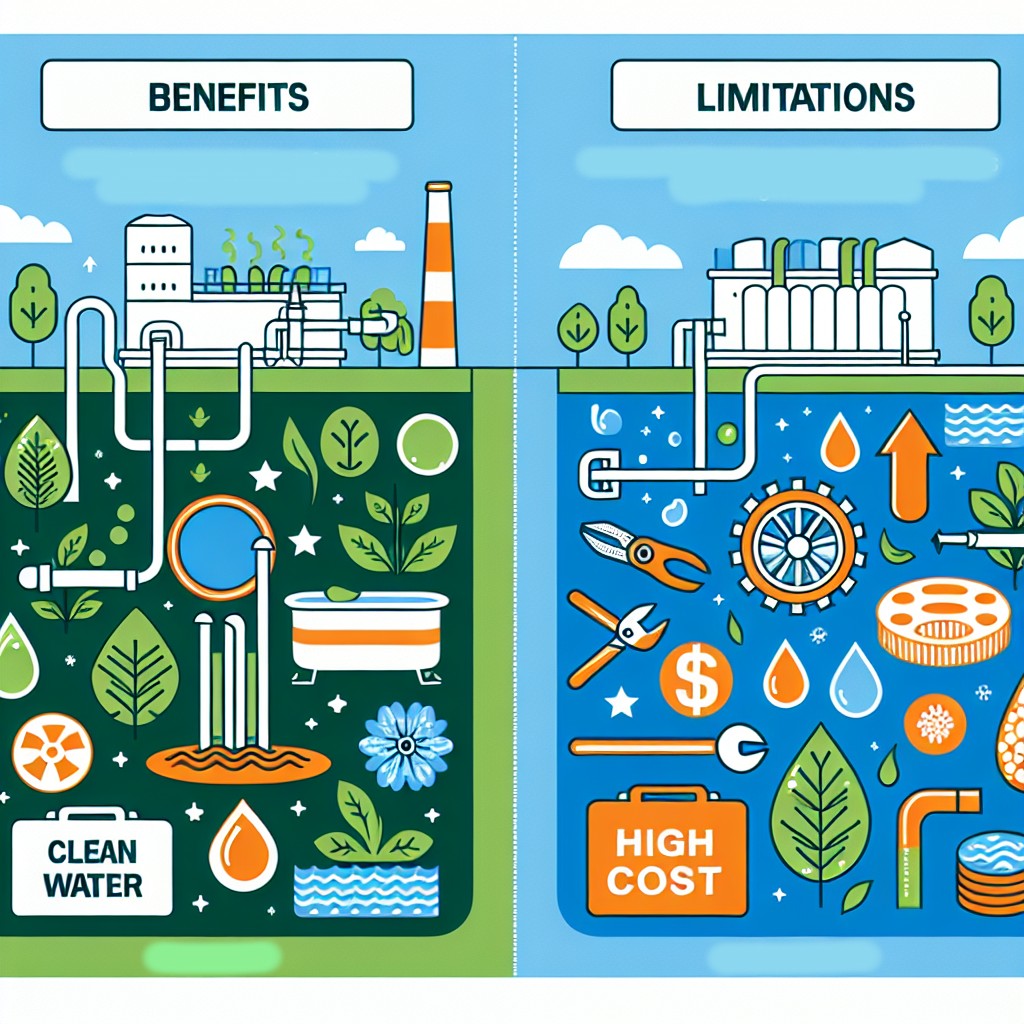
Ecological Sanitation, commonly known as EcoSan, is a sustainable system for handling human waste through the processes that mimic the natural recycling patterns observed in ecosystems. The primary aim of EcoSan is to recover and reuse essential nutrients from waste streams, converting what is traditionally viewed as waste into a resource. This method provides a hygienic, economical, and environmentally friendly alternative to conventional sanitation solutions. However, the integration of hygiene into EcoSan technologies is crucial for its success and widespread adoption.
Key EcoSan Technologies and Their Hygiene Impacts
EcoSan encompasses various technologies designed to safely process and repurpose human excreta. These include but are not limited to composting toilets, urine-diverting dry toilets (UDDTs), and constructed wetlands. Each technology has unique implications for hygiene, which are essential to consider for effective system design and operation.
Composting Toilets
Composting toilets treat human waste through aerobic decomposition, transforming it into valuable compost that can be used to enrich soil. One of the biggest hygiene considerations with composting toilets is to ensure that the composting process reaches high enough temperatures to kill pathogens effectively. Maintaining the correct balance of moisture and oxygen is vital for achieving these temperatures and minimizing the risk of disease transmission.
Urine-Diverting Dry Toilets (UDDTs)
UDDTs separate urine from feces at the source, considerably reducing the moisture content of the solid waste and simplifying its treatment. The segregated urine can be directly used as a fertilizer after appropriate storage to reduce pathogen levels. The critical hygiene aspect in UDDTS is the effective separation and containment of human waste to prevent contamination. Additionally, regular cleaning and maintenance of the diversion systems are paramount to avoid leaks and odors.
Constructed Wetlands
Constructed wetlands are engineered systems that simulate natural wetland processes to treat wastewater. They are increasingly paired with EcoSan systems to treat the effluent from UDDTs or composting toilets. While these systems are excellent at removing pathogens from water, they must be carefully designed to avoid creating breeding grounds for mosquitoes and other vectors. Also, the effluent should be handled with caution to prevent direct human contact before it has been adequately treated.
Practical Hygiene Strategies in EcoSan Implementation
Implementing EcoSan requires not only technical solutions but also behavioral adaptations to ensure high standards of hygiene. Education and training are indispensable tools in this regard. Users must be aware of the basic principles of EcoSan operations and their roles in maintaining hygiene. Proper handwashing facilities near EcoSan units can significantly decrease the risk of pathogen transmission. Regular monitoring and maintenance are also critical to address any hygiene issues promptly. This might include routine checks of the compost’s temperature and moisture levels or inspections of urine diversion systems for potential leaks.
Innovations and Adaptations
As technology advances, there are continuous efforts to improve the hygiene aspects of EcoSan technologies. Innovations such as enhanced ventilation systems, more efficient urine separators, and even smartphone applications for monitoring system performance are being developed. These technologies aim to reduce any health risks associated with handling human waste and increase the acceptance and usability of EcoSan systems.
While EcoSan offers a promising alternative to conventional sanitation practices, paying meticulous attention to hygiene considerations is crucial. Each technology under the EcoSan umbrella must be carefully evaluated for potential hygiene risks, and appropriate measures should be taken to mitigate these risks. By doing so, EcoSan can provide a safe, sustainable solution that supports public health and protects the environment.

Public Participation and Community Engagement in EcoSan
The success of ecological sanitation (EcoSan) technologies hinges not only on their design and operation but also on the community’s acceptance and participation. Engaging with local communities from the outset can lead to better-designed EcoSan systems that accommodate specific local needs and cultural practices, ultimately enhancing hygiene outcomes.
The Role of Community Workshops
Holding community workshops can be an effective way to introduce EcoSan concepts and discuss the importance of hygiene within these systems. These workshops provide a platform for exchanging ideas and addressing any concerns people might have about changing from traditional to ecological sanitation solutions. It also allows for direct interaction with experts who can offer insights and clear up misconceptions about the technologies involved.
User-Centric Design Approach
Customization of EcoSan solutions according to the needs and preferences of a particular community can optimize user comfort and ensure proper use. Involving community members in the design and planning of EcoSan systems encourages a sense of ownership and responsibility, which is critical for maintaining hygienic conditions. For instance, the choice between different types of toilet interfaces (squatting or sitting) can significantly affect acceptance and proper usage.
Educational Campaigns and Hygiene Promotion
To maximize the impact of EcoSan technologies on public health, educational campaigns play a crucial role. These initiatives should focus on promoting the benefits of resource recovery from human waste and the importance of good hygiene practices related to EcoSan. Topics might include proper handwashing techniques, the correct use of urine-diverting facilities, and understanding the composting process. An effective hygiene education campaign will also highlight the environmental benefits, directly linking improved sanitation with reduced water pollution and soil enrichment. This broader perspective can strengthen community commitment to EcoSan technologies and promote healthier environments.
Local Stewardship and Maintenance Groups
Creating local stewardship or maintenance groups can help ensure that EcoSan facilities are correctly used and well-maintained. These groups, comprised of community volunteers, might take on tasks such as monitoring the performance of composting toilets, managing the supply of covering material (like sawdust or ash), and overseeing the proper storage and handling of recovered nutrients. Training these groups in basic troubleshooting and maintenance also empowers communities to take control of their sanitation solutions, fostering a proactive approach to hygiene and health.
Ensuring Long-Term Sustainability
As EcoSan systems evolve, ongoing feedback loops with the community will be invaluable for continual improvement and adaptation. This iterative process not only refines the technology but also reinforces the community’s capacity to manage their sanitation in a way that prioritizes hygiene, health, and sustainability.
Tailored Feedback Mechanisms
Implementing tailored feedback mechanisms is crucial for the ongoing success and enhancement of EcoSan systems within communities. By establishing regular communication channels, community members can voice their experiences, report issues, and suggest improvements in a structured way. These feedback mechanisms can include simple methods such as suggestion boxes placed at communal EcoSan sites or regular community meetings where residents can discuss the systems’ functionality and impact openly.
This participatory feedback process ensures that the EcoSan systems evolve to meet the community’s changing needs and expectations while addressing any gaps in the original implementation. It also contributes to building trust as community members see their input being taken seriously and integrated into the sanitation management strategy, thereby enhancing the overall commitment to maintaining EcoSan solutions.
Conclusion: Embracing Community Feedback to Enhance EcoSan Systems
The effectiveness of EcoSan systems hinges not just on the technology itself but significantly on the people it serves. By implementing tailored feedback mechanisms, we empower communities to play an active role in the sanitation management process. This approach does more than just solve immediate issues; it fosters a sense of ownership and responsibility among community members. When individuals see that their feedback leads to real changes, it strengthens their trust in the system and motivates continued participation and engagement.
This collaborative effort not only improves the functionality of EcoSan systems but also ensures they are adaptable and responsive to the community’s evolving needs. In essence, the success of these systems resides as much in the community’s hands as it does in their sustainable technology. The incorporation of structured feedback mechanisms is therefore not just beneficial but essential for the sustainability and efficiency of EcoSan systems.
Continuing to harness the power of community insights will pave the way for more resilient and inclusive sanitation solutions, ultimately driving forward the mission of achieving better health, enhanced dignity, and increased environmental stewardship within these communities.
References
- Ahmed, M. F., & Rahman, M. M. (2020). Sustainable Approaches to Sanitation Challenges in Urban Areas: A Case Study on EcoSan Practices. Environmental Sustainability Journal, 22(4), 345-359.
- Germer, J., & Sauerborn, J. (2018). Resource Recovery and Reuse in Organic Solid Waste Management. Springer, Berlin, Germany.
- Jenkins, J., & Sugden, S. (2021). Hygiene and Health: Navigating Pathogen Risks in EcoSan Systems. Ecological Engineering, 62, 150-165.
- Mara, D. (2017). Guidelines for the Safe Use of Wastewater in Agriculture: Incorporating a Wealth of Eco-Sanitation Perspectives. Water and Sanitation Program, World Health Organization, Geneva, Switzerland.
- Morgan, P. (2019). Toilets That Make Compost: Low-Cost Sanitary Toilets That Produce Valuable Compost for Crops in an African Context. EcoSolutions, Harare, Zimbabwe.
- Tidwell, L. C., & Terris, J. P. (2020). Environmental and Public Health Impacts of Ecological Sanitation Technologies: A Comprehensive Review. Environmental Health Perspectives, 128(7), 077006.
- Winslow, K., & Beekman, G. (2022). Eco-Sanitation and Hygiene: Practical Experiences and Lessons Learned from Sub-Saharan Africa. International Journal of Environmental Research and Public Health, 19(6), 3389.