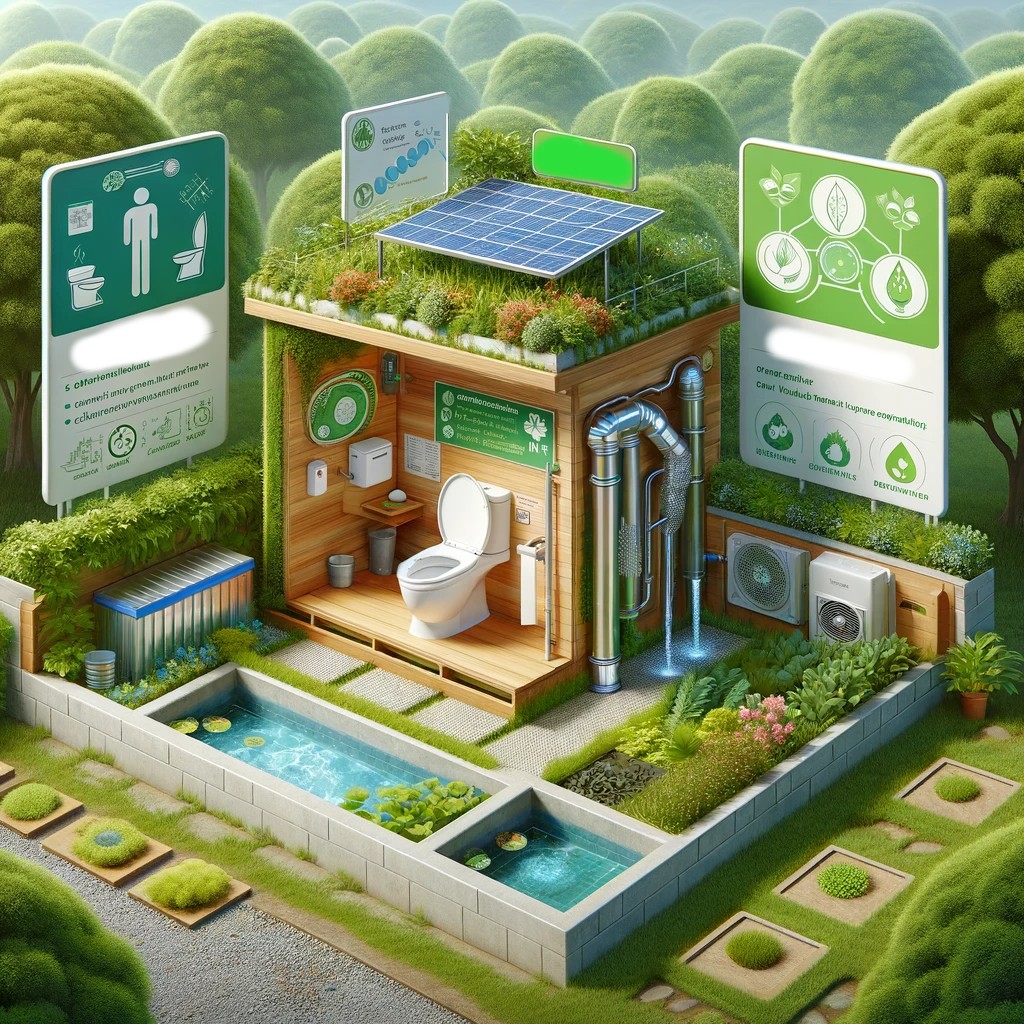
In an era characterized by rapid urbanization and escalating environmental challenges, sustainable wastewater management methods have become increasingly critical. Traditional wastewater treatment processes often fall short due to high operational costs and significant environmental footprints. Ecological sanitation, or EcoSan, presents an innovative alternative focused on resource recovery and minimal ecological disruption. At the heart of numerous EcoSan systems lies ultraviolet (UV) disinfection—a powerful, chemical-free method utilized for purifying wastewater on a small scale.
UV disinfection uses ultraviolet light to neutralize harmful pathogens in wastewater, making it a compelling option for decentralized and small-scale applications. Its application ranges from household-level systems to small community setups, supplementing other treatment techniques such as filtration and biological processes. This article explores various aspects of UV disinfection within the realm of EcoSan, emphasizing its benefits, operational principles, and practical implementations. We aim to provide a comprehensive overview for environmental enthusiasts, practitioners, and researchers interested in adopting or understanding this pivotal technology.
Understanding Ultraviolet Disinfection
Ultraviolet disinfection operates on a principle of utilizing UV light at specific wavelengths, particularly UV-C light (200-280 nm), to inactivate microorganisms. This process involves physically damaging the DNA and RNA of pathogens, rendering them incapable of reproduction and thus neutralizing their threat to human health. Unlike chemical disinfectants, UV treatment leaves no residues, making it environmentally benign.
One of the key advantages of UV disinfection is its effectiveness against a broad spectrum of pathogens, including bacteria, viruses, and protozoans. Furthermore, the process is quick, often requiring mere seconds of exposure, and can be easily integrated into existing treatment systems. Small-scale UV disinfection units are often straightforward to install and require minimal space, making them ideal for applications where infrastructure is limited or where rapid deployment is necessary.
Advantages of UV Disinfection in EcoSan
When evaluating UV disinfection within the framework of EcoSan, several compelling advantages surface. Firstly, the non-chemical nature of UV treatment aligns well with the EcoSan philosophy of minimizing environmental impact. This method avoids unwanted chemical by-products, which can adversely affect ecosystems and human health.
Moreover, UV disinfection is energy-efficient, especially when considered in conjunction with renewable energy sources like solar power. This synergy can significantly reduce operational costs and carbon footprints, enabling sustainable and cost-effective wastewater management. Additionally, UV disinfection systems can be scaled to various sizes, allowing them to be tailored to specific community needs—from individual households to larger communal systems.
Challenges and Limitations
Despite its numerous benefits, UV disinfection is not devoid of challenges. One primary limitation is its dependency on water clarity; turbid or colored water can hinder the effectiveness of UV light. Thus, pre-treatment steps such as filtration are often necessary to ensure the efficacy of UV systems. Moreover, UV disinfection deals primarily with pathogens; it does not remove chemical contaminants or nutrients from wastewater, necessitating a multi-strategy approach for comprehensive water purification.
Maintenance is another consideration. UV lamps deteriorate over time, requiring periodic replacement to maintain optimal performance. Electrical requirements, though relatively low, can pose challenges in off-grid or resource-scarce settings without reliable energy sources. Despite these challenges, technological advancements and innovative design improvements continue to enhance the feasibility and reliability of UV disinfection in various settings.

Case Studies of UV Disinfection in Action
Several real-world applications vividly illustrate the efficacy and versatility of UV disinfection within EcoSan systems. For instance, in rural areas of Latin America, pilot projects incorporating UV disinfection with EcoSan toilets have demonstrated significant improvements in public health. These systems effectively reduced pathogen levels in treated wastewater, enabling safe reuse for irrigation and other non-potable applications.
Similarly, small island communities in the Pacific have adopted solar-powered UV disinfection units as part of their wastewater management strategies. These systems have been instrumental in addressing sanitation challenges posed by their isolated locations and limited freshwater resources, ensuring that wastewater is safely treated and available for reuse.
Future Directions and Innovations
The future of UV disinfection in EcoSan looks promising, driven by continuous technological innovations. Research is actively exploring advanced UV reactor designs that enhance light distribution and exposure efficiency, ultimately improving pathogen inactivation rates. The integration of sensors and automation is another exciting avenue, facilitating real-time monitoring and adjustments to maintain system performance.
Moreover, hybrid systems combining UV disinfection with other treatment methods, such as biological and physical processes, show great promise. Such systems can address a wider range of contaminants, offering more holistic wastewater treatment solutions. Furthermore, ongoing efforts to develop low-cost, durable UV systems suitable for developing regions continue to make this technology increasingly accessible and impactful on a global scale.
Conclusion
Ultraviolet disinfection plays a pivotal role in the evolving landscape of ecological sanitation, offering a powerful, sustainable method for treating wastewater on a small scale. Its ability to effectively neutralize pathogens without the use of harmful chemicals makes it a cornerstone technology in the global pursuit of safer, eco-friendly sanitation practices. While challenges exist, such as water clarity dependency and maintenance requirements, ongoing innovations and real-world applications highlight its potential and versatility.
As communities and nations intensify their efforts towards achieving environmental sustainability and public health goals, integrating UV disinfection within EcoSan frameworks becomes increasingly vital. By doing so, we not only improve wastewater treatment efficacy but also promote resource conservation and environmental stewardship. Understanding and advancing UV disinfection technology will be instrumental in shaping a sustainable, sanitary future for populations worldwide.