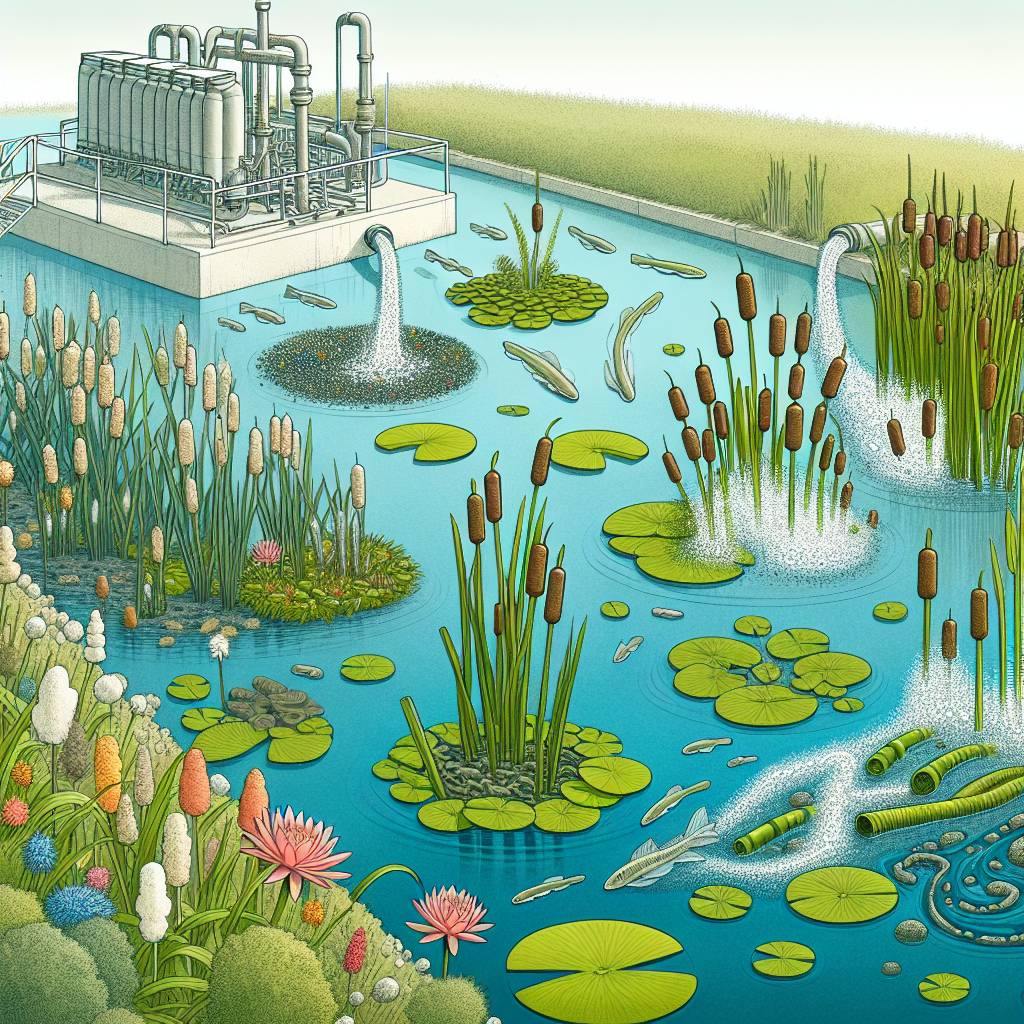
Ecological Sanitation (EcoSan) is emerging as a cutting-edge solution to tackle environmental and public health problems related to waste management. Among the plethora of EcoSan technologies, anaerobic digestion stands out as a powerful method to maximize energy recovery from waste. This technology not only mitigates waste-related issues but also generates biogas, a valuable renewable energy source. Understanding the principles, applications, benefits, and challenges of anaerobic digestion is crucial for harnessing its full potential in promoting sustainable waste management practices. In this article, we’ll delve into the intricacies of anaerobic digestion, how it functions, and how it can be optimized to recover energy efficiently from waste products.
Anaerobic digestion involves breaking down organic matter in an oxygen-free environment, leading to the production of biogas (consisting mainly of methane and carbon dioxide) and digestate, a nutrient-rich substrate. The process can treat various types of organic waste, including agricultural residues, food waste, and sewage sludge. Its ability to convert waste into valuable resources aligns with the principles of a circular economy, making it a desirable component of modern waste management strategies.
The technology of anaerobic digestion is advantageous for communities, municipalities, and industries by providing an avenue to manage waste sustainably while generating renewable energy. Moreover, it significantly reduces greenhouse gas emissions and odor issues commonly associated with waste decomposition. Join us as we explore the fascinating world of anaerobic digestion and its pivotal role in maximizing energy recovery from waste.
What is Anaerobic Digestion?
Anaerobic digestion is a biological process that occurs when microorganisms break down biodegradable material in the absence of oxygen. The process takes place in a sealed, oxygen-free environment, known as an anaerobic digester. These digesters can range in size from small-scale units suitable for individual farms to large industrial facilities capable of processing tons of organic waste daily.
The decomposition process goes through four main stages: hydrolysis, acidogenesis, acetogenesis, and methanogenesis. During hydrolysis, complex organic molecules are broken down into simpler molecules, such as sugars. In the subsequent acidogenic and acetogenic stages, these simple molecules are further broken down into volatile fatty acids, hydrogen, and carbon dioxide. Finally, in the methanogenesis stage, methanogenic bacteria convert these intermediates into biogas, which primarily consists of methane and carbon dioxide.
Biogas produced from anaerobic digestion can be used in various ways. It can be burned directly for cooking and heating, used to generate electricity, or upgraded to biomethane and fed into the natural gas grid. Apart from energy production, the digestate by-product can be used as a fertilizer or soil conditioner, contributing to sustainable agriculture.
Applications of Anaerobic Digestion
The versatility of anaerobic digestion allows it to be applied in multiple settings, providing a sustainable way to handle organic waste and produce renewable energy. Here are some notable applications:
- Agriculture: Farmers can use anaerobic digesters to manage livestock manure, crop residues, and other organic waste. This not only helps in controlling odors and reducing the risk of water pollution but also provides a source of renewable energy for on-farm use.
- Municipal Waste Treatment: Cities and towns can implement anaerobic digestion as part of their waste treatment facilities to handle food waste, yard trimmings, and sewage sludge, thereby reducing landfill dependence and generating biogas to power municipal operations.
- Industrial Waste Processing: Industries, particularly those in the food and beverage sector, generate substantial organic waste. Anaerobic digestion can help manage this waste sustainably while reducing energy costs through biogas production.
- Decentralized Energy Systems: Community-level anaerobic digesters can provide local renewable energy solutions, reducing reliance on traditional fossil fuels and enhancing energy security.
Maximizing Energy Recovery
To enhance the efficiency of anaerobic digestion and maximize energy recovery from waste, several factors must be considered:
- Feedstock Quality: The type and quality of feedstock play a vital role in biogas yield. Co-digestion, the process of combining multiple types of organic waste, can enhance biogas production by providing a balanced nutrient mix for the microorganisms.
- Temperature Control: Anaerobic digestion is temperature-sensitive. Keeping the digester at an optimal temperature range (mesophilic or thermophilic) ensures efficient microbial activity and biogas production.
- pH Balance: The pH level within the digester needs to be monitored and maintained within an optimal range (around 6.5 to 7.5) to prevent the process from becoming too acidic or alkaline, which can inhibit microbial activity.
- Retention Time: The hydraulic retention time (HRT) and solid retention time (SRT) in the digester must be optimized to allow sufficient time for microorganisms to break down the organic matter and maximize biogas production.
Environmental and Economic Benefits
Anaerobic digestion offers several substantial environmental and economic advantages:
- Renewable Energy Production: By converting organic waste into biogas, anaerobic digestion contributes to the generation of renewable energy, reducing the reliance on fossil fuels and lowering greenhouse gas emissions.
- Waste Reduction: Digesting organic waste reduces its volume significantly, thereby decreasing landfill use and mitigating associated environmental hazards, such as leachate formation and landfill gas emissions.
- Odor Control: Anaerobic digestion helps in managing waste odors effectively, making it an attractive option for waste treatment facilities near populated areas.
- Economic Viability: The biogas produced can be either used on-site to reduce energy costs or sold, creating a revenue stream. The digestate can also be sold or utilized locally, providing a further economic benefit.
Challenges and Solutions
Despite its many benefits, anaerobic digestion faces several challenges that need to be addressed to optimize its efficiency:
- Feedstock Supply: Ensuring a steady and consistent supply of suitable feedstock can be challenging. Building partnerships with local industries, farms, and municipalities can help secure a steady feedstock supply.
- Initial Investment: The upfront costs of setting up anaerobic digestion systems can be high. However, financial incentives, subsidies, and favorable loans can mitigate these initial expenditures.
- Technical Expertise: Operating an anaerobic digester requires specialized knowledge and skills. Providing training and technical support to operators can help overcome this barrier.
- Regulatory Hurdles: Compliance with environmental and safety regulations can be complex and time-consuming. Streamlining regulations and providing clear guidelines can help facilitate the adoption of anaerobic digestion technologies.
Future Prospects
As the world shifts towards sustainable development and cleaner energy solutions, the role of anaerobic digestion in waste management and energy production is set to become increasingly significant. Advances in technology and process optimization techniques are expected to improve the efficiency and economic viability of anaerobic digestion systems further.
Emerging trends, such as the integration of anaerobic digestion with other renewable energy systems (e.g., solar and wind) and the use of advanced pre-treatment methods to enhance feedstock biodegradability, hold great promise. Additionally, policy support and favorable regulatory frameworks will play a critical role in driving the adoption of anaerobic digestion technologies worldwide.
Conclusion
Anaerobic digestion stands as a cornerstone of modern ecological sanitation practices, enhancing the sustainability of waste management while tapping into a valuable renewable energy source. Understanding and optimizing the various factors that influence the efficiency of anaerobic digestion is key to maximizing energy recovery and realizing its full potential.
By overcoming challenges related to feedstock supply, initial investment, technical expertise, and regulatory compliance, we can expand the adoption of anaerobic digestion technologies, contributing to a circular economy and a greener future. As technology advances and awareness grows, anaerobic digestion will undoubtedly play an increasingly pivotal role in sustainable waste management and energy production strategies.
We hope this detailed exploration of anaerobic digestion has provided you with a comprehensive understanding of its principles, applications, benefits, and future prospects. Embracing such technologies can pave the way towards a more sustainable and environmentally friendly waste management paradigm.