Introduction to EcoSan and Rainwater Harvesting
Ecological Sanitation (EcoSan) revolves around sustainable and resource-minded approaches to managing human waste and water systems. By emphasizing the recycling and safe use of waste materials as resources rather than discarding them, EcoSan systems offer environmentally friendly and economically viable alternatives to traditional sanitation solutions. A critical component of EcoSan is the integration of rainwater harvesting techniques, which not only bolster water efficiency but also contribute significantly to resource conservation. Rainwater harvesting, within the context of EcoSan, involves collecting and storing rainwater for reuse before it reaches the ground and becomes runoff. This technique is instrumental in reducing dependence on municipal water systems, mitigating flood risks, and enhancing water security. Leveraging this method helps address both sanitation needs and agricultural demands, creating a closed-loop system that maximizes efficiency and sustainability.
Understanding the Basics of Rainwater Harvesting Systems
Rainwater harvesting systems can be simple or complex based on the need and context in which they are implemented. The basic components include catchment areas, conveyance systems, storage facilities, and treatment solutions. The efficiency of harvesting rainwater depends significantly on the design and integration of these components.
Catchment Areas
The catchment area, usually a rooftop or similar surface, is where rainwater is initially collected. The material of the catchment surface plays a crucial role in determining the quality and quantity of the collected water. For instance, smoother surfaces tend to gather cleaner water that requires less filtration.
Conveyance Systems
From the catchment area, water is channeled through gutters and downspouts that make up the conveyance system. These pathways must be designed to prevent leakage and minimize contamination from debris and other external elements. Properly sloped and secured gutters ensure that water flows freely towards storage units without accumulating unwanted materials.
Storage Facilities
Water storage is a critical component of rainwater harvesting systems. Storage options vary from simple barrels to more elaborate tanks and underground reservoirs. These facilities must be properly sealed to prevent contamination and algae growth, ensuring that stored water remains usable for as long as possible.
Treatment Solutions
Before harvested rainwater can be reused, it often requires some level of treatment depending on its intended use. Basic filtration systems may suffice for irrigation purposes, but more sophisticated treatments like UV purification might be necessary for domestic use, especially if the water is to be used for drinking.
Advantages of Integrating Rainwater Harvesting in EcoSan
Integrating rainwater harvesting into EcoSan systems presents numerous benefits. Firstly, it reduces demand on the conventional water supply, thereby conserving precious freshwater resources. It also lessens the impact on local ecosystems from runoff and sewage discharges. In regions where water scarcity is a significant issue, harvested rainwater can be a vital buffer during drought periods, ensuring a steady supply for essential uses. Moreover, rainwater is typically soft water, meaning it has low mineral content. This makes it ideal for agricultural use as it reduces soil salinity and does not lead to mineral buildup on plants. Using rainwater for flushing toilets or washing clothes can also prolong the life of plumbing systems by reducing limescale buildup.
Implementing Rainwater Harvesting in Different Contexts
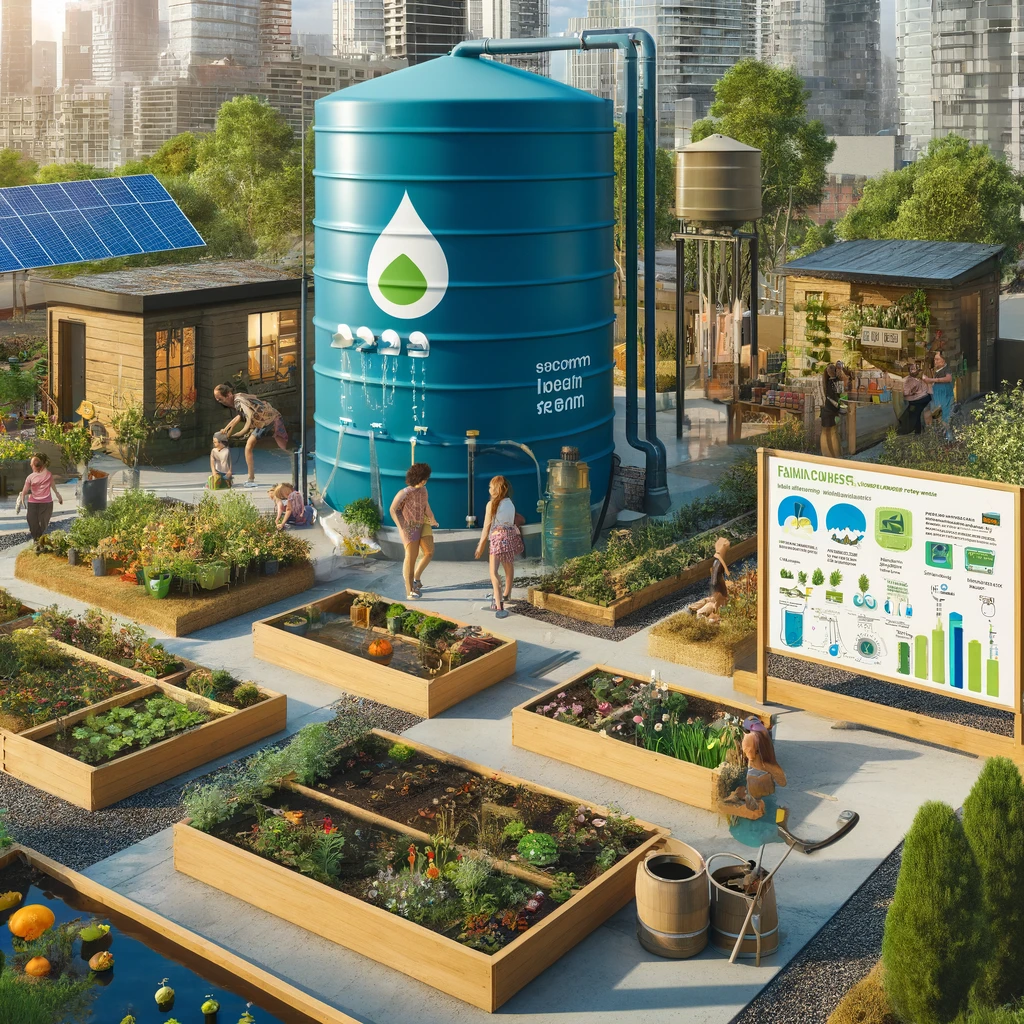
Rainwater harvesting is not a one-size-fits-all solution and must be adapted to meet local conditions and needs. Urban environments, for example, might require compact and hygienic systems that fit limited spaces and ensure that stored water does not become a breeding ground for pests. In rural or remote areas, larger and more robust systems might be necessary to capture and store substantial amounts of rainwater to secure an adequate supply throughout dry seasons. Each implementation also offers an opportunity to educate and engage the community on sustainable water use and sanitation practices, deepening the impact of EcoSan principles. Through workshops, demonstrations, and community-driven management, rainwater harvesting can become a cornerstone of sustainable development. The integration of such systems requires careful planning, community involvement, and ongoing maintenance to ensure their effectiveness and sustainability over time.
Customizing Rainwater Harvesting Systems for Enhanced Efficiency
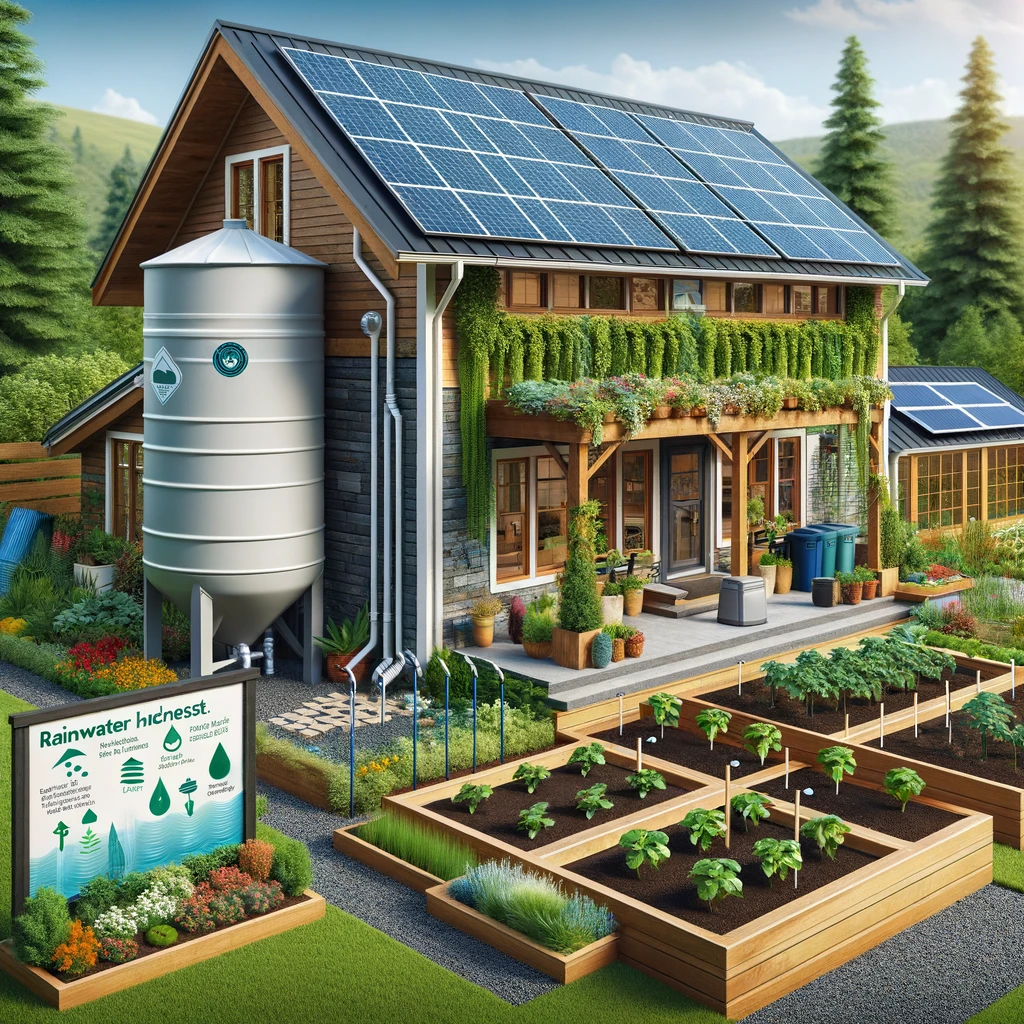
Adapting rainwater harvesting systems to specific environments and user requirements is key to maximizing their effectiveness. These adaptations can range from modifying system components to integrating advanced technologies that cater to unique ecological and social dynamics.
Modular System Designs
One approach to customization is the development of modular rainwater harvesting systems. These systems allow for easy scaling, making it feasible to start with a basic setup and expand as needs grow or budgets allow. For instance, a household might begin with a single rain barrel and later add more barrels or a larger storage tank. Modular systems are particularly beneficial in urban areas where space and financial constraints might limit initial investment in larger systems.
Smart Technology Integration
The incorporation of smart technologies into rainwater harvesting can greatly improve water management and system efficiency. Smart sensors can monitor rainwater levels, usage rates, and water quality, providing valuable data that can inform maintenance schedules and system adjustments. Automated treatment systems can adjust filters or UV lights based on water quality sensors, ensuring that the water is always safe for its intended use. This technology not only simplifies the management of the system but also enhances its reliability and efficiency.
Community-Centered Designs
In community settings, particularly in developing countries, rainwater harvesting systems should be designed with communal needs and capabilities in mind. This might involve larger shared storage facilities or community-operated treatment plants. Such communal systems promote collective responsibility and ensure that all members have access to clean water, even in remote or underserved areas. These systems can also serve as educational hubs, where community members learn about water conservation techniques and EcoSan principles.
Landscape Integration
Integrating rainwater harvesting systems with the landscape can enhance water collection and promote sustainability. Techniques such as rain gardens and permeable pavements can be used to increase the amount of water infiltrating the ground, reducing the burden on storage facilities and aiding in groundwater recharge. These landscape solutions not only aid in water management but also enhance the aesthetic and ecological value of the environment. Implementing tailored rainwater harvesting solutions requires a thoughtful approach that considers the local climate, topography, community needs, and available resources.
By customizing systems to fit these factors, it is possible to optimize the efficiency of water usage and contribute more significantly to sustainable development goals. This adaptive approach ensures that rainwater harvesting remains a viable and effective component of EcoSan across diverse geographical and cultural landscapes.
Eco-Friendly Material Usage
Opting for environmentally friendly materials in the construction of rainwater harvesting systems can significantly reduce the ecological footprint while promoting sustainability. Using recycled materials for storage tanks, such as repurposed barrels or previously used containers, not only cuts down waste but also lowers the cost of the system. Such materials need to be safe and appropriate for storing potable water, especially if the collected rainwater is intended for household use. Moreover, the inclusion of natural filtering systems using biochar, sand, or gravel can effectively purify the collected water in an eco-friendly manner.
These natural filters help remove toxins and improve water quality without the need for chemical treatments, aligning with green building practices. By selecting materials and methods that minimize environmental impact, communities and individuals not only further the sustainability of their rainwater harvesting systems but also contribute to a broader commitment to ecological health and resilience.
Embracing Sustainability Through Innovative Choices
In essence, the adoption of eco-friendly materials in building rainwater harvesting systems offers more than just functional benefits; it extends into a profound contribution towards environmental stewardship. As we integrate recycled containers and natural filtration elements into these systems, we not only reflect a commitment to resource conservation but also foster a cycle of sustainability that resonates with global environmental goals. Such practices underscore the importance of being mindful about the resources we use and their long-term impacts on our planet. By choosing sustainable materials, we do not just cater to immediate needs but also pave the way for future generations to thrive in a healthier ecosystem. This proactive approach in harvesting rainwater reaffirms our responsibility towards Earth and encourages a shift in how communities globally perceive and interact with the environment. Let’s continue to innovate and tread lightly on Earth by adopting more eco-conscious practices in every aspect of our lives. After all, each small step we take is a giant leap towards a sustainable and resilient future.
References
- Amin, M.T., & Han, M.Y. (2016). Rainwater Harvesting for Urban Areas: A Success Story from Gyeonggi, South Korea. Water Resources Management, 30(11), 3773-3780.
- Gardner, T., & Vieritz, A. (2015). Integrating Rainwater Harvesting and Sustainable Technologies into Community Development. International Journal of Environmental Research and Public Health, 12(8), 9475-9487.
- Mwenge Kahinda, J.M., Taigbenu, A.E., & Boroto, J.R. (2010). Domestic rainwater harvesting to improve water supply in rural South Africa. Physics and Chemistry of the Earth, Parts A/B/C, 35(13-14), 760-766.
- Thomas, R., & Martinson, B. (2007). Rainwater Harvesting: A Lifeline for Human Well-Being. UNEP/Stockholm Environment Institute, Nairobi, Kenya.
- United Nations Environment Programme (UNEP) (2015). Guidelines for Social Life Cycle Assessment of Products and Organizations.
- Weaver, R.W., & Santhosh, L. (2008). Guide to Rainwater Harvesting and Utilisation. Ecological Engineering, 33(1), 204-208.