Water scarcity is an increasingly pressing issue in urban areas worldwide. As populations in cities grow, the demand for water intensifies, leading to the exacerbation of what is already a critical environmental concern. Innovative solutions are required to address this problem sustainably, and one such solution that is gaining traction is the implementation of greywater treatment technologies. In this article, we explore the concept of greywater treatment specifically for urban apartments, focusing on its importance, potential methods, and benefits.
Greywater, which refers to the relatively clean wastewater from baths, sinks, washing machines, and other kitchen appliances, comprises a significant portion of domestic wastewater. Unlike blackwater, which includes waste from toilets and requires more intensive treatment processes, greywater is easier to treat and reuse for non-potable purposes such as irrigation and toilet flushing. This reuse can significantly reduce the demand for freshwater and lower the strain on municipal water and sewage systems.
With cities becoming denser and the space for traditional wastewater treatment plants being limited, decentralised greywater treatment systems tailored for urban apartments present a viable alternative. These systems not only promote water conservation but also minimize environmental pollution. As more cities adopt stringent water management policies, innovative greywater treatment systems could play a pivotal role in fostering sustainable urban habitats.
Understanding Greywater and Its Potential
Greywater is the term used to describe wastewater generated from activities such as laundry, dishwashing, and bathing. Despite containing minor impurities, greywater holds great potential as a reusable resource, particularly in urban settings where water consumption rates are elevated. Understanding the composition and potential uses of greywater is crucial for implementing effective treatment systems.
The key components of greywater include soap residues, food particles, hair, and other organic materials. Though not suitable for direct consumption, treated greywater can be reused for various applications. Reusing greywater reduces the overall demand on freshwater sources and prevents overburdening sewage treatment facilities.
Potential reuses for treated greywater in urban apartments include landscape irrigation, flushing toilets, and cleaning purposes. For urban dwellers, the reuse of greywater can lead to significant reductions in water bills and can contribute positively to the environment by lowering water extraction from natural sources.
Moreover, greywater treatment and reuse systems can serve an educational purpose, promoting awareness among residents about their water consumption patterns and encouraging more sustainable practices. It is essential for urban societies to embrace these methods, as they play a vital role in building resilient cities capable of withstanding the challenges of water scarcity.
Modern Technologies for Greywater Treatment
Advancements in technology have paved the way for various methods to treat greywater effectively, even within the limited confines of urban apartments. These technologies aim to treat greywater to a quality appropriate for its intended reuse. Here, we discuss some of the most popular and efficient greywater treatment technologies available today.
1. Membrane Bioreactors (MBR): MBR systems combine biological treatment processes with membrane filtration. They are highly efficient, capable of removing impurities and pathogens from greywater, and producing high-quality effluent suitable for non-potable uses. MBR systems are compact and can be integrated within apartment complexes, making them ideal for urban settings.
2. Constructed Wetlands: Constructed wetlands mimic natural processes to treat greywater. They involve the use of plants and soil microorganisms to filter and degrade pollutants. This technology is environmentally friendly and aesthetically pleasing, although it may require more space compared to other methods. When designed appropriately, constructed wetlands can be integrated into the landscape of apartment complexes.
3. Activated Sludge Systems: These systems involve aerating greywater to promote the growth of beneficial bacteria that break down organic matter. Activated sludge systems are effective and commonly used in urban greywater treatment for their efficiency and ease of maintenance.
4. Advanced Oxidation Processes (AOP): AOPs are a set of chemical treatment procedures designed to remove organic contaminants through oxidation. Technologies such as ultraviolet (UV) radiation, ozonation, and advanced catalytic oxidation can be tailored to treat greywater efficiently, producing high-quality effluent for reuse.
By leveraging these technologies, urban apartments can significantly reduce their reliance on freshwater resources and contribute to a more sustainable urban water cycle.

The Infrastructure for Urban Greywater Systems
The implementation of greywater treatment systems within urban apartments requires strategic planning and infrastructural considerations. Integrating such systems into existing buildings or new constructions involves various factors, including design, installation, maintenance, and regulatory compliance.
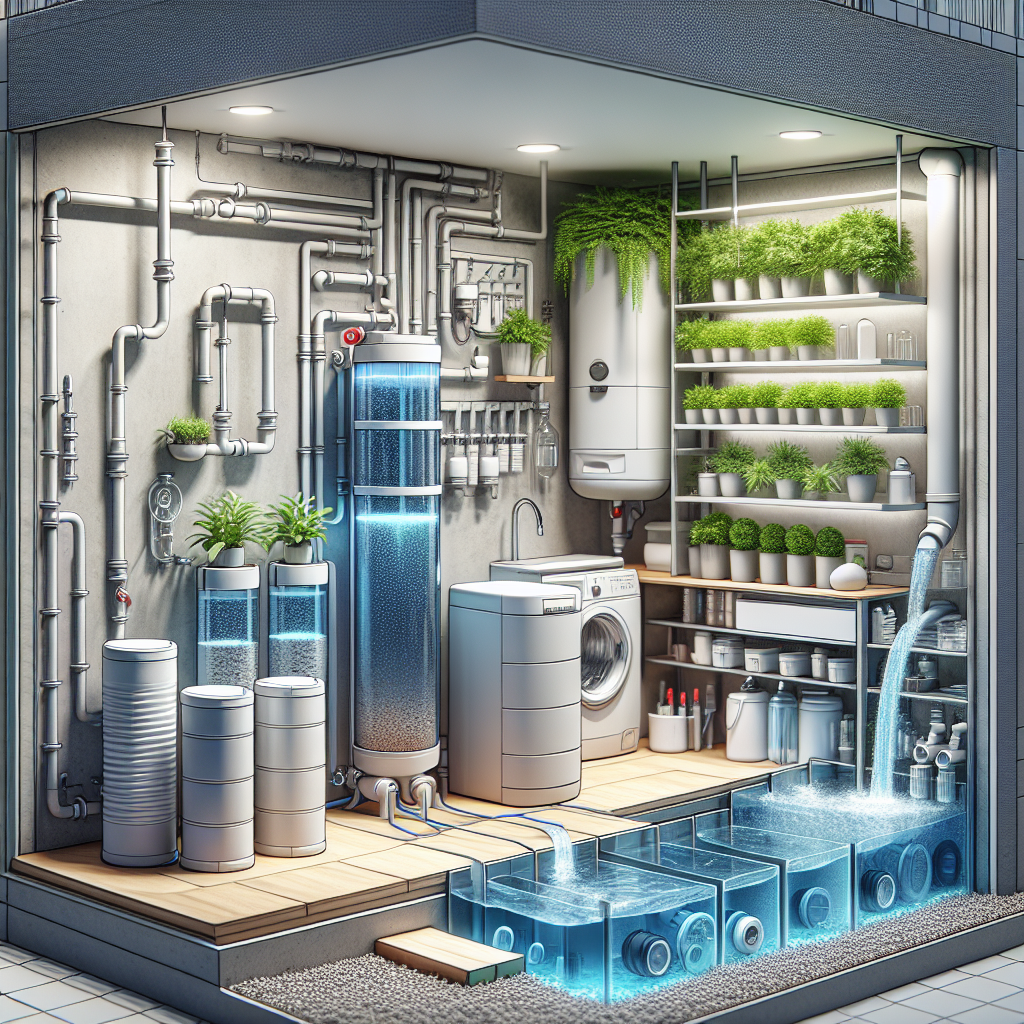
1. Design and Installation: Greywater treatment systems must be designed to fit seamlessly within the architectural and plumbing framework of urban apartments. This involves separating greywater collection points from blackwater sources and designing efficient pipelines to transport greywater to treatment units. Compact designs are particularly beneficial for high-density urban settings.
2. Maintenance Programs: Regular maintenance of greywater systems is crucial to ensure their efficacy and longevity. This includes periodic cleaning of filters, checking for leaks, and monitoring the quality of treated greywater. Apartment management should have comprehensive maintenance plans and trained personnel to keep the systems in optimal condition.
3. Regulatory Compliance: :strong> Implementing greywater recycling systems must adhere to local, state, and national water reuse regulations. Ensuring compliance involves acquiring necessary permits, meeting quality standards for treated greywater, and adhering to guidelines for safe reuse. Collaboration with regulatory bodies can help streamline this process and promote wider adoption of greywater systems.
By addressing these infrastructural considerations, urban apartments can successfully implement greywater treatment systems and contribute to sustainable water resource management.
Environmental and Economic Benefits
The adoption of greywater treatment systems in urban apartments presents numerous environmental and economic benefits, making them a compelling choice for sustainable urban living.
1. Water Conservation: By reusing greywater for non-potable purposes, urban apartments can significantly reduce their demand on freshwater resources. This conserves water, alleviates pressure on local water supplies, and mitigates the impacts of drought and water scarcity.
2. Infrastructure Relief: Greywater treatment reduces the volume of wastewater that needs to be processed by municipal sewage systems. This can prolong the lifespan of existing sewage infrastructure and reduce the necessity for costly expansions.
3. Cost Savings: Residents and management of urban apartments stand to benefit economically from reduced water consumption and sewage fees. Additionally, incentives and rebates from local governments for implementing sustainable water management practices can further enhance cost savings.
4. Environmental Protection: Reusing greywater decreases the discharge of untreated or minimally treated wastewater into natural water bodies, reducing pollution and protecting aquatic ecosystems. Furthermore, greywater reuse promotes the sustainable cycle of water within urban environments.
These benefits underscore the value of greywater treatment systems as an integral component of sustainable urban living, driving the transition towards more responsible and eco-friendly water management practices.
Challenges and Considerations
Despite the clear advantages of greywater treatment systems, several challenges and considerations need to be addressed to ensure their successful implementation in urban apartments.
1. Initial Investment: The upfront costs for designing, installing, and integrating greywater treatment systems can be significant. Investors and apartment management must evaluate long-term savings and environmental benefits to justify the initial expenditure.
2. Public Perception: Acceptance of greywater reuse can be hindered by public misconceptions and reservations about water quality and safety. Comprehensive educational campaigns and transparent communication about the safety and benefits of treated greywater can help improve public perception.
3. Technical Expertise: Implementing and maintaining greywater treatment systems require technical proficiency. Access to skilled professionals and training programs is essential to ensure the effective operation and upkeep of these systems.
4. Policy and Regulation: Variability in regulations across regions can present challenges for standardizing greywater treatment practices. Coordinated efforts among policymakers, industry stakeholders, and environmental agencies are necessary to establish clear and consistent guidelines.
Addressing these challenges through proactive strategies and collaborative efforts will facilitate the broader adoption of greywater treatment systems in urban environments and amplify their positive impact on sustainability.
Conclusion
The integration of greywater treatment systems in urban apartments offers a promising pathway toward achieving sustainable water management in densely populated areas. By harnessing the potential of greywater reuse, urban habitats can significantly reduce their freshwater consumption, mitigate environmental pollution, and enjoy economic benefits.
Innovative technologies and effective infrastructure planning are key to the successful implementation of greywater systems. Addressing associated challenges, including initial investment, public perception, technical expertise, and regulatory compliance, will ensure the long-term viability of these systems and their contributions to urban resilience.
As cities continue to grow and face mounting water scarcity challenges, the adoption of greywater treatment systems represents a crucial step in building sustainable urban futures. By embracing these technologies, urban societies can foster more responsible water management practices, ensuring a healthier and more resilient environment for current and future generations.