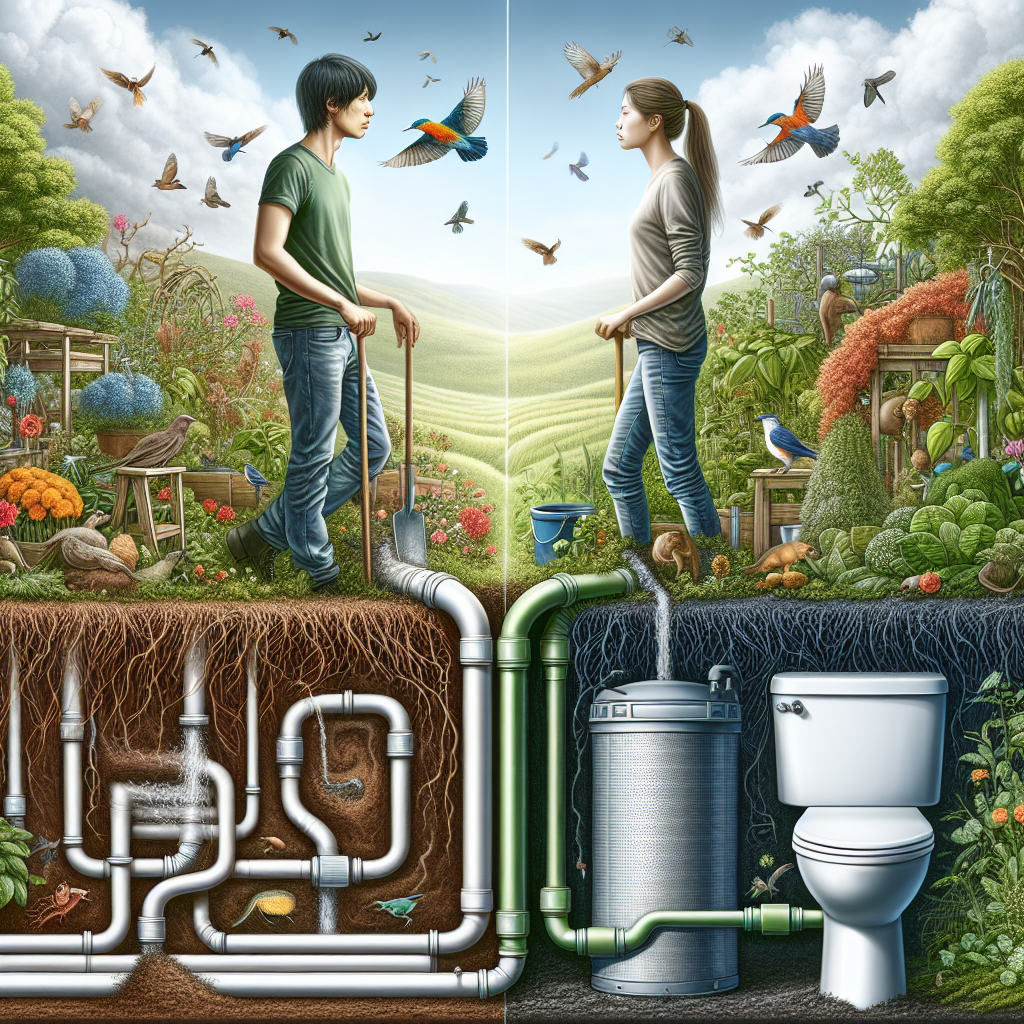
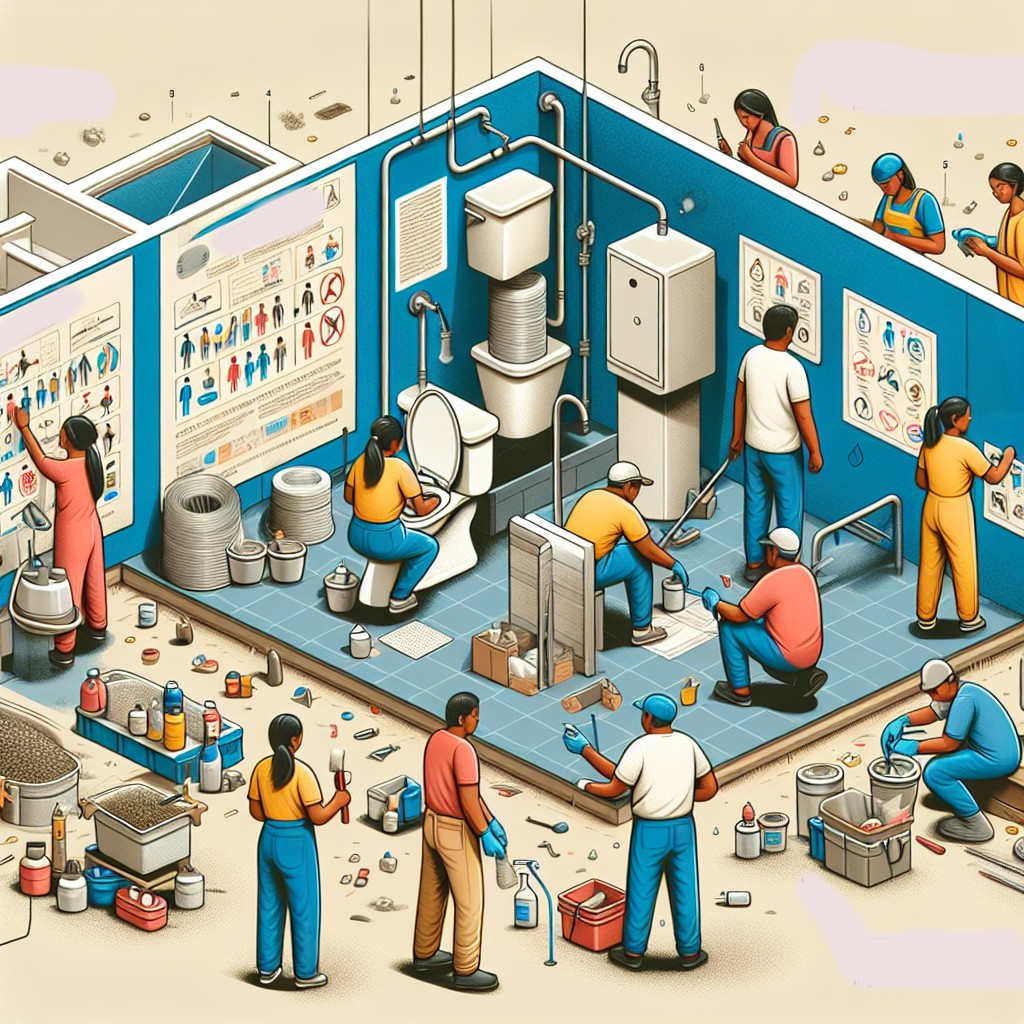
In the quest for sustainable solutions to address the ever-growing environmental concerns associated with wastewater management, reed bed technology has emerged as a pivotal player. Often encompassed under the broad umbrella of Ecological Sanitation (EcoSan), reed beds offer a natural, effective way to treat wastewater without relying heavily on mechanical systems or high energy inputs. This method aligns with the principles of EcoSan by minimizing ecological disruption and recycling waste as a resource.
Understanding Reed Bed Technology
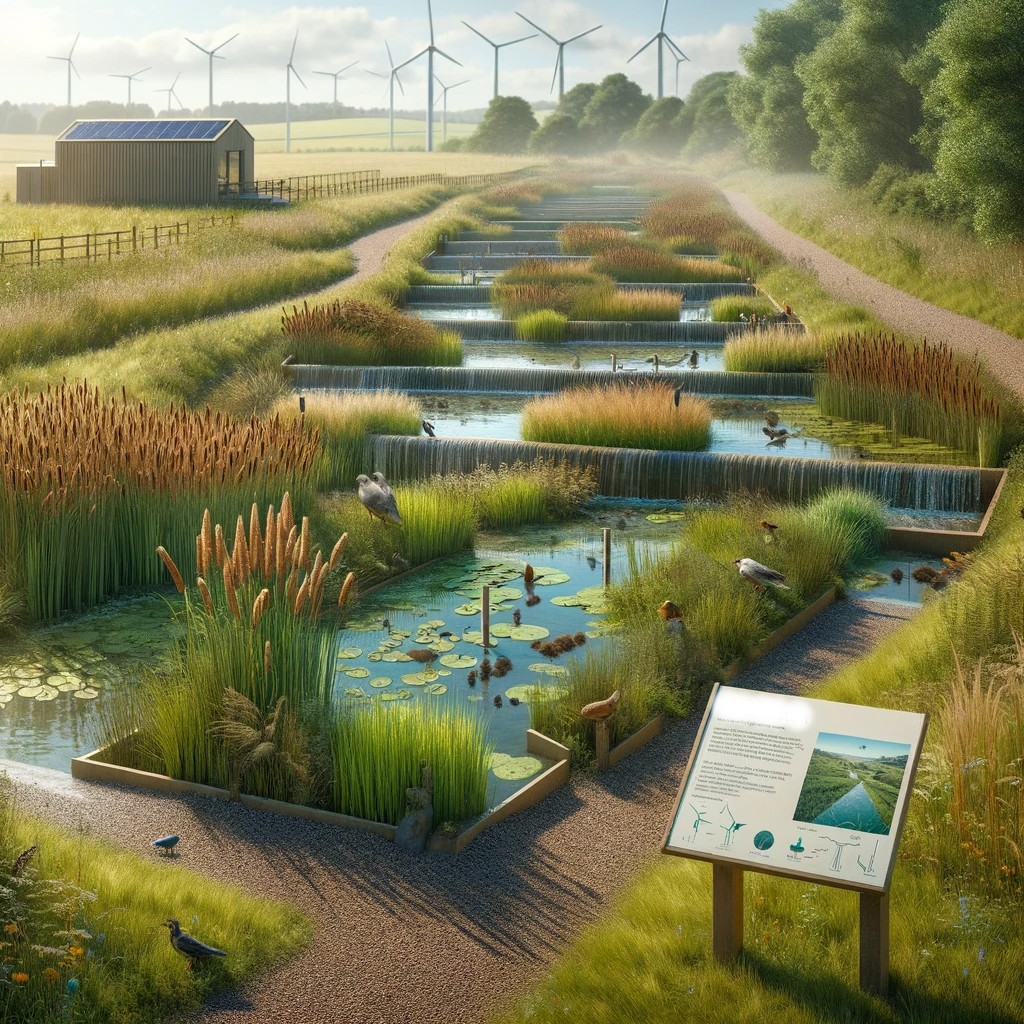
Reed beds, also known as constructed wetlands, are engineered systems designed to simulate the natural water purification processes found in wetlands. By harnessing the natural interactions between water, plants, microorganisms, and soil, reed beds treat wastewater efficiently while contributing positively to the local ecosystem. The core of reed bed technology lies in its simplicity and the symbiotic relationship between the reeds and the microbial communities that thrive in their root zone.
As wastewater flows through the system, it undergoes treatment through various physical, chemical, and biological processes. The plants play a crucial role, not just in uptake of nutrients, which aids in reducing pollution, but also in oxygenating the water and fostering a habitat conducive to diverse microorganisms that break down contaminants.
The Mechanics of Reed Beds
Reed beds are generally categorized into two types based on their water flow characteristics: horizontal and vertical flow systems. Each type is tailored to specific treatment requirements and environmental conditions, affecting everything from the system’s design to its operational strategy.
- Horizontal Flow Reed Beds involve wastewater being fed into the inlet and flowing horizontally through the root zone before exiting the bed. This method is particularly effective for the biological degradation of organic matter.
- Vertical Flow Reed Beds work by periodically loading wastewater on the surface and allowing it to percolate vertically down through the bed. This setup enhances aeration, which is crucial for nitrification and overall more efficient removal of pollutants.
Environmental Benefits
The environmental advantages of using reed beds extend beyond just treating wastewater. These systems can create rich habitats for wildlife, increase biodiversity, and provide aesthetic benefits to an area. Additionally, by mimicking natural wetlands, they play a role in carbon sequestration and can help mitigate the effects of greenhouse gases.
Integrating Reed Beds into EcoSan Approaches
Reed beds seamlessly integrate into broader EcoSan strategies, which aim to recover and reuse resources from waste streams. This capability to transform wastewater into clean water and valuable biomass aligns with sustainable management practices that protect water resources and support circular economy initiatives. In conclusion, reed bed technology not only supports the ecological and economic aspects of sanitation but also advances environmental conservation. As this method gains traction globally, its role in sustainable wastewater management is becoming more vital, reflecting a collective move towards greener, more resilient communities.
Practical Applications and Case Studies
Reed bed systems have been successfully implemented across various parts of the world, showcasing their versatility and effectiveness in different climatic and geographical conditions. From small rural communities to larger urban setups, the application of reed bed technology demonstrates significant improvements in wastewater management while supporting local ecosystems.
Small-Scale Rural Installations
In rural areas, particularly in developing countries, the installation of reed beds provides an economical and low-tech solution for treating domestic wastewater. These systems require minimal maintenance and operational costs, which is crucial for communities with limited financial resources. For instance, in several villages in India, reed beds have been utilized to treat household wastewater, which is then reused for agricultural irrigation, demonstrating a practical loop of resource utilization.
Urban Integration
Urban applications of reed beds often focus on landscape integration and multi-functional land use. Cities like Copenhagen and Amsterdam have incorporated reed bed systems not only to treat municipal wastewater but also to enhance urban biodiversity and provide recreational spaces for residents. These setups often become part of the urban green infrastructure, contributing to flood management and urban heat island effect mitigation.
Industrial Wastewater Treatment
Reed beds are also finding their place in treating more complex wastewater streams such as those from industries. For example, several wineries in France and California use reed beds to process wastewater from wine production. These systems effectively reduce organic matter, nitrogen, and phosphorus levels before releasing the treated water back into the environment or reusing it for irrigation, thereby closing the loop on resource use.
Challenges and Adaptability
While the benefits of reed bed technology are clear, there are challenges that need addressing to enhance its adaptability and efficiency. These include the scaling up of systems to handle large volumes of wastewater, managing the clogging of beds over time, and optimizing the design for colder climates where biological activity slows down. Through ongoing research and innovation, engineers and environmental scientists are continuously working to overcome these hurdles. For example, the introduction of pre-treatment stages and hybrid systems that combine reed beds with other treatment technologies are showing promising results in tackling such challenges.
As more communities and industries recognize the potential of reed beds not just for wastewater treatment but also for enhancing local environments, their integration into sustainable waste management strategies is likely to expand. This growth signifies a move towards more ecological approaches in handling waste, highlighting the role of nature-inspired solutions in modern environmental management practices.
Enhancing Educational and Research Opportunities
The integration of reed bed systems into educational and research institutions has opened new avenues for learning and innovation in environmental science and engineering. Universities and research centers are using these systems as practical tools for teaching sustainable wastewater management practices while conducting cutting-edge research to enhance their efficiency and applicability. For instance, several universities in the United States and Europe have constructed on-campus reed beds that serve not only as functional wastewater treatment facilities but also as live learning laboratories for students.
These practical installations allow students to observe and analyze the complexities of ecological treatment systems in real time, including the dynamics of microbial communities and plant-soil interactions. Such educational projects often lead to improvements in the systems themselves. Students and researchers experiment with different types of vegetation, substrate materials, and configurations to see which combinations yield the most effective treatment results. They also look into the integration of newer technologies like IoT sensors to monitor water quality and system performance constantly, paving the way for smarter, more responsive reed bed systems.
This hands-on approach not only equips students with invaluable practical experience but also contributes to the broader field of environmental engineering by fostering a deeper understanding of sustainable technologies. As these future professionals graduate and enter the field, they carry with them the knowledge and skills to implement, innovate, and improve reed bed systems wherever they go, potentially influencing environmental policy and practices on a global scale.
Conclusion
The burgeoning integration of reed bed systems within academic settings is more than an educational endeavor; it represents a vital frontier in the ecological management of wastewater. By embedding these systems into the fabric of their curriculum, institutions are not merely showcasing a commitment to sustainable practices but are actively participating in the grassroots of environmental innovation. The real-world application of reed beds on campuses does not only demystify complex environmental processes for students but also serves as a crucible for refining these systems through rigorous academic inquiry and experimentation.
The involvement of students and faculty in the iterative process of optimizing reed bed technologies fosters a generation of environmentally conscient typified by a robust practical understanding of sustainable wastewater management. Academic institutions thus become incubators for environmental stewardship, cultivating pioneers equipped to disseminate and implement green technologies across the globe. As these educational initiatives grow and evolve, they have the potential to significantly influence both local and international environmental strategies. Reed bed systems, initially educational tools, could very well become standard components of urban and rural wastewater management, heralding a shift towards more sustainable and resilient environmental infrastructures worldwide. Ultimately, the lessons and advancements gleaned from these academic proving grounds will pave the way for smarter, more sustainable practices that resonate well beyond the confines of the classroom.
References:
- Brix, H. (1997). Do macrophytes play a role in constructed treatment wetlands? Water Science and Technology, 35(5), 11-17.
- Kadlec, R. H., & Wallace, S. (2009). Treatment wetlands. CRC Press.
- Knight, R. L., Payne, V. W. E., Borer, R. E., Clarke Jr, R. A., & Pries, J. H. (2000). Constructed wetlands for livestock wastewater management. Ecological Engineering, 15(1-2), 41-55.
- Vymazal, J. (2007). The use of reed beds in water pollution control: Past, present, and future. Water Air Soil Pollution, 184(1-4), 317-332.
- Vymazal, J., & Kröpfelová, L. (2008). Wastewater treatment in constructed wetlands with horizontal sub-surface flow. Springer Science & Business Media.