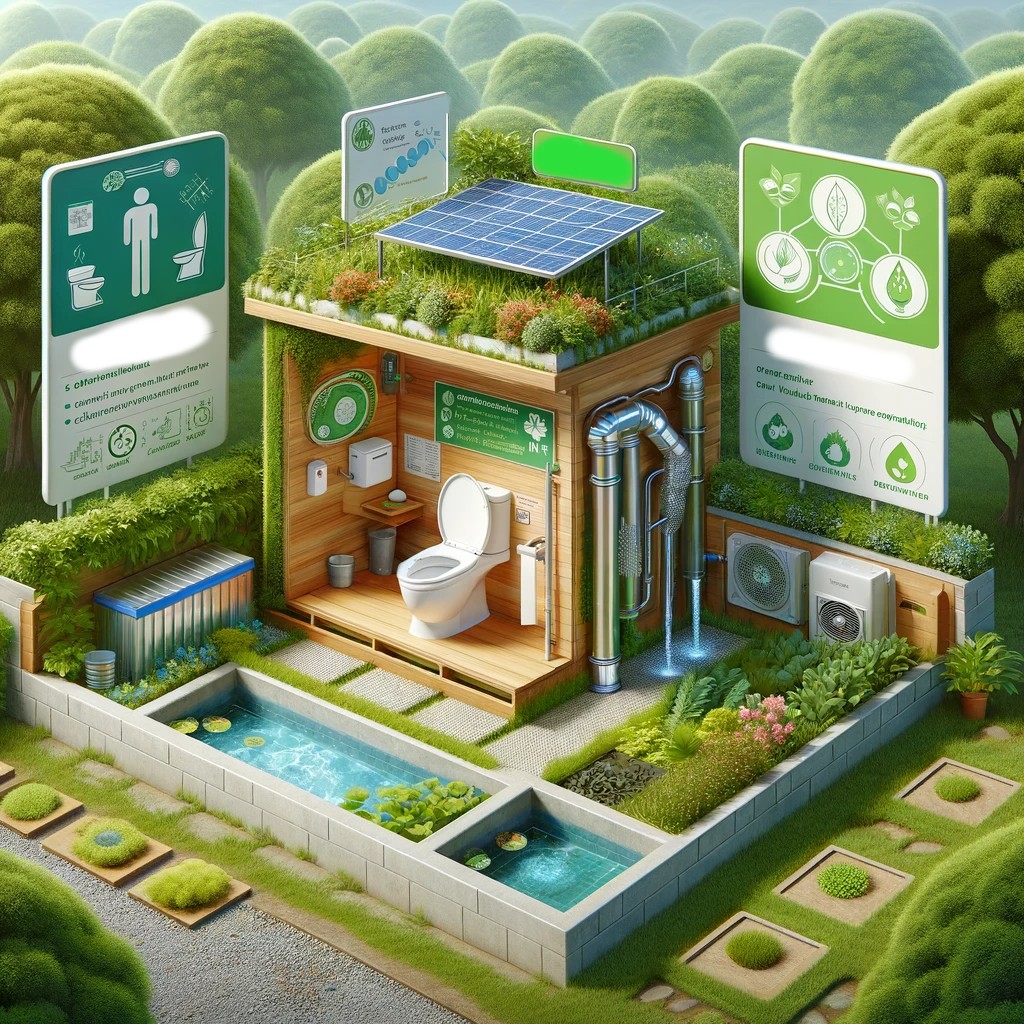
In the quest for sustainable and environmentally friendly wastewater management, the role of algae has surged to the forefront as a promising biological agent. Algal technology in wastewater treatment not only purifies water but also converts pollutants into valuable biomass, providing a dual benefit that could revolutionize our approach to sanitation.
Understanding Algae-Based Wastewater Treatment
Algae, simple photosynthetic organisms, thrive in diverse aquatic environments. This adaptability makes them ideal candidates for treating wastewater. The process leverages the natural ability of algae to photosynthesize—absorbing sunlight, carbon dioxide, and using nutrients from wastewater, primarily nitrogen and phosphorus, to grow. What sets algae apart in the ecological sanitation (EcoSan) sector is their efficiency in nutrient removal.
Traditional wastewater treatment methods often fall short in addressing the rampant issue of eutrophication, where excessive nutrients in bodies of water lead to dense plant growth and the subsequent depletion of oxygen. Algae-based systems, by contrast, naturally consume these excess nutrients, effectively curtailing the risk of eutrophication.
The Algal Treatment Process
The integration of algae into wastewater treatment usually follows a streamlined process:
Initial Harvesting
Wastewater is first introduced into algae ponds or closed photobioreactors, where indigenous or specially cultured algae are waiting. The choice between open ponds and photobioreactors depends on several factors, including climatic conditions, available space, and specific pollutant targets. Open ponds are generally more cost-effective and easier to manage, but closed systems offer more control over environmental conditions and can lead to higher productivity per unit area.
Photosynthesis and Growth
Under optimal light and temperature conditions, algae perform photosynthesis. This process not only helps break down organic pollutants but also transforms inorganic substances such as nitrogen and phosphorus into biomass. The growth phase is critical, as it determines the efficiency of the treatment process.
Biomass Recovery
Once algae have grown sufficiently, the biomass is harvested. This step is crucial as it prevents the overaccumulation of algae in the system, which can lead to diminished light penetration and reduced treatment efficiency. The harvested biomass is not just waste; it’s a resource. It can be processed into biofuels, animal feed, fertilizers, or even high-value chemicals, thereby adding an economic dimension to the wastewater treatment process.
Water Recycling
The final treated water can be recycled for various purposes, including agricultural irrigation, industrial cooling, or even further purification for potable use. The success of this step largely depends on the quality of the treatment and the specific requirements of the recycled water’s end use.
The Benefits of Algae in EcoSan
The use of algae in wastewater treatment presents multiple environmental and economic benefits:
- Sustainability: This method is largely energy selfsufficient as it relies on natural sunlight for photosynthesis. Unlike conventional treatment processes that require significant energy input, algal treatment can reduce the carbon footprint associated with wastewater management.
- Costeffectiveness: The operational costs associated with algal treatment systems are often lower compared to traditional methods, primarily due to the minimal energy requirements and potential revenue from byproducts.
- Resource Recovery: The possibility of converting waste into various byproducts not only helps in waste minimization but also opens up new avenues for resource recovery, aligning with the principles of a circular economy.
The integration of algae into wastewater treatment marks a shift towards more sustainable sanitation solutions. As research progresses and technology advances, the potential of these green powerhouses only expands, promising a cleaner and greener future. While challenges remain in optimizing these systems for wider and more efficient application, the path forward is clear: leveraging natural processes not only for treatment but for the broader benefit of ecosystems and economies alike.
Advancing Algal Technologies: Innovations and Challenges
As interest in algae-based wastewater treatment grows, researchers and engineers are continuously innovating to overcome the practical challenges associated with implementing these systems on a larger scale. One of the most exciting developments in this field is the enhancement of algal strains and photobioreactor designs to increase the efficiency and scalability of these systems.
Genetic Enhancements and Algal Strain Selection
Scientists are delving deep into the genetic makeup of algae to select and possibly modify strains that can thrive in a variety of conditions and more effectively absorb nutrients and pollutants. This research is pivotal, as the ideal algal strain for wastewater treatment needs to possess fast growth rates, high nutrient uptake capacity, and resilience to varying weather conditions and water chemistries.

Photobioreactor Design Improvements
The effectiveness of closed photobioreactors largely depends on their design. Modern advancements have led to the development of more sophisticated reactors that optimize light penetration and reduce the land footprint. These systems are designed to maximize the surface area exposed to sunlight and enhance the mixing of algae, which prevents sedimentation and improves nutrient uptake. Innovative materials and energy-efficient designs are also making photobioreactors more viable for large-scale operations.
Integration with Existing Systems
Integrating algae-based treatment solutions with existing wastewater management systems poses both a challenge and an opportunity. Engineers are working on hybrid systems that combine conventional mechanical and biological treatments with algal technology. This integrative approach helps to manage more extreme variations in wastewater quality and volume, ensuring that treatment remains robust across different conditions.
Navigating Regulatory and Economic Hurdles
One of the major hurdles in the adoption of algal wastewater treatment technologies is navigating the complex landscape of environmental regulations. Additionally, the economic feasibility of scaling up algal systems needs to be demonstrated to attract investment from municipal and industrial stakeholders. Researchers and businesses are therefore focusing not only on technological advancements but also on developing cost-effective business models and securing regulatory approvals. By addressing these challenges and harnessing innovations, algae-based wastewater treatment is poised to make substantial contributions to sustainable water management.
As technology evolves and more is understood about the capabilities and applications of algae, the potential for these systems to transform wastewater treatment continues to grow. The road ahead is promising, with every new development bringing us closer to a sustainable and efficient wastewater management solution.
The Role of Public Awareness and Education
As algal technologies for wastewater treatment evolve, a significant aspect that requires emphasis is public awareness and education. The success of these technologies doesn’t only rely on scientific advancements and regulatory developments but also on public acceptance and support. This involves educating stakeholders, including local communities, policymakers, and industry leaders, about the benefits and potential of algae-based systems.
Public education initiatives can demystify the technology, demonstrating its effectiveness and environmental benefits, such as reduced chemical use and lower carbon emissions compared to conventional treatment methods. Awareness programs can also highlight successful case studies where algal treatment systems have been effectively integrated into community infrastructure, promoting broader acceptance and enthusiasm for such innovations.
By engaging the community through workshops, seminars, and open days at treatment facilities, the industry can foster a sense of ownership and pride in local sustainability efforts. This community engagement is crucial not only for the initial adoption of the technology but also for its long-term success and scalability. Effective communication strategies that underline the economic and environmental value of adopting algal technologies can play a pivotal role in overcoming skepticism and gaining the necessary public and private support.
Empowering Sustainable Futures Through Awareness
In conclusion, educating the public and fostering awareness is arguably as crucial as the scientific development of algae-based wastewater treatment technologies themselves. The journey towards widespread adoption and efficient implementation of these systems begins with a well-informed public. By weaving educational threads through the fabric of communities, we can illuminate the path to environmental stewardship and sustainable technological acceptance. Increasing public knowledge and understanding transforms passive observers into active participants and advocates for sustainable practices.
As people learn about the tangible benefits of algal technologies—from reducing pollutants to conserving water—they become champions of change in their localities. This wave of informed advocacy is essential for securing the political and financial support necessary to scale these technologies from pilot projects to standard practices.
As we look forward, it is imperative that initiatives targeting public education and engagement continue to evolve, becoming more inclusive and interactive. Community-driven projects and educational platforms must not only inform but also inspire action and participation. Through continuous dialogue, community involvement, and transparent sharing of success stories and challenges, we can cultivate a society that embraces innovative solutions for wastewater management, ensuring a cleaner, greener future for generations to come. The role of public awareness and education thus stands as a cornerstone in the grand scheme of ecological management and sustainability. Through these efforts, we can truly harness the full potential of algae-based technologies, steering towards a future where both human progress and environmental health are in tandem.
- Abdel-Raouf, N., Al-Homaidan, A. A., & Ibraheem, I. B. M. (2012). Microalgae and wastewater treatment. Saudi Journal of Biological Sciences, 19(3), 257-275.
- De-Bashan, L. E., & Bashan, Y. (2010). Immobilized microalgae for removing pollutants: Review of practical aspects. Bioresource Technology, 101(6), 1611-1627.
- Muñoz, R., & Guieysse, B. (2006). Algal–bacterial processes for the treatment of hazardous contaminants: A review. Water Research, 40(15), 2799-2815.
- Rawat, I., Kumar, R. R., Mutanda, T., & Bux, F. (2011). Dual role of microalgae: Phycoremediation of domestic wastewater and biomass production for sustainable biofuels production. Applied Energy, 88(10), 3411-3424.
- Wang, L., Min, M., Li, Y., Chen, P., Chen, Y., Liu, Y., Wang, Y., & Ruan, R. (2010).
- Cultivation of green algae Chlorella sp. in different wastewaters from municipal wastewater treatment plant. Applied Biochemistry and Biotechnology, 162(4), 1174-1186.