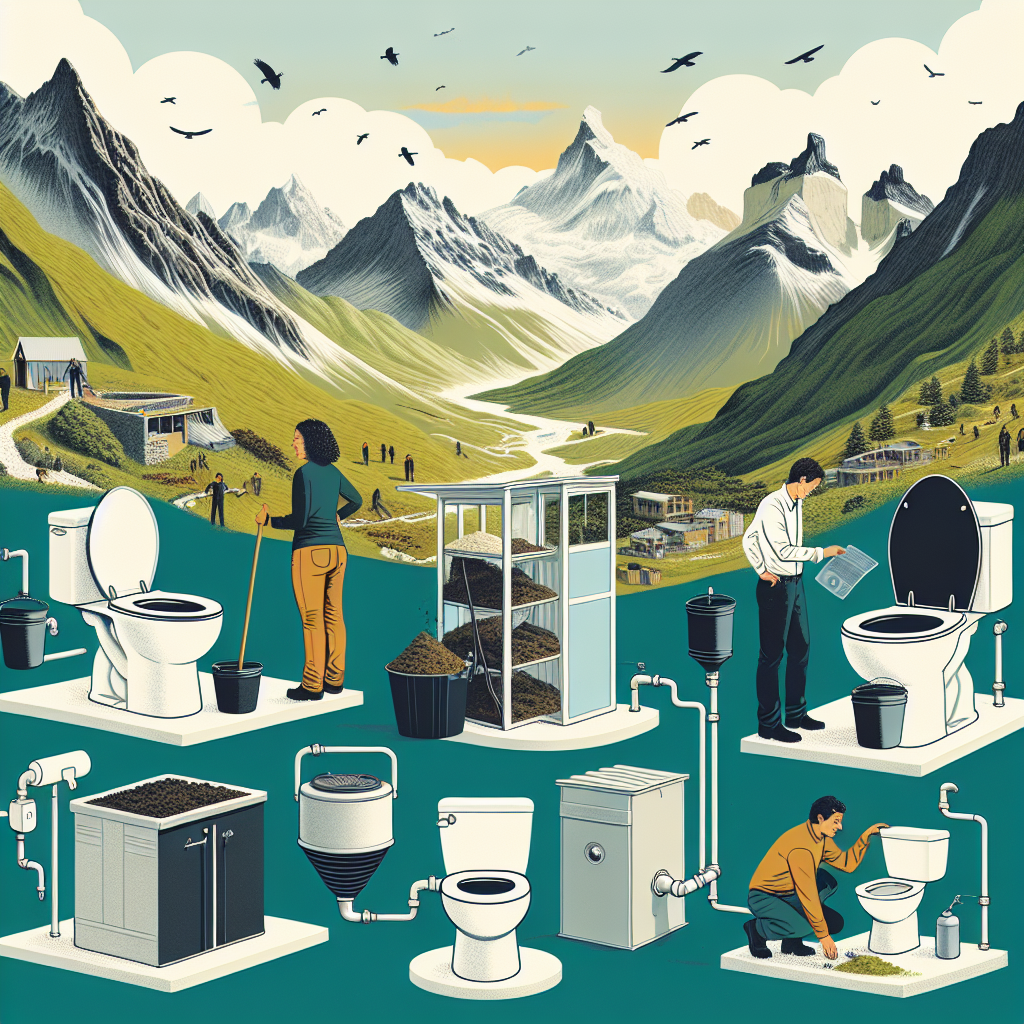
When discussing sustainable practices in managing wastewater, Decentralized Wastewater Treatment Systems (DEWATS) stand out as a robust, eco-friendly solution that can be adapted to a variety of settings, from rural communities to suburban developments. Unlike centralized systems that rely on extensive sewer networks and large-scale treatment facilities, DEWATS are designed to treat wastewater at or near the point of generation. This approach not only reduces the need for complex infrastructure but also minimizes the carbon footprint associated with wastewater management.
Understanding DEWATS
DEWATS are self-contained wastewater treatment frameworks intended primarily for areas where centralized sewage systems are impractical or too costly. This method blends technology and natural processes to manage wastewater effectively, promoting the reuse and recycling of water. It’s a flexible concept, applied globally in various forms depending on local needs and conditions.
Core Technologies Used in DEWATS
The technologies applied in DEWATS vary, but typically include a combination of biological and mechanical components which are carefully selected based on the type and volume of wastewater, as well as the desired quality of treated water. Here’s an overview of some commonly used technologies in DEWATS configurations:
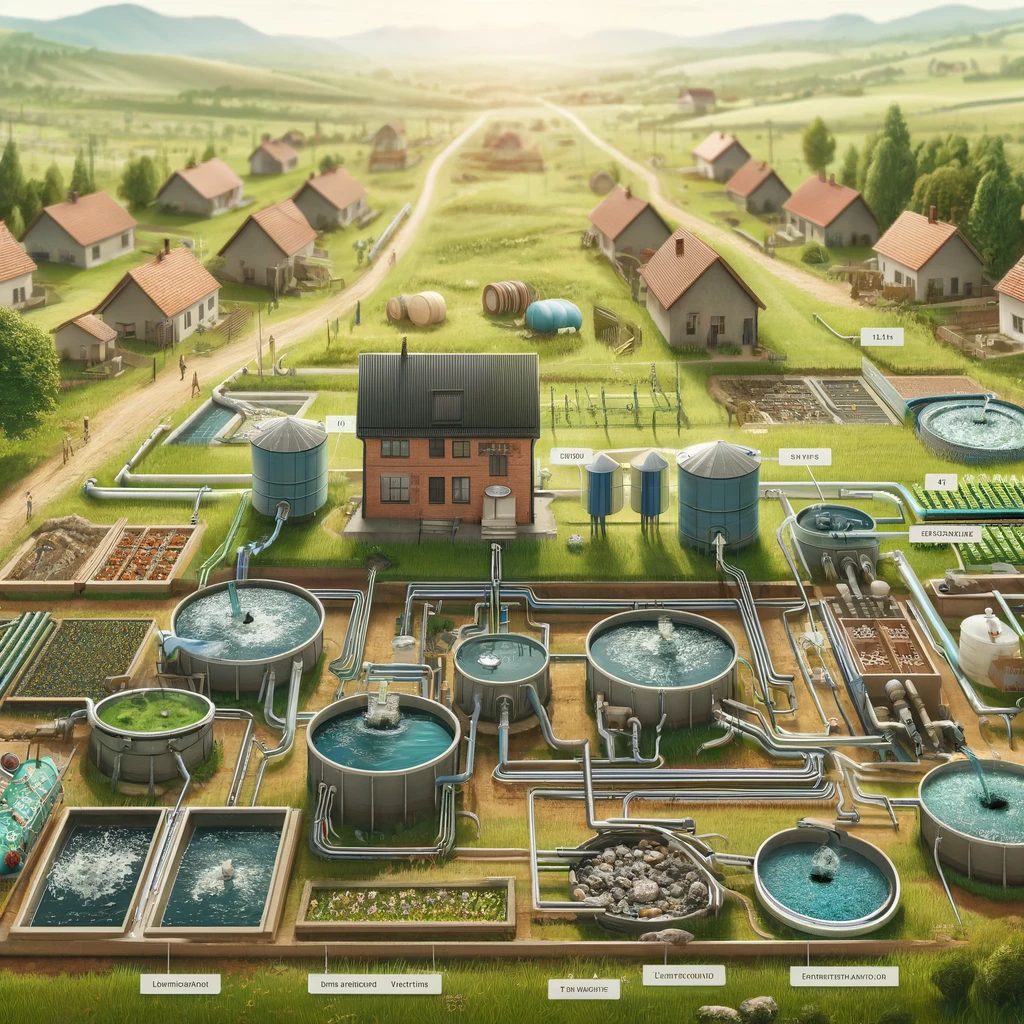
- Biogas plants: Utilizes anaerobic digestion processes where microorganisms break down organic matter in the absence of oxygen, reducing the organic load and producing biogas that can be used as a fuel.
- Baffled reactors: This is an anaerobic treatment unit that allows wastewater to flow through a series of chambers, providing extended interaction time with microbes which facilitates organic decomposition.
- Planted gravel filters: These are often used for secondary treatment, where pretreated wastewater flows through beds of gravel planted with specific types of vegetation that help in absorbing and filtering pollutants.
- Constructed wetlands: Mimicking natural wetlands, these engineered systems use plants, substrate materials, and microbial action to treat wastewater. They are particularly effective for nutrient removal and are aesthetically pleasing as well.
- Septic tanks: Often used in individual or small community setups, these tanks provide preliminary treatment through sedimentation and anaerobic processes.
The Role of Natural Processes
One of the most compelling aspects of DEWATS is its reliance on natural processes to aid in the treatment of wastewater. This not only helps in reducing energy consumption—which is a significant issue in traditional wastewater treatment plants—but also ensures that the treated water is relatively safe for agricultural use or recharging local aquifers. Moreover, by integrating systems like constructed wetlands and planted gravel filters, DEWATS also contribute to local biodiversity and provide green spaces, which are beneficial for community wellness and local wildlife.
Advantages of DEWATS
Embracing DEWATS offers numerous environmental and economic benefits. It significantly cuts down the costs associated with transporting wastewater over long distances to centralized treatment facilities. Moreover, its modular nature allows for scalability — you can start small and expand as demand grows. Energy consumption is another major advantage; DEWATS typically requires less energy than conventional wastewater treatment plants, aligning well with the goals of reducing greenhouse gas emissions and promoting sustainability.
Community Involvement and Sustainability
Another important aspect of DEWATS is enhancing community engagement and responsibility. Since these systems often require active management at the local level, they foster a sense of ownership and awareness about environmental issues among the residents. This can lead to better maintenance of the systems and more conscious wastewater generation behaviors, further amplifying the ecological benefits.
Understanding decentralized wastewater treatment as part of ecological sanitation offers a practical path forward in managing wastewater responsibly and sustainably. With a combination of natural processes and modest technological interventions, DEWATS provide an effective solution adaptable to various geographical and cultural contexts. As communities worldwide continue to grow and the pressure on natural resources increases, decentralized systems like DEWATS not only address the immediate needs of wastewater treatment but also contribute to the broader goal of sustainable living.
Implementation Challenges and Strategies
While DEWATS offers several benefits, its implementation is not without challenges. Variability in wastewater volume and composition, lack of local expertise, and initial capital costs can be significant barriers. Understanding these challenges is key to deploying DEWATS effectively and requires specific strategies to address each hurdle.
Adapting to Local Variabilities
The effectiveness of DEWATS heavily relies on the specific local conditions. Variations in the amount and type of wastewater, influenced by regional lifestyle or industrial activity, can affect the performance of DEWATS technologies. To tackle this, thorough initial assessments and customized design planning are crucial. Engaging local stakeholders during the planning phase helps in tailoring the system to local conditions, which improves the overall effectiveness and sustainability of the treatment system.
Building Expertise and Capacity
Another critical challenge is the lack of local expertise for the proper operation and maintenance of DEWATS. To overcome this, it is essential to incorporate training programs and workshops for local operators and decision-makers. Partnerships with technical experts, vocational training institutions, and ongoing support from DEWATS service providers can establish a knowledge base that empowers local communities. This improves system upkeep and ensures long-term functionality.
Managing Costs and Funding
Initial setup costs for DEWATS can be a deterrent, particularly in economically disadvantaged regions. However, the long-term economic benefits, such as reduced need for infrastructure, lower operational costs, and the potential for resource recovery (e.g., biogas or recycled water), present a compelling case. Securing funding through government subsidies, private-sector partnerships, and international aid can alleviate upfront costs. Additionally, implementing cost-sharing models within communities or public-private partnerships can distribute financial responsibilities and enhance community buy-in.
Regulatory Frameworks and Support
Effective regulatory policies and support from local governments are vital for the widespread adoption of DEWATS. Developing clear guidelines and standards specific to decentralized treatment systems can help streamline approvals and implementation. Furthermore, governments can play a pivotal role by integrating DEWATS into broader water management and urban planning strategies, thus supporting sustainable development goals.
By addressing these challenges through targeted strategies, DEWATS can be more widely adopted, bringing sustainable wastewater management to areas previously underserved by traditional infrastructure. As DEWATS continue to evolve, their integration into global water strategies represents a proactive approach to environmental management and community development, resonating with the universal call for more sustainable practices in every facet of modern living.
Fostering Community Engagement and Awareness
Community involvement is a cornerstone for the successful implementation of DEWATS. As decentralized systems, their success often hinges on the local population’s engagement and willingness to adapt to new technologies. Raising awareness through community meetings, educational programs, and demonstrations can foster a deeper understanding and acceptance of DEWATS. Moreover, active participation in these systems’ planning and maintenance encourages a sense of ownership, which is crucial for their sustained operation and effectiveness. Efforts should be focused on demonstrating the tangible benefits of DEWATS, such as improvements in water quality, public health, and even potential increases in local biodiversity.
By highlighting these positive outcomes, communities can visualize the direct benefits of their investment and cooperation, making the adoption of DEWATS more appealing. Frequent and transparent communication ensures that everyone understands the process and remains committed to the project’s long-term goals.
Conclusion
The journey towards sustainable wastewater management through DEWATS is not just about the installation of systems but equally about cultivating a vibrant, informed community ready to support and advance these initiatives. Engaging local residents in the ongoing conversation about the benefits and functioning of DEWATS turns passive observers into active, empowered participants. Such involvement nurtures a communal ecosystem where every individual feels valued and responsible for the collective well-being of their environment. To truly realize the full potential of DEWATS, communities must come together, sharing experiences and ideas, and embracing these systems as part of their daily lives.
Whether it’s through student-led projects that integrate DEWATS into educational curriculums or local leaders spearheading efforts to monitor and maintain these systems, every action adds a thread to the fabric of community resilience. Remember, sustainable practices thrive on the willingness of the community to adopt and advocate for change. By staying informed, involved, and interconnected, communities can not only enhance their environmental health but also forge a path of sustainability that future generations will inherit and evolve. Respect for water is a reflection of respect for life itself — and with DEWATS, communities are showing that they are ready to lead with innovation and integrity.
References:
- Tilley, E., Ulrich, L., Lüthi, C., Reymond, P., & Zurbrügg, C. (2014). Compendium of Sanitation Systems and Technologies. Swiss Federal Institute of Aquatic Science and Technology (Eawag).
- Gutterer, B., Sasse, L., Panzerbieter, T., & Reckerzügel, T. (2009). Decentralised Wastewater Treatment Systems (DEWATS) and Sanitation in Developing Countries. Water, Engineering and Development Centre (WEDC), Loughborough University.
- Morel, A., & Diener, S. (2006). Decentralized Wastewater Treatment in Developing Countries. Swiss Federal Institute of Aquatic Science and Technology (Eawag).
- Mueller, M. (2005). Essentials of Decentralized Wastewater Management. National Environmental Services Center, West Virginia University.
- Otterpohl, R., Grottker, M., & Lange, J. (1997). “Sustainable Water and Waste Management in Urban Areas”. Water Science and Technology, vol. 35, no. 9, pp. 121-133. – König, K. W. (2000). Decentralised Wastewater Treatment Options and Practices. International Water Association Publishing.
- Direktorat Jenderal Cipta Karya. (2013). Guidelines for Community Based Decentralized Domestic Wastewater Treatment Systems. Ministry of Public Works, Indonesia.
- Asian Development Bank. (2013). Guidelines for the Design and Construction of DEWATS in Developing Countries. Manila: Author.