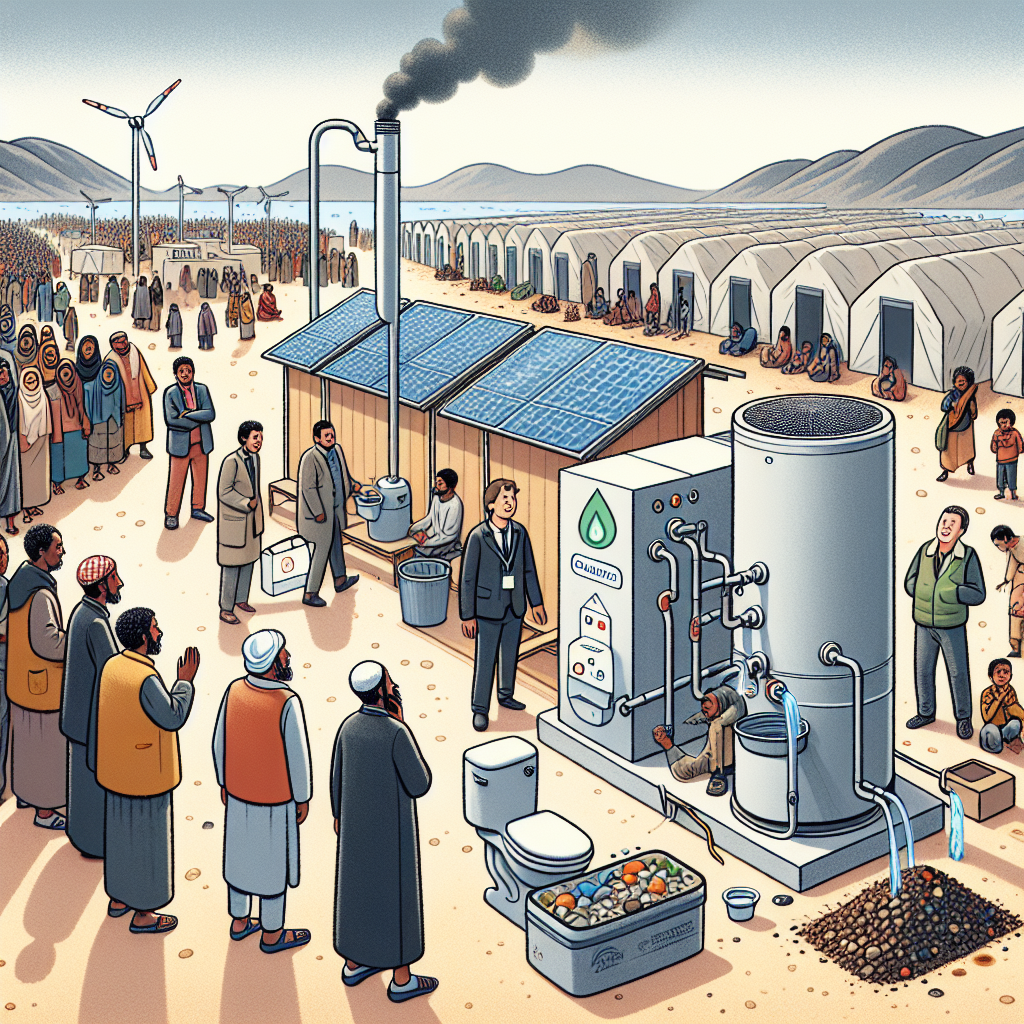
Ecological Sanitation (EcoSan) presents a transformative approach to managing human waste by turning it into a resource rather than a liability. Decentralized sanitation systems, when effectively implemented, can address critical issues of water scarcity, pollution, and agricultural productivity. Despite its profound benefits, EcoSan technologies face numerous technical challenges that must be addressed to optimize their functionality. This article delves into the intricacies of decentralized sanitation systems, examining the prevalent technical challenges and the innovative solutions designed to overcome them.
EcoSan strives to close the nutrient loop by safely recycling human waste into valuable agricultural inputs. However, as with any novel technology, the journey from concept to practical implementation is riddled with obstacles. Infrastructure limitations, user acceptance, and climatic conditions are just a few of the myriad issues that can hinder the successful adoption of EcoSan systems. Through a comprehensive understanding of these obstacles, stakeholders can devise pragmatic strategies to enhance the efficacy and scalability of decentralized sanitation solutions.
Globally, more than 2.5 billion people lack access to improved sanitation facilities, underscoring the pressing need for innovative solutions. EcoSan not only provides an eco-friendly alternative but also promotes sustainable water and nutrient management practices. As we navigate through the various challenges inherent in decentralized sanitation systems, it becomes evident that a multi-faceted approach is essential. This entails collaboration among engineers, environmentalists, policymakers, and local communities to ensure the seamless integration of EcoSan technologies into existing sanitation infrastructures.
The subsequent sections detail specific technical challenges and the advanced insights that guide the evolution of EcoSan technologies. We will explore the issues pertaining to infrastructure design, waste treatment, pathogen inactivation, nutrient recovery, and user engagement. By addressing these key areas, we pave the way for more resilient, efficient, and universally acceptable sanitation solutions.
Infrastructure Design and Implementation
One of the foremost challenges in deploying EcoSan technologies lies in the design and implementation of infrastructure. Traditional sanitation systems are deeply entrenched in centralized models which rely on extensive sewer networks and large-scale treatment plants. Transitioning to decentralized systems involves rethinking the very framework of waste management, from collection to treatment to disposal.
EcoSan systems need to be designed with flexibility to adapt to various geographical and socio-economic contexts. This means developing modular solutions that can be scaled up or down based on the specific needs of a community. For instance, in rural areas with scattered households, smaller, self-sustaining units may be more appropriate, whereas urban settings might benefit from semi-centralized systems that serve multiple dwellings. Such designs require robust planning and an in-depth understanding of local conditions.
Moreover, the physical construction of EcoSan structures can be challenging, particularly in regions with limited access to construction materials and skilled labor. Innovative use of locally available materials and community participation in construction efforts can mitigate some of these hurdles. Collaborating with local artisans and leveraging traditional building techniques can enhance the acceptance and sustainability of EcoSan projects.
Additionally, the integration of EcoSan into existing urban infrastructure poses distinct challenges. Retrofit options need to be carefully considered to ensure compatibility with prevailing systems without causing disruptions. The involvement of urban planners and authorities is crucial in facilitating smooth transitions and ensuring that EcoSan implementations complement the larger urban sanitation framework.
Enhanced Waste Treatment Processes
Effective waste treatment is central to the success of EcoSan systems. Unlike conventional treatment methods that often aim for disposal, EcoSan focuses on transforming waste into safe, usable resources. Achieving this requires innovative treatment processes that can handle varied waste streams while ensuring safety and efficiency.
Composting toilets and urine-diverting dry toilets (UDDTs) are among the popular EcoSan technologies. These systems require precise management of biological processes to decompose waste and eliminate pathogens. Composting, for instance, necessitates maintaining specific moisture and temperature conditions to facilitate microbial activity. Inaccuracies in these parameters can lead to inefficient decomposition and potential health hazards.
Advanced treatment options such as anaerobic digestion and vermicomposting offer promising solutions by accelerating the breakdown of organic matter while producing valuable byproducts like biogas and high-quality compost. However, these processes require meticulous monitoring and control to ensure optimal performance.
Technological advancements such as automated monitoring systems and IoT-based sensors can provide real-time data on process conditions, enabling timely interventions. These innovations enhance the reliability of EcoSan systems and assist in maintaining consistent treatment outcomes.
Moreover, decentralizing the treatment process can alleviate the burden on centralized facilities, reducing the risks associated with system overloads and failures. Localized treatment units can be tailored to handle specific waste characteristics, providing a more efficient and resilient solution to sanitation challenges.
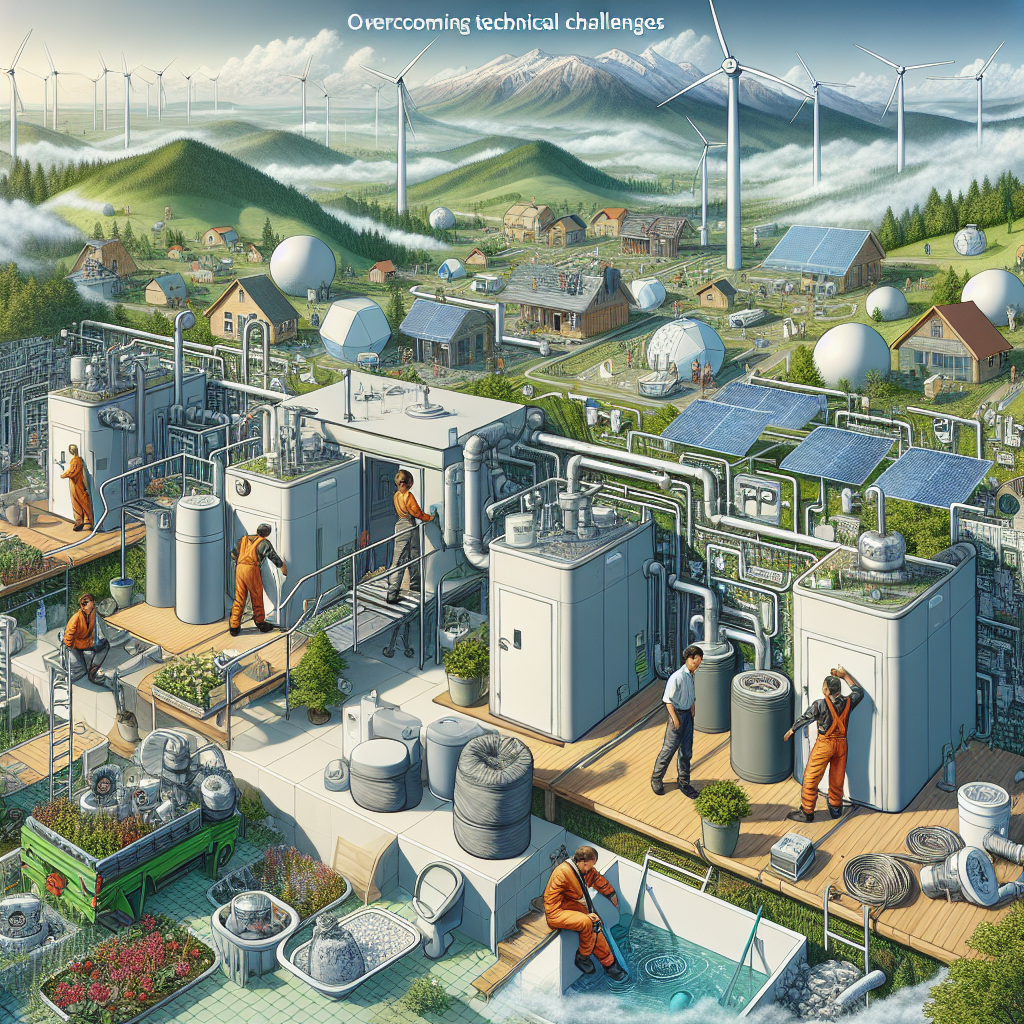
Pathogen Inactivation and Health Safety
Ensuring the complete inactivation of pathogens is a critical aspect of EcoSan systems, given that untreated or partially treated waste poses significant health risks. Pathogen inactivation involves a combination of physical, chemical, and biological processes aimed at rendering harmful microorganisms harmless.
Thermal treatment, such as solar drying and pasteurization, leverages heat to eliminate pathogens. These methods, however, require consistent and adequate energy sources, which may not be readily available in all settings. Alternatively, chemical treatments using lime or ash can effectively neutralize pathogens, but they necessitate careful handling and precise dosing to avoid overuse and environmental contamination.
Biological processes like composting and anaerobic digestion also contribute to pathogen reduction. However, these methods depend heavily on maintaining optimal conditions for microbial activity, which can be challenging in uncontrolled environments. Regular monitoring and adaptive management practices are essential to ensure the efficacy of these biological treatments.
Innovative pathogen reduction technologies, such as biochar incorporation and advanced filtration systems, are emerging as viable options. Biochar, a carbon-rich material derived from organic waste, can absorb and inactivate pathogens, while filtration systems can physically remove microorganisms from liquid waste streams.
Ensuring health safety requires a multi-barrier approach, integrating various treatment methods and protective measures along the sanitation chain. Public health education and training for local operators are equally important to maintain high standards of hygiene and safety throughout the process.
Nutrient Recovery and Utilization
A key advantage of EcoSan systems is the potential for nutrient recovery, converting waste into valuable resources for agriculture. Human waste is rich in nutrients like nitrogen, phosphorus, and potassium, which are essential for plant growth. Efficient recovery and utilization of these nutrients can enhance soil fertility, reduce reliance on chemical fertilizers, and promote sustainable agricultural practices.
Urine diversion and treatment are central to nutrient recovery in EcoSan systems. Urine, which contains a substantial portion of excreted nutrients, can be collected separately and treated to produce a valuable fertilizer. Technologies like struvite precipitation and Bioelectrochemical systems (BES) are effective in recovering nutrients from urine.
Struvite precipitation involves the crystallization of phosphorus and ammonia into struvite (magnesium ammonium phosphate), a slow-release fertilizer. This process not only recovers valuable nutrients but also prevents the clogging of pipes and other infrastructure. BES utilizes microbial fuel cells to recover nutrients, producing energy in the form of electricity as an additional benefit.
Solid waste can be composted to produce nutrient-rich humus, enhancing soil structure and fertility. Vermicomposting, which employs earthworms to decompose organic matter, results in high-quality compost with beneficial microbial activity. These methods, while effective, require proper management and control to ensure the final product is safe for agricultural use.
Collaboration with agricultural sectors and local farmers is crucial for the successful integration of recovered nutrients into farming practices. Training programs and demonstration projects can facilitate knowledge exchange and encourage the adoption of EcoSan-derived fertilizers.
User Engagement and Acceptance
For EcoSan systems to be truly effective, user engagement and acceptance are paramount. Despite the technical merits of EcoSan technologies, they cannot succeed without the active participation and support of the communities they serve. Addressing cultural, social, and behavioral factors is crucial to fostering acceptance and ensuring long-term sustainability.
Education and awareness campaigns play a vital role in changing perceptions and behaviors towards sanitation practices. Informing communities about the benefits of EcoSan, such as improved hygiene, nutrient recovery, and environmental protection, can build positive attitudes and encourage participation. These campaigns should be culturally sensitive and tailored to the local context to resonate with the target audience.
Designing user-friendly systems that are easy to operate and maintain is another critical factor. Complex or cumbersome technologies can deter use and lead to improper handling. Involving end-users in the design and decision-making process can ensure that the solutions meet their needs and preferences, thereby enhancing acceptance and compliance.
Financial incentives and support mechanisms can also encourage the adoption of EcoSan technologies. Subsidies, microloans, and cost-sharing schemes can make these systems more affordable and accessible to low-income communities. Additionally, demonstrating the economic benefits of nutrient recovery and waste-to-resource initiatives can motivate users to invest in and sustain EcoSan practices.
Finally, continuous engagement and capacity-building efforts are needed to maintain user participation and system functionality. Providing training and support for local operators, creating user manuals, and establishing feedback mechanisms can help address challenges and improve the performance of EcoSan systems over time.