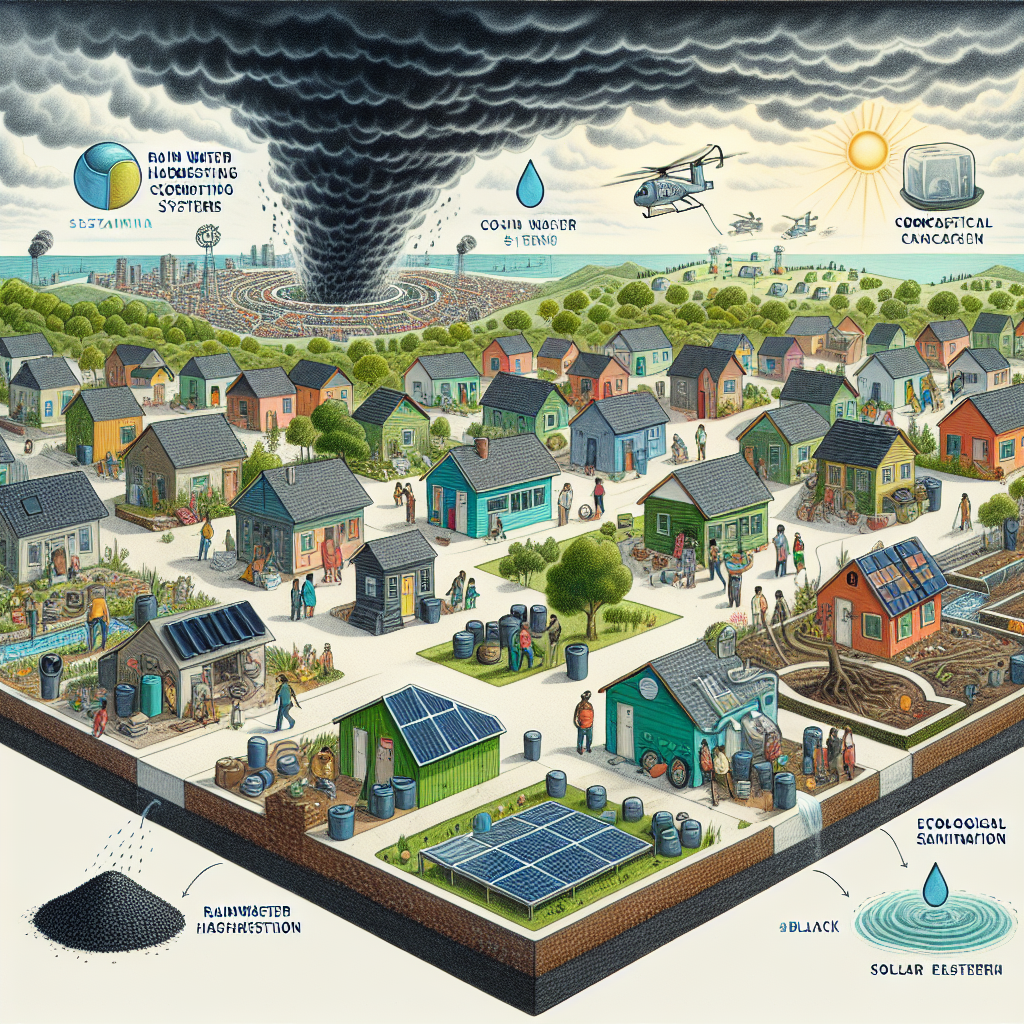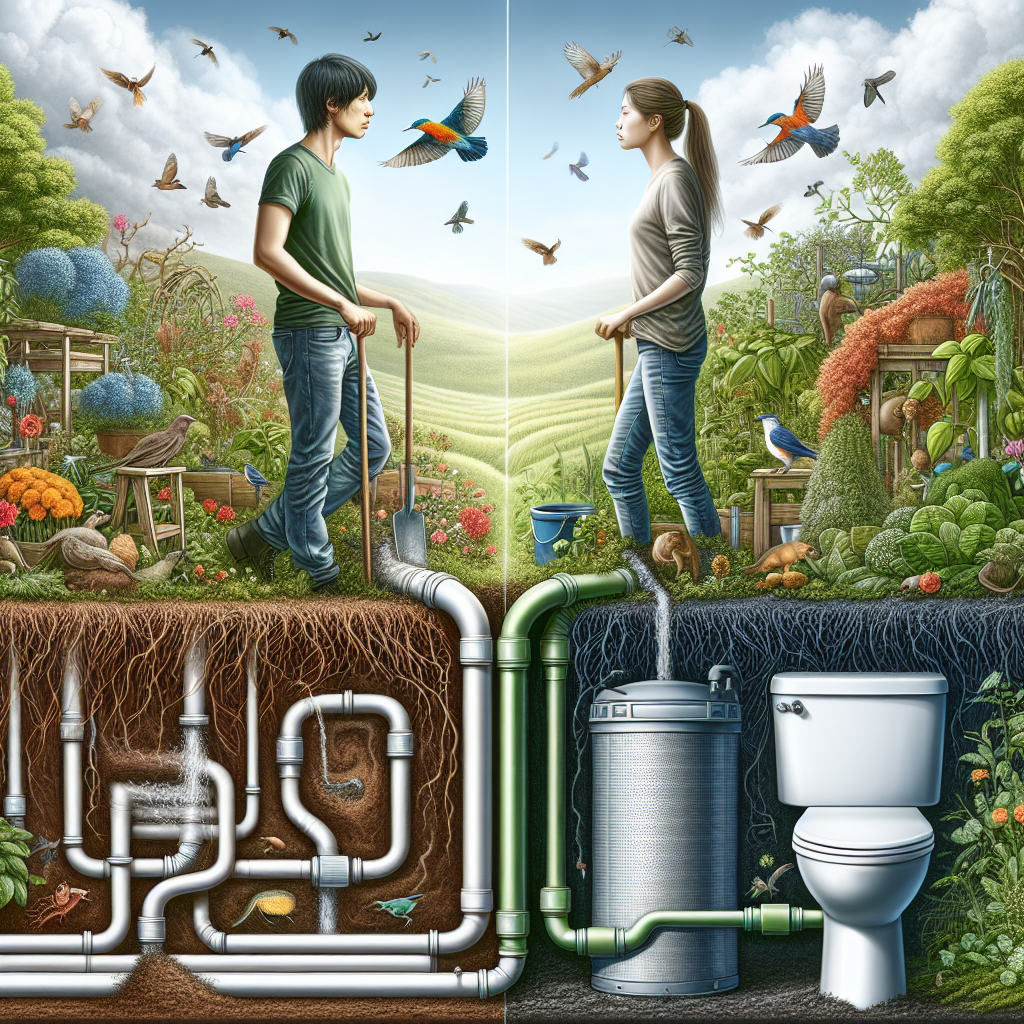
Permaculture is an innovative ecological design system that seeks to nurture sustainable human habitats and agricultural systems by working with natural processes rather than against them. This practice synergizes organically with the principles of Ecological Sanitation (EcoSan), a wastewater management approach focusing on the sustainable reuse of waste. Permaculture and EcoSan both aim to create systems with minimal environmental impact, enhance resource efficiency, and foster ecological balance. As our world’s population continues to grow, the impact of human activities on the environment intensifies. Traditional sanitation methods often lead to significant environmental problems, including soil degradation, water contamination, and resource wastage. Hence, there is a need for sustainable solutions. Integrating EcoSan strategies within permaculture practices offers a robust framework for addressing these issues holistically. This approach not only provides safety and utility but also enriches agricultural productivity and conserves our ecosystems. In this article, we will explore various methods for implementing effective EcoSan within permaculture systems.
Understanding Ecological Sanitation
Ecological Sanitation (EcoSan) fundamentally revolves around the principles of closing nutrient cycles. Traditional waste management systems often merely relocate waste products, frequently leading to water pollution and resource waste. In contrast, EcoSan treats human excreta as a valuable resource rather than waste. The core objective is to recover and recycle nutrients and organic matter from human excreta and wastewater, using them to enhance soil fertility and agricultural productivity. This process involves several steps including the separation of urine and feces, treatment to sanitize and stabilize the waste, and finally, the application of the treated products as soil conditioners or fertilizers. The benefits of this system are multifaceted: reducing reliance on chemical fertilizers, minimizing water pollution, conserving water resources, and recovering valuable nutrients. Several innovative technologies and approaches have been developed to facilitate EcoSan, including composting toilets, urine-diverting dry toilets, and constructed wetlands for wastewater treatment.
Permaculture Principles and their Convergence with EcoSan
Permaculture is grounded in three core ethics: care for the Earth, care for people, and fair share. These principles are mirrored in EcoSan practices, making them naturally complementary. Permaculture emphasizes the creation of closed-loop systems where waste outputs of one process become inputs for another. This approach aligns seamlessly with the nutrient recycling focus of EcoSan. For instance, the permaculture principle of “produce no waste” can be directly implemented through EcoSan systems that recycle human waste into valuable compost or fertilizer. Moreover, permaculture advocates for the creation of diverse, polycultural systems that enhance resilience and self-sufficiency. Similarly, EcoSan promotes resilience by reducing dependency on external inputs such as synthetic fertilizers and minimizing environmental pollution. By integrating EcoSan into permaculture designs, one can foster systems that are not only sustainable but regenerative, boosting soil health and productivity while minimizing environmental footprint.

Innovative EcoSan Methods in Permaculture
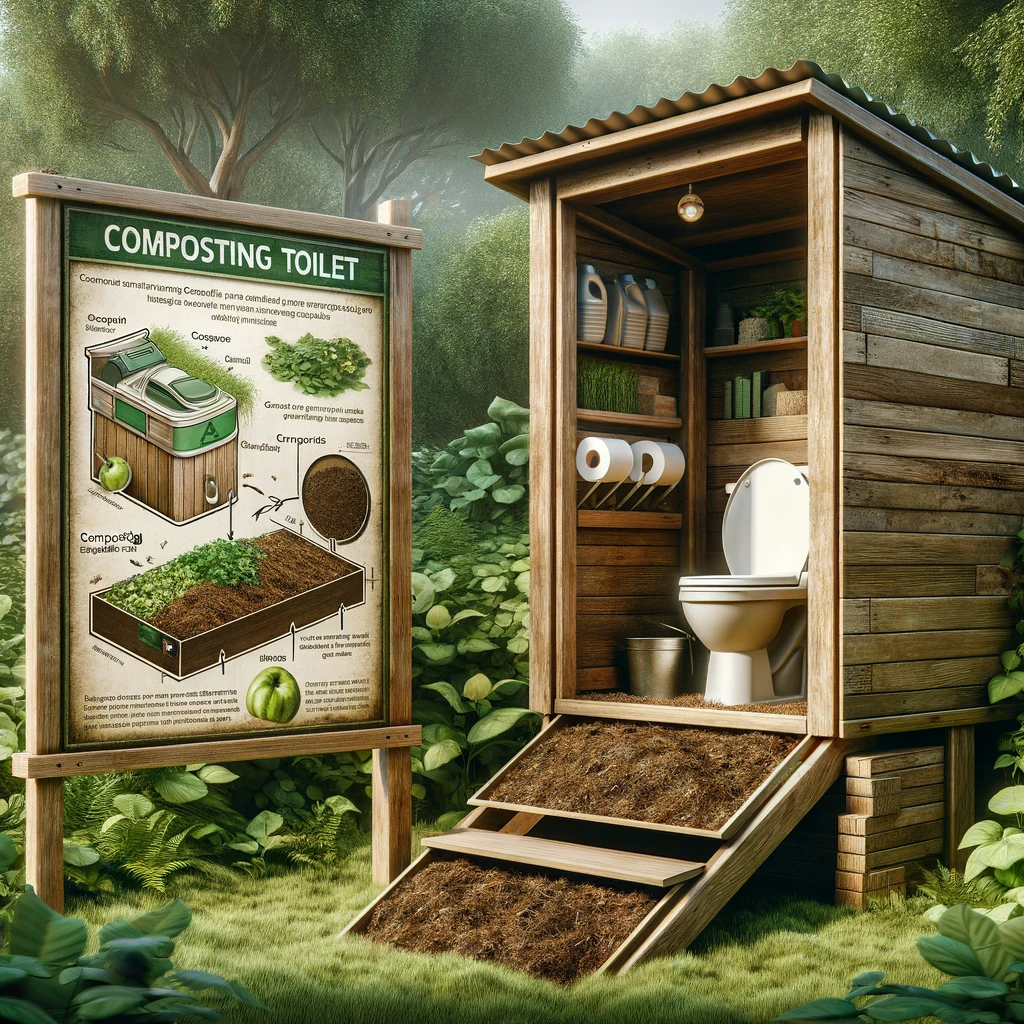
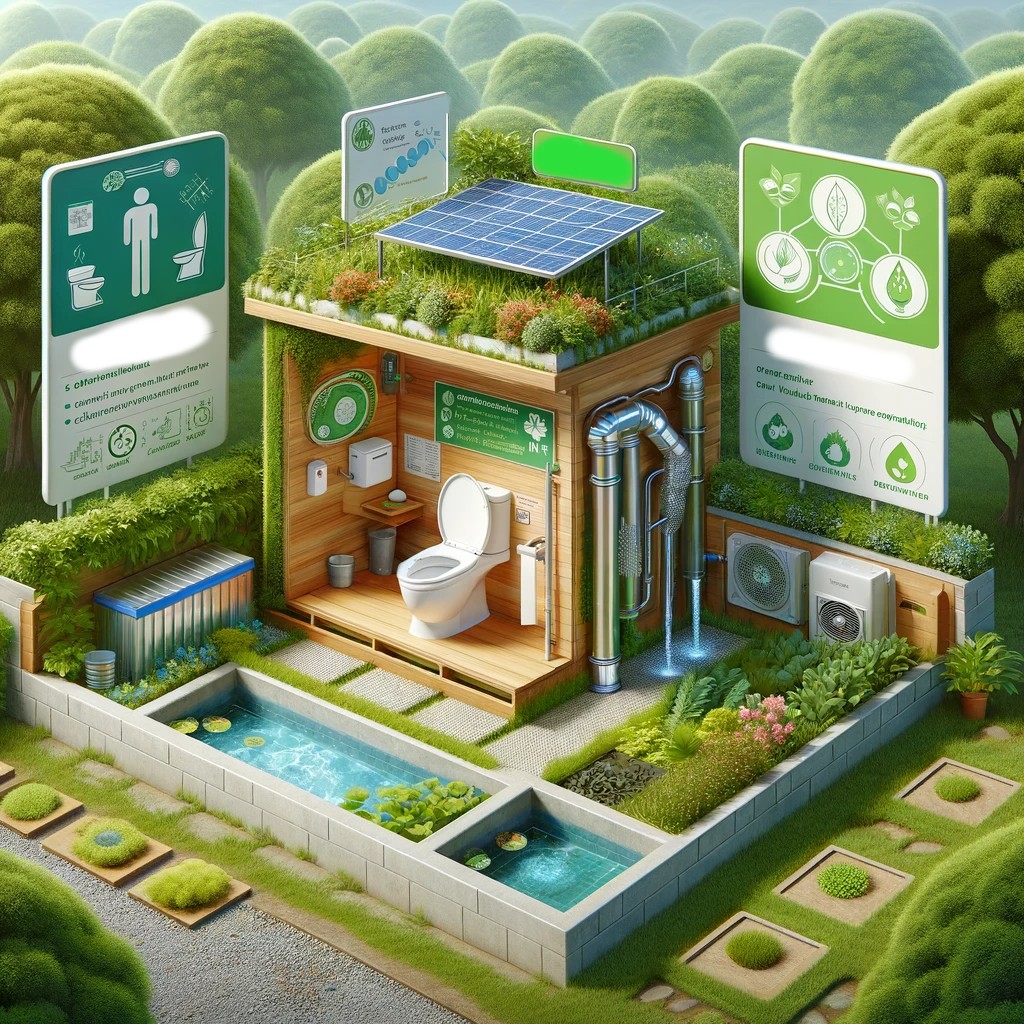
Several innovative EcoSan methods can be integrated into permaculture systems to enhance their sustainability and productivity. Composting toilets are a prominent example. These toilets collect and compost human feces with organic matter like straw or sawdust, producing nutrient-rich compost that can be used to enhance soil fertility. Another effective method is the use of urine-diverting dry toilets (UDDTs), which separate urine and feces. Urine, which is rich in nitrogen, phosphorus, and potassium, can be diluted and applied directly to plants as a liquid fertilizer. Constructed wetlands are another innovative approach, utilizing natural processes to treat wastewater. These systems mimic natural ecosystems, using plants and microorganisms to filter and break down pollutants. The treated water can then be reused for irrigation or other purposes, further closing the nutrient loop. Additionally, integrating animal manure management within permaculture farms can efficiently recycle nutrients and organic matter. By creatively incorporating these EcoSan methods, permaculture practitioners can build highly efficient, sustainable, and productive systems.
Case Studies of EcoSan and Permaculture Integration
Examining case studies where EcoSan methods have been integrated into permaculture systems provides valuable insights and practical examples of successful implementations. One notable example is the Linving Earth Farms in the Philippines, where permaculture techniques and EcoSan systems have been used together to create a sustainable farm. The farm uses composting toilets and greywater systems to treat and reuse human waste and wastewater, enhancing soil fertility and reducing the need for chemical fertilizers. In Ghana, the NGO Sustainable Sanitation Alliance has implemented EcoSan systems in combination with permaculture techniques to improve food security and soil health in rural communities. These examples demonstrate that EcoSan methods can be effectively integrated into diverse permaculture systems, providing sustainable solutions for sanitation, water management, and agriculture.
Challenges and Opportunities in Integrating EcoSan with Permaculture
While the integration of EcoSan methods within permaculture systems presents substantial benefits, there are also challenges to consider. One of the primary challenges is the cultural and social acceptance of using human excreta as a resource. Overcoming societal taboos and educating communities about the benefits of EcoSan is crucial for successful implementation. Additionally, technical challenges such as the design and maintenance of EcoSan systems, particularly in areas with limited resources or technical expertise, can pose obstacles. However, these challenges also present opportunities for innovation and community engagement. By involving local communities in the design and implementation of EcoSan systems, practitioners can ensure that the solutions are culturally appropriate and technically feasible. Furthermore, ongoing research and collaboration among permaculture and sanitation experts can drive the development of new technologies and approaches, enhancing the effectiveness and accessibility of EcoSan systems.
Future Directions for EcoSan and Permaculture
The future of EcoSan and permaculture lies in further innovation, collaboration, and education. As the global population continues to grow and environmental challenges intensify, the need for sustainable solutions will become more pressing. By continuing to develop and refine EcoSan technologies and practices, we can enhance their effectiveness and expand their adoption worldwide. Increased collaboration between permaculture practitioners, sanitation experts, researchers, and policymakers can drive the integration of EcoSan into broader environmental and agricultural policies. Additionally, education and outreach efforts are vital to raising awareness about the benefits of EcoSan and overcoming cultural barriers. By fostering a deeper understanding of the ecological and social benefits of EcoSan, we can inspire more individuals and communities to embrace these sustainable practices. Ultimately, the integration of EcoSan within permaculture systems holds the potential to create a more sustainable and equitable future for all.
Conclusion
In conclusion, the integration of permaculture and EcoSan methods offers a synergistic approach to creating sustainable, self-sufficient, and regenerative systems. By treating human waste as a valuable resource and recycling it within permaculture designs, we can enhance soil fertility, reduce environmental pollution, and conserve resources. This holistic approach not only addresses the pressing challenges of sanitation and waste management but also contributes to food security and ecological balance. While there are challenges to overcome, including cultural barriers and technical limitations, the opportunities for innovation and community engagement are substantial. By continuing to explore, develop, and implement these integrative practices, we can move towards a more sustainable and resilient future. The synergy between permaculture and EcoSan represents a powerful paradigm shift, transforming our approach to sanitation and agriculture in a way that benefits both people and the planet. As we advance these efforts, it is crucial to foster collaboration, education, and ongoing research to ensure the widespread adoption and success of these sustainable practices.