In the quest to find sustainable solutions for sanitation issues worldwide, particularly in areas lacking traditional infrastructure, Ecological Sanitation (EcoSan) has emerged as a revolutionary concept. EcoSan aims to prevent environmental degradation and protect human health by managing human excreta through eco-friendly processes. This method recycles nutrients to promote agriculture and reduces the use of chemicals in sanitation practices.
One of the most fascinating aspects of EcoSan is its utilization of natural processes, particularly the role of plants in treating wastewater. This not only helps in purifying water but also adds aesthetic value and promotes biodiversity. Today, we’re delving into how plants can be integrated into wastewater treatment systems, demonstrating nature’s unparalleled ability to restore balance to ecosystems while serving human needs.
Understanding Phytoremediation
Phytoremediation is a cost-effective plant-based approach to treat contaminants in water and soils. It involves the use of specific plants to absorb, transfer, and contain harmful pollutants from the environment. The application of phytoremediation in EcoSan is primarily focused on enhancing water quality naturally and efficiently. This process not only helps degrade pathogenic compounds found in wastewater but also recycles nutrients, making it doubly beneficial.
The Mechanics Behind Phytoremediation
Plants that are typically used in phytoremediation have a high tolerance to contaminants and can thrive in water-saturated soils. These plants absorb pollutants through their roots and, in some cases, can break down these toxins into less harmful substances through natural metabolic processes. Others may trap and immobilize toxins, preventing them from spreading and further polluting the environment.
Types of Plants Used in Wastewater Treatment
Most commonly, wetland plants are used for phytoremediation because they are naturally equipped to grow in aquatic environments. Some of the popular plants include:
- Cattails (Typha spp.): Known for their efficiency in absorbing both organic and inorganic pollutants.
- Reeds (Phragmites australis): Widely used due to their high tolerance and ability to improve sedimentation.
- Duckweed (Lemna minor): Effective in removing nitrogen and phosphorous and easy to harvest.
- Water Hyacinths (Eichhornia crassipes): Though invasive, they are extremely efficient at absorbing heavy metals and other pollutants.
As researchers and practitioners in the field of ecological sanitation continue to explore and refine these methods, the potential for widespread application looks increasingly promising. This natural treatment method not only aligns with global sustainability goals but also presents a practical solution for remote and underserved communities, making it a vital component of future sanitation infrastructure.
Practical Implementation and Challenges of Phytoremediation in EcoSan
When integrating plants into wastewater treatment, practical implementation plays a crucial role in ensuring effectiveness. This involves not only selecting the right types of plants but also designing systems that can accommodate and maximize their natural purifying capabilities. The success of such systems often hinges on local environmental conditions and the specific characteristics of the wastewater.
Designing Effective Phytoremediation Systems
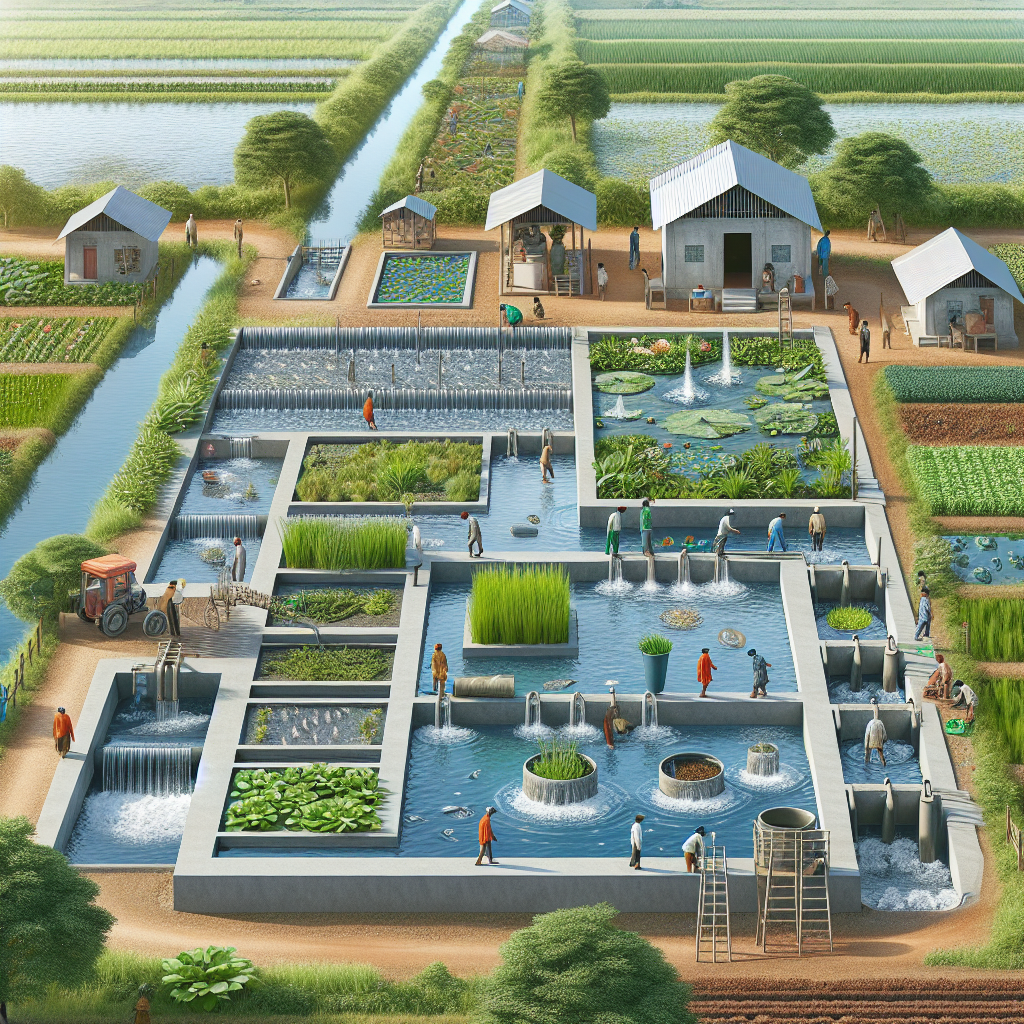
Creating an effective phytoremediation system usually starts with a thorough analysis of the site and the contaminants present in the wastewater. Engineers and environmental scientists work together to configure systems where water flows through a series of natural and constructed wetlands or other plant-based treatments setups. These systems are designed to maximize contact time between the water and the plants, enhancing the absorption and breakdown of pollutants.
Scalability and Adaptability
One significant advantage of using plants for wastewater treatment is scalability. Systems can be designed for small-scale rural homes or larger community-based installations. Adaptability also plays a critical role, as the same principles can be tailored to different climates and local environments, from tropical regions where water hyacinths thrive to temperate zones suitable for reeds and cattails.
Addressing Challenges
Despite its many benefits, phytoremediation comes with challenges that must be managed to optimize its application in EcoSan. One major issue is the management of biomass – the plants must be harvested regularly to prevent decay in the system, which can lead to reduced treatment efficiency and potential health risks. Additionally, while phytoremediation is effective against many types of pollutants, it may not be as effective for all contaminants, such as certain heavy metals and synthetic chemicals, which might still require secondary treatment methods.
Environmental and Economic Impacts
Using plants for wastewater treatment not only supports environmental sustainability but also has the potential to provide economic benefits. In areas where resources are scarce, these systems can be a cost-effective solution compared to more traditional treatment methods. Moreover, the harvested plant biomass can sometimes be repurposed, offering additional resources—such as fodder for livestock, composting material, or even bioenergy production.
As communities around the world continue to grow and face increasing sanitation challenges, the integration of phytoremediation into EcoSan presents a viable and sustainable approach to managing wastewater that harnesses the power of plants. This adaptable solution not only addresses the need for effective wastewater treatment but also promotes environmental stewardship and resource recovery, paving the way for a healthier, more sustainable future.

Enhancing Community Engagement and Education
To foster the successful implementation of phytoremediation in EcoSan systems, community involvement and education are essential. Phytoremediation not only transforms wastewater management but also requires a shift in local perceptions and practices. Engaging communities from the initial design through to the ongoing maintenance of these systems can increase acceptance and participation. Outreach programs and workshops that educate about the benefits and functionality of using plants in wastewater treatment help demystify the process and encourage community participation.
By involving local residents in the monitoring and maintenance, not only is the sense of ownership enhanced, but practical knowledge and skills in sustainable practices are also developed. Moreover, educational initiatives can address potential concerns and questions, such as the safety of using wastewater in agriculture and the handling of the resultant biomass.
By providing clear, accessible information and demonstrating the direct benefits to the community, such as improved sanitation, potential job creation, and environmental protection, the groundwork for sustainable change can be laid. Community-centric approaches often result in more durable and locally adapted systems. As each community has its unique environmental and social characteristics, systems designed with local input are more likely to succeed. These locally refined systems help ensure that the phytoremediation projects are robust, resilient, and embraced as a valuable part of community infrastructure.
Embracing a Greener Future Through Education and Engagement
As we close the discussion on enhancing community engagement and education in the adoption of phytoremediation in EcoSan systems, it’s imperative to remember the power of community at the heart of environmental innovation. The journey towards more sustainable wastewater management practices such as phytoremediation is not just a technical challenge—it’s a communal endeavor. Educational programs and active community participation are more than just tools; they are the bedrock of successful implementation.
By cultivating a deeper understanding of the technologies and their environmental benefits, communities become empowered to act. This empowerment is crucial for nurturing stewardship and ensuring that the sustainability practices we introduce today are passed down through generations. Furthermore, by tailoring approaches to cater to the specific needs and resources of each community, we can foster a sense of belonging and ownership among local residents. It is this very ownership that transforms a mere technology into a part of the community’s daily lives, enhancing its sustainability and effectiveness in the long term. Let us not underestimate the role of continuous dialogue and engagement. It helps in not only fine-tuning the systems to better fit local contexts but also in building trust and consensus on the use of these green technologies.
The future is, undeniably, greener when communities are informed, involved, and inspired. In moving forward, the goal is clear: to keep communities at the forefront of ecological strategies like phytoremediation. With persistent effort and commitment, the integration of these systems into everyday life will mark a significant step towards achieving ecological restoration, improved public health, and overall community resilience. As we continue to educate and engage, we are not just cleaning up wastewater; we are cleaning up our future, making it sustainable, healthy, and vibrant for all. Let’s keep growing together, learning from the land and each other, in our shared journey towards a sustainable world.
References
- Adey, W. A., & Loveland, K. (1991). Dynamic Aquaria: Building Living Ecosystems. Academic Press, San Diego, California.
- Brix, H. (1997). Use of constructed wetlands in water pollution control: Historical development, present status, and future perspectives. Water Science and Technology, 35(5), 209-223.
- Hibbard, C. M., Walton, L., & Garland, J. L. (2012). Phytoremediation of Domestic Wastewaters in Free Water Surface Constructed Wetlands Using Azolla Pinnata. International Journal of Phytoremediation, 14(1), 89-100.
- Kadlec, R. H., & Wallace, S. D. (2008). Treatment Wetlands. CRC Press, Boca Raton, FL.
- Reed, S. C., Middlebrooks, E. J., & Crites, R. W. (1995). Natural Systems for Waste Management and Treatment. McGraw-Hill, New York.
- Vymazal, J. (2007). The use of subsurface constructed wetlands for wastewater treatment. Central European Journal of Biology, 2(3), 384-401.
- Wallace, S., & Knight, R. L. (2006). Small-scale constructed wetland treatment systems: Feasibility, design criteria, and O&M requirements. Water Environment Research Foundation, Alexandria, VA.