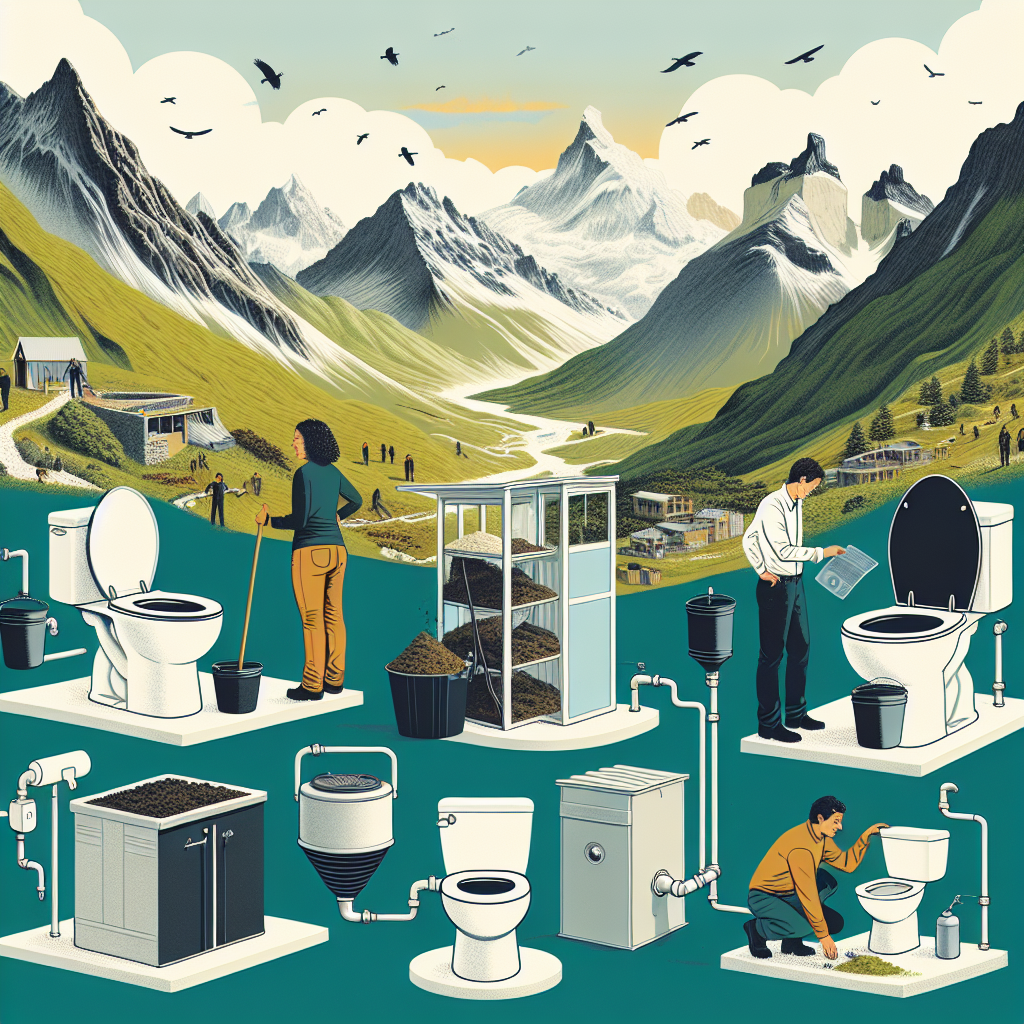
Ecological Sanitation, often referred to as EcoSan, is an innovative approach to sanitation management that emphasizes minimizing environmental impact and promoting resource recovery. In essence, it’s about transforming human waste into resources like compost and biogas, with an ultimate aim of achieving sustainable development. Such sustainable sanitation practices are particularly significant in educational institutions, where the young minds of our future generations are nurtured. Creating an eco-conscious environment within schools can inspire children to be conscientious stewards of the environment from a young age.
Schools serve as a microcosm of the larger community and can play a critical role in pioneering and promoting EcoSan initiatives. Implementing child-friendly EcoSan solutions in schools not only addresses hygiene and health issues but also fosters environmental awareness among students. This article delves into various methods for effectively implementing EcoSan systems in schools, emphasizing the importance of child-friendly designs, comprehensive education, and community involvement.
Designing Child-Friendly EcoSan Toilets
The foremost step in instituting EcoSan in schools involves adapting the sanitation infrastructure to children’s needs. The design of sanitation facilities should be safe, accessible, and inviting to children of different age groups. Traditional toilets, often designed with adults in mind, may not be convenient or safe for younger users.
To begin with, toilets should be of an appropriate height for children, with easy-to-use fixtures. For primary school children, seat heights can be adjusted, and steps can be provided for smaller kids. Additionally, visual appeal plays an essential role; bright colors, child-friendly graphics, and posters encouraging hygienic practices can make sanitation facilities more engaging.
Safety features should also be a primary concern. Non-slip flooring, rounded edges on fixtures, and child-proof locks are vital to ensuring that children can use the facilities without risk of injury. Separate facilities for boys and girls, as well as special provisions for children with disabilities, must be integrated into the design to create an inclusive environment.
Education and Sensitization Programs
Equipping schools with EcoSan toilets is just the beginning; educating students and staff about the importance and practicalities of EcoSan is crucial for long-term success. Education and sensitization programs should be holistic, involving not only theoretical knowledge but also practical demonstrations and activities.
Teachers and students should be taught the principles of ecological sanitation, such as waste segregation, compost creation, and water conservation. Curriculum integration is vital; lessons on sanitation can be embedded in subjects like science and social studies, fostering a deeper understanding.
Hands-on learning opportunities, such as school garden projects where compost produced from EcoSan toilets can be used, reinforce these lessons. Through such practical engagements, students can witness the cycle of waste turning into valuable resources, fostering a sense of responsibility and ownership.

Involving the Community
The success of EcoSan initiatives in schools is greatly enhanced by involving the local community. Parents, local leaders, and community organizations can offer valuable support and resources, ensuring the sustainability of the program.
Workshops and community meetings can be organized to educate and engage the community on EcoSan practices. By demonstrating the benefits of EcoSan, such as reducing water usage and lowering sanitation costs, community members are more likely to lend their support.
Furthermore, involving the community creates a sense of shared responsibility. Parents can encourage their children to practice what they learn at school, thereby extending the impact of EcoSan beyond the school grounds to homes and neighborhoods.
Maintenance and Monitoring
For EcoSan systems to be effective in the long term, they require regular maintenance and monitoring. Schools should establish clear protocols for the upkeep of sanitation facilities, ensuring they remain clean, functional, and safe for children.
Designating a team responsible for the maintenance of EcoSan toilets, consisting of school staff and trained students, can help in effective management. Routine checks and timely repairs are essential to prevent breakdowns and ensure continuous functionality.
Regular monitoring and evaluation of the system’s performance help identify areas for improvement. Feedback from students and staff provides valuable insights into daily usage challenges, enabling better management practices and design modifications.
Funding and Resources
Implementing EcoSan in schools requires financial investment, but the long-term benefits often justify the initial costs. Schools can explore various funding avenues, including government grants, non-governmental organization (NGO) partnerships, and community fundraisers.
Government grants and subsidies for eco-friendly projects can significantly alleviate the financial burden. NGO collaborations can provide both financial assistance and technical expertise, ensuring the successful implementation and sustainability of EcoSan systems.
Innovative approaches like community fundraisers and eco-friendly events can garner local support and raise necessary funds. Highlighting the environmental and health benefits of EcoSan can inspire donors and sponsors to contribute towards the cause.
Integrating Technology
Technology can significantly enhance the effectiveness of EcoSan systems in schools. From advanced waste processing techniques to digital monitoring solutions, the integration of technology can ensure a more efficient and user-friendly system.
Modern composting toilets incorporate features like mechanical mixers and ventilation systems, accelerating the decomposition process and reducing odors. Such technologies make EcoSan toilets more user-friendly, particularly in a school setting.
Digital solutions, such as apps for reporting maintenance issues or monitoring usage data, simplify the management of EcoSan systems. By leveraging technology, schools can ensure that EcoSan systems function efficiently and meet the needs of the school community.
Conclusion
In conclusion, EcoSan offers a sustainable and innovative solution to sanitation challenges in schools. By implementing child-friendly designs, comprehensive education programs, community involvement, regular maintenance, securing funding, and integrating technology, schools can create a healthier and more environmentally conscious environment for students.
The benefits extend beyond immediate hygiene improvements; they include fostering a generation of environmentally aware individuals who understand and value sustainable practices. EcoSan in schools can serve as a powerful tool for environmental education, shaping responsible future citizens.
As we look towards a more sustainable future, schools play a pivotal role in championing and normalizing such eco-friendly initiatives. By prioritizing EcoSan, we not only invest in the health and well-being of students but also in the long-term sustainability of our planet.