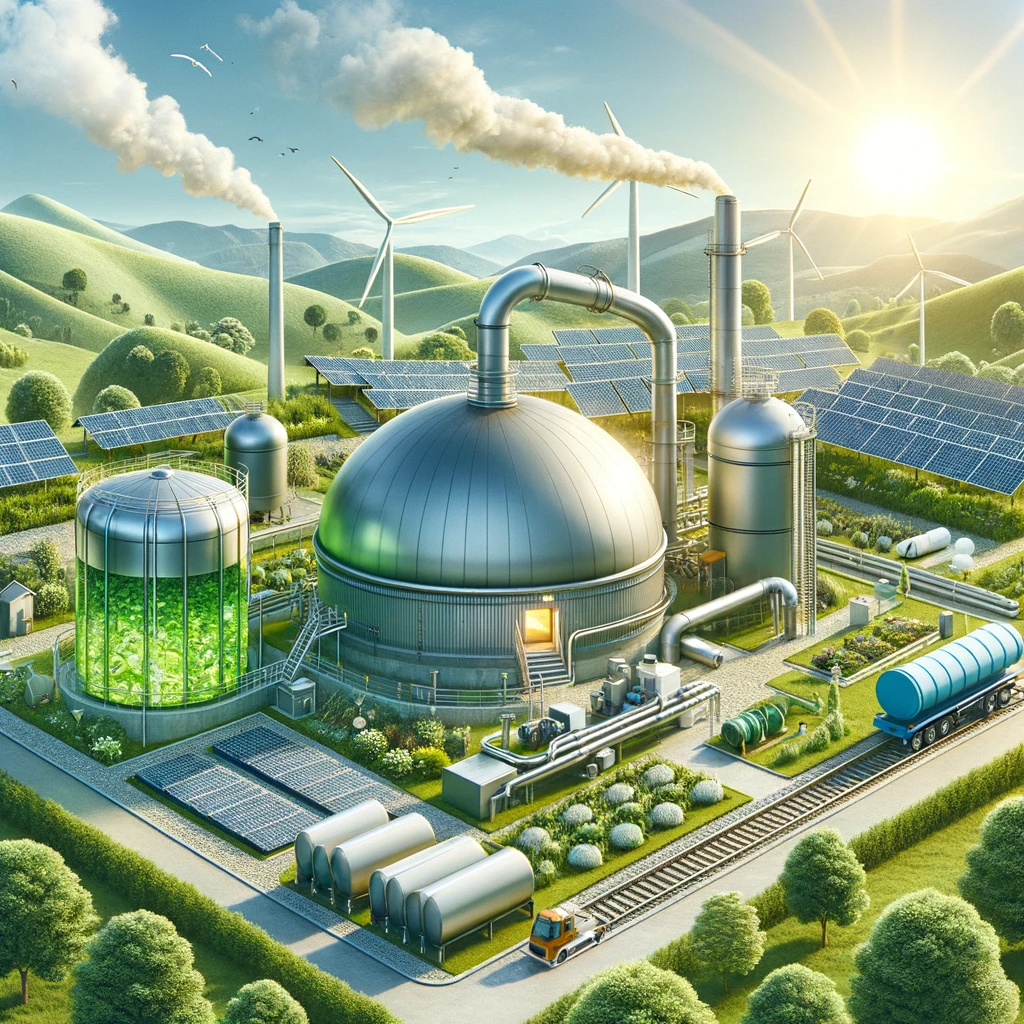
As the planet grapples with increasing environmental challenges, the quest for sustainable sanitation solutions has never been more pressing. Ecological sanitation, or EcoSan, aims to address these urgent needs by offering systems that treat human excrement as a resource rather than waste. By closing nutrient loops and promoting the safe reuse of treated material, EcoSan creates opportunities for both environmental conservation and socioeconomic benefits. Amid the array of EcoSan technologies available, Advanced Oxidation Processes (AOPs) have emerged as a promising, yet complex, solution.
Advanced Oxidation Processes use powerful chemical reactions to break down contaminants, providing a high level of sanitation while minimizing harmful byproducts. As the name suggests, these processes involve the generation of highly reactive species such as hydroxyl radicals, which can effectively degrade a wide range of pollutants. However, they also come with their own set of pros and cons, which we will explore in this comprehensive article.
This article aims to delve deeply into the mechanics, benefits, and drawbacks of AOPs in the context of EcoSan. We will discuss the various types of advanced oxidation processes, their efficiency in treating waste, environmental impact, cost considerations, and potential for widespread implementation. Whether you are a stakeholder in the sanitation sector or a curious reader interested in ecological solutions, this article will provide you with valuable insights into the world of AOPs for sanitation.
Understanding Advanced Oxidation Processes
Advanced Oxidation Processes are a set of chemical treatments designed to remove organic and inorganic materials from wastewater through oxidation. The star of the show here is the hydroxyl radical (•OH), one of the most powerful oxidants known. These radicals are generated through several methods, including ozone (O3) oxidation, hydrogen peroxide (H2O2) decomposition, and ultraviolet (UV) light radiation.
Essentially, these processes involve adding energy to the water to catalyze reactions that generate hydroxyl radicals, which, in turn, decompose organic pollutants into harmless end products like water and carbon dioxide. The versatility of AOPs allows them to target a wide array of contaminants, making them applicable in various sanitation setups, from municipal wastewater treatment plants to decentralized rural sanitation systems.
AOPs stand apart from other traditional treatment methods due to their ability to degrade recalcitrant compounds that are otherwise persistent in the environment. Pharmaceuticals, endocrine-disrupting chemicals, and other micropollutants can be efficiently broken down through AOPs, ensuring that the treated water is safe for reuse. However, the complexity of these processes requires a deeper understanding of the underlying mechanisms and the conditions under which they operate optimally.
Benefits of AOPs in Sanitation
One of the most significant advantages of Advanced Oxidation Processes is their effectiveness in removing a wide range of contaminants. Traditional treatment methods often fall short when dealing with persistent organic pollutants and emerging contaminants. AOPs provide a solution by efficiently breaking down these complex molecules into innocuous substances.
Another major benefit is the reduced formation of secondary pollutants. Conventional wastewater treatment methods can sometimes lead to the creation of harmful byproducts, which may require additional treatment processes. AOPs, on the other hand, typically result in minimal byproduct formation, thus simplifying the treatment process.
Furthermore, AOPs can be integrated into existing wastewater treatment systems, providing flexibility and scalability. Whether it is a small-scale rural sanitation project or a large municipal facility, AOPs can be adapted to meet specific sanitation requirements. This adaptability makes them a valuable asset in the quest for sustainable sanitation solutions.
Lastly, because AOPs can produce high-quality effluent that meets stringent water quality standards, they open up opportunities for water reuse and recycling. This is particularly crucial in areas facing water scarcity, where every drop of treated water can make a significant difference.
Drawbacks of AOPs in Sanitation
Despite their numerous advantages, Advanced Oxidation Processes are not without drawbacks. One primary concern is the high operational cost associated with these systems. The generation of hydroxyl radicals requires significant energy input, whether through UV radiation, ozone generation, or the use of hydrogen peroxide. This leads to increased operational expenses, which can be a limiting factor for widespread adoption, particularly in resource-limited settings.
Additionally, the complexity of AOP systems poses operational challenges. The processes require precise control over various parameters, such as pH, temperature, and the concentration of oxidants. Small deviations can lead to suboptimal performance, reducing the efficiency of pollutant removal. As a result, AOP systems often require skilled personnel for maintenance and operation, which can be a barrier in regions with limited technical expertise.
Another challenge is the potential formation of undesirable byproducts. While AOPs are generally effective in breaking down contaminants, there is a risk of generating intermediate compounds that may be harmful or more difficult to remove. Careful monitoring and optimization are necessary to ensure that these byproducts are minimized and adequately managed.
Finally, the infrastructure required for implementing AOPs can be substantial. The need for specialized equipment, such as UV lamps, ozone generators, and advanced chemical dosing systems, adds to the capital investment required for these technologies. This can be a significant hurdle for communities and organizations with limited financial resources.
Environmental Impact of AOPs
The environmental impact of Advanced Oxidation Processes is a critical factor to consider when evaluating their suitability for sanitation applications. On one hand, AOPs can significantly reduce the concentration of harmful contaminants in treated water, thereby protecting aquatic ecosystems and human health. By degrading persistent pollutants, these processes help prevent the accumulation of toxic substances in the environment.
However, the environmental footprint of AOPs is not negligible. The energy-intensive nature of these processes contributes to their carbon footprint. Depending on the source of energy used, the operational emissions can offset some of the environmental benefits gained from effective contaminant removal. Therefore, it is essential to consider the overall lifecycle impact of AOP systems and explore opportunities for improving their energy efficiency.
Another aspect to consider is the management of residual chemicals used in AOPs, such as hydrogen peroxide and ozone. Improper handling and disposal of these chemicals can pose environmental risks. It is crucial to implement proper safety protocols and disposal methods to mitigate potential hazards.
Despite these challenges, ongoing research and technological advancements are driving improvements in the environmental performance of AOPs. Innovations in renewable energy integration, process optimization, and the development of more efficient catalysts are paving the way for greener and more sustainable AOP solutions.
Cost Considerations and Economic Viability
The cost of implementing Advanced Oxidation Processes is a significant factor influencing their adoption in sanitation projects. Both capital and operational costs need to be carefully evaluated to determine the economic viability of these technologies. Initial investments include the purchase of specialized equipment, infrastructure development, and installation. These expenses can be substantial, especially for large-scale applications.
Operational costs primarily stem from energy consumption and the purchase of oxidants. As mentioned earlier, AOPs are energy-intensive, which can lead to high electricity bills. The cost of chemicals such as hydrogen peroxide and ozone must also be factored into the operational budget. These recurring expenses can add up, making AOPs a financially demanding option for long-term use.
However, there are opportunities to offset these costs through various means. For instance, integrating renewable energy sources, such as solar or wind power, can reduce reliance on conventional electricity and lower operational expenses. Additionally, optimizing the AOP system to improve energy efficiency and minimize chemical use can help control costs. In some cases, the high-quality effluent produced by AOPs can be reused for irrigation, industrial processes, or even potable water supply, providing economic benefits and justifying the investment.
It’s also important to consider the broader economic impacts of adopting advanced oxidation processes. By preventing the release of harmful contaminants into the environment, AOPs can reduce the costs associated with environmental cleanup and public health interventions. Moreover, the potential for generating revenue through water reuse can create additional economic incentives for implementing these technologies.
Potential for Widespread Implementation
The potential for widespread implementation of Advanced Oxidation Processes in sanitation projects depends on several factors, including technological advancements, regulatory frameworks, and stakeholder engagement. As research continues to improve the efficiency and cost-effectiveness of AOPs, their appeal as a viable sanitation solution is likely to grow.
Supportive regulatory policies can play a crucial role in promoting the adoption of AOPs. Governments and regulatory bodies can incentivize the use of advanced treatment technologies through funding programs, tax benefits, and certification schemes. Establishing clear water quality standards and enforcing compliance can also drive the demand for effective treatment systems like AOPs.
Collaboration among stakeholders, including government agencies, academic institutions, private sector companies, and non-governmental organizations, can facilitate the development and dissemination of AOP technologies. Public-private partnerships can leverage the strengths of each sector to accelerate innovation, share technical expertise, and mobilize resources for large-scale deployment.
Education and awareness campaigns can also contribute to the widespread acceptance of AOPs. By informing communities and decision-makers about the benefits and potential of advanced oxidation processes, it is possible to build support for their implementation. Training programs for operators and technicians can ensure the proper operation and maintenance of AOP systems, enhancing their reliability and performance.
Conclusion
Advanced Oxidation Processes represent a promising solution in the realm of ecological sanitation. Their ability to effectively remove a wide range of contaminants, minimize the formation of harmful byproducts, and produce high-quality effluent makes them a valuable tool for sustainable sanitation. However, the high operational costs, complexity of operation, and environmental footprint of AOPs pose challenges that must be addressed.
The future of AOPs in sanitation will depend on ongoing research and innovation to enhance their efficiency, reduce costs, and mitigate environmental impacts. By integrating renewable energy sources, optimizing process parameters, and developing more efficient catalysts, it is possible to create more sustainable AOP systems that can be widely adopted.
Supportive regulatory frameworks, stakeholder collaboration, and community engagement are also essential for promoting the widespread implementation of AOPs. By working together, it is possible to overcome the barriers to adoption and realize the full potential of these advanced technologies for ecological sanitation.
As we strive to address the pressing environmental challenges of our time, Advanced Oxidation Processes offer a powerful tool for improving sanitation and protecting the health of our communities and ecosystems. By embracing these technologies and continuing to advance their development, we can move closer to a future where sanitation is both sustainable and effective.