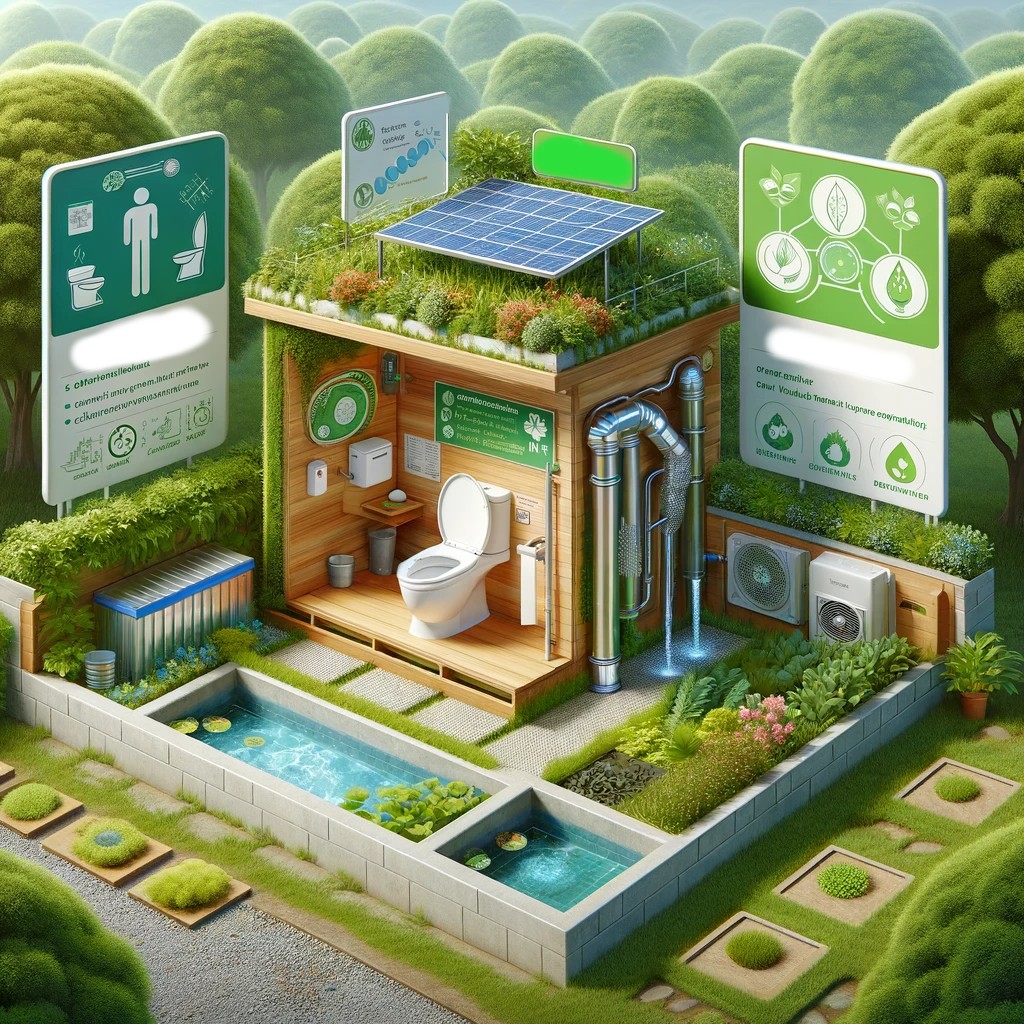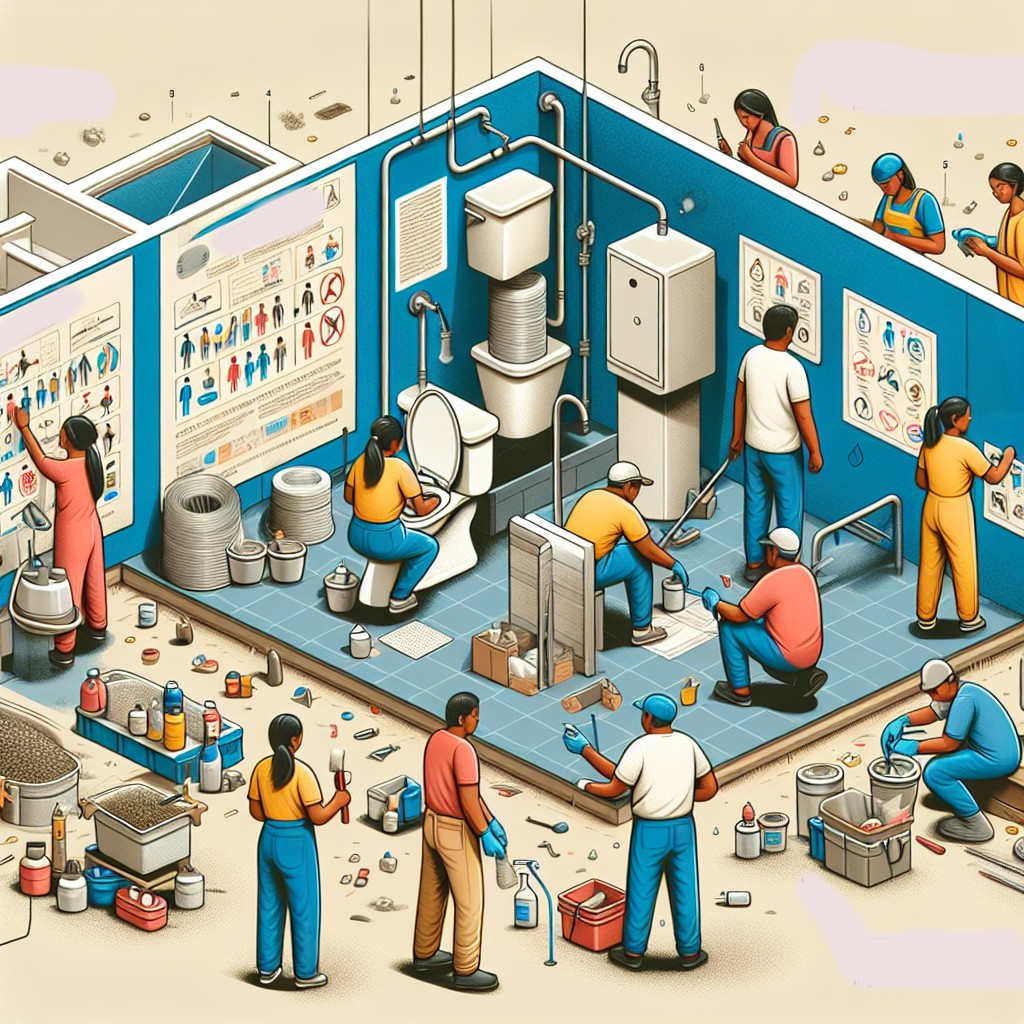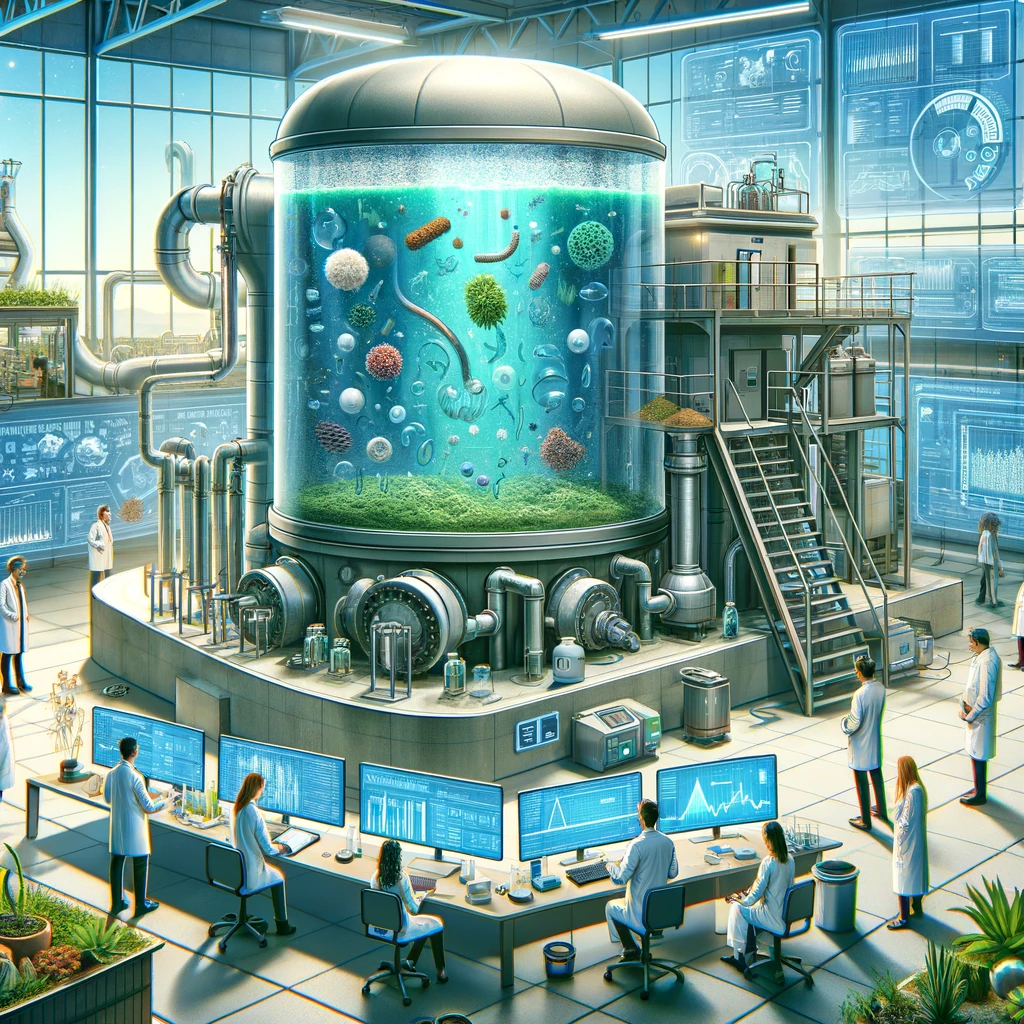
EcoSan, or Ecological Sanitation, is fundamentally about transforming waste into valuable resources. One of the cornerstones of this innovative approach is the use of anaerobic digesters. These systems showcase a remarkable synergy of nature and technology, turning organic waste into clean energy and other useful byproducts like biofertilizers. Let’s delve into how these digesters function, their advantages, and their role within the broader EcoSan framework.
What is Anaerobic Digestion?
Anaerobic digestion (AD) is a process that breaks down organic materials in the absence of oxygen. It is carried out by a consortium of microorganisms that thrive in an oxygen-free environment. These microbes are not only adept at converting complex organic compounds into more straightforward molecules but also excel in producing methane and carbon dioxide—a mixture known as biogas. The process typically occurs in a sealed container known as an anaerobic digester. Here, waste products such as animal manure, food scraps, and even human waste are deposited and decomposed by the microorganisms. The result is a two-fold benefit: reduction in waste volume and production of valuable outputs.
Technologies and Methods in Anaerobic Digesters
Anaerobic digesters come in various designs, each tailored to different conditions and needs. The most common types include:
- Batch digesters: These systems operate on a discrete batch of feedstock added all at once, and the digester is sealed for a period until digestion is complete. They are simple and have low upfront costs, making them suitable for smallscale operations.
- Continuousstem digesters: In contrast, these systems receive a continuous flow of material. They are typically used in larger operations and require more sophisticated management but are more efficient at processing large volumes of waste.
Within these broad categories, variations exist, such as fixed-dome and floating-drum systems, each with unique characteristics and advantages.
Temperature Regimes
The effectiveness of an anaerobic digester hinges significantly on maintaining the right temperature. Anaerobic digesters generally operate in one of three temperature regimes:
- Psychrophilic (coldloving): operates below 20°C
- Mesophilic: operates at 20°C to 45°C, which is the most common range as it balances efficiency with energy cost.
- Thermophilic: operates above 45°C, where digestion is faster but requires more energy to maintain the temperature.
Balancing these temperature conditions is crucial as they directly influence the microbial activity levels, the speed of digestion, and the overall biogas yield.
Benefits of Anaerobic Digesters in EcoSan
Anaerobic digesters provide several environmental, economic, and social benefits. They significantly reduce the emission of methane—a potent greenhouse gas—by capturing and utilizing it as a clean energy source. This not only helps mitigate climate change but also provides rural and underserved communities with a reliable energy supply. In addition, the nutrient-rich digestate produced as a byproduct can be used as a biofertilizer, offering a sustainable alternative to chemical fertilizers. This is particularly beneficial in regions where soil degradation is a concern, helping to restore soil health and improve agricultural productivity. Moreover, by converting waste into resources, anaerobic digestion supports a circular economy, driving sustainable development practices in community planning and infrastructure.
The integration of anaerobic digesters in EcoSan projects around the world varies but consistently aligns with goals of sustainable waste management and resource recovery. As these technologies evolve and adapt to new types of waste and different environmental conditions, they play a pivotal role in a future where resources are reused continually—minimizing our ecological footprint and enhancing community resilience against health hazards and energy scarcity. In exploring further innovations and adaptations in these systems, it is essential to foster collaboration among scientists, engineers, policy makers, and communities.
The continued evolution and integration of anaerobic digestion technologies within ecological sanitation frameworks promise not only enhanced waste management solutions but also a step forward in our global environmental sustainability efforts. The journey towards a greener future continues as we delve deeper into the potentials of these remarkable biological engines.

Innovations and Adaptations in Anaerobic Digestion Technologies
As the demand for sustainable waste management solutions grows, innovations and adaptations in anaerobic digestion technologies are at the forefront of environmental science. These advancements are key to enhancing the efficiency and applicability of digesters across various climates and social contexts.
Customization to Local Conditions
One of the most significant areas of development is the customization of digesters to suit local environmental conditions and waste types. For instance, in colder climates, insulating materials are being integrated into digester designs to retain heat and maintain optimal mesophilic conditions without excessive energy costs. In tropical regions, on the other hand, systems are being developed to harness ambient heat to boost thermophilic activity, thereby speeding up the digestion process. Additionally, researchers are exploring the digestion of not just organic waste but also emerging concerns like invasive plant species and industrial byproducts. By adjusting feedstock mixes and microbial inoculants, digesters can be tailored to break down a broader range of substances, thereby increasing their utility and efficiency.
Technological Enhancements
Technological enhancements are also playing a pivotal role in streamlining anaerobic digestion processes. The integration of IoT sensors and real-time data analytics helps in monitoring and optimizing the digestion process. These technologies enable operators to precisely control environmental factors such as temperature and pH levels, ensuring maximum biogas production and system efficiency. Moreover, recent developments in biogas upgrading technologies have enhanced the purity of biogas, allowing it to replace natural gas in more applications. This higher-quality biogas can be used not only for heating and electricity generation but also as a fuel for vehicles, broadening the scope of its usability.
Community-Based Implementations
Adaptation isn’t only technological but also societal. Community-based anaerobic digestion projects are gaining traction, particularly in rural areas where waste collection infrastructure may be lacking. These small-scale projects empower communities by providing local energy sources and improving sanitation, thereby reducing disease incidence associated with poor waste management. To support these initiatives, educational programs and partnerships are being implemented to train locals on maintaining anaerobic digesters. This approach not only sustains the technology’s operation but also ensures its adaptation to the community’s changing needs and priorities.
As the global community moves towards a more sustainable future, the role of anaerobic digesters continues to evolve. By embracing both technological advances and community-focused adaptations, they not only contribute to managing waste more effectively but also pave the way towards comprehensive ecological sanitation strategies that will benefit generations to come.
Financial Models and Investment in Anaerobic Digestion
Fostering the broader adoption of anaerobic digestion technologies necessitates not just innovative approaches to design and operation but also robust financial models that can support their implementation and maintenance. As these systems become more complex and capable, the upfront investment and ongoing operational costs can be significant. However, the environmental and economic benefits they offer—ranging from waste reduction to renewable energy production—present compelling incentives for both public and private sectors to invest. Recent shifts have seen an increase in public-private partnerships (PPPs), where governmental bodies and private investors collaborate to fund these projects.
These partnerships often leverage the strengths of both sectors—public backing ensures stability and broad policy alignment, while private expertise brings efficiency and scalability. Furthermore, the rise of green bonds and sustainability-linked loans offers additional avenues for funding these initiatives, appealing to a wider range of environmentally conscious investors. Additionally, the application of novel business models like “Biogas as a Service” is gaining traction. Under this model, companies install biogas plants at no initial cost to the user, with fees being charged based on the biogas produced.
This not only removes the barrier of high initial costs but also aligns ongoing costs with the benefits received, making it a financially viable option even for smaller operators. These financial adaptations are crucial for enabling a wider range of communities and businesses to participate in the anaerobic digestion economy, turning waste management from a cost center into a source of revenue and resilience.
Conclusion: Paving the Way for Sustainable Growth through Financial Innovation
The journey towards sustainable waste management through anaerobic digestion is gaining momentum, buoyed by financial strategies that not only reduce economic barriers but also enhance the feasibility of these projects. The fusion of public and private sector strengths in PPPs, the creative funding options provided by green bonds and sustainability-linked loans, and the operational affordability introduced by models such as “Biogas as a Service,” collectively forge a resilient path forward for this technology.
As we continue to witness the expansion of these financial models, it becomes evident that the potential of anaerobic digestion extends beyond mere waste management. It is a pivotal component of a circular economy, turning organic waste challenges into renewable energy opportunities. The economic frameworks now being developed and refined will play a critical role in determining the pace and breadth of anaerobic digestion technology adoption. Looking ahead, it is crucial for stakeholders across the spectrum—from government officials and financial experts to entrepreneurs and community leaders—to continue collaborating and innovating.
Each advancement and adjustment in the financial models not only enhances feasibility but also demonstrates a shared commitment to environmental stewardship and sustainable development. In nurturing these financial ecosystems, we ensure that anaerobic digestion can reach its full potential as a cornerstone of modern, eco-friendly waste management and energy production solutions.
References:
- Appels, L., Baeyens, J., Degrève, J., & Dewil, R. (2008). Principles and potential of the anaerobic digestion of waste-activated sludge.
- Progress in Energy and Combustion Science, 34(6), 755-781.
- Bauer, A., Mayr, H., & Hopfner-Sixt, K. (2010). Detailed monitoring of two biogas plants and mechanical solid-liquid separation of fermentation residues. Journal of Biotechnology, 150(4), 497-504.
- Capson-Tojo, G., Trably, E., Rouez, M., Crest, M., Steyer, J.P., Delgenes, J.P., & Escudie, R. (2017). Anaerobic digestion of biowaste in developing countries: A review of potentials, challenges, and opportunities. Renewable and Sustainable Energy Reviews, 79, 1176-1183.
- Mshandete, A., & Parawira, W. (2009). Anaerobic batch digestion of solid potato waste alone and in combination with sugar beet leaves. Renewable Energy, 34(11), 2320-2327.
- Tchobanoglous, G., Burton, F.L., & Stensel, H.D. (2003). Wastewater Engineering: Treatment and Reuse. Metcalf & Eddy Inc., McGraw-Hill, New York.
- Vögeli, Y., Lohri, C.R., Gallardo, A., Diener, S., & Zurbrügg, C. (2014). Anaerobic digestion of biodegradable organics in municipal solid wastes. Waste Management, 34(11), 2088-2099.
- Ward, A.J., Hobbs, P.J., Holliman, P.J., & Jones, D.L. (2008). Optimisation of the anaerobic digestion of agricultural resources. Bioresource Technology, 99(17), 7928-7940.
- Weiland, P. (2010). Biogas production: Current state and perspectives. Applied Microbiology and Biotechnology, 85(4), 849-860.
- Zhang, R., El-Mashad, H.M., Hartman, K., Wang, F., Liu, G., Choate, C., & Gamble, P. (2007). Characterization of food waste as feedstock for anaerobic digestion. Bioresource Technology, 98(4), 929-935.