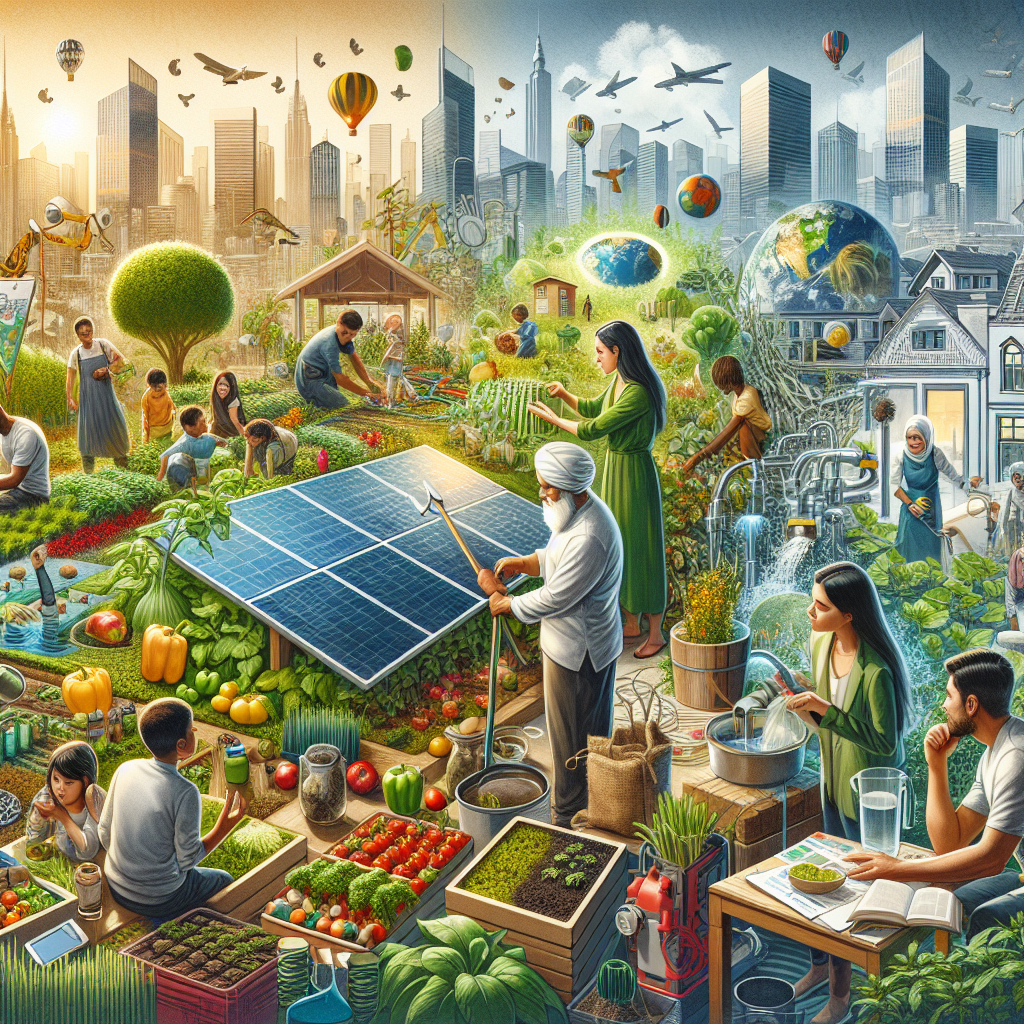
When we think about sanitation, the traditional perspective often revolves around systems that require vast amounts of water, expensive infrastructure, and complex maintenance procedures. However, with increasing environmental concerns and global challenges such as water scarcity, climate change, and resource depletion, traditional sanitation methods are being re-evaluated. Enter ecological sanitation, commonly known as EcoSan. This approach aims to innovate beyond conventional sanitation practices, focusing on sustainable, resource-efficient, and environmentally benign solutions. But what exactly entails EcoSan?
Ecological sanitation is a concept and a practice that sees wastewater and human excreta not as waste but as resources that can be safely utilized. Rooted in principles of sustainability, EcoSan aims to protect the environment, improve public health, and promote resource recovery. The foundational idea is to close the loop of sanitation by turning waste into resources, such as fertilizer and biogas, thus creating a zero-waste system that supports agriculture and energy production.
The origins of EcoSan can be traced back to ancient agricultural methods that utilized human waste as a fertilizer. However, modern EcoSan practices integrate improved technologies and science-based methodologies to ensure safety and efficiency. It has evolved from traditional composting toilets to sophisticated systems that can be implemented in both rural and urban settings. Today, EcoSan is not only a necessity in developing regions without adequate sanitation infrastructure but is also gaining traction in developed areas striving for more sustainable lifestyles.
This article delves into the principles and concepts of ecological sanitation, examining current implementations, challenges, and future projections. By exploring how EcoSan can be effectively integrated into our societies, we aim to shed light on its potential to build a sustainable future.
The Core Principles of EcoSan
The principles of ecological sanitation are centered around sustainability, resource recovery, and health. Unlike conventional sewage systems that often discharge pollutants into the environment, EcoSan systems are designed to safely recycle human excreta and greywater, transforming them into valuable resources. The core principles are as follows:
1. Closing the Loop:
One of the standout principles of EcoSan is the concept of closing the loop. In essence, this involves recycling and reusing waste products within the same system. By treating human excreta and greywater and transforming them into safe fertilizer and irrigation water, EcoSan mimics natural ecological cycles, ensuring that outputs are effectively reintegrated back into the environment.
2. Safety and Hygiene:
Maintaining safety and hygiene is paramount in EcoSan systems. Technologies and treatment processes are designed to eliminate pathogens and reduce health risks, ensuring that the recycled products are safe for use in agriculture and other applications. Compliance with strict health standards and guidelines is essential for the widespread acceptance and effective functioning of EcoSan systems.
3. Environmental Protection:
EcoSan prioritizes protecting the environment by minimizing pollution and conserving water. By treating human excreta onsite and reducing the need for extensive sewage networks, EcoSan systems prevent contamination of water bodies and reduce the environmental footprint of sanitation infrastructure. Additionally, these systems help in conserving freshwater resources by reducing the amount required for flushing and carrying waste.
Technologies and Systems in EcoSan
EcoSan encompasses a wide range of technologies and systems that can be broadly categorized into urine-diverting dry toilets, composting toilets, constructed wetlands, and biogas generators. Each of these technologies plays a crucial role in treating and recycling waste.
1. Urine-Diverting Dry Toilets:
Also known as UDDTs, these toilets separate urine and feces at the source. Urine, rich in nitrogen and phosphorus, can be diluted and used directly as a fertilizer, while feces can be composted to produce soil conditioner. This separation enhances the efficiency of the treatment process and reduces odor and pathogen risks.
2. Composting Toilets:
These systems treat human waste through aerobic decomposition, resulting in nutrient-rich compost. By maintaining specific moisture and temperature conditions, composting toilets accelerate the breakdown of organic matter, ensuring that the end product is safe and pathogen-free.
3. Constructed Wetlands:
Constructed wetlands use natural processes involving vegetation, soil, and microorganisms to treat wastewater. Greywater from households can be effectively treated in these systems, ensuring that it is clean and safe for reuse in irrigation or groundwater recharge.
4. Biogas Generators:
Anaerobic digestion of human waste in biogas generators produces biogas, a renewable energy source, and digestate, a bio-fertilizer. These systems can be scaled for community use, providing energy for cooking, heating, and electricity generation while managing waste sustainably.
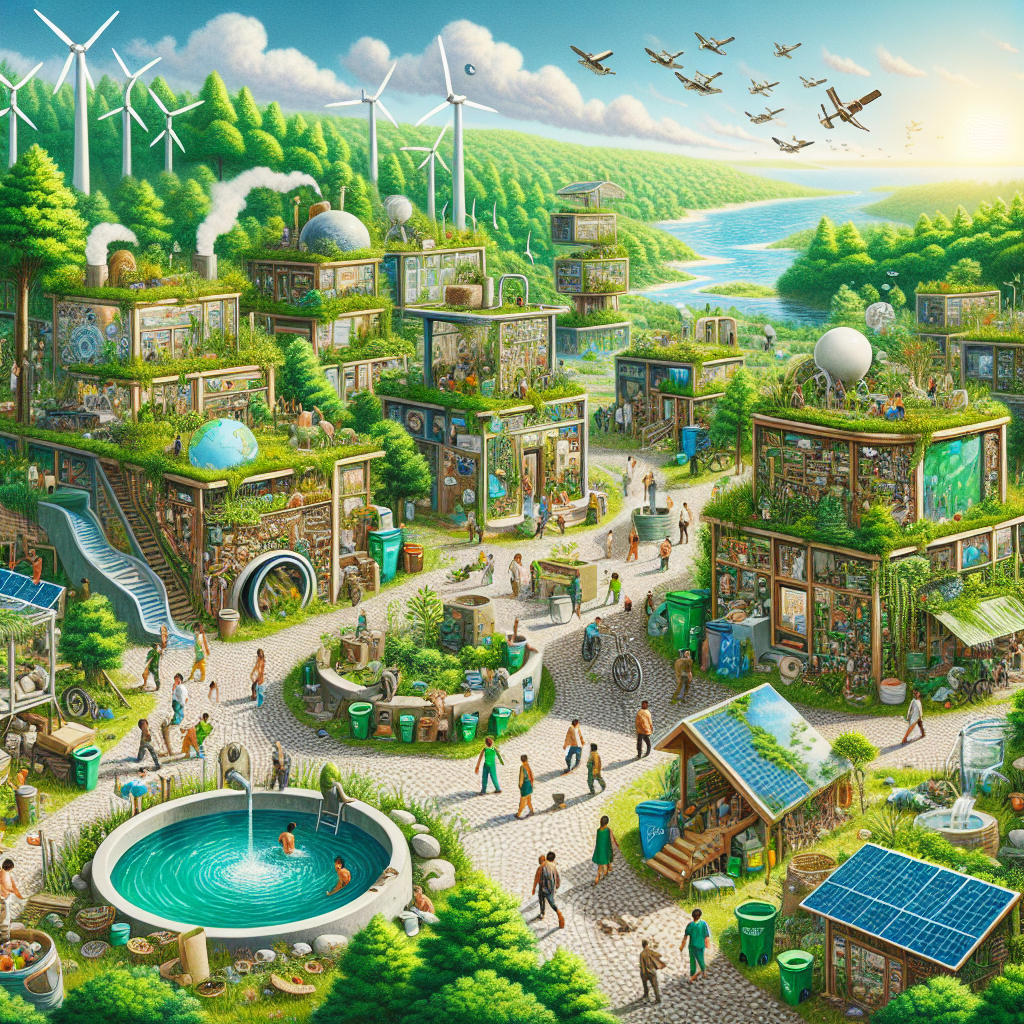
EcoSan in Practice: Global Case Studies
Around the world, numerous EcoSan projects have demonstrated the feasibility and benefits of ecological sanitation. Here are a few noteworthy examples:
1. The Philippines:
The “Sanitation Value Chain” project in the Philippines has implemented UDDTs in both rural and urban settings. By engaging local communities and governments, the project has not only improved sanitation but also enhanced agricultural productivity through the use of humanure.
2. South Africa:
In South Africa, the “eThekwini Water and Sanitation” program has introduced urine-diverting toilets in informal settlements, providing safe and dignified sanitation solutions. The program focuses on education and community involvement, ensuring that residents understand and benefit from the EcoSan approach.
3. India:
The “Sustainable Sanitation in Urban Areas” project in India has integrated biogas generators into urban sanitation systems. The biogas produced is used for cooking, reducing dependence on traditional fuel sources, while the by-products enrich soil fertility in peri-urban farming areas.
4. Sweden:
In Sweden, EcoSan systems are part of sustainable housing developments. Residential complex developments use urine separation toilets, and the collected nutrients are processed and sold to farmers, creating an economic link between urban sanitation and rural agriculture.
Challenges and Limitations of EcoSan
Despite its numerous benefits, the adoption of EcoSan faces several challenges and limitations. Understanding these hurdles is critical to optimizing and promoting EcoSan solutions globally.
1. Cultural Acceptance:
One of the biggest challenges is overcoming socio-cultural resistance to using recycled human waste. In many societies, taboos and misconceptions about handling human excreta make it difficult to implement EcoSan systems. Education and awareness campaigns are essential to address these issues and promote acceptance.
2. Technical Challenges:
Implementing EcoSan technologies requires technical knowledge and expertise. In regions lacking skilled professionals, this can be a significant barrier. Additionally, the infrastructural demands of setting up EcoSan systems can complicate their deployment, particularly in densely populated urban areas.
3. Economic Considerations:
The initial investment costs for EcoSan systems might be higher than conventional systems, creating financial hurdles. While long-term savings and benefits outweigh the costs, securing funding and support for initial setup remains a challenge, especially in low-income regions.
4. Policy and Regulation:
Effective implementation of EcoSan requires supportive policies and regulations. In many countries, existing sanitation policies do not accommodate the principles of ecological sanitation. Advocacy, policy reform, and integration of EcoSan into national sanitation strategies are vital for wider adoption.
Projections: The Future of EcoSan
The future of ecological sanitation is promising, with growing interest and innovations propelling its development. Here are some projections and potential directions for EcoSan:
1. Increased Integration with Climate Strategies:
As climate change intensifies, there is a growing recognition of the role sanitation can play in mitigating environmental impacts. EcoSan systems, through resource recovery and waste-to-energy processes, could become integral to climate adaptation and mitigation strategies, particularly in vulnerable regions.
2. Technological Advancements:
Innovations in EcoSan technologies are likely to make systems more efficient, cost-effective, and user-friendly. Development of smart sanitation systems, integrating sensors and IoT, can optimize waste treatment processes and monitor system performance in real-time.
3. Urban Applications:
With urbanization on the rise, adapting EcoSan for urban environments will be crucial. Modular and scalable EcoSan systems, designed for high-density areas, can address urban sanitation challenges while contributing to circular economies and greener cities.
4. Global Partnerships and Policies:
International collaboration and policy frameworks will play a significant role in mainstreaming EcoSan. Initiatives like the Sustainable Development Goals (SDGs) provide a platform for stakeholders to unite efforts and resources towards achieving sustainable sanitation for all.
Conclusion: Embracing EcoSan for a Sustainable Future
Ecological sanitation represents a paradigm shift in how we perceive and manage waste. By emphasizing resource recovery, environmental protection, and health, EcoSan offers solutions to some of the most pressing global challenges. Although there are hurdles to overcome, the potential benefits of EcoSan are too significant to ignore.
As we reflect on the progress made and project the future path of EcoSan, it becomes clear that a multi-faceted approach is necessary. This includes technological innovation, cultural shifts, policy support, and community engagement. Each of these elements will play a critical role in scaling EcoSan solutions and realizing their full potential.
Individuals, communities, policymakers, and engineers must work together to create a world where sanitation systems are sustainable, inclusive, and resilient. By doing so, we can ensure that future generations inherit a healthier planet, with less waste and more resources.
EcoSan is not just a sanitation solution; it is a vision for a sustainable future. Let us embrace this vision and commit to making ecological sanitation a cornerstone of global environmental and public health strategies.