Introduction to Ecological Sanitation Risks
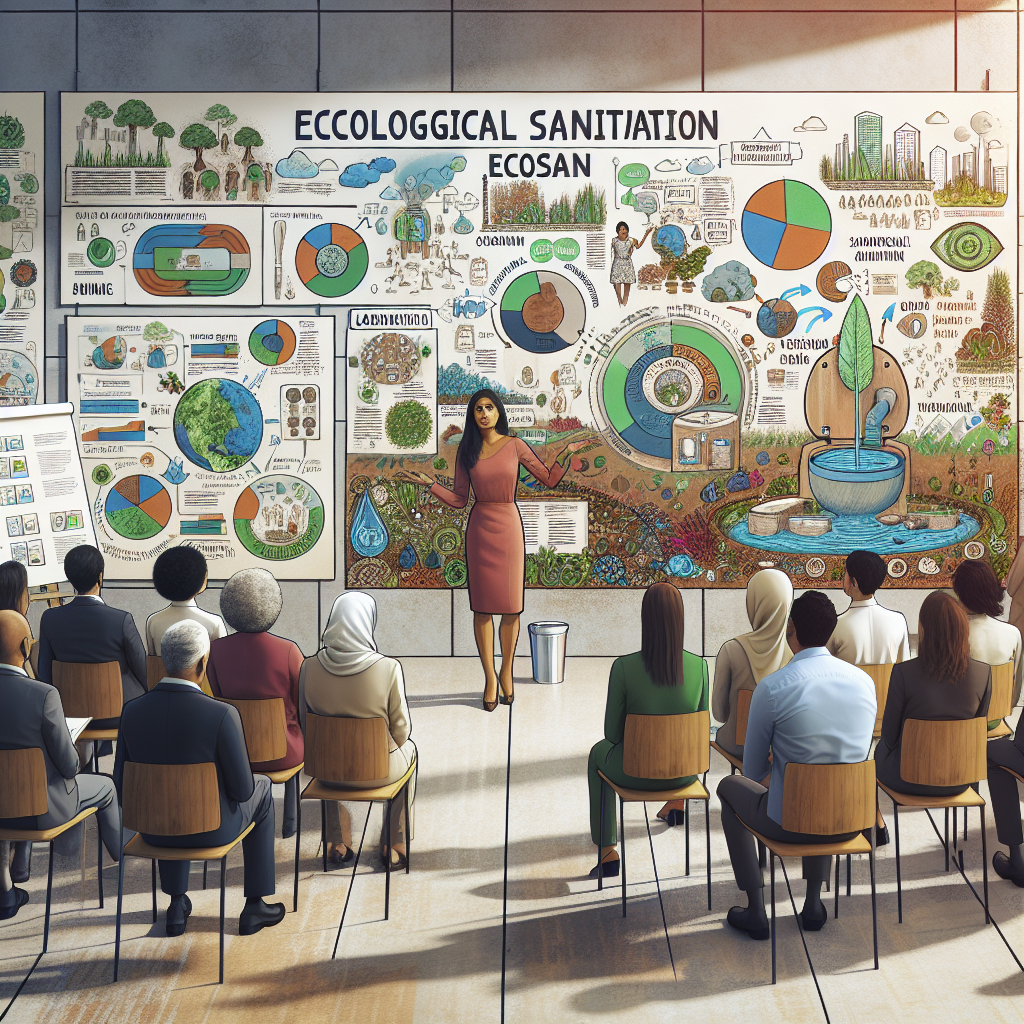
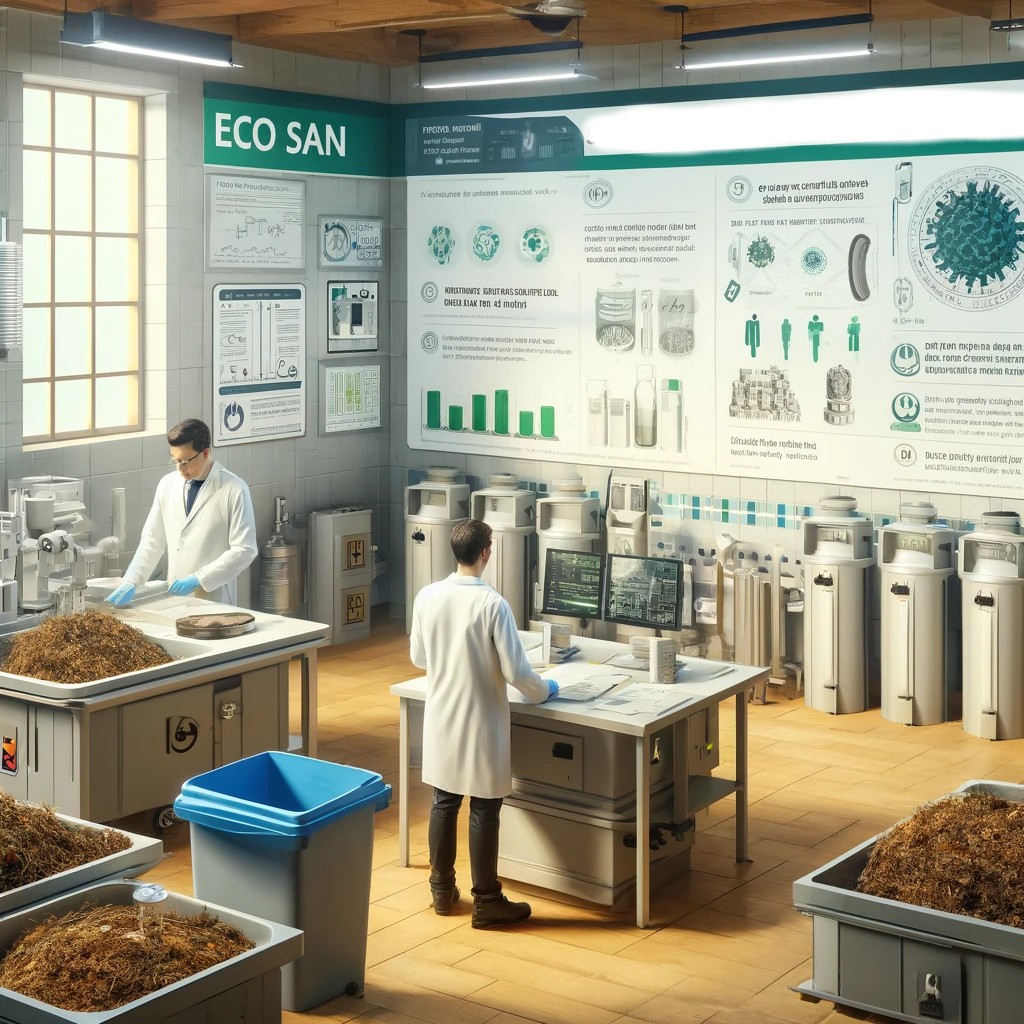
Ecological Sanitation (EcoSan) is a sustainable approach to managing human excreta by using dry sanitation technologies and principles to recycle nutrients and water in a safe and beneficial way. While EcoSan presents numerous environmental and health benefits, the handling and processing of human excreta can pose substantial health risks if not managed correctly. It’s crucial that these systems are designed and maintained with a focus on pathogen reduction to ensure public and environmental health safety.
Understanding Pathogens in EcoSan Systems
EcoSan systems involve the collection, treatment, and reuse of human excrete to promote nutrient cycling and reduce water pollution. However, fecal matter is a known carrier of pathogens including bacteria, viruses, and parasites, which can lead to diseases such as cholera, typhoid, hepatitis A, and intestinal worms.
The Nature of Pathogens
Pathogens in human waste can survive for weeks or even months depending on the environmental conditions. Their persistence in the environment poses a significant challenge in EcoSan systems, particularly in regions with high temperatures and humidity, which can increase the risk of disease transmission.
Transmission Pathways
The primary pathways through which pathogens can enter the human body include:
- Direct contact: Handling contaminated soil or fertilizer.
- Water contamination: Pathogens can leach into groundwater or surface water used for drinking or irrigation.
- Crop contamination: Crops fertilized with untreated human excreta can carry pathogens directly to consumers.
Strategies for Managing Health Risks
To mitigate health risks, specific strategies must be applied in the design and operation of EcoSan systems to ensure the pathogen load is adequately reduced before any end-use of treated excreta.
Controlling Exposure to Pathogens
Minimizing direct contact with untreated human waste is vital. EcoSan systems should be designed to prevent leakage or overflow during the collection and processing stages. Additionally, protective equipment and proper hygiene practices must be enforced for individuals involved in the handling of excreta.
Treatment Processes to Inactivate Pathogens
Thermal Treatment
Applying heat either through solar concentration or combustion can effectively reduce pathogen levels in human excreta. Composting toilets, for instance, use the natural heat generated by microbial activity, which can destroy many pathogens if the compost reaches sufficient temperatures.
Chemical Treatment
Adding chemical disinfectants such as lime or ammonia can change the pH of waste material, making the environment inhospitable for pathogens. This method needs careful management to balance effectiveness with potential chemical hazards.
Time-Based Strategies
Storing human excreta under controlled conditions for several months can significantly reduce pathogen levels due to natural die-off processes. The specific time required can vary based on temperature and moisture conditions.
Monitoring and Regulation
Continuous monitoring of EcoSan systems is essential to ensure that treatment processes are effective over time. Regular testing for indicators of pathogenic presence, such as E. coli, can provide necessary data to adjust processes to enhance safety. Moreover, regulations and guidelines on the safe management of excreta should support these efforts by setting clear standards and protocols for EcoSan implementation.

Ensuring Community Health and Environmental Safety
Community Engagement and Education
Engaging communities in the design, operation, and monitoring of EcoSan systems is crucial for their success. Education on the risks associated with improper excreta management and the benefits of properly treated human waste can empower communities to actively participate and support EcoSan initiatives.
Health Impact Assessments
Conducting health impact assessments in communities before and after the implementation of EcoSan systems can provide valuable insights into the direct effects on public
Leveraging Technology for Pathogen Monitoring
The continuous evolution of technology has brought valuable tools to the forefront of EcoSan system management. Using innovative detection and monitoring technologies can significantly improve the efficiency and reliability of pathogen control strategies.
IoT and Sensor Technology
The implementation of Internet of Things (IoT) sensors can provide real-time data on the conditions within EcoSan systems. These sensors can monitor temperature, humidity, and chemical levels that are crucial for assessing the safety and functionality of the sanitation systems. By having constant access to this data, system operators can quickly make necessary adjustments to treatment processes, thus enhancing pathogen reduction.
Geographic Information Systems (GIS)
GIS technology plays a critical role in mapping and analyzing the distribution of EcoSan systems in relation to residential areas and water sources. This spatial analysis helps in identifying potential risk zones where pathogens might affect public health and environmental safety. Moreover, GIS can assist in planning the location of new EcoSan facilities to minimize their impact on the surrounding community and the environment.
Adaptive Management Practices
Adaptive management is essential in EcoSan systems to respond effectively to varying environmental conditions and emerging risks. This involves an ongoing process of assessing, learning, and modifying operational practices based on new information and changing circumstances.
Feedback Mechanisms
Incorporating feedback mechanisms whereby users report issues and improvements can help refine the system operation. Community feedback is particularly valuable as it can provide insights that are not always visible to system operators or technicians. For instance, local observations can point out unforeseen problems like odors or leaks, which might indicate that pathogens are not being fully contained or treated.
Pilot Testing
Before full-scale implementation, conducting pilot tests of new or revised EcoSan solutions in a controlled subset of the community can help identify potential problems early. Pilot testing serves as a proof of concept that can demonstrate whether the proposed solutions achieve the desired pathogen reduction and are acceptable and practical for the users.
Policy and Framework Development
To support effective pathogen management in EcoSan systems, robust policy frameworks are essential. These frameworks should define roles, responsibilities, and accountability for all stakeholders involved—from government bodies to local communities.
Standardizing Safety Protocols
Developing and enforcing standardized safety protocols for EcoSan practices ensures a uniform approach to managing health risks. These standards should be based on the best available scientific knowledge and should be regularly updated to incorporate new research findings and technological advancements.
Building Regulatory Capacity
Strengthening the capacity of local health and environmental agencies to oversee and enforce these standards is just as important as the standards themselves. Training programs, regular audits, and support for local governance structures can enhance the effective oversight of EcoSan systems.
Forward-Looking Approaches
Exploring and investing in future-oriented solutions can further safeguard public health and the environment. Research into new treatment technologies, alternative use cases for treated excreta, and improved system designs can drive innovation in the EcoSan sector.
Sustainability and Resilience
Considering climate change impacts and increasing population densities, EcoSan systems must be designed for sustainability and resilience. This means systems should not only address current health risks but also adapt to future challenges. Features like modularity, scalability, and ease of maintenance should be integral to system design to accommodate growth and unexpected environmental stressors. By addressing these various aspects of managing pathogens and health risks, EcoSan systems can fulfill their promise of promoting both human health and environmental sustainability. Engaging all stakeholders and continuously incorporating scientific and technological advances into EcoSan practices will be key to achieving these goals and ensuring safe, sustainable sanitation solutions for communities worldwide.
Conclusion: Optimizing Pathogen Management through Technology and Collaboration
Integrating advanced technologies and collaborative strategies stands at the heart of enhancing pathogen monitoring and management within EcoSan systems. Throughout the journey from IoT and sensor advancements to GIS applications, and from adaptive management practices to robust policy frameworks, it is evident that technology not only optimizes operational efficiency but also elevates the safety and sustainability of sanitation solutions. Real-time data from IoT sensors, strategic insights from GIS, and direct feedback from community interactions collectively ensure that EcoSan systems are both responsive and adaptive to the dynamic needs and risks of public health. Moreover, the proactive stance on conducting pilot tests, the rigorous development of safety protocols, and the empowerment of regulatory bodies through training and support underscore a comprehensive approach to managing ecological sanitation systems.
As EcoSan systems evolve, the inclusion of future-oriented strategies that consider sustainability and resilience will be crucial. This will not only address the imminent challenges posed by climate change and urbanization but also pave the way for innovative treatments and sustainable waste management practices. Embracing a collaborative and technologically driven approach will indeed play a critical role in maintaining efficient and safe EcoSan systems. It urges continuous learning and adaptation, driven by stakeholder engagement and the integration of new technological insights. Ultimately, this approach will ensure that EcoSan systems continue to protect public health while contributing positively to environmental stewardship, marking a significant step forward in sustainable sanitation practices around the globe.