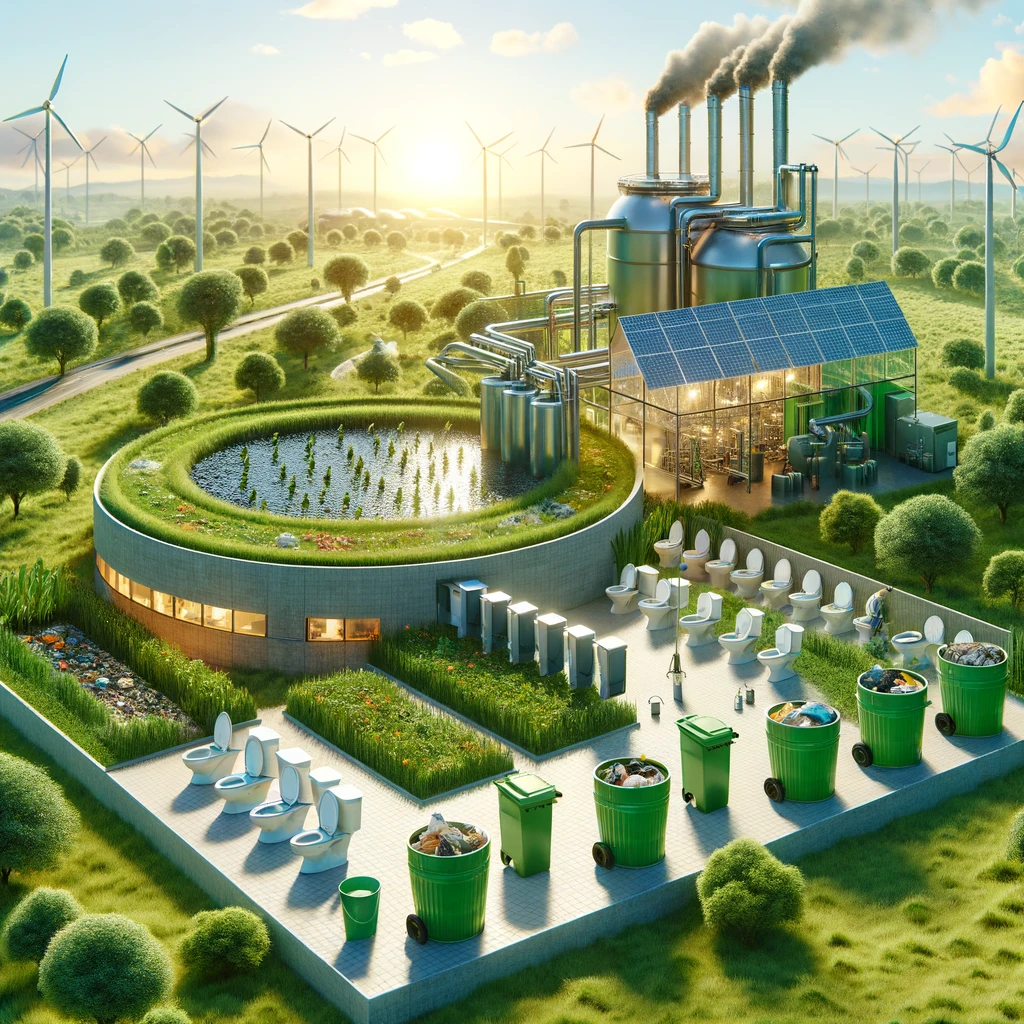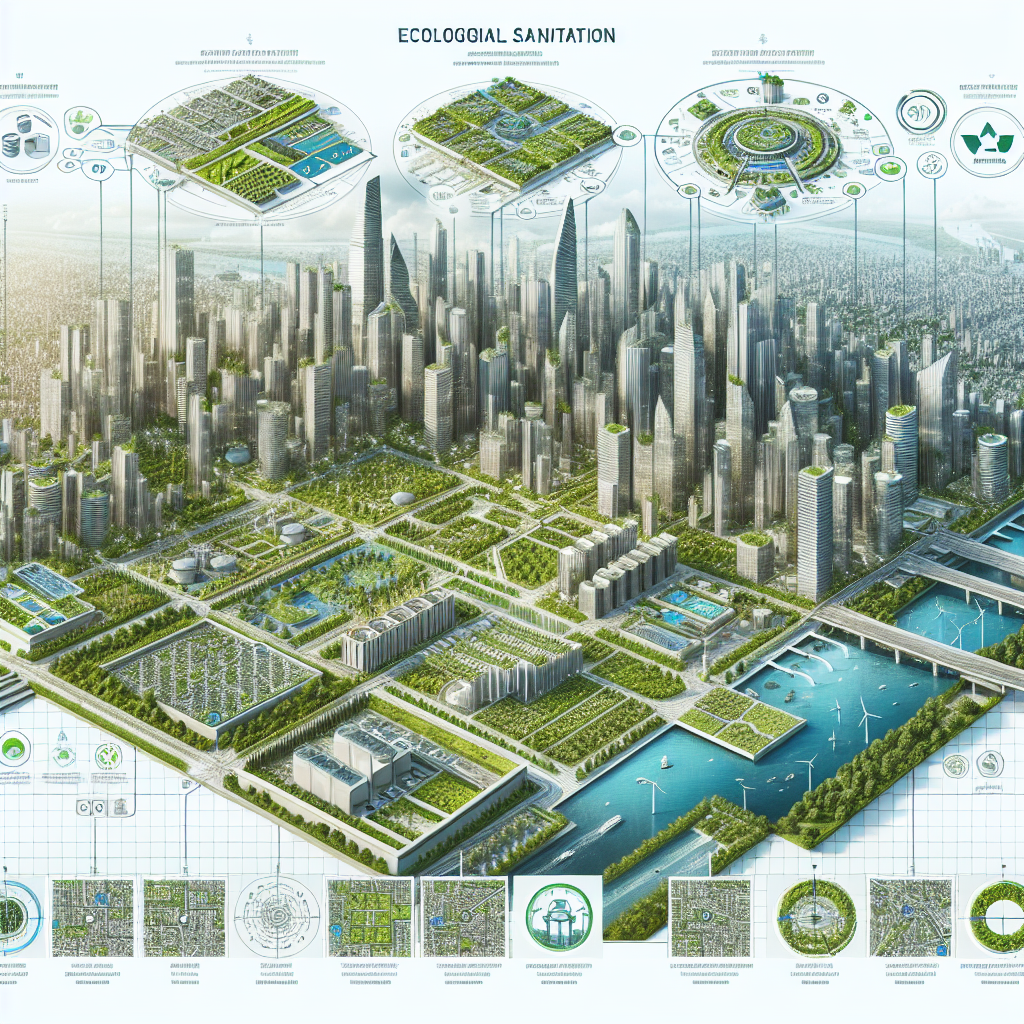
The rapid urbanization and increasing population in cities globally have significantly intensified the strain on traditional sanitation systems. This growing demand highlights the need for innovative, sustainable alternatives that can handle the capacity while protecting our environment. One such solution is Ecological Sanitation (EcoSan), a system designed to transform waste into resources through processes that align with natural ecological cycles. EcoSan challenges the conventional approach by focusing on the recycling and reuse of human waste, which reduces pollution, conserves water, and improves soil fertility. The principles of EcoSan are increasingly gaining attention and are being integrated into urban planning and infrastructure to address the sanitation challenges in urban settings. This article delves into the core principles and concepts of EcoSan and how they can be incorporated into the urban infrastructure for sustainable city planning.
Despite the numerous benefits EcoSan offers, integrating such systems into existing urban landscapes can be a complex process that involves various stakeholders, from city planners and engineers to community members and policy-makers. Education and cultural adaptability are critical, as well as addressing technical and financial barriers. By understanding and overcoming these challenges, EcoSan can provide a sustainable solution that not only manages waste more efficiently but also contributes to the conservation of natural resources and the promotion of public health.
Exploring the principles and practicalities of EcoSan offers insights into how cities can sustainably manage sanitation in tandem with environmental stewardship. This article aims to guide urban planners, environmentalists, and policymakers through the process of integrating EcoSan into city planning and infrastructure, illustrating the potential for a more sustainable urban future.
EcoSan Principles and Core Concepts
Ecological Sanitation (EcoSan) is grounded in several fundamental principles and concepts that differentiate it from traditional sanitation systems. At its core, EcoSan aims to create a closed-loop system where human waste is safely transformed into resources, mimicking natural ecological processes.
The first principle of EcoSan is the recognition of human excreta as a valuable resource rather than waste. By treating urine and feces separately, EcoSan systems can effectively manage and reuse the nutrients found in human waste. Urine, rich in nitrogen and phosphorus, can be utilized as a fertilizer, while properly treated feces can improve soil health and fertility.
A key concept in EcoSan is nutrient cycling, where the nutrients in waste are returned to the soil rather than being disposed of in water bodies, as in conventional systems. This reduces pollution and eutrophication of aquatic ecosystems and promotes sustainable agriculture by providing a source of organic fertilizer.
Another critical principle is reducing water use. EcoSan systems often utilize dry or low-water technologies, significantly lowering the amount of water used for flushing and transporting waste. This is particularly beneficial in water-scarce regions and helps to conserve this vital resource.
EcoSan also emphasizes safe sanitation practices. Proper treatment and handling of waste ensure that pathogens are eliminated, protecting public health. Technologies such as composting toilets, urine-diverting dry toilets (UDDTs), and anaerobic digestion play a role in safely processing waste into usable products.
Lastly, the principles of sustainability and community involvement are central to EcoSan. Successful implementation requires community participation and acceptance, emphasizing the need for education and culturally appropriate solutions. The systems must also be financially sustainable, considering both construction and maintenance costs to ensure long-term viability.
Practical Applications of EcoSan in Urban Environments
Implementing EcoSan in urban areas requires a tailored approach that considers the unique challenges and opportunities present in densely populated settings. Practical applications of EcoSan can vary widely depending on the local context, infrastructure, and community needs.
One practical application is the integration of urine-diverting toilets in apartment buildings and housing complexes. These systems separate urine from feces, allowing for the collection and reuse of urine as fertilizer. This reduces the volume of sewage that needs to be treated and provides a source of nutrients for urban agriculture.
Another approach is the use of composting toilets in public spaces, schools, and parks. Composting toilets allow for the aerobic decomposition of feces, producing compost that can be used to improve soil health. These systems can be designed to handle large volumes of waste and are ideal for locations where water shortages or inadequate sewage infrastructure make traditional sanitation solutions impractical.
Anaerobic digestion is another technology that can be effectively utilized in urban settings. By processing organic waste, including human waste, in an oxygen-free environment, anaerobic digesters produce biogas that can be used for cooking or generating electricity. The remaining digestate can be used as a soil amendment, closing the nutrient loop.
Community-based sanitation systems, where multiple households share EcoSan facilities, can also be an effective way to implement sustainable sanitation in densely populated urban areas. These systems can reduce the burden on municipal sewage infrastructure, lower water use, and provide valuable resources for urban agriculture.
When planning for the integration of EcoSan systems, cities must consider not only the technical aspects but also the social and cultural dimensions. This includes engaging with communities to ensure acceptance and proper use of the systems, providing education and training, and developing policies and incentives that support sustainable sanitation practices.

Challenges and Solutions in Integrating EcoSan into Urban Infrastructure
While the benefits of EcoSan are clear, integrating these systems into existing urban infrastructure presents several challenges. Addressing these challenges is crucial for the successful adoption and implementation of EcoSan in cities.
A major challenge is the retrofitting of existing buildings and infrastructure to accommodate EcoSan systems. This can be costly and logistically complex, particularly in densely populated areas. Solutions include adopting modular and adaptable EcoSan technologies that can be integrated into existing structures with minimal disruption.
Another challenge is the initial cost of implementing EcoSan systems. While EcoSan can be more cost-effective in the long term, the upfront investment can be a barrier. Financing solutions such as public-private partnerships, grants, and subsidies can help alleviate the financial burden and encourage adoption.
Public acceptance and behavior change are also critical factors. People may be unfamiliar with EcoSan concepts or hesitant to adopt new sanitation practices. Comprehensive education and community engagement programs are essential to overcoming this barrier. Demonstration projects and pilot programs can also help build trust and showcase the benefits of EcoSan systems.
Regulatory and policy frameworks need to support the integration of EcoSan into urban planning. This includes updating building codes, sanitation standards, and waste management regulations to accommodate EcoSan technologies. Policymakers must work closely with urban planners, engineers, and health officials to create an enabling environment for EcoSan adoption.
Another important consideration is the training and capacity building for professionals involved in the design, implementation, and maintenance of EcoSan systems. Providing specialized training for plumbers, builders, and waste management personnel ensures that the systems are properly installed and maintained, guaranteeing their long-term success.
Case Studies of Successful EcoSan Integration
Numerous cities around the world have successfully integrated EcoSan systems into their urban infrastructure, providing valuable lessons for others looking to do the same. These case studies highlight the practicalities and benefits of EcoSan in diverse urban contexts.
In Stockholm, Sweden, the Hammarby Sjöstad district has implemented EcoSan principles as part of its sustainable urban planning. The district features urine-diverting toilets and biogas production systems integrated into residential buildings. The biogas produced from human waste is used for heating and cooking, reducing reliance on fossil fuels and enhancing the sustainability of the community.
In Durban, South Africa, the eThekwini Municipality has taken a proactive approach to EcoSan by implementing urine-diversion dehydration toilets in low-income communities. This initiative has not only improved sanitation conditions but also created opportunities for agriculture using the urine as a fertilizer. The project has been instrumental in demonstrating the feasibility of EcoSan in resource-constrained settings.
The city of Bangalore, India, has also embraced EcoSan through the implementation of decentralized waste treatment systems. These systems include composting toilets and biogas plants that serve residential areas and institutional buildings. The success of these projects has led to the development of policies supporting the broader adoption of EcoSan technologies in urban planning.
These case studies illustrate the adaptability and effectiveness of EcoSan in various urban environments. They demonstrate that, with the right approach and stakeholder involvement, EcoSan can be a viable solution to urban sanitation challenges.
The Future of EcoSan in Urban Planning
The incorporation of EcoSan principles and systems into urban planning holds significant promise for the future of sustainable cities. As the global population continues to urbanize, the pressure on traditional sanitation systems will only increase, making the need for innovative solutions even more critical.
Advancements in technology and materials are making EcoSan systems more efficient, cost-effective, and easier to implement. Smart toilets, advanced composting systems, and enhanced biogas production technologies are all contributing to the evolution of EcoSan. These innovations are paving the way for more resilient and sustainable urban infrastructure.
Policy frameworks and regulatory standards will play a crucial role in the widespread adoption of EcoSan. Governments and city planners must prioritize sustainable sanitation in their policies and plans, providing the necessary support and incentives for EcoSan projects. Collaboration between the public sector, private sector, and communities will be essential in creating an enabling environment for EcoSan integration.
Public awareness and education continue to be vital components. As more people become aware of the environmental and economic benefits of EcoSan, the demand for sustainable sanitation solutions will grow. Educational campaigns, community engagement initiatives, and pilot projects can all contribute to increasing public acceptance and participation.
Moreover, the global focus on sustainability and climate action is creating opportunities for EcoSan. International organizations, NGOs, and development agencies are increasingly recognizing the role of sustainable sanitation in achieving environmental and public health goals. This recognition is driving funding and support for EcoSan projects worldwide.
As the world moves toward sustainable urban development, EcoSan has the potential to play a transformative role. By turning waste into resources, reducing water use, and improving public health, EcoSan offers a holistic and sustainable solution to urban sanitation challenges. The future of EcoSan in city planning and infrastructure is bright, promising a cleaner, healthier, and more sustainable world.
Conclusion
Ecological Sanitation (EcoSan) presents a paradigm shift in how we approach urban sanitation, emphasizing the recycling and reuse of human waste to create sustainable and resilient cities. The principles of EcoSan – recognizing human waste as a resource, nutrient cycling, water conservation, safe sanitation, and community involvement – provide a roadmap for innovating and improving urban sanitation systems.
While the integration of EcoSan into existing urban infrastructure comes with challenges such as retrofitting costs, public acceptance, and regulatory adjustments, the benefits are substantial. Successful case studies from cities around the world, including Stockholm, Durban, and Bangalore, demonstrate the practical applicability and significant impact of EcoSan systems when properly implemented.
The future of EcoSan in urban planning is promising, driven by technological advancements, supportive policy frameworks, increased public awareness, and a global emphasis on sustainability and climate action. The potential for EcoSan to contribute to the development of sustainable cities is immense, offering a holistic solution to sanitation challenges while conserving water, reducing pollution, and improving public health.
As urban populations continue to grow, the need for sustainable sanitation solutions becomes increasingly urgent. EcoSan provides a viable and innovative approach to addressing this need, transforming waste into valuable resources and integrating environmental stewardship into urban living. By incorporating EcoSan principles into city planning and infrastructure, we can create a cleaner, healthier, and more sustainable future for urban communities worldwide.