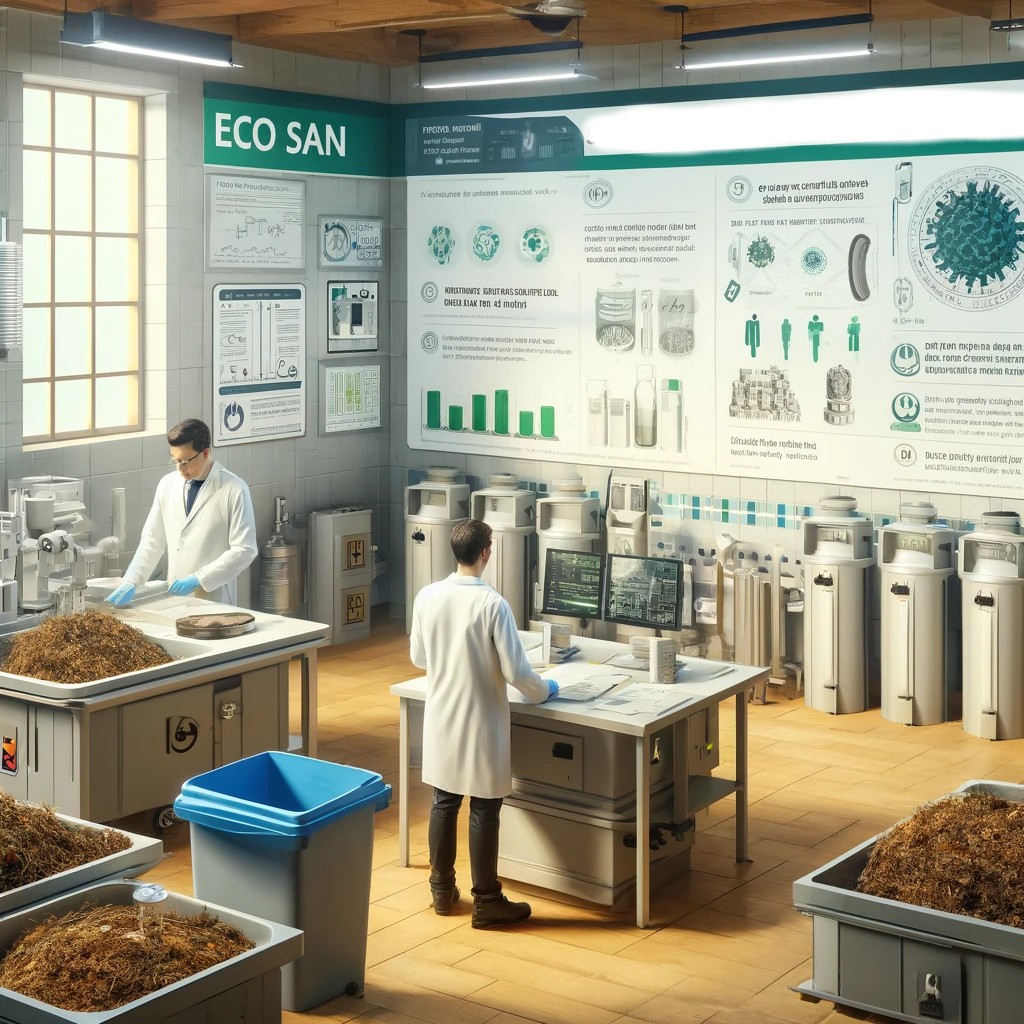
Ecological sanitation, commonly referred to as EcoSan, is a sustainable waste management system that protects human health and the environment while turning waste into resources. Soil health is at the heart of this approach, playing a crucial role in how effectively these systems recycle human excreta into valuable agricultural inputs. This article delves into the importance of soil health in ecological sanitation and provides practical guidance and resources for implementing EcoSan principles.
Understanding Soil Health
Soil health refers to the continued capacity of soil to function as a vital living ecosystem that sustains plants, animals, and humans. It’s the foundation of productive agricultural systems and essential for clean water, waste decomposition, and nutrient cycling. Healthy soil is rich in organic matter, well-structured, and teeming with microorganisms that help decompose organic material, including human excreta, into nutrients that plants can use.
The Connection Between Soil Health and Ecological Sanitation
Ecological sanitation systems are designed to prevent diseases and promote health by safely recycling nutrients back into the environment. Unlike traditional sanitation systems that often contaminate soil and water bodies, EcoSan systems use biological processes to decompose waste safely and convert it into a resource for improving soil fertility. This sustainable approach ensures that the nutrients from human waste are used to enhance soil health, thereby closing the nutrient loop.
Key Principles of Ecological Sanitation
- Prevent pollution rather than control it: EcoSan systems are designed to prevent the pollution of soil and water resources from the outset, rather than trying to manage them after the fact.
- Sanitize waste: These systems use processes such as composting and urine diversion to sanitize human waste, making it safe to be used as compost or fertilizer.
- Resource recovery and reuse: EcoSan promotes the recovery of nutrients, organic matter, and water from waste, turning them into valuable resources for agricultural use, thus enhancing soil health.
- Protect water resources: By avoiding the contamination of water through efficient waste management, EcoSan systems contribute to maintaining clean groundwater and surface water systems.
Implementing Ecological Sanitation
Designing EcoSan Systems
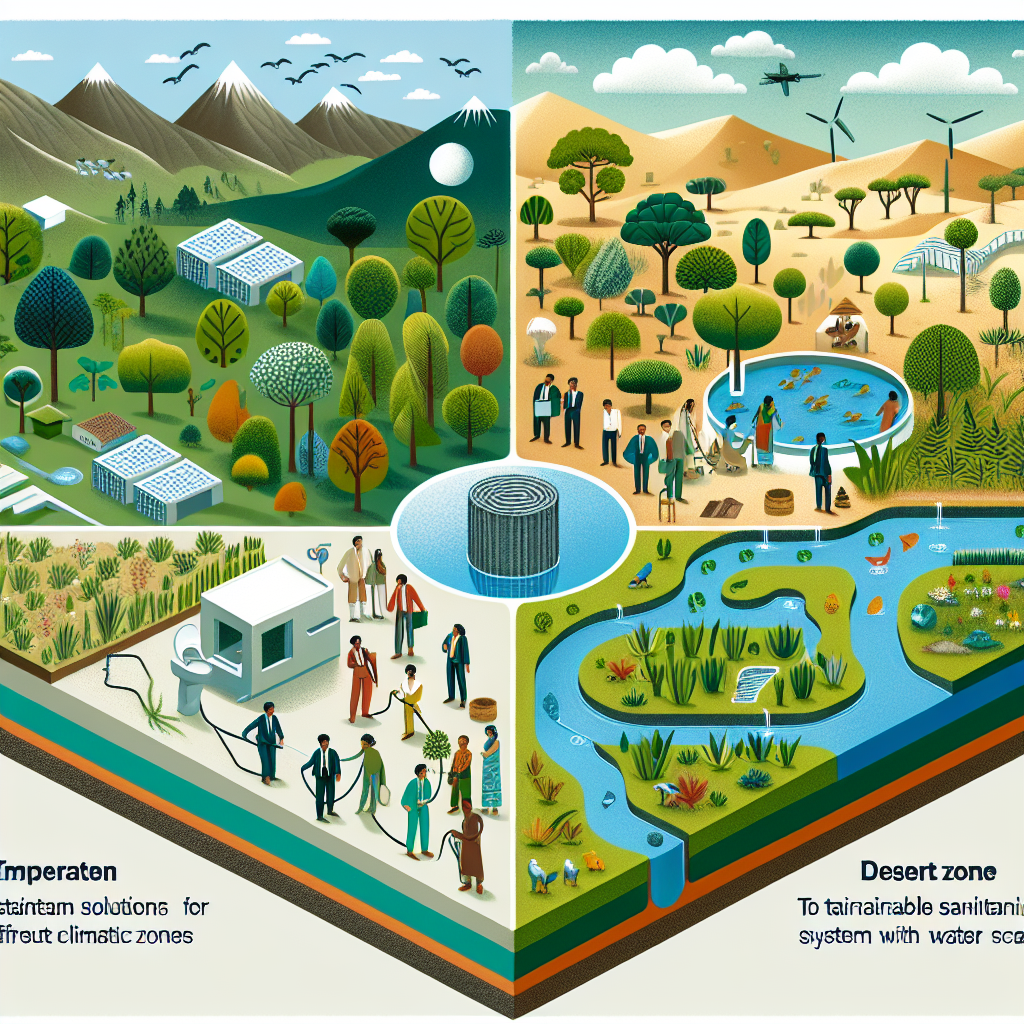
The design of an EcoSan system varies depending on local environmental conditions, social practices, and available resources. Here are some common EcoSan systems:
- Composting toilets: These facilitate the aerobic decomposition of excreta into compost that can be used to improve soil structure and fertility.
- Urine-diverting dry toilets (UDDTs): These toilets separate urine from feces. Urine can be used directly as a liquid fertilizer, rich in nitrogen and phosphorus, while feces are composted separately.
- Biogas systems: These systems treat waste anaerobically to produce methane that can be used as energy and sludge that can be applied as a nutrient-rich fertilizer.
Community Engagement and Education
Successful implementation of EcoSan systems requires community involvement and education. Workshops, training sessions, and educational materials can help communities understand the benefits of EcoSan and how to properly maintain these systems to ensure their effectiveness and sustainability.
Monitoring and Maintenance
Regular monitoring and maintenance are essential to ensure that EcoSan systems function correctly and safely. This includes monitoring soil health to ensure that the applied nutrients are benefiting the soil without causing harm, such as nutrient overload or contamination.
Challenges and Solutions
While the benefits of ecological sanitation are significant, there are challenges in widespread adoption, including cultural acceptability, initial costs, and the need for ongoing management. Addressing these challenges requires tailored solutions that consider local contexts and continuous support from governmental and non-governmental organizations to provide the necessary resources and education.
Conclusion
Soil health is pivotal in the functioning of ecological sanitation systems. By embracing EcoSan, communities not only protect their health and preserve natural resources but also contribute to the sustainability of agricultural practices. As we become more conscious of the interconnectedness of human activities and environmental health, ecological sanitation offers a promising path forward.
Resources on EcoSan Principles and Concepts
For those interested in learning more about ecological sanitation and its implementation, here are some resources:
- Sustainable Sanitation Alliance (SuSanA)
- Water Environment Federation (WEF)
- United Nations Environment Programme (UNEP)
- Practical Action – Technology challenging poverty
These organizations provide extensive information, case studies, and technical guidance on how to design, implement, and maintain EcoSan systems effectively.

Promoting Soil Health through Ecological Sanitation
Enhancing Biodiversity
One of the lesser-discussed benefits of EcoSan systems is their ability to enhance soil biodiversity. By reintroducing organic matter and nutrients into the soil, these systems foster a diverse microbial environment. This biodiversity is crucial for nutrient cycling, breaking down pollutants, and overall soil resilience against diseases and pests.
Sustainable Agriculture Practices
EcoSan systems align closely with sustainable agriculture practices such as permaculture, organic farming, and agroecology. These practices emphasize the minimization of external inputs, such as synthetic fertilizers and pesticides, relying instead on natural processes that sustain soil fertility. EcoSan provides a continuous, locally sourced, and eco-friendly nutrient supply, crucial for organic farming regimes.
Climate Change Mitigation
Healthy soils play a critical role in carbon sequestration, which helps mitigate climate change. Compost from EcoSan systems enriches the soil with organic carbon, contributing to carbon storage. By transforming waste into a resource, EcoSan also reduces methane emissions from waste management processes, further contributing to climate change mitigation.
Policy and Framework Support
To maximize the impact of ecological sanitation on soil health, supportive policies and frameworks are necessary. Governments can play a pivotal role by:
- Incorporating EcoSan into national sanitation policies: Recognizing EcoSan as a viable sanitation solution and supporting its integration into public health and environmental strategies.
- Providing subsidies and financial incentives: To encourage the adoption of EcoSan systems, financial incentives such as subsidies, tax breaks, and funding for research and development can be critical.
- Establishing standards and regulations: Developing standards for the safe use of recycled waste in agriculture, ensuring that EcoSan products meet health and environmental safety criteria.
Case Studies and Examples
Several communities worldwide have successfully implemented ecological sanitation projects, showcasing the benefits and viability of these systems:
- Sweden: Pioneering in urine-diverting toilets, Sweden has numerous EcoSan projects that demonstrate how nutrients recovered from human waste can be safely reused in agriculture.
- Rwanda: Projects in Rwanda have focused on constructing urine-diverting dry toilets in rural areas, improving sanitation while producing fertilizers that enhance soil fertility.
- India: In India, various initiatives have employed biogas digesters that treat waste and produce energy, with the byproduct used as a nutrient-rich slurry for agricultural fields.
These examples highlight the adaptability of EcoSan systems to different cultural, economic, and environmental contexts, proving that ecological sanitation can be a global solution.
Conclusion
The link between soil health and ecological sanitation is fundamental. As we advance in our understanding and implementation of EcoSan systems, we enhance not only public health and sanitation but also the health of our soils and the broader environment. The ongoing shift towards sustainable waste management practices promises a healthier planet and a sustainable future for agriculture.
The adoption of ecological sanitation represents a significant step forward in our relationship with the natural world, aligning human health with environmental sustainability. As more communities and nations recognize and embrace these benefits, the impact of ecological sanitation will continue to grow, fostering a greener and more sustainable future.
Additional Resources
For further exploration into ecological sanitation and its benefits, these resources offer extensive knowledge and practical advice:
- Global Water Pathogen Project
- International Water Association (IWA)
- EcoSanRes: Ecological Sanitation Research
- Centre for Science and Environment (CSE), India
These platforms provide a wealth of information, helping stakeholders from policymakers to individual community members understand and implement effective EcoSan solutions. Through education, adoption, and advocacy, ecological sanitation can lead to healthier soils and a more sustainable world.