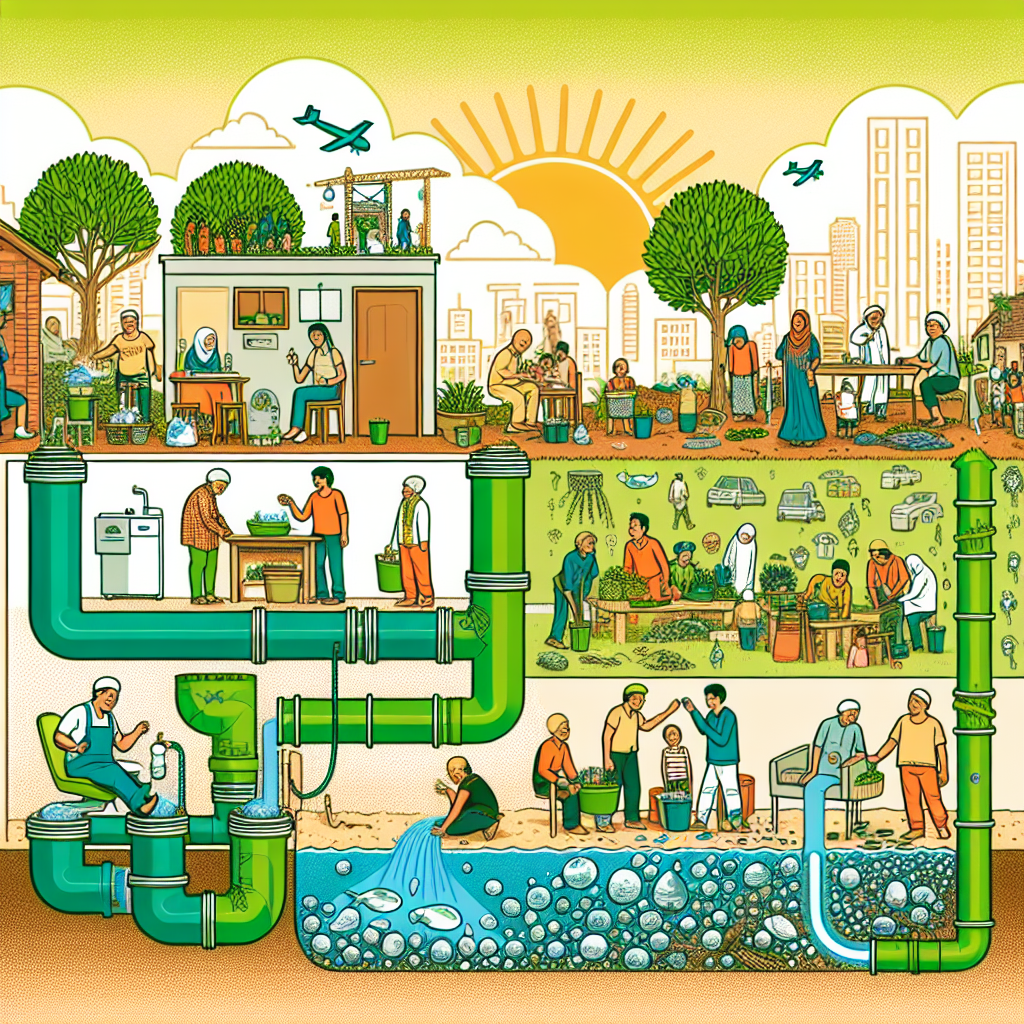
Understanding EcoSan: A Brief Overview
Ecological Sanitation (EcoSan) is a sustainable approach to managing human excreta by considering it as a resource rather than waste. This method emphasizes closing the nutrient cycle by recovering and recycling nutrients from excreta to reduce environmental impact and enhance soil fertility. EcoSan systems typically involve sanitizing and composting waste, which can then be safely used to support agriculture, thus contributing to food security and sustainable agriculture.Despite its significant benefits, EcoSan faces numerous challenges that hamper its widespread adoption. Addressing these challenges is crucial for scaling up EcoSan practices globally.
Challenges for Scaling Up EcoSan
Social Acceptance and Cultural Barriers
One of the primary obstacles to the adoption of EcoSan is the cultural resistance towards the use of human excreta in agriculture. In many cultures, there are deep-seated beliefs and taboos regarding human waste, which are often associated with notions of impurity. Overcoming these perceptions requires comprehensive community engagement and education to shift mindsets and demonstrate the health, environmental, and economic benefits of EcoSan.
Financial and Economic Hurdles
The initial setup cost for EcoSan systems can be relatively high, deterring adoption, especially in low-resource settings. Many communities, particularly in developing countries, might find it challenging to invest in the necessary infrastructure without financial assistance. Moreover, the economic benefits, although significant in the long run, are not immediately apparent to individuals and policymakers, making investment decisions tougher.
Regulatory and Policy Frameworks
In many regions, there is a lack of supportive policies and regulations that facilitate the implementation of EcoSan solutions. Legal and regulatory frameworks often do not recognize or support the reuse of human excreta in agriculture. Developing inclusive policies that promote EcoSan practices and ensure health and environmental safety standards is essential for broader adoption.
Technological Adaptation and Integration
Adapting EcoSan systems to diverse geographical and climatic conditions poses another significant challenge. Technologies need to be versatile and adaptable to different environments to be effectively implemented on a large scale. Additionally, integrating EcoSan with existing sanitation and waste management systems without disrupting them requires innovative solutions and careful planning.
Innovative Solutions to Overcome Obstacles
Educational Campaigns and Community Engagement
Effectively scaling up EcoSan begins with changing mindsets. Educational campaigns that focus on the environmental and health benefits of EcoSan can play a pivotal role in shifting public perception. Utilizing local leaders and influencers to endorse these systems can also enhance community acceptance and engagement.
Financial Models and Incentives
Developing sustainable financial models is crucial. This could include providing subsidies or low-interest loans for setting up EcoSan systems. Additionally, governments and organizations could offer incentives such as tax breaks or support for research and development of new technologies in this field.
Policy Advocacy and Support
Engaging with policymakers to draft and reform policies that support EcoSan practices is another vital step. Advocacy efforts should aim to integrate EcoSan into national sanitation and waste management policies. Developing standards and guidelines for the safe use of recycled excreta in agriculture could also facilitate greater acceptance and implementation.
Tailored Technological Solutions
Investing in research and development to create scalable, adaptable, and affordable EcoSan technologies is essential. Collaboration between researchers, technologists, and local communities can lead to innovations that are culturally acceptable and environmentally sustainable.
Building Local Capacity and Empowerment
One of the most effective strategies for overcoming the challenges associated with scaling up EcoSan is building local capacity and empowerment. This involves training and equipping local populations with the necessary skills and knowledge to implement, maintain, and advocate for EcoSan systems. Such grassroots involvement can accelerate acceptance and sustainability, making the local community not just participants but active drivers of change.
Strengthening Technical Expertise
Local capacity building must prioritize technical training. This encompasses educating community technicians on installing, managing, and troubleshooting EcoSan systems, ensuring they can operate independently without requiring constant external support. Establishing local workshops and ongoing training programs can help maintain a high level of expertise within the community, providing a foundation for long-term sustainability.

Empowerment through Ownership
Ownership is a powerful motivator. When communities are involved in the planning and decision-making processes of EcoSan projects from the outset, they are more likely to embrace and sustain these systems. This type of involvement helps to ensure that the solutions are tailored to fit the specific needs and preferences of the community, thereby increasing the likelihood of successful integration and long-term operation.
Community-Led Advocacy
Empowered communities can become potent advocates for EcoSan. By sharing their success stories and the tangible benefits of EcoSan systems, community members can influence neighboring regions and persuade hesitant individuals. This peer-to-peer influence is crucial in building a broader network of EcoSan adopters and enthusiasts.
Leveraging Technology and Innovation
To effectively address the diverse challenges in scaling up EcoSan, leveraging technology and innovation is imperative. Modern tools and software can help design more efficient and less obtrusive systems, potentially lowering costs and increasing adaptability to various environmental conditions.
Harnessing Mobile Technology
In today’s digital age, mobile technology can play a pivotal role in monitoring and managing EcoSan systems. Mobile apps can help users track the performance of their systems, schedule maintenance, and even get tips on maximizing the efficiency of nutrient recycling. Furthermore, such technologies can facilitate real-time data collection and analysis, providing valuable insights into the health and environmental impacts of EcoSan systems.
Innovations in Material Science
Advancements in material science can lead to the development of more durable and efficient composting toilets and other EcoSan components. These innovations could reduce the costs and logistical challenges associated with the systems, making them more accessible and appealing to a wider range of users, from rural to urban settings.Through these dedicated efforts in community engagement, capacity building, and technological innovation, the expansion of EcoSan can be strategically bolstered. This approach not only addresses the immediate barriers but also paves the way for a sustainable and resilient future where waste is transformed into a valuable resource, fostering a healthier relationship between humans and their environment.
Enhancing Community Engagement with Digital Platforms
In the quest to scale EcoSan effectively, integrating digital platforms to enhance community engagement could play a transformative role. Engaging online tools such as forums, webinars, and dedicated social media groups can create an environment of continuous learning and interaction that supports community empowerment and capacity building.
Facilitating Knowledge Sharing
Digital platforms can serve as a dynamic space for sharing essential training materials, troubleshooting guides, and success stories. These resources empower individuals to gain knowledge at their own pace, ask questions, and receive feedback from their peers or experts in the field. By providing an accessible avenue for knowledge dissemination, these platforms help to ensure that everyone, regardless of geographical location, has access to essential information that can bolster their implementation efforts.
Fostering Collaborative Learning
The establishment of virtual communities can facilitate a more inclusive approach to problem-solving. Community members can collaborate to tackle common challenges, exchange best practices, and provide mutual support. These collaborative efforts channel the collective expertise and experiences of diverse individuals, fostering a richer learning environment where practical, community-specific solutions can emerge.
Enhancing Inclusivity and Reach
Online engagement tools have the unique advantage of bridging physical distances, allowing for broader inclusion of remote or marginalized communities. This inclusive approach not only enriches the dialogue around EcoSan with diverse perspectives but also ensures that more individuals are equipped with the skills and knowledge needed to advocate for and maintain EcoSan systems. The broad reach of digital tools also helps in mobilizing resources and attention more efficiently, amplifying the impact of local actions on a global scale.By prioritizing these digital engagement strategies alongside traditional methods, EcoSan projects can harness the power of technology to foster a well-informed, collaborative, and empowered community. Such communities are better positioned to sustain the EcoSan systems and advocate for their broader adoption, driving impactful change step by step.
Conclusion: Uniting Communities Through Digital Empowerment
The modern landscape of community engagement is increasingly digital. By embracing this shift, EcoSan initiatives can significantly amplify their impact, creating a symbiotic relationship between technology and community development. Digital platforms offer an unprecedented opportunity to connect, educate, and empower individuals across vast geographical boundaries, making them essential tools in the quest for sustainable sanitation solutions.The integration of digital forums, webinars, and social networks into EcoSan projects not only democratizes access to crucial information but also cultivates an environment where continuous learning and meaningful interactions thrive. The power to share knowledge, collaborate on solutions, and broaden participation is no longer constrained by physical presence, enabling a far more inclusive and dynamic approach to community engagement.
Furthermore, the use of digital tools in EcoSan projects harnesses collective intelligence and facilitates a participatory form of communication that values every contributor. From sharing success stories that inspire to troubleshooting challenges collectively, these platforms engage community members in a deeply interconnected and mutually supportive network. This approach not only enhances the effectiveness of EcoSan systems but also strengthens community bonds, fostering a united front in the pursuit of sustainable development goals.Ultimately, the strategic incorporation of digital platforms in EcoSan initiatives represents more than just an operational enhancement—it is a fundamental shift towards creating more resilient, inclusive, and empowered communities. As we continue to navigate the challenges and opportunities of sustainable development, the role of digital technology in building and nurturing these communities cannot be overstated. By leveraging digital tools, we can ensure that every community member, regardless of their location, has a voice in shaping a sustainable future. This is the power of digital transformation in community engagement: a tool for both empowerment and change.