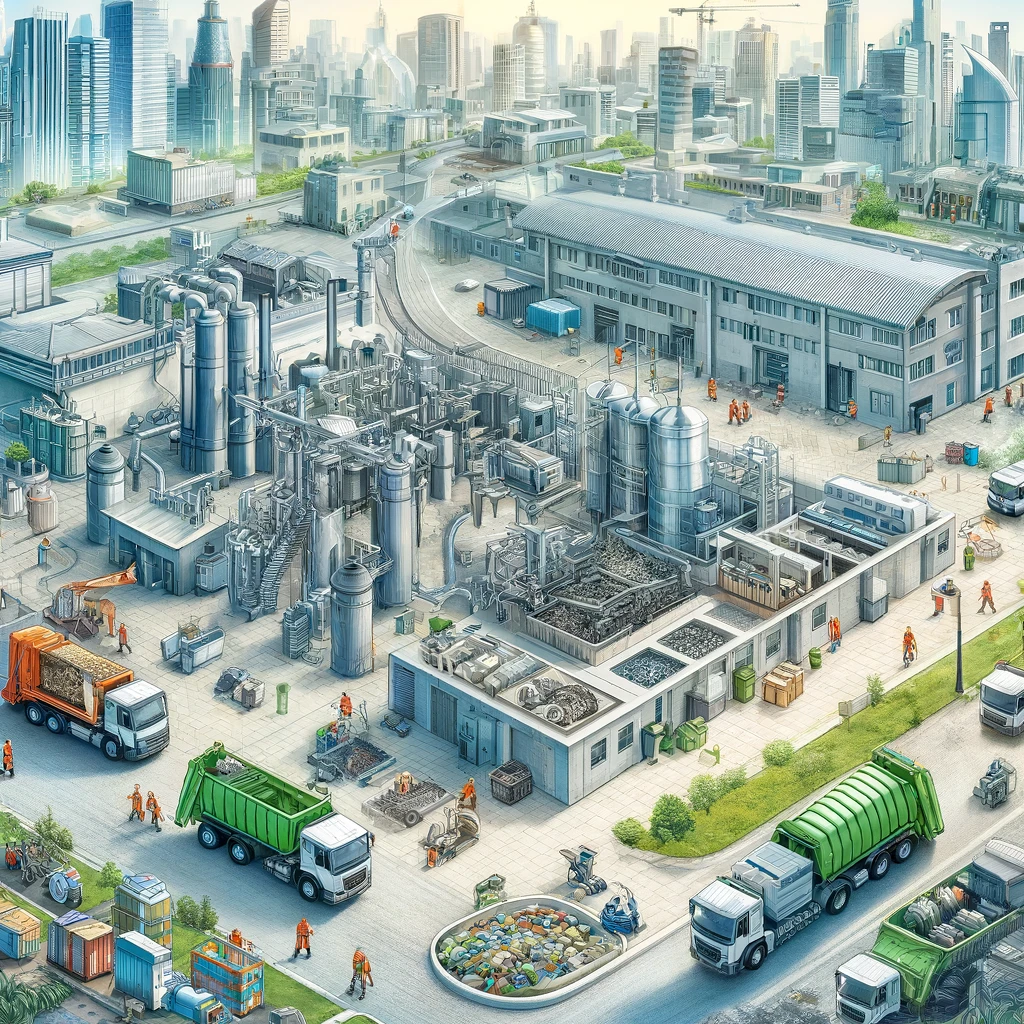
Ecological sanitation, commonly known as EcoSan, is an innovative approach to sanitation that offers sustainable solutions while minimizing environmental impacts. Unlike traditional sanitation systems, which often rely on water-based waste disposal methods, EcoSan principles focus on resource recovery and environmental protection. This approach emphasizes the safe and efficient recycling of human waste into valuable resources such as compost and biogas, thereby creating a closed-loop system that benefits communities both economically and environmentally. As we delve into the long-term impacts of EcoSan on community development, it becomes clear that this sustainable sanitation method is more than just an alternative—it’s a pathway to healthier and more resilient communities.
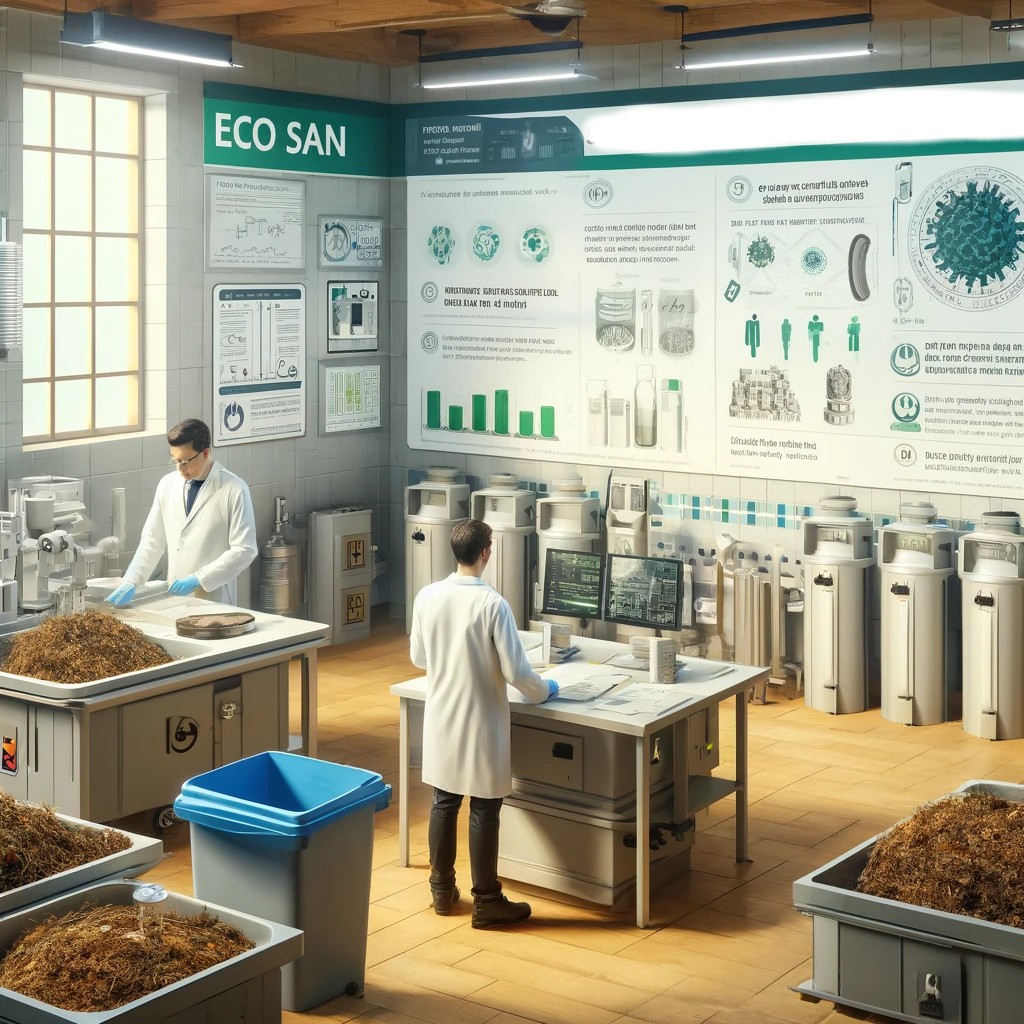
The core concept of EcoSan lies in its ability to transform waste into resources, closing the nutrient loop and reducing the strain on natural ecosystems. By converting human excreta into safe, usable products like fertilizer, EcoSan systems not only reduce the dependency on chemical fertilizers but also enhance soil fertility and agricultural productivity. Moreover, these systems contribute to water conservation efforts by significantly reducing the need for water in sanitation processes. This holistic approach ensures that EcoSan systems have a long-lasting and positive impact on community health, economic prosperity, and environmental sustainability.
Improved Public Health
The implementation of EcoSan systems in communities has proven to have a significant impact on public health. Traditional sanitation methods, often involving inadequate infrastructure or open defecation, can lead to the contamination of water sources and the spread of waterborne diseases. Such conditions disproportionately affect vulnerable populations, including children and the elderly. In contrast, EcoSan systems provide a safe and hygienic alternative that reduces the risk of pathogen transmission and improves overall sanitation standards.
By containing and treating human waste at the source, EcoSan toilets prevent the contamination of drinking water and reduce the incidence of diseases such as cholera, dysentery, and gastrointestinal infections. Furthermore, EcoSan systems often include educational components that raise awareness about proper sanitation practices and hygiene, empowering communities to take control of their health. Over time, the adoption of EcoSan can lead to a substantial decrease in healthcare costs and increase in community wellbeing, paving the way for healthier future generations.
Economic Benefits
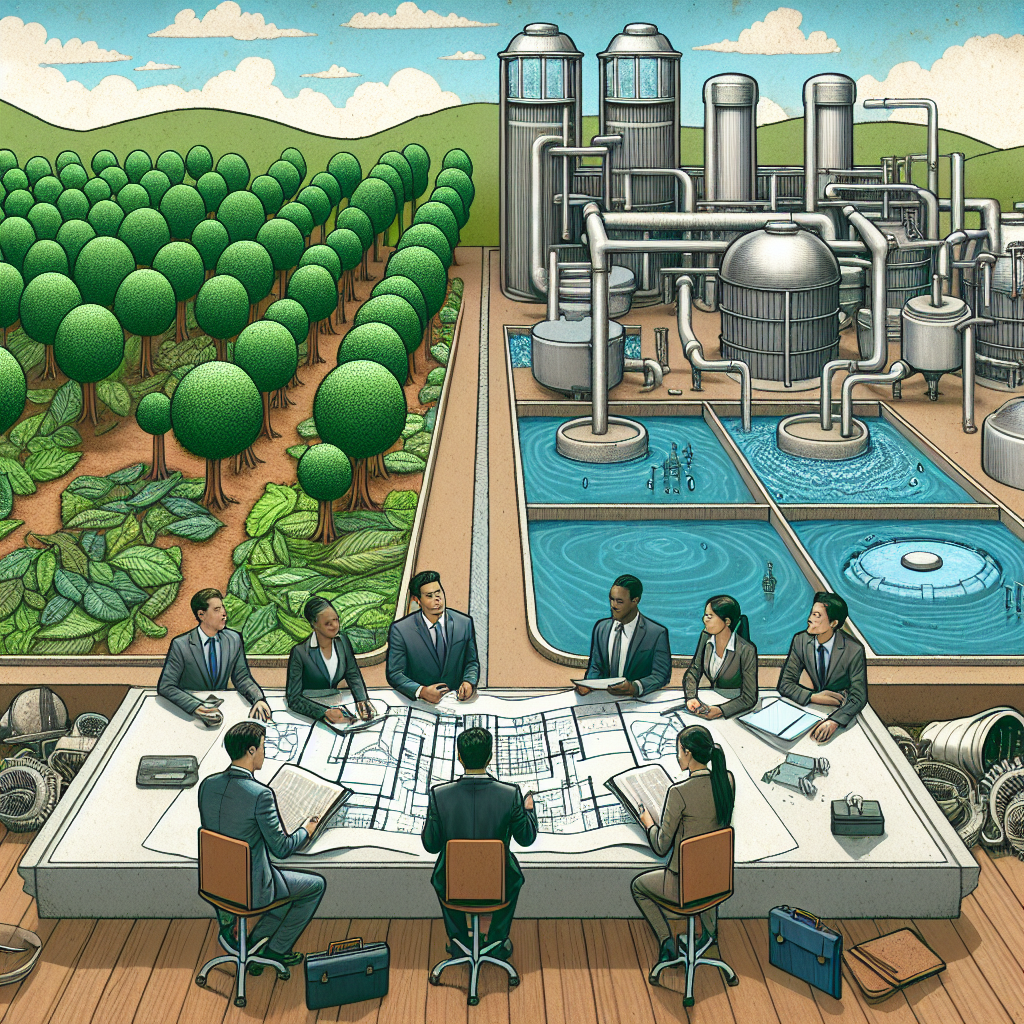
EcoSan systems offer a unique opportunity for communities to convert waste into economic value. One of the most notable economic benefits of EcoSan is the production of organic fertilizers from human excreta. This process allows communities to create a sustainable supply of high-quality compost that can be used to enhance agricultural productivity. The use of organic fertilizers reduces the dependency on chemical alternatives, which can be costly and environmentally harmful. By improving soil fertility and crop yields, EcoSan systems help boost local food security and generate additional income for farmers.
Moreover, the biogas produced from EcoSan systems can serve as a renewable energy source, providing households with a cost-effective alternative to traditional fuels such as firewood and charcoal. This not only alleviates the financial burden associated with energy procurement but also contributes to environmental sustainability by reducing deforestation and greenhouse gas emissions. In essence, EcoSan systems create a circular economy where waste is transformed into resources that drive economic growth and community development.

Environmental Sustainability
One of the cornerstone principles of EcoSan is environmental sustainability. By promoting the safe and efficient recycling of human waste, EcoSan systems help conserve natural resources and protect ecosystems from degradation. Traditional wastewater treatment methods often require substantial amounts of water and energy, leading to resource depletion and environmental pollution. EcoSan, on the other hand, utilizes dry or low-water sanitation technologies that minimize water usage and reduce the environmental footprint of waste management.
Furthermore, the use of EcoSan systems helps prevent soil and water pollution caused by untreated sewage. The nutrients recovered from human waste can be safely applied to agricultural lands, enhancing soil health and preventing nutrient runoff into water bodies. This practice supports the regeneration of degraded soils and promotes sustainable agricultural practices. By closing the nutrient loop, EcoSan systems contribute to the resilience of ecosystems and ensure the long-term viability of natural resources for future generations.
Social Empowerment and Education
EcoSan systems play a crucial role in social empowerment and education, particularly in underserved and marginalized communities. The implementation of EcoSan often involves community engagement and participatory approaches that promote collective action and ownership. Training programs and workshops on EcoSan principles and practices empower community members with the knowledge and skills needed to manage their sanitation systems effectively. This capacity-building process fosters a sense of responsibility and pride, encouraging communities to maintain and sustain their EcoSan infrastructure.
Additionally, the educational component of EcoSan extends beyond sanitation to encompass broader health and environmental literacy. By raising awareness about the links between sanitation, health, and environmental conservation, EcoSan initiatives help build informed and resilient communities. Schools, in particular, can benefit from EcoSan systems by integrating sanitation education into their curriculums, fostering a culture of sustainability among future generations. This holistic approach to education and empowerment is vital for achieving lasting community development and wellbeing.
Challenges and Opportunities
While the benefits of EcoSan systems are substantial, there are also challenges that must be addressed to ensure their success and sustainability. One of the primary challenges is the initial cost of installing EcoSan infrastructure, which can be a barrier for low-income communities. To overcome this, it is essential to develop financing mechanisms and support programs that make EcoSan technologies more accessible and affordable. Additionally, cultural attitudes and beliefs about handling human waste can pose obstacles to the acceptance and adoption of EcoSan systems. Community engagement and education are critical in addressing these cultural barriers and promoting positive behavioral change.
Despite these challenges, there are numerous opportunities for scaling up EcoSan initiatives globally. Innovations in EcoSan technologies, such as urine-diverting dry toilets and composting latrines, continue to improve the efficiency and effectiveness of these systems. Furthermore, the integration of EcoSan with other sustainable development initiatives, such as water management and renewable energy projects, can amplify its impact and foster holistic community development. By leveraging partnerships and collaborations with governments, NGOs, and the private sector, the potential for widespread adoption of EcoSan is immense.
Conclusion
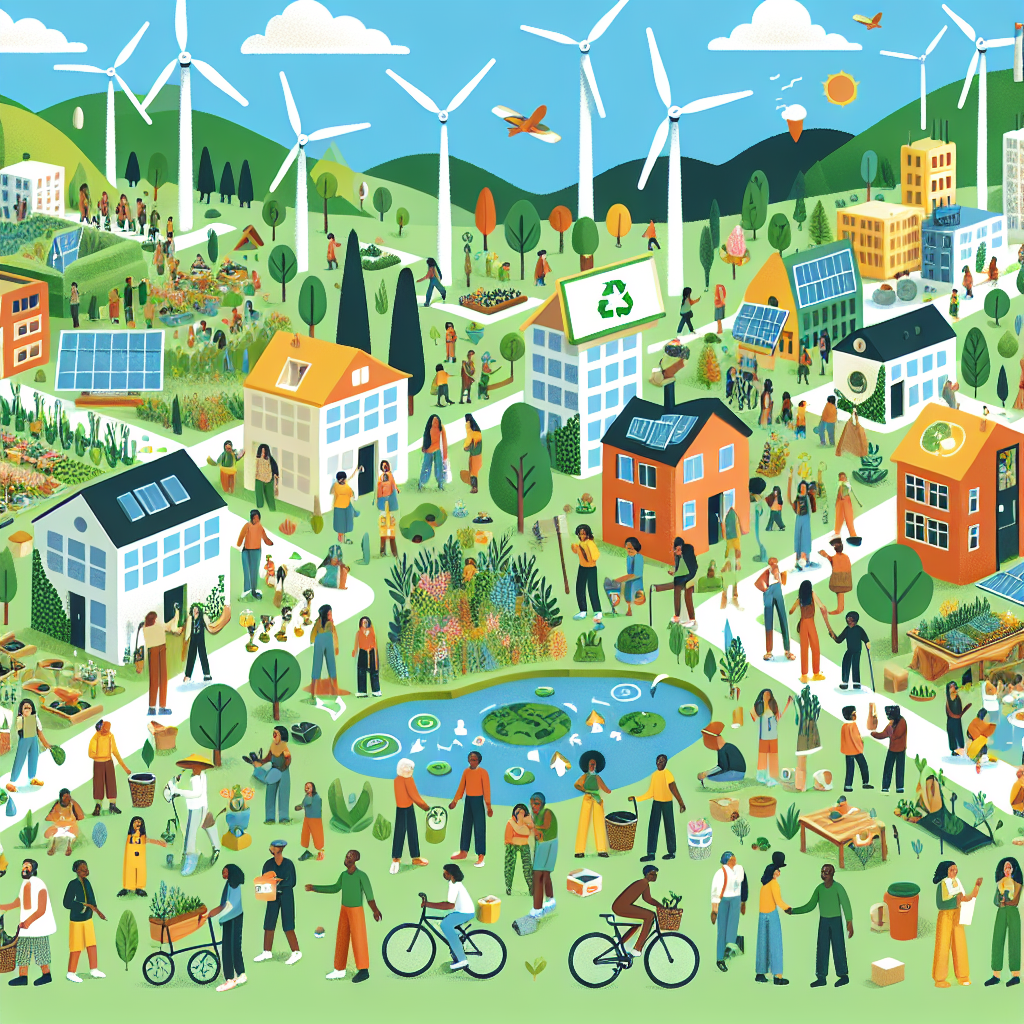
In conclusion, the long-term impacts of EcoSan on community development are profound and multifaceted. EcoSan systems offer a sustainable and holistic solution to sanitation challenges, transforming waste into valuable resources that drive economic growth, enhance public health, and promote environmental sustainability. By improving sanitation standards, reducing disease incidence, and creating economic opportunities, EcoSan systems contribute to the overall resilience and wellbeing of communities. Moreover, EcoSan initiatives empower individuals with the knowledge and skills needed to manage their sanitation systems effectively, fostering a culture of sustainability and collective action.
As we look towards the future, it is essential to continue advocating for and investing in EcoSan solutions. The challenges associated with EcoSan adoption can be addressed through innovative financing mechanisms, community engagement, and educational programs. By scaling up EcoSan initiatives and integrating them with broader sustainable development goals, we can create a world where every community has access to safe, sustainable, and dignified sanitation. The journey towards widespread EcoSan adoption is a collaborative effort, and with the right strategies and partnerships, we can achieve lasting and meaningful community development that benefits both people and the planet.