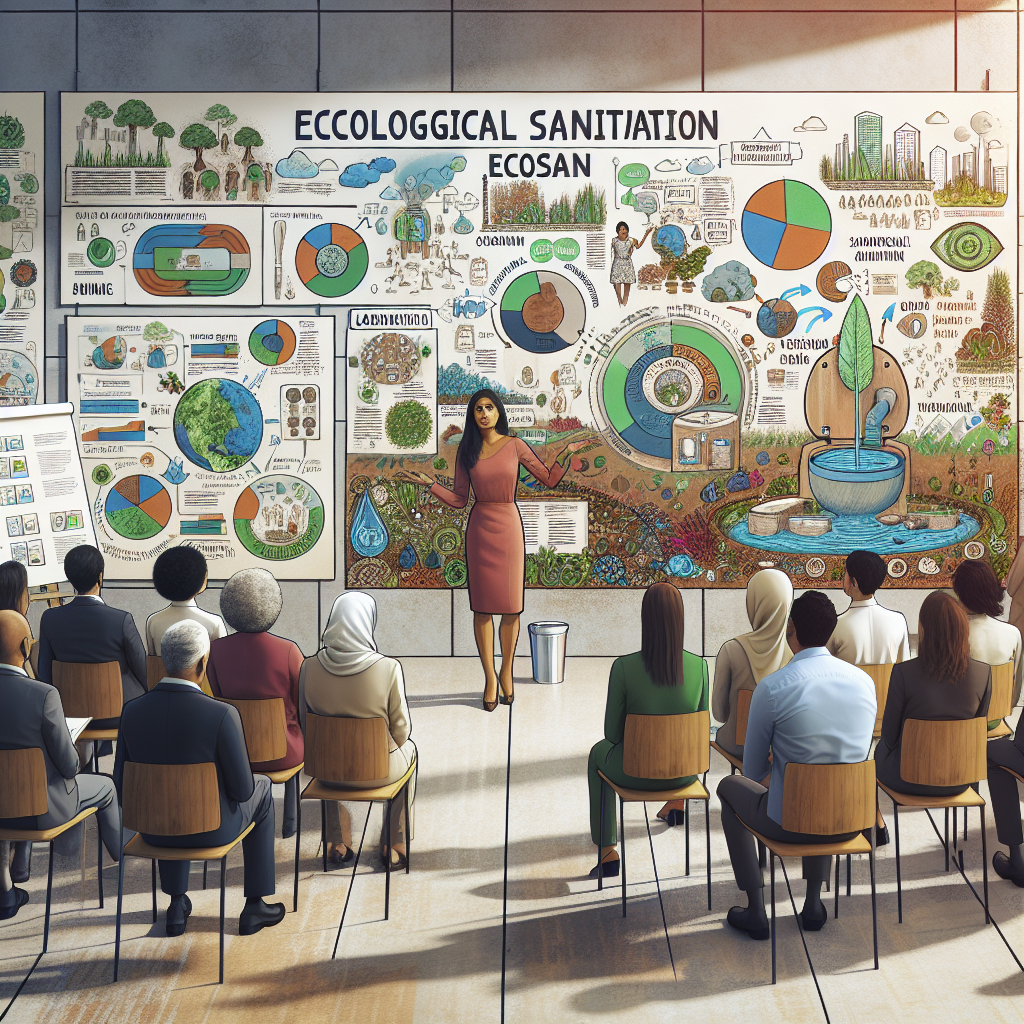
Ecological sanitation (EcoSan) is an innovative approach to waste management that seeks to transform human excreta from waste into valuable resources. While the principles and techniques of EcoSan are well-documented, communicating these concepts to a broad and diverse audience presents its own set of challenges. The term “diverse audiences” doesn’t only refer to people from different cultural or socio-economic backgrounds but also includes individuals with varying levels of understanding and different interests. Successfully conveying the benefits and practices of EcoSan to such multifaceted groups requires a thoughtful approach and a repertoire of communication strategies.
One of the main objectives of EcoSan is to promote public health and sustainability. Traditional sanitation systems often fail to address these critical issues, leading to environmental degradation and health hazards. EcoSan, on the other hand, aims to close the loop by safely recycling human waste into valuable resources like compost and biogas. This closed-loop system not only conserves water but also enriches soils and reduces the need for chemical fertilizers.
Despite its immense benefits, EcoSan concepts can sometimes be met with resistance or a lack of understanding. For many, the idea of reusing human waste is unfamiliar and may evoke a sense of discomfort. Effective communication around EcoSan, therefore, involves not only providing information but also addressing misconceptions and fostering a positive mindset toward these sanitation practices. From local communities in developing countries to urban dwellers in technologically advanced cities, the message needs to be crafted thoughtfully and delivered convincingly for EcoSan to be widely accepted and implemented.
Understanding the Audience
The first step in effectively communicating EcoSan principles is understanding the audience. Different audiences require different approaches, as their knowledge base, cultural context, and interests vary widely. In rural communities, for instance, people might be more interested in how EcoSan can improve soil fertility and increase agricultural yields. In contrast, urban populations might resonate more with the water-saving and eco-friendly aspects of EcoSan systems.
When communicating with policy-makers and government officials, it is essential to highlight how EcoSan can contribute to achieving national and international sustainability goals. Showing quantified benefits, such as cost savings and potential public health improvements, can also capture their attention. On the other hand, for academics and researchers, presenting scientific evidence and case studies can be an effective way to advocate for EcoSan.
Additionally, tailoring communication to specific demographics, such as schoolchildren or elderly individuals, can have a significant impact. Diagrams, visual aids, and hands-on demonstrations can help younger audiences understand the principles of EcoSan better, while practical examples and relatable anecdotes might resonate more with older generations. Understanding these nuances helps in crafting messages that are not only heard but also understood and appreciated by diverse groups.
Utilizing Different Communication Channels
An essential aspect of communicating EcoSan concepts effectively is selecting the appropriate communication channels. In today’s digitized world, information can be disseminated through various platforms, each offering unique advantages and reaching different segments of the population. For instance, social media platforms like Facebook, Instagram, and Twitter are highly effective for reaching a younger, tech-savvy audience. These platforms can share engaging content such as videos, infographics, and success stories that highlight the benefits and processes of EcoSan.
In contrast, in rural or underdeveloped areas where internet penetration may be low, traditional media such as radio, television, and community meetings could be more effective. Organizing workshops, seminars, and demonstrations in these areas can also help in direct interaction, allowing for immediate feedback and questions. Printed materials such as brochures, posters, and flyers can also play a crucial role in spreading information, especially if they’re translated into local languages and include culturally relevant imagery.
Educational institutions can serve as another vital communication channel. By incorporating EcoSan principles into school curricula or university courses, the younger generation can grow up with an understanding and appreciation of sustainable sanitation practices. Collaborating with NGOs, community leaders, and other local influencers can further help in spreading the EcoSan message, especially in communities where these figures hold significant sway.

Overcoming Misconceptions and Building Trust
One of the significant barriers to the acceptance of EcoSan is the various misconceptions and myths surrounding the reuse of human waste. Many people might instinctively react negatively to the concept due to cultural taboos, lack of understanding, or simply misinformation. Effective communication must therefore encompass addressing these misconceptions head-on and providing clear, factual information that builds trust.
Using real-life examples and case studies can be particularly powerful in dispelling myths. Showing successful implementations of EcoSan systems in other communities, along with testimonials from users, can make the concept more tangible and less abstract. It’s vital to explain the scientific principles behind EcoSan processes, emphasizing the safety measures involved in treating and converting waste into valuable resources.
Moreover, transparent communication about both the advantages and potential challenges of EcoSan can contribute to building trust. Acknowledging that while EcoSan systems offer numerous benefits, they require proper maintenance and community involvement, helps in creating realistic expectations. Inviting skeptics to participate in pilot projects or visit established EcoSan installations can also enhance their understanding and acceptance of the concept.
Engaging Community Participation
For EcoSan to be successful, community participation is crucial. Without the community’s buy-in and involvement, even the most technically sound EcoSan systems can fail. Engaging the community requires more than just providing information; it involves actively involving them in the planning, implementation, and maintenance processes.
Community meetings and workshops can serve as platforms for discussing EcoSan, understanding community concerns, and brainstorming solutions collectively. Encouraging local leadership in the form of EcoSan champions or ambassadors can also facilitate the adoption of these systems. These individuals can act as role models, sharing their experiences and encouraging others to participate.
Crowdsourcing ideas and solutions from the community can lead to innovations that are more suited to local conditions and needs. This participatory approach not only enhances the effectiveness of EcoSan projects but also fosters a sense of ownership and responsibility among community members. When people feel that they have a stake in the process, they are more likely to support and sustain EcoSan initiatives.
Providing Continuous Education and Support
The journey of adopting EcoSan principles doesn’t end with initial implementation. Continuous education and support are vital to ensure the long-term success of EcoSan systems. This ongoing process helps in adapting to new challenges, integrating improvements, and keeping the community engaged.
Training programs and workshops can be organized periodically to update community members on best practices, new technologies, and troubleshooting techniques. Establishing a local support structure, perhaps through a team of trained EcoSan professionals or a dedicated helpdesk, can provide the necessary assistance and guidance when needed.
Online resources such as websites, webinars, and e-learning courses can also play a significant role in continuous education. These platforms can offer easy access to information, allowing users to learn at their own pace and convenience. Moreover, creating a network or community of practice where EcoSan practitioners can share their experiences, challenges, and solutions can foster peer learning and innovation.
Conclusion
Communicating the principles and benefits of EcoSan to diverse audiences is both an art and a science. It requires a deep understanding of the target groups, selecting appropriate communication channels, addressing misconceptions, building trust, engaging community participation, and providing continuous education and support. By adopting a multifaceted and inclusive approach to communication, it is possible to overcome the barriers and resistance associated with EcoSan.
Effective communication not only educates but also inspires and motivates individuals to make sustainable choices. Breaking down complex concepts into understandable and relatable messages, backed by real-life examples and scientific evidence, can go a long way in promoting EcoSan. Ultimately, successful engagement around EcoSan hinges on creating a sense of ownership and shared responsibility, encouraging communities to take an active role in adopting and maintaining sustainable sanitation practices.
As we continue to face global challenges related to water scarcity, sanitation, and environmental sustainability, the importance of EcoSan cannot be overstated. By mastering the art of communication and leveraging the power of collective action, we can pave the way toward a healthier, cleaner, and more sustainable future for all.