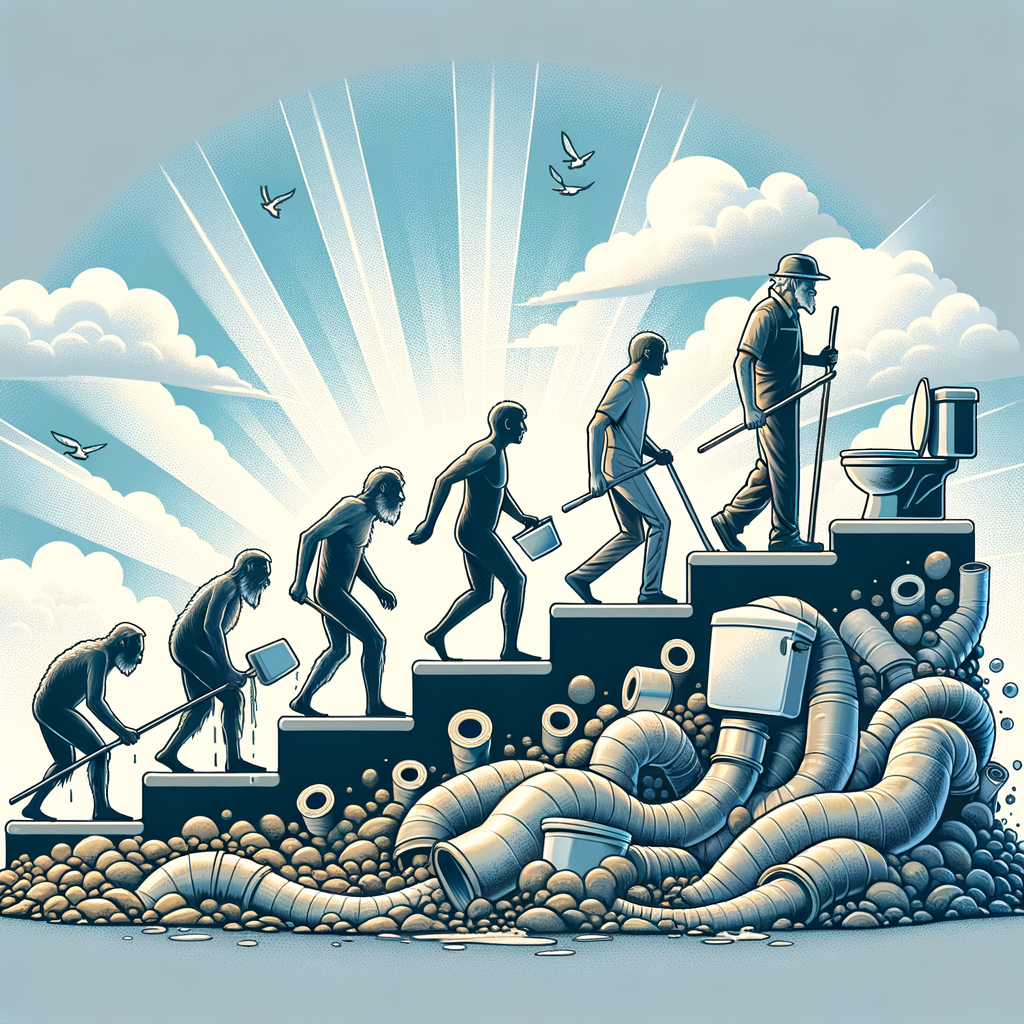
Sanitation has long been one of humanity’s critical issues, fundamentally shaping public health and quality of life. Throughout history, our approaches have evolved from rudimentary methods to more sophisticated systems, gradually developing with advances in technology and our growing understanding of health and environmental science. Today, sanitation is not just about waste disposal. It’s an integral aspect of sustainable development, public health, and social well-being. Traditional sanitation practices primarily revolved around instinctual and basic methods for dealing with human waste, often with minimal regard for hygiene or environmental impact. As civilizations grew, so did the complexity and implications of effective sanitation. The journey from these early methods to modern ecological sanitation (EcoSan) highlights the pivotal shifts in our approach toward sanitation solutions—balancing human needs with environmental sustainability.
Modern EcoSan represents a paradigm shift, emphasizing a circular approach to human waste, treating it as a resource rather than mere waste to be discarded. This approach takes into account the need for environmental protection, resource conservation, and public health improvement. As resources become scarcer and environmental impact gains visibility, EcoSan proves imperative in addressing these challenges. By examining the evolution of sanitation, from traditional practices to modern EcoSan strategies, we can appreciate the innovations that have shaped human responses to one of our most basic needs. This comprehensive transformation highlights how society’s relationship with sanitation has consistently influenced broader social, health, and environmental discussions. By exploring this journey, we gain insights into how we can further optimize sanitation for the future, particularly within the context of sustainable development.
The Ancient and Medieval Sanitation Practices
Ancient civilizations laid many foundational aspects of today’s sanitation systems, recognizing that waste needed management to prevent disease and maintain clean living spaces. Mesopotamia offers one of the earliest glimpses into urban sanitation with its clay pipe sewer systems, illustrating a fundamental understanding of waste management. The city of Mohenjo-Daro in the Indus Valley highlighted further ingenuity with advanced street-based drainage systems and public baths, establishing principles that would influence future generations. The Greeks and Romans subsequently revolutionized sanitation with extensive aqueduct networks delivering fresh water and removing effluent from cities. Roman civilization is particularly noteworthy for public latrines and sewer systems, such as the Cloaca Maxima, demonstrating their commitment to sanitation infrastructure at an unprecedented scale. These advancements underscored the critical role of engineering and technology in waste management and public health.
Meanwhile, medieval Europe presented a period where sanitation practices stagnated and often regressed. The collapse of Roman infrastructure and the minimal advancement in replacement systems resulted in dire sanitary conditions. Waste disposal primarily involved rudimentary cesspits and open public disposal, with rivers often becoming dumping grounds for raw sewage. Urban centers grew increasingly crowded, exacerbating these issues, leading to various health crises, such as the bubonic plague, which thrived in unsanitary conditions. This period signified a crucial lesson in the dangers of neglecting sanitation and the resulting public health implications.
Modern Sanitation Advancements
The onset of the industrial revolution marked significant shifts in sanitation practices, initiated by urbanization and increased human density. This era catalyzed the development of modern sanitation systems, driven by the urgent need to manage waste in ever-expanding cities. 19th century England became a pioneering force, as public health reformers propelled sanitation to the forefront of societal needs. The “Great Stink” of 1858 in London, caused by the Thames River’s pollution, ignited reforms and resulted in comprehensive sewer network construction engineered by Joseph Bazalgette. Bazalgette’s work laid the foundation for city-wide sewer systems that are still referenced in contemporary designs, illustrating the effectiveness and longevity of well-planned infrastructure.
Public health understanding also improved significantly during this period, driven by burgeoning scientific advancements. The works of John Snow and Louis Pasteur helped establish the germ theory, illuminating the link between sanitary conditions and disease transmission. This understanding catalyzed the construction of modern sewer systems and water treatment facilities, facilitating the separation of human waste from drinking water supplies. The implementation of chlorination and filtration at these treatment plants significantly reduced waterborne diseases, marking a crucial turning point in improving urban health standards. Such advancements underscore the importance of scientific research and public policy in addressing sanitation challenges effectively.
Introduction of EcoSan: A Paradigm Shift
Despite advancements in traditional sanitation systems, environmental and sustainability concerns have fostered developing alternative approaches. Ecological sanitation (EcoSan) emerges as a transformative concept, recognizing human waste as a valuable resource, rather than simply waste to be treated and discarded. At its core, EcoSan aims to minimize pollution and promote resource recovery, efficiently involving the closed-loop approach of nutrient cycling.
EcoSan systems deviate significantly from conventional linear models, which often culminate in a waste disposal endpoint. Instead, EcoSan methodologies employ diverse systems, such as composting toilets and urine diversion techniques, to transform waste into fertilizer or energy, facilitating nutrient reuse. These approaches directly tackle sustainability goals by reducing water usage, diminishing environmental pollutants, and repurposing organic waste. Composting toilets, for instance, leverage biological processes to decompose human waste into compost, limiting harmful emissions and supporting soil health. Similarly, urine diversion systems emphasize the separation of urine from fecal matter, facilitating the capture and reuse of nitrogen and phosphorous, vital nutrients for agriculture. These processes exemplify the innovative shift towards sustainability in sanitation, promoting resource recovery as a core goal.
The Role of Policy and Community Engagement in Sanitation Evolution
Policies and community engagement have significantly impacted the evolution of sanitation approaches. Implementing EcoSan requires a reimagining of societal norms and behaviors regarding waste. Governments and organizations play a pivotal role in education, infrastructure development, and policy formation to support EcoSan adoption. Not only do they regulate standards and practices, but they also foster innovation through financial incentives and research funding. These incentives are critical for achieving wide-scale adoption of sustainable practices and motivating industry shifts. Successful EcoSan implementation hinges on altering perceptions of waste management, transforming societal attitudes towards human waste as a resource. Effective education campaigns are key, promoting knowledge and encouraging community participation in developing tailored solutions to meet specific local needs. Ensuring cultural sensitivity and engaging local communities in solution design fosters ownership and acceptance, crucial for the success of EcoSan projects.
Technological Innovations in EcoSan
Technological advancement continues to catalyze sanitation solutions, and EcoSan development exemplifies this drive towards sustainable innovation. Technologies are increasingly geared towards creating decentralized, efficient systems combining waste resource recovery with minimal environmental impact. Innovations such as advanced composting technologies, biogas digestion systems, and small-scale water purification systems are at the forefront of EcoSan. Advanced composting techniques accelerate the process of transforming waste into compost, enhancing efficiency and minimizing pathogens. Additionally, biogas digestion leverages microbial processes to convert waste into biogas, an energy source. This method exemplifies the potential for waste-to-energy solutions, addressing both energy needs and waste treatment requirements. On a small scale, systems like reed bed filtration and constructed wetlands offer naturalized water purification, demonstrating the application of ecological systems thinking in sanitation. By integrating plants and microorganisms within water treatment processes, these systems effectively remove contaminants while promoting biodiversity. The convergence of these technologies illustrates the intersection of ecological principles with modern innovations, fostering holistic approaches to contemporary sanitation challenges.
Challenges and Future Directions for Sanitation
Despite substantial progress, challenges persist, particularly for global implementation of sustainable sanitation solutions. Economic barriers continue to hinder infrastructure development, while political and institutional constraints impede policy reform. Additionally, achieving behavioral change at scale presents a daunting challenge, requiring comprehensive efforts to shift societal norms. Addressing these challenges requires coordinated global action, investments in research and development, and an enduring focus on capacity building. Prioritizing education and communication strategies is vital for transforming traditional perceptions of waste. By enhancing understanding and creating dialogue, communities can develop innovative solutions customized to local needs. Future directions in sanitation will likely involve more extensive integration of decentralized systems, leveraging digital technologies and data-driven insights to optimize waste management processes. Investing in sustainable sanitation signifies a commitment to human rights, equitable development, and environmental stewardship. As global communities increasingly recognize the imperative for sustainable practices, continued innovation, policy integration, and cross-sector partnerships will drive progress in achieving global sanitation goals.
Conclusion
The evolution of sanitation from traditional practices to modern ecological solutions reflects humanity’s ongoing efforts to balance human needs with environmental sustainability. Throughout history, sanitation has been driven by human responses to the challenges posed by urbanization, public health, and resource scarcity. Traditional methods established the foundation for modern engineering while highlighting the necessity of maintaining sanitary conditions for public health. As our understanding of science and technology progressed, comprehensive sanitation systems developed, showcasing advancements in cleanliness and infrastructure. Nevertheless, contemporary pressures necessitate a transformative approach, characterized by ecological sanitation strategies. EcoSan epitomizes this shift, turning waste into a resource through holistic, circular systems prioritizing sustainability and resource recovery.
Sanitation remains a pivotal topic within sustainable development, influencing global goals like water security, health improvement, and environmental protection. Future efforts must focus on policy, technology, and community engagement to address the complex challenges faced by sanitation today. Forging innovative, inclusive, and sustainable pathways for sanitation infrastructure is imperative to ensure equitable access to these vital systems. By recognizing the historical context and championing sustainable practices, society can foster long-term solutions that reflect both local needs and global ambitions. Understanding sanitation’s evolution provides a framework for navigating future advancements, ensuring sanitation systems are resilient, efficient, and equitable. As we look to the future, the intersection of science, technology, and policy will continue to drive the next revolution in sanitation, delivering sustainable outcomes for humanity and the environment alike.
Frequently Asked Questions
1. What are some traditional sanitation practices, and how have they evolved over time?
Traditional sanitation practices often revolved around the natural cycle of decomposition and rudimentary waste disposal methods. In many ancient civilizations, waste was commonly managed by dumping it into waterways or designated pits, which, despite being basic, sometimes benefitted from natural processes like composting. For instance, the Indus Valley Civilization was noted for its complex urban sanitation system, complete with covered drains leading to sewage pits.
As civilizations evolved, so did their sanitation methodologies. The Romans, for example, expanded on earlier ideas by developing more advanced public baths and extensive sewer systems, which set an early benchmark for organized waste management. Over time, with technological advancements and a better understanding of germs and disease transmission, sanitation practices became more scientific, emphasizing cleanliness and public health.
The rise of industrialization in the 19th century led to the establishment of more structured sanitation systems, including underground sewer networks and water treatment facilities. These developments were fueled by the recognition of the links between sanitation, infectious diseases, and urban population growth. Today’s modern systems incorporate waste treatment technologies, recycling, and eco-friendly practices designed to minimize environmental impact while maximizing resource recovery, signifying a substantial departure from earlier practices.
2. What does EcoSan mean, and how does it differ from traditional sanitation?
EcoSan is short for ecological sanitation. It is a modern approach designed to close the loop between sanitation and agriculture, addressing both waste treatment and environmental sustainability. Unlike traditional sanitation, which typically involves the linear process of waste collection, transportation, and disposal with minimal or no reuse, EcoSan emphasizes the cyclical concept of recycling nutrients.
The EcoSan approach treats human excreta not as waste, but as a resource. This perspective shifts the focus towards processes that recycle nutrients back into the environment safely and effectively. For instance, urine-diverting dry toilets (UDDTs) are an example of an EcoSan model, where urine and feces are collected separately, allowing the safe treatment and eventual use of these materials as fertilizers for agriculture.
Furthermore, EcoSan practices prioritize reducing water usage and pollution, enhancing agricultural productivity, and providing a sustainable sanitation solution. These environmentally integrated processes highlight EcoSan’s fundamental difference from the traditional, often linear, waste treatment models that fail to utilize the potential benefits of human-generated waste.
3. What impact does modern sanitation, including EcoSan, have on public health?
Modern sanitation systems, particularly those incorporating EcoSan principles, have a significant positive impact on public health. Historically, inadequate sanitation has been linked to numerous health issues, including the spread of infectious diseases such as cholera, dysentery, and typhoid. By improving waste management and hygiene conditions, modern sanitation helps to drastically reduce these health risks.
Practices like EcoSan further enhance health outcomes by preventing contamination of water sources, which is crucial in preventing waterborne diseases. By treating and recycling waste safely, EcoSan also reduces the prevalence of pathogens in the environment, supporting safer agricultural practices and improving food security.
Additionally, proper sanitation has broader health implications, supporting improved nutrition, productivity, and gender equity. For example, access to clean sanitation facilities can dramatically reduce school dropout rates among girls, who are often disproportionately affected by inadequate sanitation. The overall impact is a healthier, more resilient population, with stronger safeguards against disease outbreaks and environmental hazards.
4. How does EcoSan contribute to sustainable development?
EcoSan contributes to sustainable development by promoting the conservation and responsible use of resources, aligning with several United Nations Sustainable Development Goals (SDGs). Key contributions include water conservation, since many EcoSan systems use little to no water, thereby alleviating pressure on freshwater resources often strained by traditional sanitation methods.
By recycling nutrients from human waste back into agricultural systems, EcoSan contributes to sustainable agriculture, enhancing soil fertility, and increasing crop yields without the need for chemical fertilizers. This recycling process perfectly exemplifies a circular economy model that bolsters long-term food security.
EcoSan also emphasizes the importance of environmental protection. By minimizing nutrient runoff and potential contamination from untreated waste, it helps preserve local ecosystems and biodiversity. Furthermore, EcoSan initiatives often stimulate community participation, fostering greater awareness and engagement in sustainable practices.
Socially, EcoSan practices often prioritize multisectoral collaboration and education, empowering communities to take charge of their sanitation needs in ways that align with their environmental contexts and cultural values. In doing so, EcoSan technologies support resilient infrastructures, responsible consumption, and strong institutions—core tenets of sustainable development.
5. What challenges do modern EcoSan systems face compared to traditional methods?
Despite their benefits, EcoSan systems face several challenges that were less prominent in traditional methods. One major hurdle is societal acceptance, as cultural and social norms around waste typically favor short-term convenience over long-term environmental benefits. Many communities may still prefer conventional flush toilets because they are familiar and are perceived as being more hygienic.
Moreover, implementing EcoSan systems requires significant initial investment in infrastructure and education. Many regions may lack the financial resources or technical know-how necessary to adopt these modern systems effectively. Alongside the infrastructural demands, there is also the challenge of maintaining and operating specialized EcoSan facilities, which may not be feasible in all geographic or climatic contexts.
Additional challenges include regulatory and policy frameworks that lag in integrating ecological sanitation, needing adjustments to accommodate these new approaches successfully. Without cohesive policies supporting EcoSan, its implementation remains fragmented and inconsistent.
Despite these challenges, continuous innovations and educational initiatives are making EcoSan more accessible and appealing. As consciousness around sustainability grows, more stakeholders are recognizing the long-term advantages of EcoSan—its ability to advance public health, environmental protection, and resource conservation—making it an increasingly viable alternative to traditional sanitation practices.