Adequate sanitation systems represent a cornerstone of public health and community development, serving as a crucial shield against disease and promoting overall well-being. In Latin America, the challenge of building resilient sanitation systems is both pressing and multifaceted. With diverse geographical terrains and socio-economic conditions across the continent, communities face unique difficulties in maintaining and upgrading these critical infrastructures. Issues ranging from population density and urbanization to economic inequality and environmental vulnerability highlight the urgent need for innovative, sustainable solutions. This article will explore the key challenges and opportunities in building resilient sanitation systems in Latin American communities, addressing the specific regional conditions which necessitate a tailored approach. By focusing on community-driven projects, governmental policies, and technological innovations, we can identify ways to bolster these essential infrastructures. Furthermore, by considering international cooperation and investment, as well as the potential for new financial models, significant strides can be made in safeguarding public health and supporting economic growth. Countries in Latin America exhibit a rich tapestry of culture and history, yet many communities still struggle with inadequate sanitation services, making it imperative to develop systems that are both resilient and adaptable. With a focus on vulnerability to climate change, natural disasters, and urbanization, this discourse aims to articulate a comprehensive understanding of the landscape and future directions for sanitation improvement in the region.
Challenges in Latin American Sanitation Systems
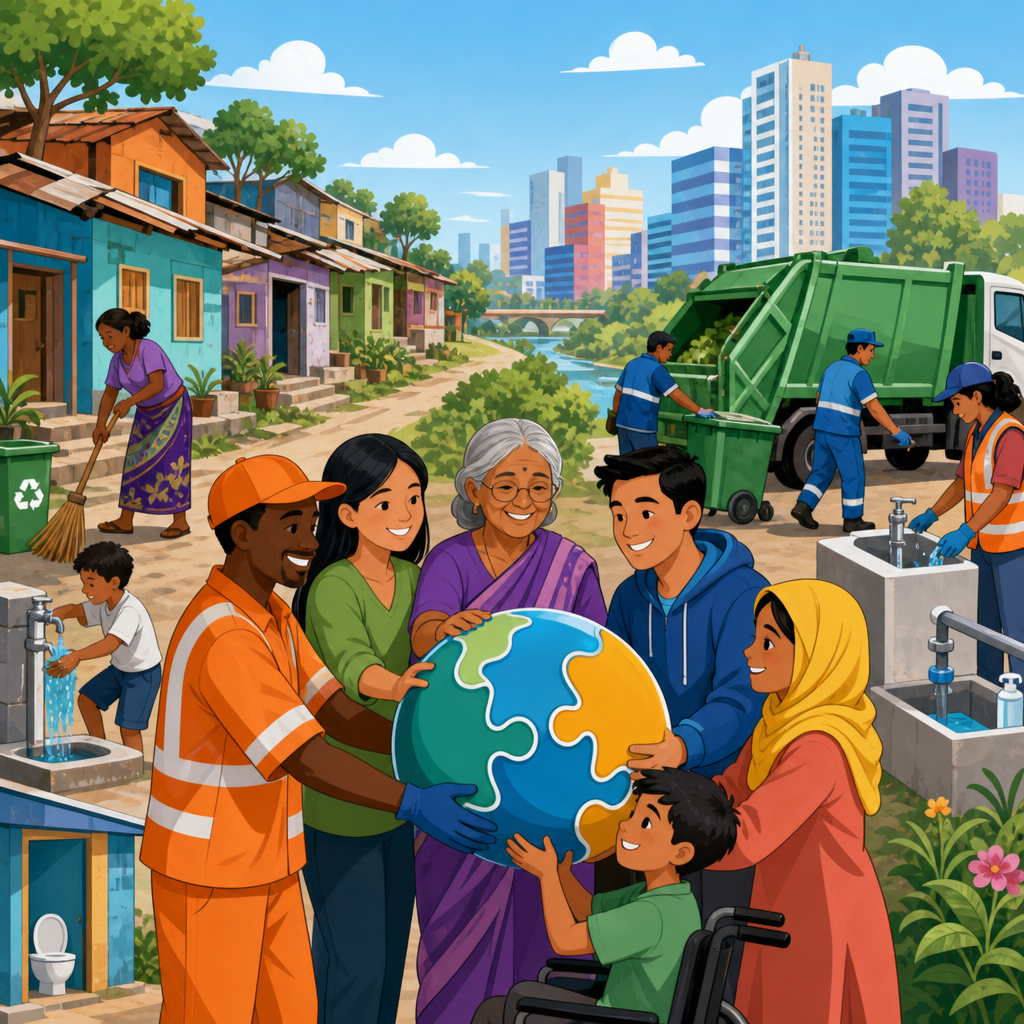
The Latin American region is characterized by a broad spectrum of environmental and socio-political challenges affecting sanitation systems. Urbanization, for one, is rapidly increasing pressure on municipal infrastructure. Cities like São Paulo and Mexico City are grappling with significant waste management issues as populations soar. Rural areas, on the other hand, face a different set of challenges, including a lack of infrastructure and resources. Moreover, economic disparities both between and within countries complicate efforts to provide equitable sanitation services. Many peri-urban areas, where informal settlements are common, lack even basic plumbing facilities, making sanitation a daily struggle for millions.
In addition to demographic pressures, the region is vulnerable to climate-related events that further strain existing systems. For instance, severe floods and droughts, phenomena exacerbated by climate change, can damage sanitation infrastructure or disrupt water supplies. Countries like Bolivia and Peru are acutely aware of these risks, as changes in rain patterns and glacial melt threaten water security and the integrity of sanitation systems. Riverine flooding, particularly in countries such as Brazil, can overwhelm sewer systems, leading to contamination of waterways and communities.
Opportunities for Innovation
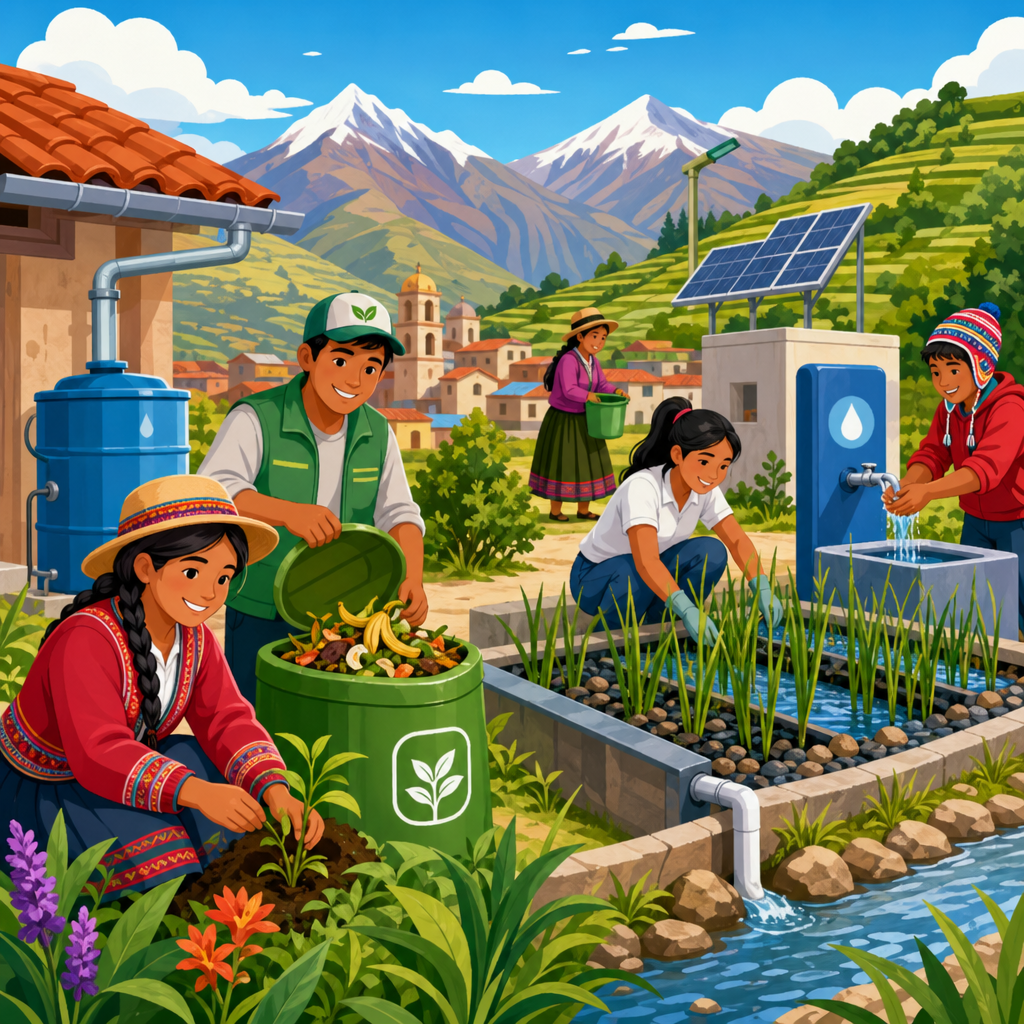
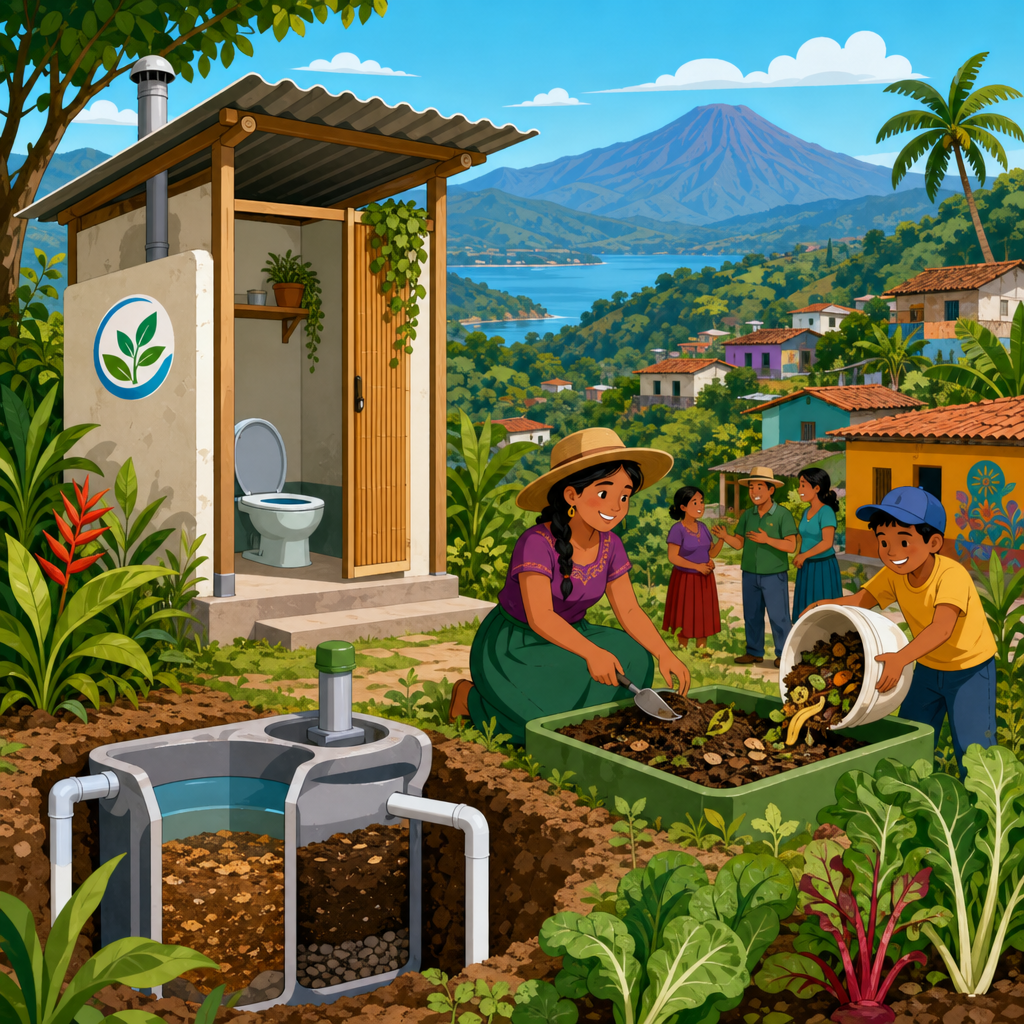
Addressing these challenges requires a multilayered approach that includes technological innovation, policy changes, and community involvement. One promising area of innovation is the development of decentralized sanitation solutions, which can be particularly effective in rural and peri-urban areas. These systems, which include composting toilets and constructed wetlands, reduce dependence on extensive sewer networks and can be more resilient to environmental disruptions.
Technological advancements are also opening new frontiers in waste management. The integration of waste-to-energy initiatives, for instance, offers dual benefits by managing waste and generating clean energy. Techniques for waste treatment that convert solid waste into biogas are being explored in several Latin American cities, providing a renewable energy source while managing waste sustainably. Furthermore, mobile technology is being leveraged to provide better access to sanitation data. For example, real-time monitoring of water and sanitation facilities can alert authorities to service disruptions quickly.
Community-Driven Projects and Their Impact
Community involvement is essential for the success and sustainability of any sanitation project. Local initiatives often enjoy more support and can be more adaptable to the unique needs of their environment. In Colombia, organizations such as the Foundation for Conservation and Sustainable Development are empowering local communities to manage and improve their sanitation services, teaching proper waste management and construction of affordable, eco-friendly latrines. Similarly, in Chile, community-based water stewardship groups are playing a vital role in managing water resources, promoting conservation, and enhancing sanitation infrastructure.
These community-driven projects foster a sense of ownership and responsibility among participants, increasing the likelihood of long-term success. By involving community members in decision-making processes, these projects ensure that the solutions developed are both culturally sensitive and practical. This grassroots approach has paved the way for more substantial, sustainable results, often achieving what top-down measures have failed to deliver.
Governmental Policies and International Cooperation
Governments across Latin America are recognizing the importance of investing in sanitation infrastructure, yet many face budgetary constraints that limit their capacity to implement extensive overhauls. Innovative public policies, such as the promotion of public-private partnerships, have become vital to addressing these shortages. In Brazil, for instance, national sanitation plans are increasingly incorporating private sector investments to bridge financing gaps and expand services into underserved regions.
International cooperation also plays a crucial role in enhancing sanitation systems. Countries such as Mexico and Argentina have benefitted from international aid and expertise in their bid to improve sanitation infrastructure. Organizations like the World Bank and the Inter-American Development Bank are instrumental in providing financial assistance, technical support, and capacity-building initiatives. These partnerships not only bring in necessary funding but also encourage the sharing of knowledge and best practices across borders, reducing the learning curve and facilitating the deployment of successful models.
Financial Models for Sustainable Development
Exploring new financial models is vital to the maintenance and expansion of sanitation systems. Microfinancing has been an effective tool in empowering individuals and communities to invest in their infrastructure, especially in rural settings. This model enables community members to access small loans earmarked for sanitation improvements, increasing their ability to fund and execute projects locally.
Moreover, impact investing has emerged as a significant source of funding for social infrastructure projects, attracting investors interested in both financial returns and social outcomes. By aligning the interests of investors, governments, and communities, impact investing can drive investment into areas that traditional financing mechanisms have overlooked. Projects that offer clear environmental and social benefits, such as those improving overall sanitation and health outcomes, are particularly attractive to impact investors looking to make a tangible difference.
The Role of Education and Awareness
Building a resilient sanitation system is not merely about infrastructure but also about changing behaviors and raising awareness. Education campaigns are essential in instilling the significance of sanitation and hygiene practices. Schools and local institutions can serve as hubs for disseminating knowledge, focusing on both immediate hygiene practices and the broader understanding of how sanitation impacts health and the environment. In Bolivia and Ecuador, educational programs focusing on hygiene education have been instrumental in reducing the incidence of preventable diseases and promoting sustainable practices.
A well-informed community is better equipped to advocate for necessary changes. By integrating education into sanitation initiatives, local authorities can ensure that improvements are maintained and communities remain engaged. This grassroots educational movement can ultimately lead to a cultural shift, prioritizing sanitation as a collective responsibility essential to community well-being.
Conclusion
The construction of resilient sanitation systems in Latin American communities is a multifaceted challenge that requires comprehensive, adaptable solutions. By understanding and addressing the social, economic, and environmental complexities inherent to the region, stakeholders can work collaboratively to forge pathways to sustainable development. Major advances can be made through the incorporation of innovative technology, community-driven initiatives, and supportive public policies. Ensuring success will also depend on strengthening international partnerships and adopting new financial models that can attract the investment necessary for long-term sustainability.
Education and community engagement remain critical components in the larger framework of sanitation improvement, enabling communities to take ownership of their health outcomes and promote resilience. By continuing to prioritize collaboration and local involvement, the potential for impactful, lasting changes can be realized, paving the way for healthier, more sustainable Latin American communities. As these systems evolve, they stand not only as infrastructure but also as a testament to human ingenuity, perseverance, and the abiding spirit of cooperation. Through these efforts, Latin America can build a more equitable and resilient future, capable of meeting the challenges of today and tomorrow.
Frequently Asked Questions
1. Why is building resilient sanitation systems important in Latin American communities?
Building resilient sanitation systems in Latin American communities is essential because these systems are a fundamental element of public health and overall development. They act as a barrier against a range of diseases such as cholera, dysentery, and intestinal worms, which are often waterborne and flourish in unsanitary conditions. Besides disease prevention, adequate sanitation improves the quality of life by reducing environmental pollution and enhancing water quality, which ultimately promotes economic growth and development. People living in areas with poor sanitation are more susceptible to illnesses that can lead to missed work and school days, affecting both personal and community prosperity. Moreover, resilient systems are capable of withstanding natural disasters, economic changes, and population surges, ensuring uninterrupted service even during crises.
2. What are the main challenges faced in building resilient sanitation systems in Latin America?
Latin America is home to a wide array of geographical and socio-economic landscapes, each presenting unique hurdles in developing resilient sanitation systems. One significant challenge is the diverse terrain, which includes rainforests, mountains, and urban landscapes, making uniform infrastructure solutions impractical. Moreover, economic disparities mean that many communities may lack the financial resources required for building and maintaining sanitation systems. Urban areas, while densely populated, often struggle with inadequate infrastructure to meet the demands of fast-growing populations, resulting in overstretched systems. Meanwhile, rural communities can be isolated and difficult to reach, complicating the construction and maintenance efforts. Political and institutional challenges also exist, including inconsistent policy implementation, lack of regulation, and inadequate investment in sanitation infrastructure.
3. How can Latin American communities overcome these challenges to implement effective sanitation solutions?
Addressing the challenges requires a multifaceted approach. Communities with diverse needs can benefit from tailored solutions that consider both technological innovations and traditional practices. Collaborating with international organizations and governments can provide the necessary funding and expertise to drive projects forward. Investing in education and training can empower local populations, enabling them to manage and maintain systems effectively. Using nature-based solutions, such as constructed wetlands and natural filtration systems, can also be a cost-effective way to treat water and waste, particularly in areas where conventional systems are not feasible. Strengthening cross-border cooperation and sharing best practices between communities can further enhance resilience and efficiency. Developing robust regulatory frameworks and ensuring political commitment are equally crucial to sustain long-term sanitation improvements.
4. Do community-based initiatives play a role in improving sanitation in Latin America?
Absolutely. Community-based initiatives are pivotal in improving sanitation across Latin American regions. These grassroots efforts often lead to innovative and sustainable solutions tailored to the unique needs of each community. Involving community members in the planning and implementation stages ensures that sanitation solutions are culturally appropriate and widely accepted. When people feel a sense of ownership, they’re more likely to maintain and protect the infrastructure. Initiatives like local cooperatives for waste management or composting projects can serve as examples of communities leading successful sanitation activities. Furthermore, grassroots actions can build local capacities and create job opportunities, enhancing social cohesion and boosting the local economy. Local leaders and organizations can also lobby for policy changes and seek financial support from governmental and international sources, ensuring that sanitation remains a priority issue.
5. What role does technology play in building and maintaining resilient sanitation systems in Latin America?
Technology is a game-changer in the development and upkeep of resilient sanitation systems, bringing about innovations that are cost-effective and scalable. In Latin America, technology can help in various ways, such as developing smart water sensor systems to monitor quality and distribution, and utilizing data analytics for predicting and preventing sanitation-related issues before they occur. Portable and eco-friendly toilets, which require minimal water and infrastructure, are particularly useful in remote or temporary settlements. Meanwhile, the integration of solar power into sanitation facilities can provide sustainable energy solutions, especially in off-grid regions. Technology also facilitates better communication and management, promoting effective coordination between different stakeholders. However, while tech solutions are promising, they should be accompanied by user training and local capacity building to ensure long-term adoption and success.