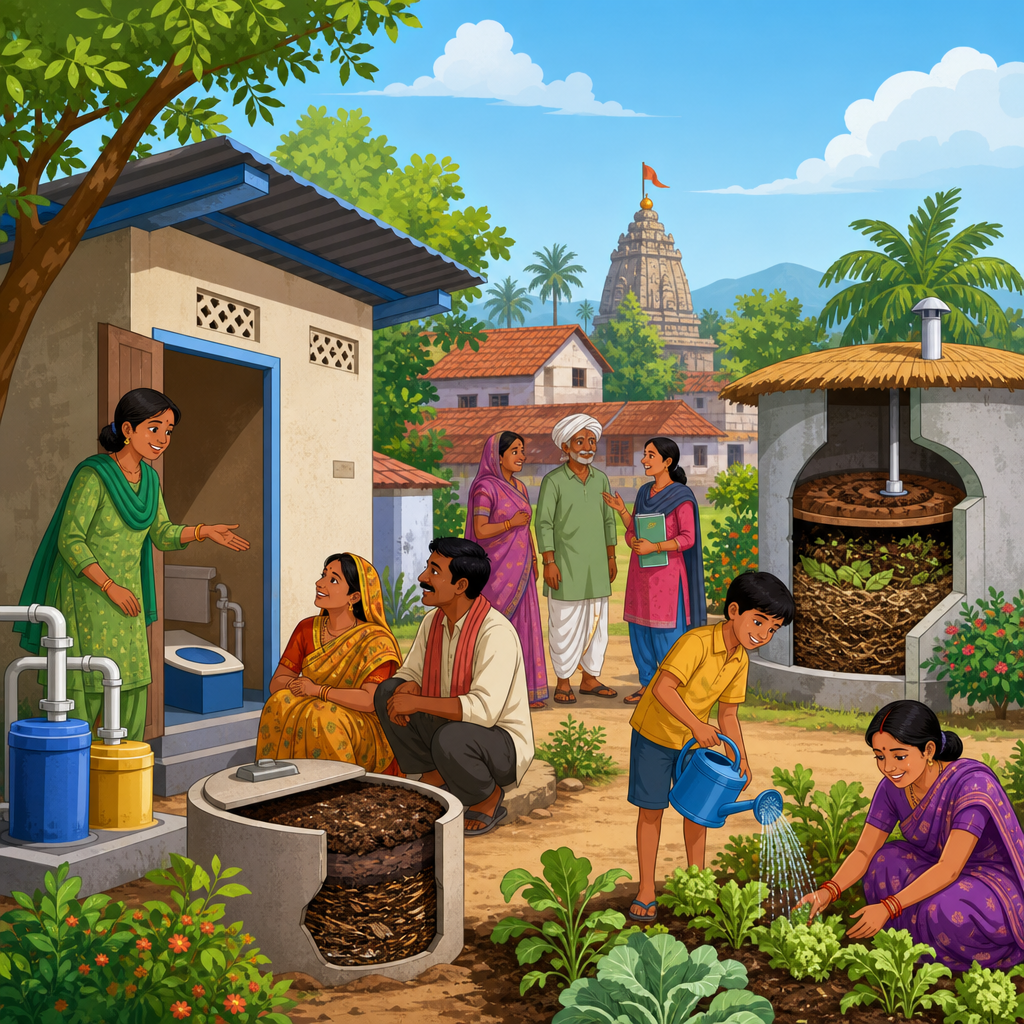
EcoSan, or ecological sanitation, represents an innovative approach that goes beyond traditional waste management practices. It offers a sustainable alternative by recycling nutrients found in human waste back into the environment. However, EcoSan is more than just a sanitation solution; it plays a crucial role in empowering women globally. Women in many communities face disproportionate challenges related to sanitation that impact their health, security, and economic opportunities. The adoption of EcoSan systems has been transformative, breaking down barriers and offering women improved health, dignity, and empowerment. This article will explore how EcoSan serves as a tool for gender empowerment through stories of women in various countries, highlighting the profound changes it brings to their lives. Through these narratives, we will see how EcoSan not just enhances ecological conditions but also fosters gender equality, illustrating its role as a catalyst for change.
Introduction
Sanitation is a basic human right, yet millions of women around the world lack access to safe and reliable facilities. This deficit affects their health, exacerbates gender inequality, and limits their participation in education and economic activities. In many communities, open defecation and poor sanitary conditions present serious health risks and expose women to violence and harassment. EcoSan provides a solution by offering safe, private, and hygienic facilities that can be installed virtually anywhere, from rural villages to urban slums. Here, we’ll explore stories from around the globe that illustrate how EcoSan has empowered women by improving health outcomes, providing educational opportunities, fostering economic independence, and protecting the environment.
Health and Hygiene Improvements in India
In India, lack of sanitation facilities is a significant problem, with a disproportionate effect on women and girls. The implementation of EcoSan toilets in villages across India provides a safe and private alternative to open defecation. These systems break down waste through composting, turning human waste into nutrient-rich fertilizer. For women, this not only means improved hygiene and health but also menstrual hygiene management in areas where infrastructure is limited.
The story of the women in a small village in Uttar Pradesh illustrates EcoSan’s profound impact. Prior to EcoSan, open defecation was the norm, posing risks of disease and harassment. With EcoSan toilets in place, women reported fewer illnesses, reduced exposure to contaminants, and less fear of venturing out at night. Moreover, EcoSan toilets enabled them to manage menstrual hygiene discreetly, enhancing their dignity and freedom. Women have become community advocates for EcoSan, educating others about its benefits, effectively breaking taboos around sanitation discussions and increasing awareness about health and hygiene.
Educational Opportunities in Kenya
In many parts of Kenya, girls miss school due to inadequate sanitation facilities, particularly during menstruation. The installation of EcoSan toilets in schools has directly addressed this issue by providing safe, private, and hygienic spaces. These toilets convert waste to compost, reducing the environmental impact and supporting agriculture, an essential part of these communities.
At a school in rural Kenya, the introduction of EcoSan toilets has led to higher school attendance rates among girls. Before this intervention, girls missed significant amounts of school each month due to embarrassment and lack of facilities. With EcoSan, attendance has improved dramatically, as girls no longer feel compelled to stay home or take alternate, often unsafe, routes to avoid embarrassment. This has positively impacted their education, creating a ripple effect on their future opportunities. Teachers have observed improved concentration and performance among girls, and the entire school community now values EcoSan not solely for sanitation, but as an enabler of gender parity in education.
Economic Independence in Nepal
In Nepal, EcoSan initiatives have been pivotal in fostering economic opportunities for women. When women manage EcoSan toilet systems, they can produce valuable compost, which can be sold or used to enhance personal agriculture. This creates income streams and contributes to food security and agriculture productivity.
In a case from the Terai region of Nepal, a women-led cooperative runs an EcoSan-based composting project that transformed their community. By collecting waste and turning it into compost, they not only address sanitation issues but also cultivate a small business. The compost has increased agricultural yields, improving local nutrition and food supply. Additionally, this initiative has empowered women economically, offering them financial independence and decision-making power that was previously out of reach. These women have grown more confident, wielding their earnings to invest in their families’ health and education, further perpetuating positive change.
Environmental Protection in Uganda
In Uganda, EcoSan solutions help combat deforestation and preserve water resources by providing an ecological waste management strategy. Traditional pit latrines pose multiple environmental risks, including contamination of groundwater, but EcoSan offers a sustainable alternative.
The community of Arua in northern Uganda has seen significant environmental and social changes through EcoSan projects. Women in these communities were instrumental in advocating for EcoSan as it complemented their roles as custodians of natural resources. By reducing reliance on wood for building latrines and eliminating the contamination risks, EcoSan secures vital resources like clean water and healthy soils. Many women engage in educating others about environmental stewardship, spreading knowledge about EcoSan’s role in ecological preservation. Their involvement in EcoSan projects has not only fostered environmental literacy but also leadership skills, reinforcing their value in community planning and environmental strategies.
Security Enhancement in South Africa
The safety and dignity of women cannot be overlooked when discussing sanitation. In South Africa, inadequate sanitation facilities often leave women vulnerable to gender-based violence. EcoSan provides an alternative by offering safe and private sanitation solutions that can be centrally located within communities.
A township in Cape Town revealed how crucial EcoSan toilets were in enhancing the safety of women who previously risked exposure to violence at public toilets or during open defecation. The introduction of EcoSan facilities allowed for privacy and security, particularly for women traveling at night or early morning. Community safety has improved, with reports of harassment related to sanitation dropping significantly. Women feel safer and report increased community cohesion and support as a direct result of having access to safe, reliable sanitation, fostering a deeper sense of security and stability in these environments.
Conclusion
The stories from these countries highlight the multifaceted impact of EcoSan systems on women’s lives. By international standards, EcoSan goes beyond solving sanitation issues; it plays a critical role in empowering women through health, education, economic opportunities, environmental conservation, and personal security. In India, Kenya, Nepal, Uganda, and South Africa, we see tangible evidence of these transformations. Women, equipped with better sanitation facilities, are advocating for change, participating in economic activities, keeping girls in school, protecting environmental resources, and ensuring community safety. These stories underscore EcoSan’s revolutionary role beyond waste management, positioning it as an enabler of gender equality and women’s empowerment. As more communities embrace EcoSan systems, the global narrative of women’s empowerment will continue to evolve, showing how such ecological solutions can bridge gaps in social justice, highlight women as change agents, and support sustainable development.
EcoSan is a testament to how innovative solutions in sanitation can extend far beyond practical needs, reaching into the core of societal structures and instigating profound change. By empowering women, these communities become more resilient and equitable, paving the way for a healthier and more sustainable future. As the global focus intensifies on gender equality and environmental sustainability, EcoSan’s influence will undoubtedly grow, continuing to transform lives across different corners of the globe.
Frequently Asked Questions
1. What is EcoSan and how does it differ from traditional sanitation methods?
EcoSan, short for ecological sanitation, is an innovative approach aimed at transforming human waste disposal into an environmentally sustainable practice. Unlike traditional sanitation systems which focus on simply disposing waste, EcoSan emphasizes the recycling of nutrients contained in human waste. The central concept revolves around closing the nutrient loop by converting waste into valuable fertilizers or soil conditioners. Traditional sanitation methods often involve using large amounts of water to transport waste to centralized treatment systems. These are not only resource-intensive but also frequently inaccessible for rural areas or underprivileged communities. EcoSan systems, on the other hand, are typically dry or use minimal water. This makes them particularly suited for regions with water scarcity issues.
The environmental benefits are immense, as it reduces pollution and the nutrient runoff into waterways that can lead to problems like eutrophication. However, EcoSan’s impact goes beyond just environmental conservation. It enables communities, especially women, to engage in small-scale agriculture, thus providing opportunities to increase local food production and contribute to household or community income. For women, this can mean not only enhanced food security but also a chance to gain financial independence and status within their communities. Thus, EcoSan is much more than a sanitation initiative; it’s a framework for empowering women across several dimensions.
2. How does EcoSan contribute to the empowerment of women specifically?
EcoSan plays a transformative role in empowering women by addressing several dimensions of their daily lives. Firstly, in many developing countries, women are primarily responsible for managing household water and sanitation needs. The introduction of EcoSan systems helps ease this burden significantly as these systems require less water, reducing the time and effort women must spend collecting and managing water. This newfound time can be redistributed into educational or economic activities, fostering personal and community development.
Furthermore, EcoSan creates safer sanitation solutions. Traditional poorly managed latrines or open defecation sites pose significant safety risks for women, including exposure to sexual violence. EcoSan systems, by contrast, are more secure and private, thereby reducing these risks and ensuring dignity and safety for women. Lastly, by transforming waste into a productive resource, EcoSan generates opportunities for women to engage in agriculture and even small business activities, offering them a chance to earn income and gain financial independence. The empowerment effects are profound, fostering not only economic benefits but also societal respect and recognition.
3. Can you provide examples of EcoSan initiatives benefiting women in different countries?
Indeed, there are several inspiring stories from around the world. In Kenya, for instance, EcoSan toilets have been introduced to rural communities suffering from water scarcity. These systems have alleviated the daily workload on women and allowed for enrichment through agriculture on previously infertile lands, providing both food and a secondary income source.
Similarly, in Nepal, EcoSan systems have been integrated into schools, resulting in higher attendance rates among girls. Previously, the lack of private and safe sanitation facilities deterred girls from attending school, especially during menstruation. The new systems addressed these issues, empowering young women to pursue education without interruption. In Bolivia, women-led cooperatives have taken charge of EcoSan projects, enabling collective management of resources and finance, furthering social empowerment and unity.
Such stories signify the global impact EcoSan can have on transforming women’s lives and setting a precedent for sustainable community practices.
4. What challenges still exist in implementing EcoSan in empowering women, and how can they be addressed?
Despite its numerous benefits, implementing EcoSan systems faces several challenges. One significant barrier is cultural perceptions and myths surrounding human waste reuse, which can limit widespread acceptance and adoption. It often requires extensive community education and awareness programs to shift these mindsets toward recognizing EcoSan’s benefits.
Another challenge is the initial financial investment required to install EcoSan systems. Even though they offer long-term savings and benefits, upfront costs can deter communities already facing financial hardships. To overcome this, international NGOs, government agencies, or philanthropy efforts can provide financial aid or subsidize initial costs to facilitate adoption. Training and maintenance also pose challenges; local community members, especially women, must be educated in operating and maintaining these systems effectively. Empowering women as trainers and supervisors within their communities can create a sustainable pathway for the future viability of EcoSan systems.
By addressing these challenges through education, financial support, and strategic planning, EcoSan initiatives can continue to empower women globally while promoting environmental sustainability.
5. What roles do international organizations and governments play in promoting EcoSan for women’s empowerment?
International organizations and governments play pivotal roles in the promotion and implementation of EcoSan for empowering women. These entities can drive initiatives by funding and supporting research, development, and deployment of EcoSan systems. Through policy formulation, they can prioritize EcoSan technologies in national development plans, ensuring that such systems receive the necessary attention and integration into community infrastructure projects.
Additionally, governments can work on creating conducive environments for EcoSan adoption by crafting legislation that supports sustainable sanitation practices. They can collaborate with NGOs and the private sector to facilitate community engagement and ensure equitable access to resources. Lastly, international bodies such as the United Nations and World Health Organization have the platform to amplify the EcoSan narrative, drawing global attention to its potential in changing women’s lives. Through workshops, conferences, and advocacy efforts, these organizations can share successful models and case studies while emphasizing the critical intersection of gender equality and sustainable development facilitated by EcoSan.
In essence, the synergy between local, national, and international efforts is crucial in harnessing EcoSan’s full potential as an empowering tool for women across diverse global communities.