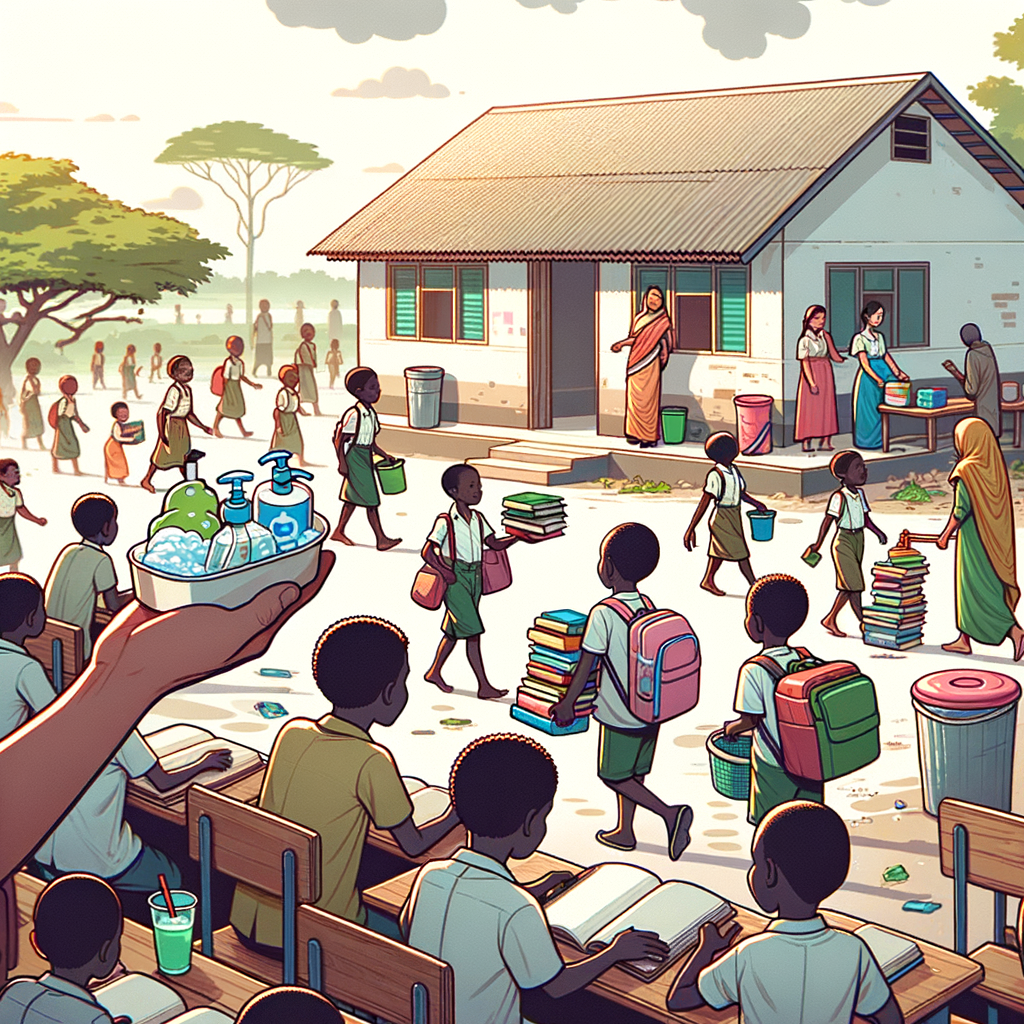
Sanitation is a crucial aspect of public health and socioeconomic development, especially in developing nations. Its significance extends beyond merely providing clean water and hygienic waste disposal systems; it deeply intersects with various societal dimensions, notably education. The confluence of education and sanitation is a pivotal area that affects both individual well-being and national growth. Developing nations often grapple with insufficient resources and infrastructure, making it challenging to provide quality education and adequate sanitation. This dual insufficiency not only undermines public health but also affects educational outcomes, perpetuating a cycle of poverty and inadequate developmental progress.
Understanding the intersection between sanitation and education is essential for crafting effective policies and interventions. Schools in developing countries frequently lack proper sanitation facilities, which can lead to poor hygiene practices and widespread disease. This deficiency impacts student health and attendance, thereby influencing academic achievements and potential. Moreover, inadequate sanitation facilities disproportionately affect girls, leading to increased dropout rates. By exploring the intricate relationship between sanitation and education, stakeholders can better strategize investments and initiatives that support sustainable development goals. This article delves into the various ways sanitation influences education in developing nations and highlights the multifaceted benefits of addressing these intertwined issues.
The Impact of Sanitation on Educational Attendance and Performance
One of the most direct effects of poor sanitation in schools is on student attendance. In many developing countries, schools are oftentimes ill-equipped with proper toilets and handwashing facilities. When these basic amenities are unavailable, students, particularly girls, are more likely to miss school during menstruation. This absence is compounded when schools are far from students’ homes, making the journey to and from school even more formidable without the guarantee of safe and hygienic sanitary facilities. Consequently, such absenteeism directly affects educational performance, setting many students behind in their studies and decreasing their chances of completing education.
Furthermore, the prevalence of waterborne diseases, such as diarrhea and cholera, is heightened in schools lacking proper sanitation facilities. These diseases are amongst the leading causes of school absenteeism in developing nations. The correlation between sanitation and health establishes a domino effect: health issues lead to absenteeism, which in turn affects learning capability and concentration in classrooms, ultimately dragging down students’ overall academic performance. Disease reduction through improved sanitation not only enhances students’ health but inadvertently boosts educational outcomes as well.
Gender Disparities and Sanitation in Education
Gender inequality in education is a significant issue exacerbated by poor sanitation facilities. Female students are particularly vulnerable to the current deficits in sanitation since they require additional privacy and a clean environment, especially during menstruation. In many developing regions, lack of proper sanitation facilities at schools forces girls to stay home during their menstrual period, leading to increased absenteeism and higher dropout rates. This truancy doesn’t merely hinder their performance; it can curtail their educational journey altogether, limiting future opportunities and maintaining gender-based inequalities.
Effective sanitation policies that consider the unique needs of female students can help bridge this gap. Providing separate, clean, and secure toilets with access to water and sanitation facilities for young girls would allow them to participate fully in their educational pursuits. Furthermore, educating both boys and girls about hygiene and menstrual health is vital in eroding longstanding stigmas and breaking the silence that often surrounds these issues. Such efforts not only promote gender equality within schools but foster an environment that encourages all students to pursue their education without barriers.
Infrastructural Development and Policy Implementation
The sufficiency of sanitation infrastructure directly correlates with educational quality in developing nations. Building adequate sanitation facilities is often overlooked in both urban and rural educational settings due to limited budgets. Policymakers should prioritize investment in infrastructure that includes clean water supply systems, well-maintained toilets, and proper waste disposal facilities at schools. Doing so not only improves the school environment, making it a more conducive place for learning, but also mitigates health-related risks, consequently improving educational continuity and outcomes.
In addition to infrastructure development, effective policy implementation aimed at hygiene education is necessary. Schools can serve as pivotal channels for promoting hygiene practices and knowledge, instilling health-conscious habits among students who can carry these into their homes and wider communities. Developmental policies should focus on providing comprehensive hygiene education as part of the school curriculum. This creates awareness on the importance of sanitation and hygiene and encourages practical measures, like handwashing at essential times, which reduces the spread of diseases and improves health outcomes.
Community Involvement and Partnership
The collaboration between local communities, governments, and international organizations is critical in advancing sanitation facilities and education in developing nations. Community involvement is essential in identifying local challenges and ensuring that projects and initiatives meet the actual needs of the population. Participatory approaches should be adopted for decision-making processes, ensuring that voices from the community, including students and teachers, are heard and respected. Such collaborations ensure better maintenance of facilities and foster a sense of shared responsibility and ownership.
International partnerships can bring much-needed resources and expertise to developing countries, aiding both short-term initiatives and long-term education and sanitation goals. Strategic alliances can also facilitate the sharing of best practices and innovative technologies that can be adapted to the local context, enhancing both educational and sanitation outcomes. It is essential to recognize that while international aid is beneficial, empowerment and capacity building within the local framework is imperative for sustainable change. Therefore, fostering conditions where local communities are not mere recipients of aid but active partners in development is vital.
Conclusion
The intersection of sanitation and education in developing nations presents both challenges and opportunities. It is clear that without addressing the significant gaps in sanitation, the education sector suffers immensely, impacting not just individual lives but the long-term socioeconomic prospects of entire nations. This interconnected relationship calls for an integrated approach, combining efforts in sanitation improvements and educational initiatives to create a holistic development impact. Prioritizing sanitation in schools while forging policies that address the unique needs of all students, especially girls, will facilitate a more inclusive and effective learning environment.
Moving forward, a concerted effort from local authorities, international organizations, and communities is needed to overcome the barriers posed by poor sanitation. Investments in infrastructure, hygiene education, and community engagement play pivotal roles in achieving sustainable development goals. Bridging the gap between sanitation and education is not merely about building facilities; it’s about transforming lives, ensuring health, equality, and education for future generations. By embracing this multifaceted approach, developing nations can make significant strides toward a brighter, healthier, and more educated future.
Frequently Asked Questions
1. How does poor sanitation affect education in developing nations?
Poor sanitation has a direct and substantial impact on education in developing nations. When sanitation facilities are inadequate, children are often unable to attend school regularly due to waterborne illnesses and the lack of clean facilities. This is especially true for girls, who may miss school during menstruation if the facilities are not adequate or private. Beyond attendance, when children are frequently ill due to unsanitary conditions, their ability to concentrate and perform academically diminishes. The World Health Organization has linked improved sanitation with increased school attendance and performance. Furthermore, inadequate sanitation facilities contribute to a poor learning environment, which affects both the students’ desire to attend and the schools’ ability to retain motivating educators.
2. Why is sanitation particularly important for girls’ education?
Sanitation is especially crucial for girls’ education because it directly impacts their health, dignity, and school attendance. During menstruation, the absence of proper sanitary facilities can lead to discomfort and embarrassment, prompting girls to stay home from school. This absenteeism can accumulate, affecting their learning progress and leading to increased dropout rates. Access to clean and safe facilities is tied to their right to education, health, and privacy. Improving sanitation in schools addresses gender disparities in education by ensuring girls have the necessary facilities to manage their menstruation with privacy and dignity, allowing them to focus on their studies without disruptions related to inadequate facilities.
3. What role do educators play in improving sanitation practices in schools?
Educators are pivotal in improving sanitation practices within schools. They can serve as advocates and educators, teaching students about hygiene practices such as handwashing and the safe disposal of waste. Schools can deviate from traditional curricula to include lessons that focus on the hygiene practices essential for preventing diseases. By fostering an understanding of sanitation’s importance, teachers can cultivate a culture of responsibility and awareness among students. Additionally, educators can work with school administrations and local governments to push for improvements in school sanitation infrastructure, which can have long-lasting impacts on the students’ health and educational outcomes.
4. How can governments and NGOs collaborate to enhance sanitation in schools?
Governments and NGOs can work together to significantly improve sanitation in schools through concerted efforts that leverage resources and expertise. Governments have the ability to create and enforce policies and allocate funding to develop essential infrastructure. Meanwhile, NGOs can offer innovative solutions, provide manpower, and conduct outreach programs focusing on educating communities about sanitation benefits. Advocacy groups and educational campaigns coordinated by NGOs can pressure governments to allocate appropriate resources and attention to the cause. Successful collaborations generally involve combined efforts to construct clean and safe sanitation facilities in schools, coupled with educational programs that teach students and staff valuable hygiene practices. Furthermore, joint monitoring and evaluation of sanitation projects can ensure their effectiveness and sustainability.
5. What innovative solutions are being implemented in developing nations to address sanitation and education challenges?
Innovative solutions to address the twin challenges of sanitation and education in developing nations are increasingly being designed and implemented. One successful intervention is the installation of eco-friendly toilets that not only provide safe sanitation but also convert waste into compost, thereby serving agricultural needs. Schools have adopted water harvesting techniques to ensure a constant supply of clean water for sanitation purposes, even in water-scarce regions. Mobile technology has also been harnessed for educational purposes, with SMS and app-based platforms raising awareness about hygiene among students and broader communities. Another crucial development is the ‘WASH in Schools’ (WinS) program, which emphasizes clean water, proper sanitation, and hygiene education in schools. These practices are creating healthier school environments conducive to learning and growth.