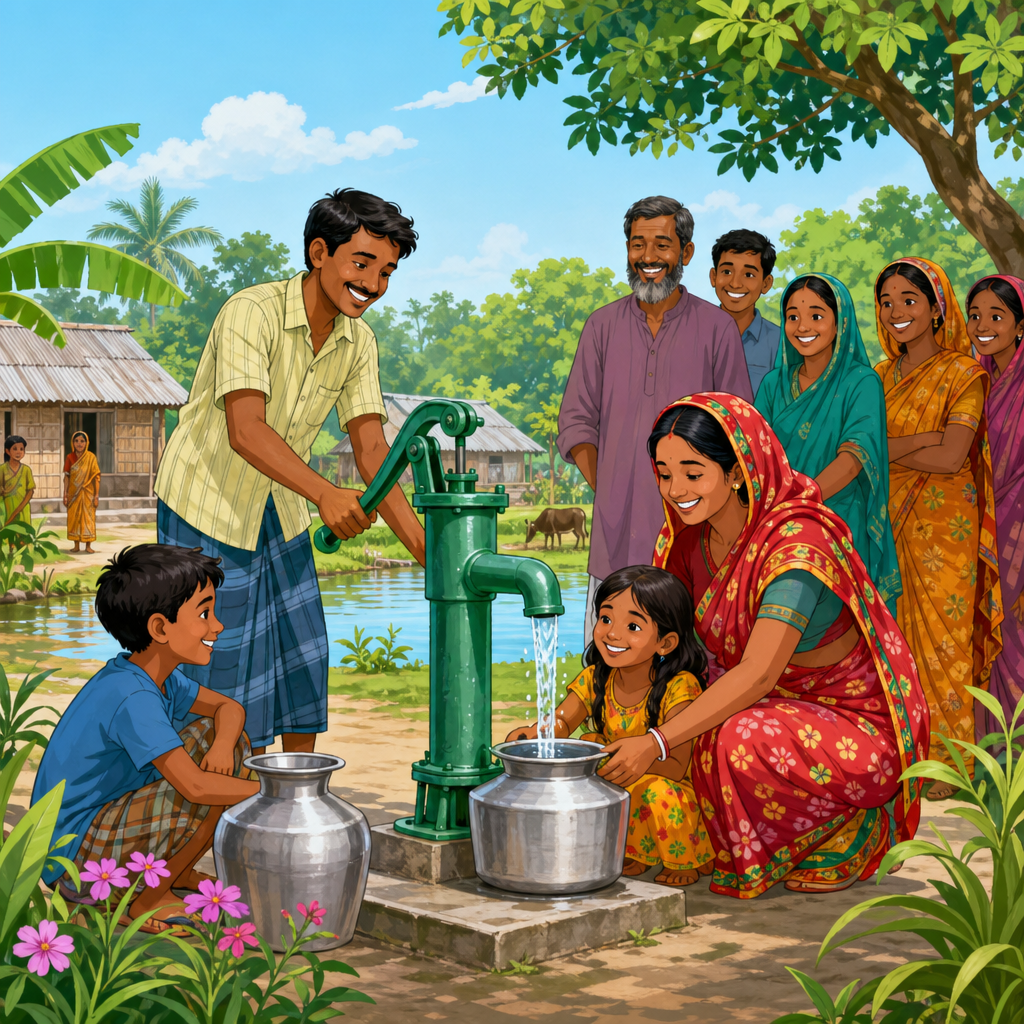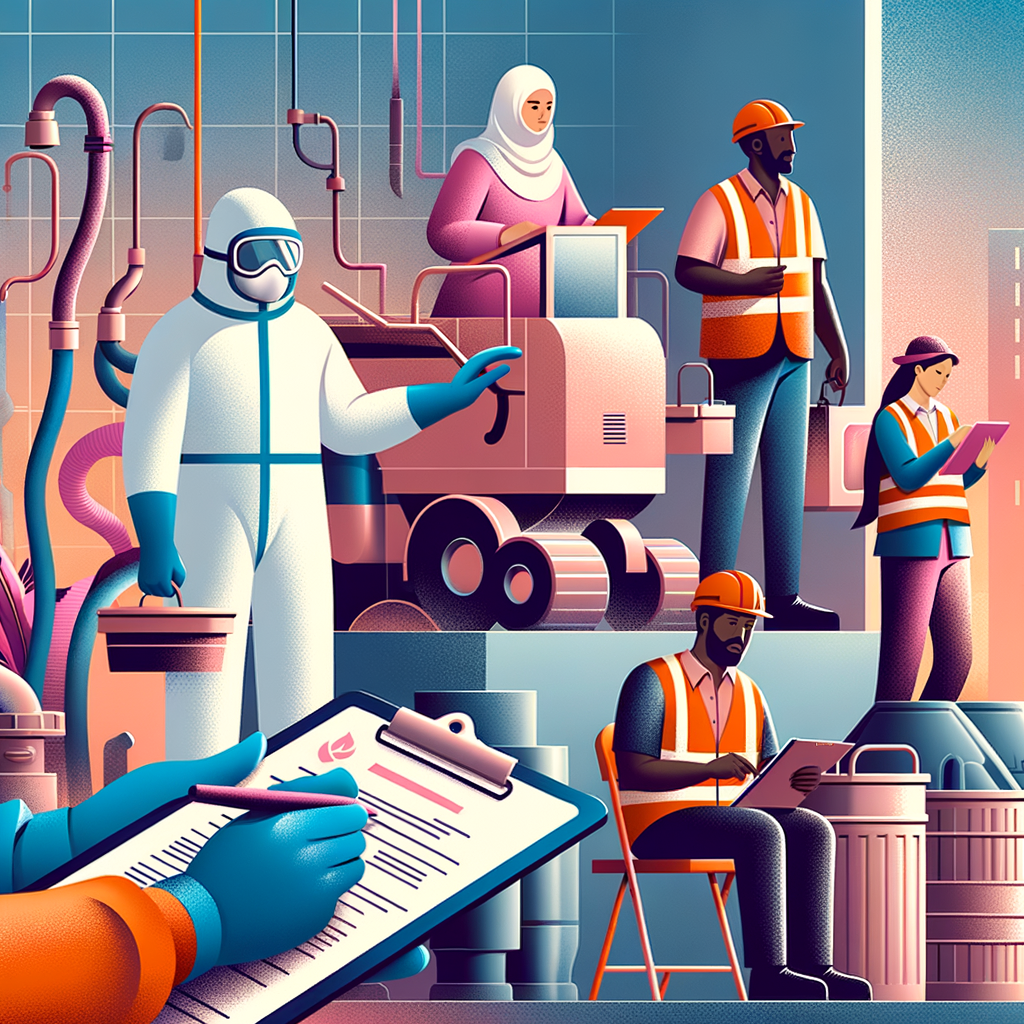
Sanitation remains an essential aspect of public health, making it a critical component in the development of healthier and more equitable communities. Despite its importance, many regions of the world continue to face significant challenges in implementing effective sanitation systems. These challenges often stem from limited resources, lack of infrastructure, and insufficient governmental support. In such contexts, non-governmental organizations (NGOs) and local communities have increasingly emerged as crucial agents of change, adopting collaborative approaches to improve access to sanitation. This article explores the various ways in which NGOs and community partnerships work together to address sanitation challenges. It will discuss how these collaborative efforts contribute to sustainable sanitation solutions, enhance communal health, and empower local citizens. By examining case studies and best practices, this discussion will shed light on the dynamic and innovative partnerships that are transforming sanitation from a daunting challenge into an achievable goal.
Collaborations between NGOs and local communities have become a powerful mechanism for realizing sanitation improvements efficiently. Through these partnerships, NGOs provide expertise, technology, and funding while communities offer invaluable local knowledge and manpower. Such synergies are vital, particularly in rural and underserved areas where government intervention may be inadequate or delayed. This interdependence highlights the importance of involving communities in the decision-making process, ensuring the programs are culturally relevant and more likely to succeed. As we delve into the specifics of these collaborative efforts, it becomes evident that these alliances not only address critical sanitation needs but also foster community resilience, inspire innovation, and promote social equity.
Understanding the Challenges
The global sanitation crisis is driven by a complex set of challenges. High population growth in urban and peri-urban areas often leads to strained infrastructure, resulting in poor waste management and inadequate sanitation facilities. In rural regions, the challenges may include geographical barriers, limited financial resources, and a lack of skilled personnel to manage and maintain sanitation systems. Cultural and social barriers also play a significant role, as some communities have traditional beliefs and practices that may not align with modern sanitation solutions. These hurdles are compounded by unreliable data and insufficient monitoring, making it difficult for stakeholders to assess the effectiveness of sanitation interventions accurately.
In some parts of the world, sanitation services are disproportionately low, leaving vulnerable populations at risk of diseases such as cholera, dysentery, and typhoid. The absence of proper toilet facilities can also impact education, especially for girls, who might skip school during menstruation if there are no adequate sanitation facilities. The lack of clean water and proper sanitation leads to a vicious cycle of poverty and health issues, which can hinder economic growth and social progress. It is within this challenging environment that NGOs and communities are finding innovative ways to create sustainable solutions.
The Role of NGOs in Sanitation
Non-governmental organizations have long played a crucial role in addressing sanitation challenges by filling gaps left by insufficient government investment. NGOs operate on multiple levels, providing direct services, influencing policymaking, and advocating for greater resource allocation to sanitation projects. NGOs often possess specialized expertise in areas such as water treatment, waste management, and community engagement, making them invaluable partners in the sanitation sector.
One of the key contributions of NGOs is the provision of funding and technical support. By bringing in international resources, these organizations can introduce innovative technologies and practices to local communities. This support is not limited to the initial setup but often includes training programs that equip community members with the skills needed to maintain and manage the systems independently. Furthermore, NGOs also play a critical role in capacity building, ensuring that local actors are empowered to engage in advocacy and policy dialogue, thereby strengthening the overall governance of sanitation projects.
Community Partnerships and Their Importance
Collaboration with local communities is a cornerstone of successful sanitation interventions. Community partnerships are instrumental in tailoring solutions to meet the specific needs and cultural contexts of the populations they serve. By involving community members, NGOs ensure that sanitation solutions are not only technically viable but also socially and culturally acceptable. This participation fosters ownership, leading to increased sustainability of the projects.
Communities often contribute to these partnerships by providing labor, local materials, and invaluable local knowledge that can guide NGOs on cultural sensitivities or historical practices related to water and sanitation. This involvement enhances the social capital of communities, building trust and mutual understanding among stakeholders. In many cases, communities organize sanitation committees or cooperatives that work alongside NGOs to monitor progress, challenge existing practices, and advocate for their rights to safe and adequate sanitation.
Case Studies of Successful Collaborations
Notable successes in collaborative sanitation initiatives highlight the effectiveness of partnerships between NGOs and communities. A prominent example is found in Bangladesh, where BRAC, an influential NGO, partnered with local communities to implement a Community-Led Total Sanitation (CLTS) approach. This initiative emphasized behavioral change and collective community action rather than subsidy-driven infrastructure development. As a result, over 20 million people in Bangladesh now live in open-defecation-free environments.
In Kenya, the collaboration between the NGO Sanergy and local communities has set an inspiring precedent in urban slum areas. Sanergy developed a network of affordable, franchised fresh-life toilets, which were locally managed and operated. This approach not only addressed sanitation needs but also created a livelihood opportunity for community residents who ran these business franchises. Such models show that economic empowerment can go hand-in-hand with improving public health.
Implementing Sustainable Solutions
Sustainability is central to any long-term strategy in sanitation improvement. Beyond providing immediate relief, both NGOs and communities strive for solutions that remain viable in the long term. To achieve sustainability, issues such as operational maintenance and financial viability must be addressed. Community contributions, primarily through small fees, can help maintain facilities and services. Here, the role of local government becomes indispensable, acting as a bridge to ensure continuous support and allocation of resources toward the sector.
Furthermore, education and awareness campaigns led by NGOs play a pivotal role in maintaining the success of interventions. By educating community members on hygiene practices and the importance of sanitation, these campaigns instill behavioral changes that reduce disease transmission and enable the local populations to make informed decisions regarding their health.
Technology and Innovation
Technological innovations are revolutionizing sanitation solutions, offering new possibilities for NGOs and communities. From eco-friendly sanitation materials to mobile applications that aid in monitoring systems, technology has a major role in enhancing the efficiency and impact of sanitation projects. For instance, developments in bio-digestion have allowed communities to convert waste into energy, offering a dual benefit of improved sanitation and a sustainable energy source. Mobile technology can enable real-time data collection, making it easier for NGOs and local authorities to respond to sanitation issues promptly.
Adopting such technologies requires investment and training, which NGOs are well-equipped to provide. By empowering communities with technology, NGOs ensure that the impact of their interventions is maximized, encouraging innovation and creativity in local problem-solving efforts.
The Future of Collaborative Sanitation Efforts
As the challenges of sanitation persist, the importance of collaboration between NGOs and communities cannot be understated. These partnerships have demonstrated their capacity to bring about meaningful and sustainable change in even the most underserved areas. Looking ahead, there is immense potential to enhance these collaborations through increased use of technology, greater involvement of diverse stakeholders, and continuing adaptation to the ever-evolving social and environmental landscapes.
Future strategies must focus on integrating sanitation initiatives into broader development goals, such as environmental sustainability and social equity. This integration could encourage new funding avenues and foster multi-sectoral collaborations that enhance the reach and effectiveness of sanitation projects. Additionally, engaging the next generation by incorporating sanitation education into school curricula can foster a lifelong awareness and commitment to public health.
Conclusion
Collaborative approaches to sanitation involving NGOs and community partnerships have proven to be highly effective in resolving sanitation-related challenges across the globe. These alliances are indispensable as they harness the strengths and resources of both international organizations and local communities, bridging gaps that development alone cannot fill. By aligning their efforts, NGOs and communities drive sanitation solutions that are not only practical but also culturally and socially receptive to the people they aim to serve.
Despite the progress made, continued commitment and innovation are required to sustain these efforts and extend their reach to all underserved communities. This entails robust support from governments, ongoing technological advancement, and a relentless focus on empowering communities to take ownership of their sanitation needs. These partnerships have shown remarkable resilience and adaptability, fostering environments where health, dignity, and sustainable development go hand in hand. As more stakeholders recognize the interconnectedness of these issues, the likelihood of achieving comprehensive sanitation coverage and its associated benefits becomes exceedingly tangible.
The path to improved sanitation is lined with challenges, yet the successes of collaborative approaches offer a blueprint for progress. By learning from past experiences and embracing new opportunities, NGOs and community partnerships stand at the forefront of efforts to build a healthier and more equitable future. It is through such sustained cooperative engagement that we can make significant strides toward global sanitation goals, ensuring that access to basic sanitation becomes a realized right for every individual worldwide.
Frequently Asked Questions
1. What role do NGOs play in improving sanitation in communities?
Non-governmental organizations (NGOs) have a significant role in enhancing sanitation practices in communities, particularly in regions where governmental support may be limited or ineffective. These organizations often bring essential resources, expertise, and innovation needed to address the complex sanitation challenges. They work on the ground to develop infrastructure, provide education on sanitation practices, and create sustainable systems that promote hygiene. By leveraging local knowledge and resources, NGOs tailor sanitation solutions that meet the unique needs of each community. They often establish pilot projects that can be scaled up, helping to create models that can be replicated in other areas facing similar issues. Moreover, NGOs advocate for sanitation by working on policy changes and collaborating with governments to increase funding and attention to these crucial issues.
2. How do community partnerships enhance sanitation efforts?
Community partnerships are vital in sanitation efforts because they foster ownership and ensure that the implemented solutions are culturally appropriate and widely accepted. By involving community members in the planning and execution of sanitation projects, NGOs can gain essential insights into local habits, preferences, and barriers, which can significantly refine the strategies used. Such partnerships often take the shape of participatory planning sessions, workshops, and regular feedback mechanisms where community members can voice their concerns and suggest improvements. These collaborations build trust and empower citizens, providing them with a sense of responsibility and pride over their sanitation systems. Additionally, community engagement promotes sustainable practices as locals are more likely to maintain and improve systems they helped create, ensuring long-term benefits and usage.
3. What challenges are faced in collaborative sanitation projects between NGOs and communities?
Collaborative sanitation projects come with a unique set of challenges. One major obstacle is ensuring adequate communication and mutual understanding between NGOs and community members, who may have differing perspectives and priorities. Additionally, there may be cultural differences or language barriers that can complicate the collaboration process. Another challenge is the alignment of goals; while NGOs often aim for measurable public health outcomes, communities may prioritize immediate and practical needs like access to clean water or funding for daily necessities. Securing sufficient funding for long-term projects is also a common issue, as NGOs might struggle with resource constraints impacting their ability to deliver consistent support and infrastructure. Navigating local politics and securing buy-in from local authorities to support sanitation initiatives can also complicate progress in certain areas.
4. In what ways can technology assist in collaborative sanitation initiatives?
Technology is a powerful tool that can enhance collaborative sanitation initiatives by making them more efficient and scalable. One way technology aids these efforts is through the use of mobile applications and digital platforms, which allow NGOs and communities to collaborate more effectively by sharing information and coordinating actions in real-time. Such technologies can also facilitate data collection and analysis, helping to pinpoint specific sanitation challenges and monitor progress with greater accuracy. Innovative technologies, like sensor-based waste management systems or solar-powered sanitation hubs, can provide sustainable and eco-friendly solutions tailored to the specific environment of a community. Additionally, technology enables remote training and education, allowing NGOs to deliver sanitation and hygiene education to remote communities without incurring significant travel and resource costs.
5. How can governments support collaborative sanitation projects between NGOs and communities?
Governments can play a supportive role in collaborative sanitation projects by providing the necessary regulatory framework, resources, and policies that enable NGOs and communities to succeed. This support might involve easing regulatory barriers and providing tax incentives for NGOs to encourage more organizations to participate in sanitation projects. Governments can also allocate public funds to help kick-start community-led sanitation initiatives or support them with matching grants. Additionally, they can assist by integrating NGO-backed projects into broader national public health strategies, thereby increasing impact and alignment with national development goals. Working closely with local stakeholders and providing platforms for dialogue between communities, NGOs, and governmental bodies ensures that all parties are aligned and capable of addressing sanitation issues comprehensively. These collective efforts can play a significant role in overcoming the existing sanitation challenges and building more resilient and healthy communities.