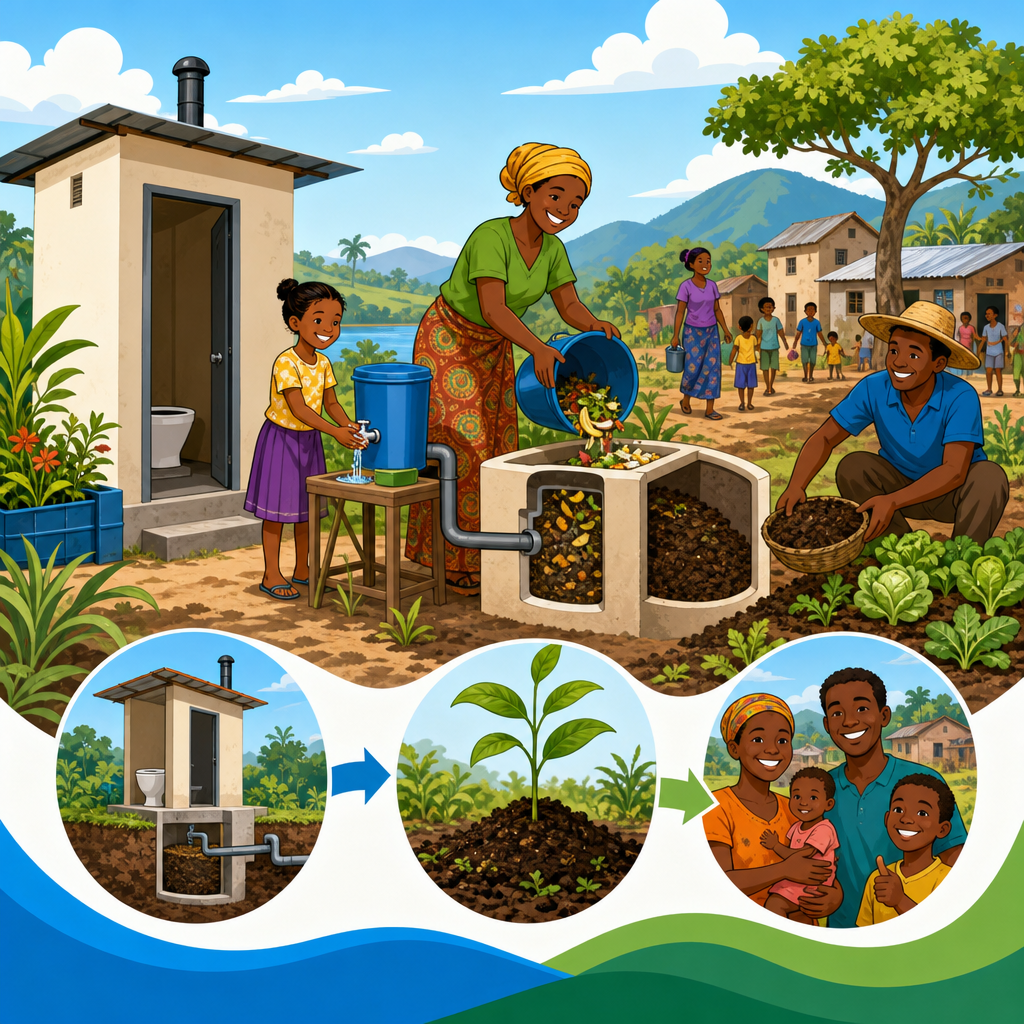
Sanitation has long been at the forefront of public health discussions, but the adoption of sustainable sanitation systems like EcoSan (Ecological Sanitation) is still limited. With environmental concerns mounting, it becomes imperative to reimagine our approach to managing waste—both human and environmental. Government support for EcoSan initiatives can propel this innovative strategy into the mainstream, leveraging policy as a pivotal tool for eco-friendly waste management. Governments worldwide have the power to influence change on a large scale, and when it comes to eco-sanitation, their role becomes crucial. By embedding supportive policies into the framework of environmental and health legislation, governments can facilitate widespread adoption of sustainable practices. These policies not only focus on the immediate benefits of implementing EcoSan systems but also underscore long-term effects, such as reduced chemical outputs, improved public health, and sustainable agricultural practices. Effective governmental support can translate EcoSan from a novel concept into practical implementation through multifaceted strategies.
In this article, we explore the transformative power of policy, focusing on how legislation and governmental backing can promote ecological sanitation systems. We aim to unravel the layers of effectiveness, cost, and environmental benefits associated with supporting EcoSan initiatives through strategic policymaking. Learn why governments hold the key to advancing waste management systems that benefit communities and the planet. We’ll look at the challenges that accompany this transition and propose feasible solutions that can be supported by tailor-made policies. This article serves as a clarion call for policy-makers, environmentalists, and the public alike, demonstrating that a committed approach can deliver eco-friendly sanitation solutions nationwide. By prioritizing EcoSan initiatives in government agendas, there is a clear path towards sustainable development—a path that holds promise for a cleaner, healthier future for all.
Policy Support as a Catalyst for EcoSan
Governmental support through well-structured policy mechanisms can form the bedrock for the successful rollout of EcoSan initiatives. The government’s role is indispensable in mobilizing resources, formulating actionable plans, and implementing them on a national and local scale. For EcoSan programs to be successful, they often require the alignment of various departments, from health to agriculture to environmental conservation. Collaboration can lead to policy frameworks that support multi-faceted approaches, offering clarity and cohesion which are essential for effective implementation.
The role of policy in promoting EcoSan can’t be overstated. Policies can set standards that regulate the establishment and maintenance of EcoSan facilities—ensuring both effectiveness and safety. These regulations might include guidelines for managing compost material, treatment of waste, and its eventual use in agriculture. By setting these standards, governments can address many of the barriers that currently prevent widespread EcoSan adoption, such as reluctance stemming from concerns about health risks. Policy directives can offer a safety net through monitoring programs and regular inspections that ensure proper adherence to guidelines, thereby building public trust.
Financial incentives are another crucial policy tool. Governments can stimulate the adoption of EcoSan through subsidies, tax breaks, or grants. By reducing the financial burden, these monetary incentives can make EcoSan systems an economically viable option for communities with limited resources. Additionally, public-private partnerships inspired through policy can encourage innovation and entrepreneurship in the EcoSan sector, driving technological advancements and cost-effective solutions. When governments signal to the private sector that EcoSan initiatives are a priority, investment often follows, creating a virtuous cycle of development and improvement.
Environmental and Health Benefits
EcoSan initiatives offer manifold environmental and health benefits, providing another persuasive reason for strong governmental support. Traditional sanitation systems often lead to pollution through non-degradable waste, chemical contamination, and depletion of water resources. In contrast, EcoSan systems aim to recycle nutrients back into ecosystems, promoting sustainability and reducing environmental impact. They can replenish soil fertility through the use of treated humanure in agriculture, minimizing the need for synthetic fertilizers that often leach into waterways and cause eutrophication.
The health implications of EcoSan initiatives are equally significant. By effectively managing human waste, EcoSan systems can minimize the spread of waterborne diseases—an essential improvement in areas where traditional sanitation infrastructure is lacking. Policy-driven adoption of EcoSan can dramatically enhance public health outcomes, reducing disease burdens and healthcare costs. Additionally, the use of EcoSan practices contributes to cleaner local environments, reducing community exposure to hazardous waste and pollution. This leads to healthier ecosystems that can support biodiversity and improved quality of life for residents.
Navigating Challenges through Policies
Despite their numerous benefits, EcoSan initiatives face challenges that require strategic policy interventions to overcome. One major barrier is the cultural acceptance of using treated human waste as fertilizer, which can be an obstacle in communities with traditional practices. Policies focusing on education and awareness can play a transformational role in shifting perceptions. Government-led campaigns that educate the public about the safety and benefits of EcoSan practices can help demystify these processes, driving broader acceptance.
Infrastructure development is another area where policy can make a significant impact. EcoSan systems require initial investments in infrastructure, which can be a daunting endeavor for cash-strapped communities. However, government policies that prioritize funding and resource allocation for sanitation infrastructure can alleviate these barriers. Offering technical support and capacity-building initiatives can further empower local communities, enabling them to adopt and maintain EcoSan facilities independently.
Additionally, policy must evolve with the technical and scientific advancements that characterize the EcoSan field. As new systems emerge, legal frameworks should be flexible enough to incorporate innovative practices and standards. By maintaining dialogue with sanitation researchers and practitioners, governments can ensure that policies facilitate, rather than hinder, progress. This proactive approach keeps regulations in step with advancements, allowing communities to benefit from cutting-edge solutions while maintaining public safety.
International Collaboration and Support
While national governments play a critical role, international cooperation is equally vital for driving EcoSan adoption. Many developing nations can benefit from expertise and financial support from international bodies and more economically developed countries. Policy frameworks that encourage knowledge exchange, cross-border partnerships, and international funding can accelerate the global spread of EcoSan innovations.
Grants or low-interest loans facilitated by international organizations like the United Nations or the World Bank can provide the necessary capital to kickstart EcoSan projects in low-income regions. These financial tools should be accompanied by training modules and technical assistance, building local capacity for sustainable sanitation practices. Recognition through incentives or certifications for countries making strides in EcoSan can motivate national efforts.
Governments can further incorporate EcoSan into international environmental agreements to reinforce their commitment at the global level. As global challenges like climate change and water scarcity intensify, integrating EcoSan solutions into broader sustainability agendas can offer a platform for shared responsibility and joint action.
Conclusion
The potential for EcoSan systems to revolutionize waste management and sanitation practices is tremendous. Government support through comprehensive policy frameworks stands as the linchpin in steering this transition. With robust policies, governments can dismantle financial, cultural, and infrastructural barriers, making EcoSan a viable option for communities worldwide. Effective policy measures can catalyze the adoption of EcoSan systems, making sustainable sanitation a reality rather than just an aspiration.
The inherent environmental and health benefits of EcoSan initiatives present a compelling case for policymakers. By prioritizing these systems, governments can foster healthier populations and more resilient ecosystems, aligning national goals with global sustainability targets. The continuity of policy support, paired with international collaboration, can ensure that EcoSan practices are not just implemented but are optimized to deliver maximum benefits.
In a world grappling with environmental degradation, resource scarcity, and health challenges, EcoSan represents a beacon of hope. It embodies sustainable development in action—a model that addresses real-world problems with innovative solutions. Governments hold the power to scale EcoSan efforts, inviting public and private stakeholders to contribute to a cleaner, more sustainable world. As we journey towards an ecological future, policies that bolster EcoSan stand as indispensable pathways to achieving lasting change, embodying the transformative power of policy in the realm of sustainable development.
Frequently Asked Questions
1. What exactly is EcoSan, and why is it considered a better alternative to traditional sanitation systems?
Ecological Sanitation, or EcoSan, is an approach to waste management that emphasizes the treatment and reuse of human waste as an environmental asset rather than a pollutant. Unlike conventional systems that typically involve the flushing of waste with water into centralized treatment systems, EcoSan focuses on closing the loop in sanitation by safely recycling nutrients, organic matter, and water back into the environment. The primary aim is to convert human waste into resources like compost and clean water, thus reducing the environmental footprint of sanitation systems.
EcoSan is considered a superior alternative because it addresses multiple challenges concurrently. It conserves water, a crucial aspect, especially in water-scarce regions, by promoting dry sanitation solutions. Moreover, it reduces pollution from untreated waste that often ends up in water bodies due to system overflows or poor infrastructure. Finally, by turning waste into resources, it can contribute to sustainable agriculture, reduce the need for synthetic fertilizers, and promote food security. The government backing of EcoSan initiatives acknowledges these multifaceted benefits and can help drive adoption across communities worldwide.
2. How can government policies effectively support the adoption of EcoSan systems?
Government policies can play a crucial role in supporting the adoption of EcoSan systems by creating an enabling environment for these sustainable practices. Policies aimed at providing financial incentives, such as grants, subsidies, or low-interest loans, can help mitigate the costs associated with the transition to EcoSan systems, making them more accessible to communities and combatting budgetary constraints.
Additionally, establishing educational campaigns and awareness programs can profoundly impact community perceptions by highlighting the importance and benefits of EcoSan. Partnering these with capacity-building initiatives can equip local stakeholders with the necessary skills and knowledge to implement and manage EcoSan systems effectively. Furthermore, governments can integrate EcoSan into broader environmental policies, ensuring it aligns with and contributes to national environmental and public health goals, particularly in the context of climate change mitigation and sustainable development objectives.
Regulatory frameworks that prioritize EcoSan within urban planning and development alongside conventional infrastructure projects can further institutionalize these systems. By setting clear, stringent standards and prompting compliance, governments can facilitate a significant shift towards eco-friendly waste management solutions.
3. What obstacles might governments face in supporting EcoSan, and how can they overcome these challenges?
Implementing and supporting EcoSan initiatives present specific challenges that governments need to navigate tactically. Firstly, there exists an entrenched mindset favoring conventional sanitation systems, leading to slow adoption of new technologies like EcoSan. Overcoming cultural and social resistance requires systematic public engagement strategies and interventions targeting educational sectors, community leaders, and influencers to foster acceptance and enthusiasm towards EcoSan.
Financial constraints often pose another significant challenge. The initial costs for installing EcoSan systems may deter investment, particularly in resource-limited settings. Governments can address this by exploring partnerships with international organizations, NGOs, and private sectors to fund pilot projects that demonstrate the effectiveness and economic viability of EcoSan. Once demonstrated at scale, the initial reluctance may transform into wide acceptance.
Technical capacity within government bodies or among local practitioners may also be limited. Through investing in research and development, offering training programs, and fostering innovation-driven collaborations, governments can build a skilled workforce capable of deploying and maintaining EcoSan systems effectively.
4. What role do international collaborations play in the promotion of EcoSan initiatives?
International collaborations have the potential to accelerate the adoption of EcoSan initiatives significantly. These partnerships can bring together resources, expertise, and innovative solutions from different countries, fostering a global exchange of best practices and technological advancements. By working with international entities, governments can tap into a broader network of knowledge and experience, closing skill gaps that may exist locally.
Moreover, international collaborations can attract funding and investment opportunities from global financial institutions or development agencies focused on sustainability goals. This financial support is critical for launching pilot projects, scaling successful models, and overcoming initial barriers to entry. Additionally, collaborations can promote the harmonization of standards and practices, enabling the deployment of globally informed regulations and policies that support EcoSan initiatives.
Cross-border partnerships also enhance advocacy efforts, helping to elevate EcoSan as a priority within the international sustainability agenda. By aligning national EcoSan efforts with international environmental and health goals, such endeavors can leverage shared interests to gain political traction and ensure EcoSan initiatives receive the attention and resources they rightfully deserve.
5. How does EcoSan contribute to broader environmental and public health objectives?
EcoSan’s contributions to broader environmental and public health objectives are profound. From an environmental perspective, EcoSan emerges as a sustainable solution by decreasing the impact of water consumption and pollution. By promoting the non-use or minimal use of water in sanitation processes, EcoSan reduces pressure on freshwater systems, vital in regions prone to droughts and water scarcity.
The recycling of human waste into compost enhances soil health and productivity, supporting agricultural sustainability and reducing reliance on chemical fertilizers that can harm ecosystems. Thus, EcoSan aligns with the principles of a circular economy, maximizing resource efficiency while minimizing environmental harm.
In terms of public health, EcoSan can substantially reduce the incidence of waterborne diseases by limiting the discharge of untreated waste into water bodies. Safe management of human waste, paired with proper hygiene education, can lead to healthier communities. Furthermore, by easing the strain on conventional sewage systems, EcoSan helps to prevent systemic overflows and associated health hazards.
Ultimately, EcoSan offers a holistic approach to sanitation that supports global efforts towards achieving the United Nations Sustainable Development Goals (SDGs), particularly those focused on clean water, health, and sustainable cities and communities. By integrating EcoSan as part of national strategies, governments can effectively propel both environmental stewardship and public health advancements.