In the realm of disaster relief, the quick and effective restoration of essential services is critical. Among these services, sanitation takes precedence due to its direct impact on public health. When disasters strike, conventional sanitation infrastructures often falter, leaving communities vulnerable to disease outbreaks. Here, EcoSan (Ecological Sanitation) emerges as a beacon of innovation, offering sustainable, practical solutions tailored to crisis settings. Understanding EcoSan’s application in disaster scenarios involves exploring its principles, benefits, and real-world implementations that underscore its potential in mitigating public health risks and alleviating human suffering. This article examines how EcoSan can play a transformative role when integrated into disaster relief operations. Equipped with a comprehensive overview, readers will gain insight into its significance, proven efficacy, and future potential.
The philosophy of EcoSan revolves around the sustainable management of sanitation in a world where water scarcity and environmental degradation are increasingly problematic. EcoSan minimizes water usage, recycles nutrients into usable resources, and integrates waste treatment with sustainability goals. In disaster situations, where resources are scarce and conditions unpredictable, EcoSan not only promises a revolutionary approach to human waste management but also dignity and safety for affected populations. Whether it’s floods, earthquakes, or conflicts that disrupt traditional sanitation systems, EcoSan provides a resilient and adaptable framework.
As we dive deeper into the intricacies of EcoSan’s deployment in disaster relief efforts, several key areas demand attention. Firstly, understanding the core principles sets the stage for grasping its intrinsic value. Secondly, real-world applications and success stories shed light on its efficacy and potential for broader adoption. Furthermore, understanding the challenges and barriers to implementation is crucial for stakeholders dedicated to optimizing its use. Innovations continue to emerge, characterized by technological advancements and strategic frameworks aimed at capacitating communities for better preparedness and responsiveness. Additionally, recognizing EcoSan’s role beyond immediate crises facilitates a long-term vision of enhanced resilience against future calamities.
The exploration of EcoSan within the context of disaster relief serves as both an educational endeavor and a call to action. It is an invitation to humanitarian organizations, government bodies, and local communities to reimagine sanitation in a manner that harmonizes with ecological principles and contemporary humanitarian needs. In doing so, it acknowledges the inevitable reality of disasters while championing a proactive stance towards managing sanitation in affected areas. This exploration spans approximately 20% of this article, setting the groundwork for a detailed examination of how EcoSan redefines sanitation in crisis interventions.
Understanding EcoSan Principles
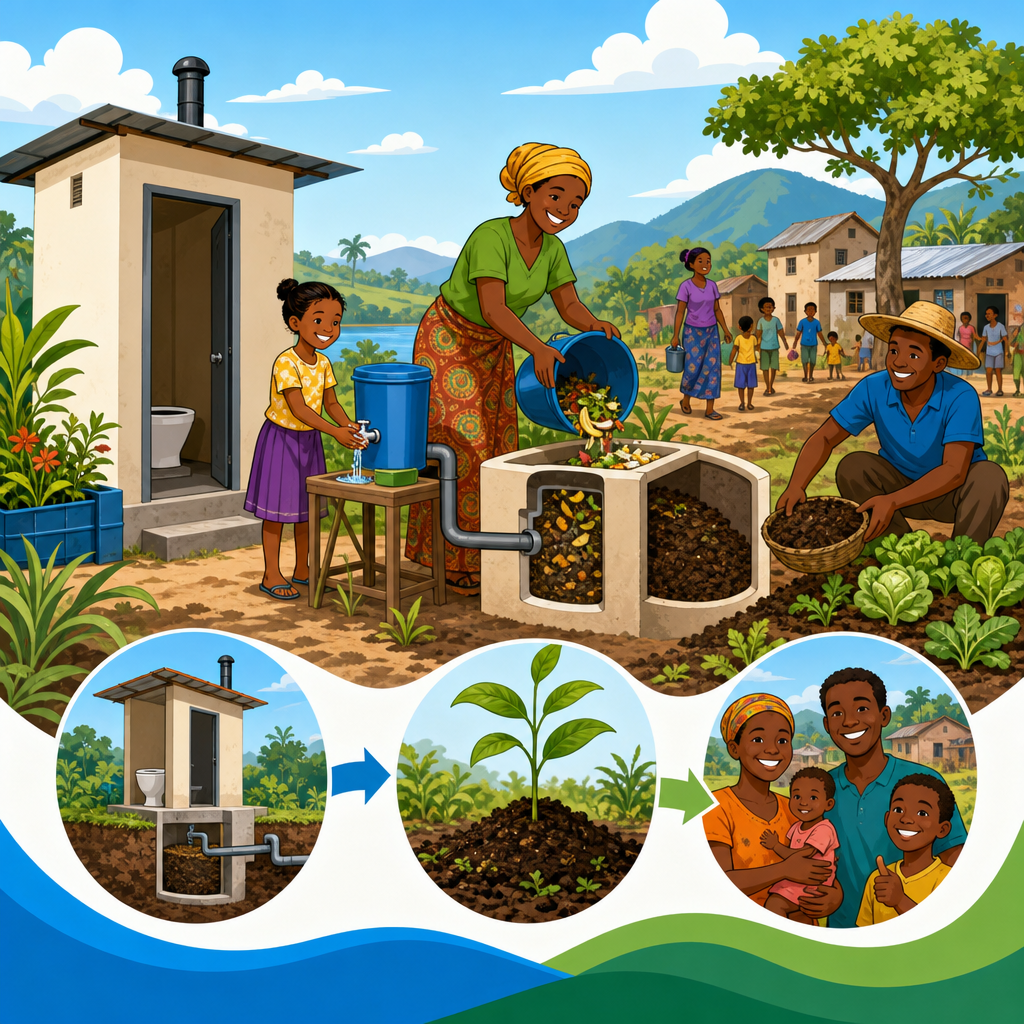
At its core, EcoSan operates under the philosophy of closing the sanitation loop by transforming waste into resources. It emphasizes the conservation of water, nutrient recovery, and safe excreta management tailored to the ecological and cultural contexts. Central to these guiding principles is the concept of life-cycle thinking in sanitation practices. Essentially, it focuses on the entire biological, chemical, and ecological processes that occur when human waste is recycled into safe and productive outputs like fertilizer.
Water conservation is pivotal in EcoSan approaches. Traditional sanitation often relies heavily on water for waste transportation and management. However, in times of disaster, water is a precious commodity earmarked for drinking, cooking, and other essential uses. EcoSan’s designs significantly reduce the need for water by employing dry toilets or minimal water flush systems that separate urine and feces for different processing and reuse strategies.
Nutrient recovery is another groundbreaking feature of EcoSan. Human excreta, when treated appropriately, can revert to a beneficial use in agriculture as compost and fertilizer. This not only enhances soil health and agricultural productivity but also reinforces the cyclical nature of biological ecosystems. Such innovative outputs can be life-saving in disaster-hit areas, where food supply chains are often disrupted.
EcoSan approaches emphasize the importance of safe excreta management, focusing on hygiene and user health. Systems are designed to eliminate pathogens effectively, ensuring that the handling of composted waste presents no health hazards. Thus, EcoSan prioritizes public health without neglecting environmental resilience.
EcoSan in Practice: Real-World Applications
Concrete examples of EcoSan deployment in disaster relief abound, underscoring its practicality and effectiveness. One notable case is its implementation following the 2010 Haiti earthquake. Rescue teams and NGOs introduced EcoSan toilets in temporary camps, reducing disease outbreaks and improving community sanitation significantly.
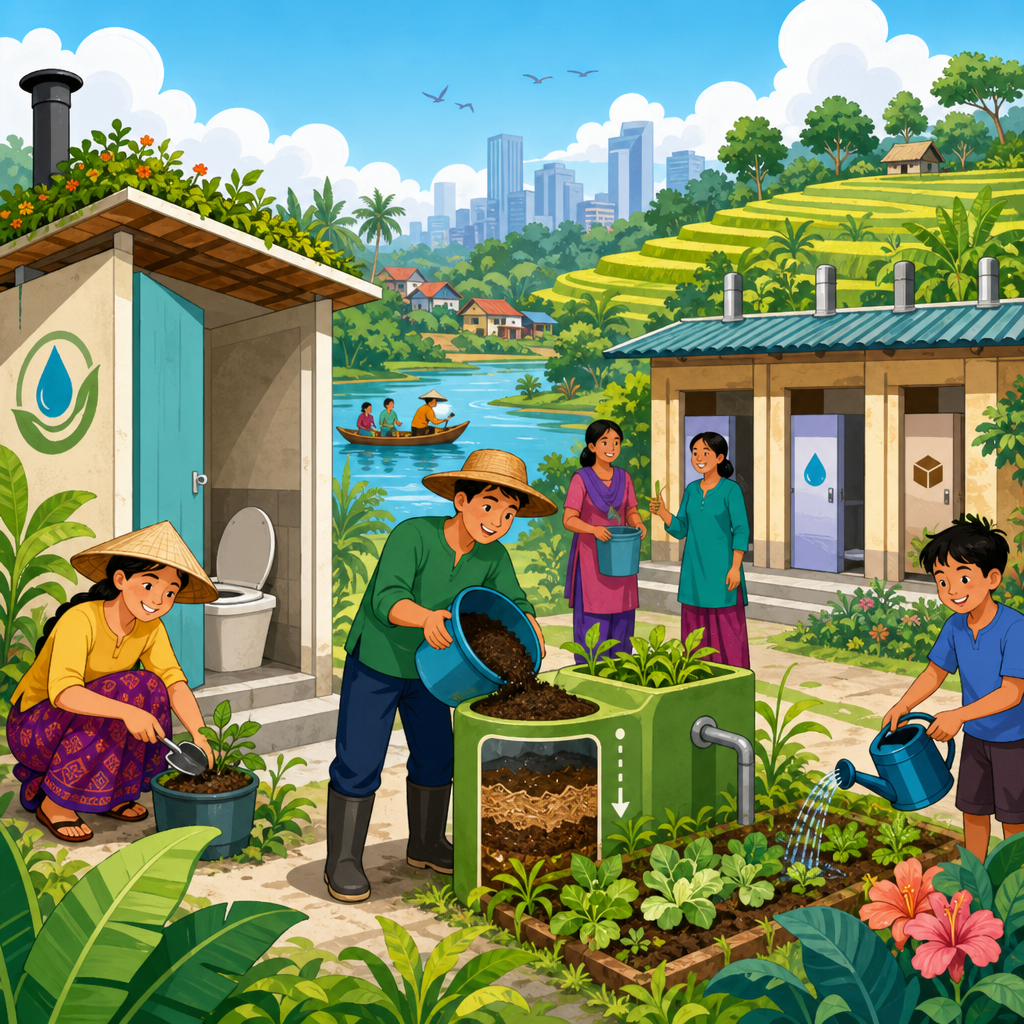
Similarly, EcoSan systems have been deployed in parts of Asia affected by seasonal floods. In such circumstances, these systems can be rapidly set up to provide necessary sanitation facilities, preventing the spread of waterborne diseases. Especially in Bangladesh, EcoSan toilets play a vital role, empowering communities with sustainable sanitation solutions that remain functional even when traditional latrines become unusable due to inundation.
African nations, too, have seen the benefits of EcoSan amid crises caused by drought and conflict. Organizations working in these regions have successfully utilized EcoSan to provide safe, dignified, and environmentally friendly sanitation options. This approach not only meets immediate needs but also encourages community engagement and skill development, creating a sense of ownership and resilience.
Success stories reveal that where EcoSan has been integrated, communities are more resilient and better prepared to cope with future disasters. Such examples offer valuable lessons in community-led sanitation management and provide replicable models that could be adapted globally in similar scenarios.
Challenges and Barriers to Implementation
Despite its advantages, EcoSan faces notable barriers that impede its widespread adoption in disaster relief operations. One major challenge is cultural acceptance. Sanitation practices are deeply rooted in social and cultural contexts, and EcoSan solutions require significant behavioral shifts that may meet resistance.
Technical limitations also pose challenges. While EcoSan systems are robust, they demand proper implementation expertise and infrastructure support. The lack of skilled personnel capable of designing, constructing, and maintaining such systems can hinder their deployment during emergencies.
Resource allocation remains a significant hurdle. In disaster scenarios, immediate relief often prioritizes food, shelter, and healthcare, pushing sanitation lower on the agenda. Consequently, funding and logistic constraints can limit EcoSan’s initial deployment, despite its long-term benefits.
These challenges necessitate a holistic approach involving education, training, and community involvement. Tailoring solutions to local contexts while ensuring that implementation is culturally sensitive and community-focused is critical for overcoming barriers and driving EcoSan adoption effectively.
Technological Innovations and Strategic Frameworks
Innovation is at the heart of enhancing EcoSan’s applicability in disaster contexts. Technological advancements are continuously reshaping sanitation solutions, revealing new opportunities for EcoSan approaches. For instance, recent developments in solar-powered composting toilets have expanded possibilities for remote and off-grid areas, paving the way for sustainable management under adverse conditions.
Collaborative frameworks between NGOs, local governments, and international bodies are instrumental in driving EcoSan’s integration into disaster planning and response strategies. Policies that favor EcoSan implementations as staples of emergency relief spread awareness and allocate resources efficiently.
Real success requires practical engagement with communities, enabling them to take ownership of EcoSan initiatives. Participatory approaches ensure that systems meet actual user needs and preferences, staving off potential resistance while fostering resilience dynamics at the grassroots level.
The Long-term Vision: EcoSan Beyond Immediate Crisis
While EcoSan’s immediate utility in disaster relief is undeniable, its long-term implications extend far beyond crisis scenarios. With increasing environmental pressures and a growing global population, sustainable sanitation systems stand as pillars of resilience against future calamities. By reducing reliance on water resources and integrating waste recovery, EcoSan offers a blueprint for ecological stewardship and sustainable development.
The adoption of EcoSan has the potential to transform communities over time, enabling better preparedness for disasters. Training initiatives that accompany EcoSan installations encourage skill-building, economic opportunities, and a shift towards more sustainable living practices. Communities that adopt such systems implicitly advocate for broader environmental sustainability, reducing their ecological footprints and fortifying local ecosystems vulnerable to climate changes.
EcoSan is not merely a technical solution; it is an ethos that embodies proactive environmental change. By advocating for EcoSan integration, stakeholders place compassion at the forefront of disaster relief, signifying a commitment to human dignity, health, and environmental stewardship.
Conclusion
EcoSan’s role in disaster relief transcends the immediate challenges of managing human waste. It addresses the core of human and environmental needs, imbuing disaster-stricken areas with hope and resilience. This exploration of EcoSan signifies not only an answer to crisis-driven sanitation but also a semblance of normalcy and dignity for those afflicted by catastrophes. As evidenced by case studies and strategic implementations worldwide, EcoSan promises a future where humanity’s basic needs are met sustainably, equitably, and resiliently in the face of adversity.
Governmental bodies, humanitarian organizations, and community leaders need to rally behind EcoSan initiatives, recognizing their potential as catalysts of long-term change. By channeling resources, education, and effort into the thoughtful deployment of EcoSan, stakeholders advance a resilient and compassionate approach to humanitarian crises. With this conviction, EcoSan transcends its label as a mere waste management system, emerging as a vital cog in the machinery of humane, effective disaster relief efforts worldwide.
Echoing this vision will ultimately foster an environment where sustainable sanitation solutions are not just emergency responses, but critical components of all human habitats, nurturing health, dignity, and ecological balance.
Frequently Asked Questions
1. What is EcoSan and how does it work in disaster relief efforts?
EcoSan, short for Ecological Sanitation, is an innovative approach to managing human waste that seeks to address sanitation issues in a sustainable way. In disaster relief contexts, where conventional sanitation systems may fail, EcoSan provides a crucial alternative. Unlike traditional systems that dispose of waste, EcoSan focuses on breaking down waste to recover resources such as water, nutrients, and organic matter. This process not only makes sanitation more sustainable but also reduces the likelihood of disease outbreaks in vulnerable communities.
EcoSan systems typically include urine-diverting toilets and composting systems that treat waste onsite. Urine is separated and can be used as a fertilizer, while solid waste is composted to create nutrient-rich soil. This approach minimizes water usage and the need for extensive infrastructure, making it particularly beneficial in disaster-stricken areas where resources are limited.
2. Why is EcoSan particularly effective during crisis situations?
During disasters, access to clean water and adequate sanitation facilities is often compromised, leading to a heightened risk of disease outbreaks such as cholera and dysentery. EcoSan mitigates these risks by providing a reliable and environmentally friendly sanitation solution that doesn’t rely on existing infrastructure or significant amounts of water. Its ability to function independently of traditional wastewater systems is one of its key advantages.
Furthermore, EcoSan facilitates rapid deployment in emergency shelters and relief camps. The systems are modular and can be set up quickly, helping to ensure that displaced populations have access to safe sanitation options. By turning waste into a resource – through processes like composting and nutrient recovery – EcoSan also helps to create a sustainable sanitation ecosystem, which can be pivotal in maintaining public health standards during crises.
3. How does EcoSan contribute to public health in disaster-affected areas?
EcoSan significantly contributes to public health by reducing the risk of sanitation-related diseases. By managing waste effectively and preventing contamination of water sources, it lowers the incidence of waterborne diseases that are common after natural disasters. The ecological cycle promoted by EcoSan also means nutrient-rich waste products can be transformed into a resource, such as using urine as fertilizer, which supports local agriculture and food security, essential in crisis recovery.
These sanitation systems also enhance community resilience. By being less reliant on centralized systems that may be damaged or destroyed in a disaster, communities using EcoSan can maintain better hygiene standards. This autonomy in waste management is crucial in emergency contexts where external support might be delayed or limited.
4. What challenges might be faced in implementing EcoSan in disaster scenarios?
Implementing EcoSan in disaster situations isn’t without its challenges. One of the primary obstacles is the initial unfamiliarity or resistance from communities used to conventional sanitation systems. There might be a learning curve in terms of operating and maintaining EcoSan units, which requires effective training and community engagement.
Additionally, logistical barriers such as transporting materials and setting up systems in remote or hard-to-reach areas can be difficult. It’s also essential to ensure that the socio-cultural context is considered, as some practices involved in EcoSan might not align with the local beliefs or hygiene practices. Addressing these challenges necessitates a cooperative approach, involving stakeholders at multiple levels, including local governments, NGOs, and the affected communities themselves.
5. How can communities ensure the sustainability of EcoSan systems after the initial disaster recovery phase?
Ensuring the sustainability of EcoSan systems post-crisis requires a strategic, long-term approach. Education and community involvement are key. By involving local communities from the onset in the planning, implementation, and maintenance of EcoSan systems, there is a greater chance of these systems being integrated into everyday life. Training programs that provide the knowledge and skills necessary to operate and maintain these systems are vital.
Engagement with local organizations and governments can support this transition, aligning EcoSan initiatives with broader public health and environmental goals. Additionally, demonstrating the tangible benefits, such as improved crop yields from compost use and reduced healthcare costs from fewer sanitation-related diseases, can help ingratiate these systems within communities, fostering a sense of ownership and responsibility that is crucial for their long-term success.