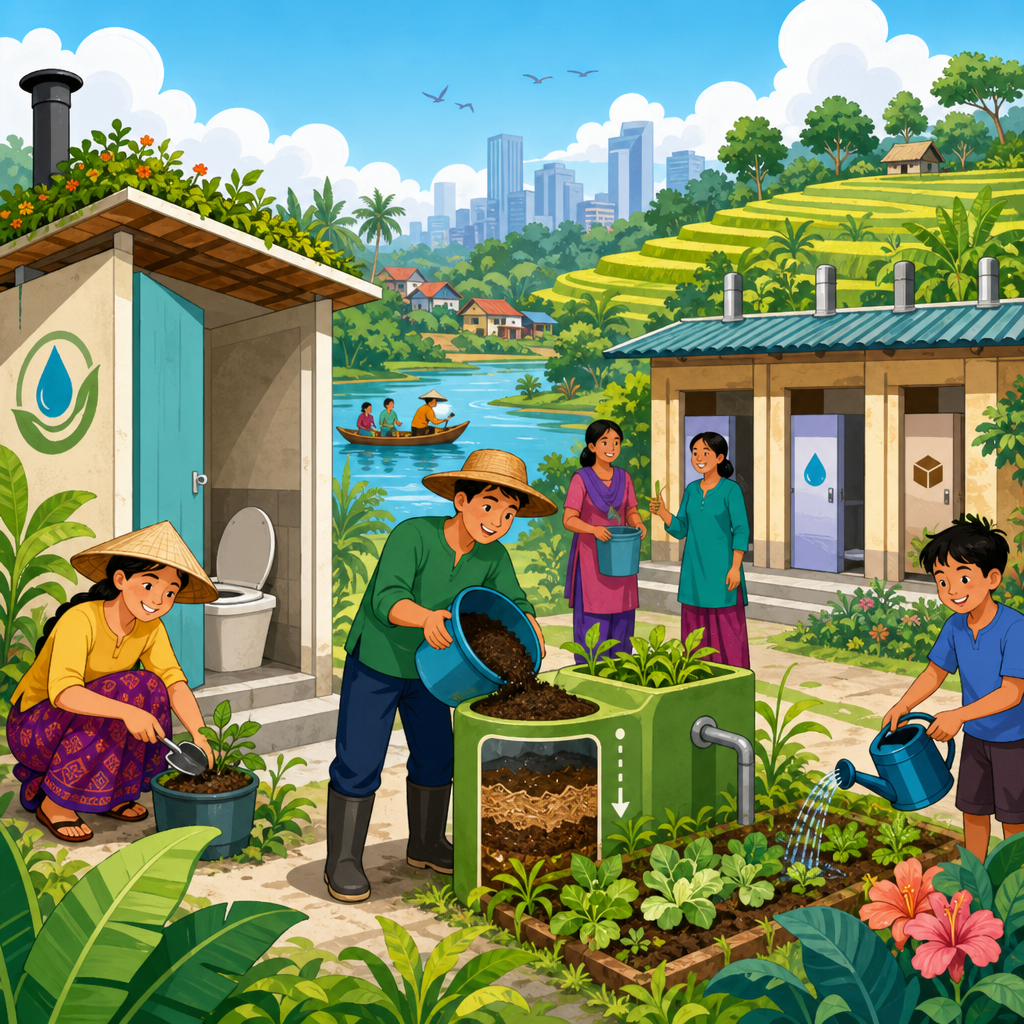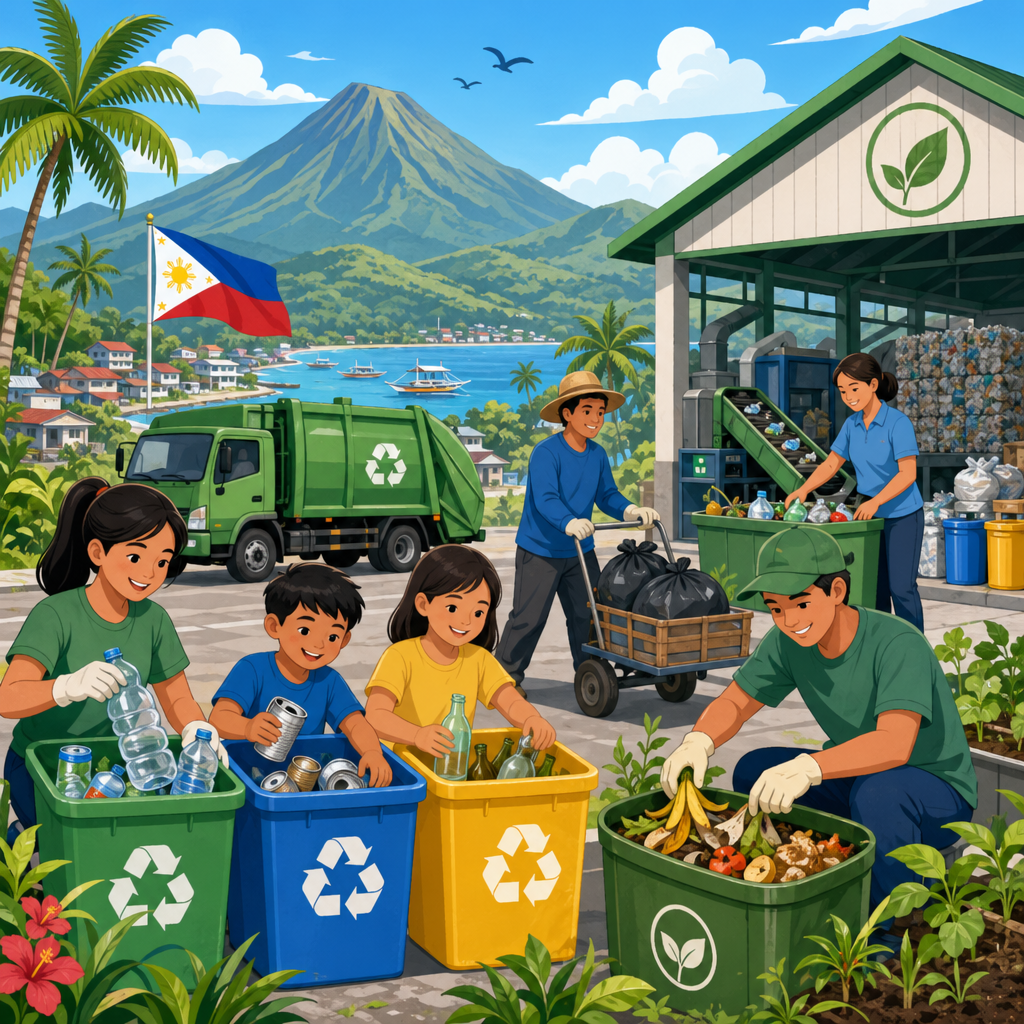
Cultural sensitivity and acceptance play a significant role in the implementation and success of EcoSan systems. EcoSan, or Ecological Sanitation, is a sustainable approach to managing human waste by turning it into a resource through processes such as composting and urine diversion. As the world becomes more conscious of environmental issues and sustainable practices, EcoSan systems have emerged as effective solutions. However, despite their ecological benefits, these systems often face cultural and social barriers in their implementation. Understanding and respecting cultural nuances is crucial to achieving widespread acceptance and success in EcoSan projects.
The introduction of EcoSan solutions into diverse communities requires an appreciation of cultural practices, beliefs, and societal norms related to sanitation. Cultural sensitivity ensures that sanitation solutions are not only technically effective but also socially acceptable. In many communities, sanitation practices are deeply rooted in traditions and religious beliefs. Therefore, introducing new systems like EcoSan necessitates a thorough understanding and respect for these existing practices. Without cultural sensitivity, the risk of rejection and failure of EcoSan systems increases significantly.
Furthermore, acceptance in EcoSan implementation involves engaging local communities in the decision-making process. Their involvement is crucial in addressing any concerns and ensuring that the solutions align with their values and needs. This engagement fosters a sense of ownership among community members, which is key to the long-term success and sustainability of EcoSan systems. Understanding cultural diversity and practicing acceptance are therefore fundamental strategies in promoting EcoSan and achieving its potential benefits.
Challenges and Importance of Cultural Sensitivity
Cultural sensitivity refers to the awareness and consideration of the differences in viewpoints, traditions, and practices across different cultures. Within the domain of EcoSan implementation, these differences can encompass a variety of aspects, from personal hygiene practices to broader communal sanitation behaviors. Embracing cultural sensitivity is not just about adhering to social etiquette; it involves deep comprehension of potential barriers that might hinder EcoSan implementation and taking active steps to address them.
One significant challenge is the diversity in hygiene practices among different cultures. For example, certain communities may have specific rituals or customs associated with sanitation that may conflict with aspects of EcoSan systems. In such cases, imposing EcoSan without proper adaptation could result in community resistance or even outright rejection of the system. Additionally, language barriers can impede the understanding and communication of EcoSan principles, increasing the challenge of gaining acceptance.
Another cultural aspect to consider is the perception of human waste. In various cultures, human waste is regarded with respect to religious or traditional views, often seen as taboo or impure. The use of human waste as a resource in EcoSan systems can sometimes contradict these deeply entrenched beliefs. It’s essential to address these perceptions by providing education and creating awareness about the environmental and health benefits of EcoSan solutions. This helps in shifting the cultural perspective from viewing waste simply as a byproduct to recognizing its potential as a valuable resource.
Cultural sensitivity is of paramount importance because it directly impacts the acceptance and integration of EcoSan systems within a community. Communities are more receptive to new ideas and technologies when they perceive that these changes respect their cultural values and enhance, rather than disrupt, their way of life. Recognizing and aligning with these cultural dynamics makes the difference between successful implementation and potential failure of sanitation projects.
Strategies for Enhancing Acceptance
To enhance acceptance and maximize the success of EcoSan systems across diverse cultural backgrounds, several strategies can be effectively employed. One primary strategy is involving community leaders and stakeholders from the outset. Community leaders often wield significant influence and can be instrumental in endorsing and promoting EcoSan systems, thereby facilitating broader acceptance within the community.
Education and training are also pivotal components in enhancing acceptance. Tailored educational programs that are accessible, understandable, and relevant to the local populace can demystify EcoSan systems and highlight their benefits. By effectively communicating the advantages of EcoSan through workshops, demonstrations, and educational materials, misconceptions can be dispelled, and a shift in mindset facilitated.
Incorporating community feedback into the design and implementation phases of EcoSan systems is another critical strategy. This participatory approach ensures that the systems are adapted to meet the specific needs and preferences of the community, increasing the likelihood of acceptance. Moreover, by including culturally significant design elements or practices within EcoSan systems, communities can feel a sense of connection and relevance, enhancing their willingness to adopt the solution.
Partnerships with local organizations and NGOs can also serve as an effective means of promoting EcoSan acceptance. These entities often possess deeper insights into cultural norms and can facilitate engagement with the community in a respectful and understanding manner. Collaborating with these organizations can streamline communication, alleviate cultural misunderstandings, and promote the integration of EcoSan systems.
Additionally, demonstrating the success of EcoSan systems in similar cultural contexts can serve as persuasive evidence. Case studies and examples from culturally akin communities that have effectively implemented EcoSan can instill confidence and diminish apprehensions about adopting such systems. Seeing tangible benefits in comparable settings eases cultural resistance and encourages adaptation.
Case Studies and Real-world Examples
Looking at real-world examples where cultural sensitivity and acceptance strategies have been utilized provides valuable insights into effective EcoSan implementation. One notable case is the adoption of EcoSan systems in rural communities in India. These projects have faced initial resistance due to traditional beliefs surrounding sanitation but succeeded through collaboration with local leaders who were respected in the cultural hierarchy. By framing EcoSan as a complement to existing practices rather than a replacement, project implementers successfully encouraged trial and adoption in multiple villages.
Another example can be found in Africa, where EcoSan implementation has been supported by local NGOs working closely with communities to adapt the sanitation systems to their unique cultural settings. These partnerships with local stakeholders helped translate educational materials into native languages, explaining the scientific basis of EcoSan and aligning them with local beliefs and customs. Furthermore, using culturally appropriate communication methods, such as storytelling, helped convey the importance of sustainable sanitation practices.
In Latin America, EcoSan projects have leveraged the cultural emphasis on community and family by framing the sanitation systems as investments in the future well-being of families. By presenting EcoSan solutions as a means to protect children from diseases and as a way to enhance agricultural productivity through safe composting, positive community involvement and acceptance were secured. Such culturally sensitive framing not only improved acceptance rates but also built long-lasting support for EcoSan technologies.
Long-term Benefits of Culturally Sensitive EcoSan Systems
Implementing EcoSan systems with cultural sensitivity yields numerous long-term benefits. Firstly, it ensures sustained community use and maintenance of these systems since cultural alignment makes them more integral to daily life. Systems integrated into cultural practices are more likely to be maintained and retained over the long term, leading to enduring sanitation improvements and associated health benefits.
Culturally sensitive EcoSan systems contribute significantly to environmental sustainability. By considering cultural practices in design, EcoSan systems can often integrate with existing sustainable practices, enhancing resource recovery and reducing environmental degradation. The improved perception of human waste as a valuable resource helps communities to engage more readily in recycling and resource recovery activities, facilitating broader environmental conservation efforts.
Furthermore, successful EcoSan projects boost community empowerment. When communities see their values respected and their needs met, confidence in the system builds, empowering individuals to engage more deeply with other sustainable practices. This empowerment can lead to greater involvement in local governance and increased advocacy for more extensive ecological initiatives.
Conclusion
In conclusion, cultural sensitivity and acceptance are critical components in successfully implementing EcoSan systems. Acknowledging and understanding cultural beliefs, practices, and norms related to sanitation ensures these systems are not only technically viable but also socially embraced. By engaging with local communities, incorporating their feedback, and working alongside cultural contexts, EcoSan solutions can achieve sustainable, long-term success. Additionally, employing culturally sensitive strategies fosters community ownership and empowerment, further promoting environmental sustainability and health benefits. As EcoSan continues to gain traction worldwide, emphasizing cultural sensitivity and acceptance will be vital in overcoming challenges and maximizing their positive impact on communities and the environment.
Ultimately, the integration of EcoSan systems that respect and embrace cultural diversity has the potential to revolutionize sanitation practices. Properly implemented, they can serve as powerful catalysts for change, contributing to a healthier planet and improved quality of life for people across the globe. Efforts to bridge cultural divides and foster acceptance in the EcoSan landscape underscore the importance of holistic and inclusive approaches to global sanitation issues.
Frequently Asked Questions
1. Why is cultural sensitivity important in the implementation of EcoSan systems?
Cultural sensitivity is crucial in the implementation of EcoSan systems because it influences the acceptance and usage of these systems in different communities. Ecological Sanitation systems use innovative approaches to manage waste, such as urine diversion and composting, which may be unfamiliar or even uncomfortable for some people, especially if these practices conflict with traditional beliefs or societal norms. Understanding the customs, practices, and attitudes of a community ensures that the installation and use of these systems do not offend or disrupt the existing social fabric. By respecting cultural differences and engaging the community in the implementation process, stakeholders can build trust and cooperation, increasing the likelihood of adopting EcoSan methods. In essence, cultural sensitivity bridges the gap between technological solutions and human behavior, which is critical for the long-term success of EcoSan projects.
2. What are some common cultural barriers encountered during EcoSan implementation, and how can they be addressed?
Common cultural barriers in EcoSan implementation include taboos surrounding human waste management and sanitation, reluctance to handle or use human waste as a resource, and deep-seated traditional practices. These barriers can sometimes manifest as resistance to using technology that repurposes or recycles waste, using urine or compost in agriculture, or using communal facilities. To address these challenges, practitioners can engage communities in educational programs that highlight the environmental and economic benefits of EcoSan, demonstrating how sustainability directly benefits the community’s well-being and environment. Engaging community leaders and influencers in the conversation can help in normalizing these practices. Additionally, customizing communication to align with local values and offering demonstrations that show the ease and safety of EcoSan systems can lead to increased acceptance. By showing respect and providing evidence of the systems’ advantages, these barriers can be mitigated.
3. How does community involvement enhance the acceptance of EcoSan systems?
Community involvement is a pivotal factor in enhancing the acceptance of EcoSan systems because it transforms residents from passive participants into active stakeholders. When communities are involved from the planning stages, they have the opportunity to express their needs and concerns, ensuring that the EcoSan solutions are tailored to fit local cultural norms and preferences. Involving communities can include participatory workshops, discussions, and local training programs that equip residents with the knowledge and skills to operate and maintain the systems. This empowerment fosters a sense of ownership and responsibility for the EcoSan project, which can significantly increase adherence and proper utilization. Furthermore, engaging the community allows for the integration of traditional knowledge and practices that can enhance the functionality and integration of EcoSan technology. By collectively problem-solving, sharing experiences, and collaboratively developing solutions, community engagement promotes wider acceptance and long-term sustainability of ecological sanitation systems.
4. How can education influence the success of EcoSan projects in culturally diverse areas?
Education is a powerful tool in increasing the success rate of EcoSan projects, especially in culturally diverse areas. By providing educational initiatives, communities can be informed about the scientific basis, economic benefits, and health advantages of ecological sanitation solutions. Education dispels myths and reduces fear or stigma associated with unfamiliar technologies or processes, allowing individuals to make informed decisions about their sanitation practices. Workshops, school programs, and community seminars can be tailored to address specific cultural beliefs and practices, making the technology more relatable and understandable. Additionally, education can involve promoting the economic incentives of EcoSan, such as cost-savings from reduced chemical fertilizers via nutrient recycling, which can be compelling for communities reliant on agriculture. When education is comprehensive and culturally aligned, it empowers individuals to become advocates of EcoSan systems, leading to broader acceptance and sustained implementation.
5. In what ways can EcoSan systems be modified to align with cultural preferences without compromising their efficiency?
EcoSan systems can be modified to align with cultural preferences by incorporating flexible design elements and providing customization options that respect local traditions and lifestyles. For instance, the structure and appearance of sanitation facilities can be modified to match architectural styles that are common in the area, or adapting system sizes to better suit family or community needs. Toilets can also be designed in ways that align with cultural norms regarding privacy or gender separations, such as separate sanitation stations for men and women. The materials used in construction can be sourced locally to ensure they resonate with the community’s aesthetic and structural expectations. Another approach is to incorporate culturally appropriate education materials and instruction manuals in local languages or dialects, which improves comprehension and usage. Lastly, regular community feedback sessions can ensure that any necessary adjustments are made over time, maintaining cultural alignment while preserving the ecological and functional integrity of the EcoSan systems. Through these modifications, EcoSan solutions can be harmonized with local cultures without sacrificing their environmental benefits.