Ecological sanitation, or EcoSan, is a revolutionary approach to sanitation that seeks not only to address waste management issues but also to create sustainable ecosystems through resource recovery. As environmental concerns escalate globally, the implementation of EcoSan systems has emerged as a viable solution to conventional wastewater treatment, which often fails to address the multifaceted challenges of waste disposal, water conservation, and nutrient recovery. This article explores the lessons learned from EcoSan initiatives around the world, detailing the challenges encountered, the strategies that have proven successful, and the future potential for communities seeking to adopt this innovative approach.
The need for sustainable sanitation systems is driven by the dual threats of water scarcity and environmental degradation. Traditional sanitation methods consume vast amounts of water and fail to recycle valuable resources such as phosphorus and nitrogen, leading to further depletion of natural resources. EcoSan offers a compelling alternative by treating human excreta as a resource rather than waste, thereby shifting the paradigm towards a circular economy where nutrients are returned to the soil. As more communities strive to implement EcoSan, the lessons from these efforts provide invaluable insights into effective practice and policy formation. EcoSan is not merely a technological solution; it requires various social, cultural, and economic considerations to ensure successful adoption and functioning.
Challenges Encountered in EcoSan Implementation
Throughout the global push for EcoSan, several challenges have been encountered, significantly affecting its adoption and efficiency. A primary obstacle is the lack of understanding and awareness about EcoSan principles. Communities and institutions often have entrenched beliefs that associate human waste with disease and unsanitary conditions. Overcoming these misconceptions has been crucial to facilitating engagement and encouraging participation.
Moreover, socio-cultural factors play a pivotal role; attitudes towards waste and sanitation vary greatly among cultures and regions. Strategies that might succeed in one context could prove ineffective or even counterproductive in another. Thus, local customs and practices must be carefully considered and integrated into EcoSan design and implementation.
Financial and technical barriers also pose significant hurdles. Many regions interested in EcoSan do not have access to the initial capital investment required for system installation. Even when technologies are available, the lack of expertise in operation and maintenance often leads to system failure. Providing training and ongoing support is vital to fostering sustainable EcoSan projects.
Successful Strategies for EcoSan Implementation
Despite these challenges, numerous EcoSan projects have surpassed expectations by adhering to several key strategies. Education and community involvement are at the forefront of successful implementation. Raising awareness about the environmental and economic benefits of EcoSan can transform public perception and foster community ownership of projects. Workshops, seminars, and collaborative platforms can be employed to provide knowledge and encourage dialogue between stakeholders.
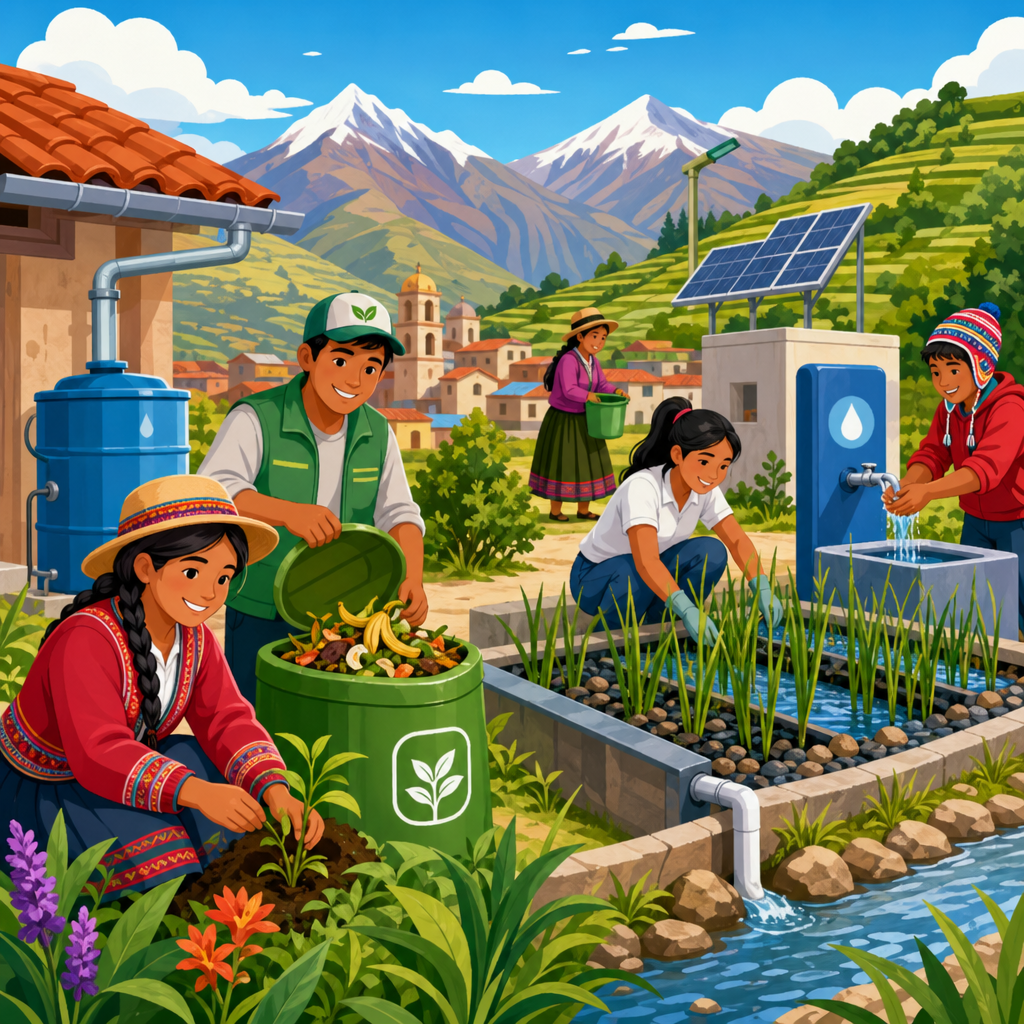
Customizing EcoSan solutions to fit local contexts has been a recurring theme among successful projects. This involves collaborating with local leaders and residents to create designs responsive to specific needs and preferences. Solutions that respect cultural practices while meeting environmental objectives have consistently seen greater success.
Financially, sustainable practices include engaging various stakeholders, such as governments, non-governmental organizations, and private investors, to share costs and risks. This approach can alleviate financial burdens on individual communities and provide broader support networks. Additionally, demonstrating the economic advantages, such as reduced water bills and potential profit from recycled resources, can attract investment and involvement from local businesses.
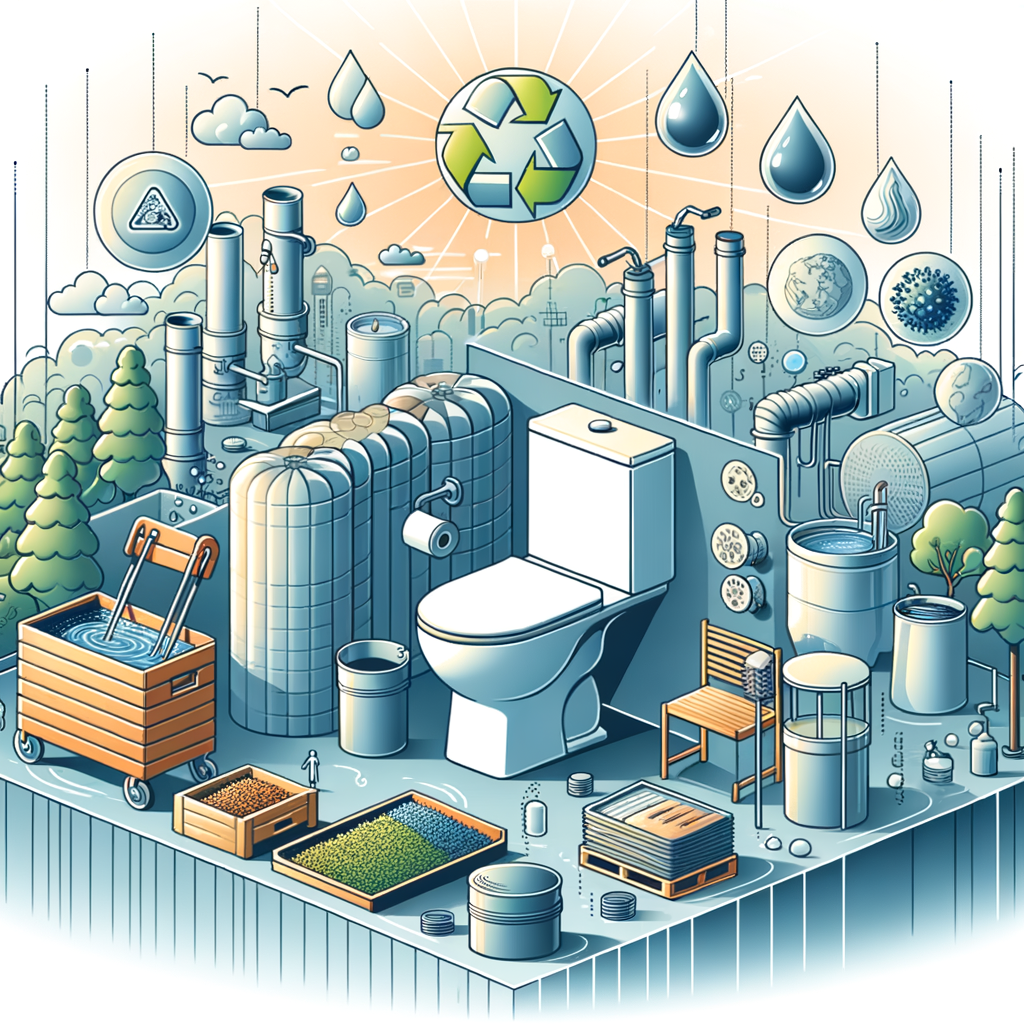
Technology plays an essential role in advancing EcoSan systems. Innovations such as urine-diverting toilets and biogas reactors that convert waste into energy have paved the way for more comprehensive solutions. Disseminating technological knowledge and ensuring its accessibility increases the feasibility of EcoSan even in low-resource settings. Training programs that build local capacities in constructing and maintaining such equipment are also vital.
Case Studies Highlighting EcoSan Success
Globally, EcoSan projects have made significant strides through well-documented case studies. One notable success is the Indian state of Tamil Nadu’s EcoSan program, where dry toilets have been widely adopted. Understanding local hygiene practices and involving community members in the design process led to widespread acceptance and utilization. The region has seen a reduction in health problems previously caused by poor sanitation, alongside improvements in agricultural productivity due to nutrient-rich composting.
Similarly, in East Africa’s Kenya and Uganda, EcoSan has transformed both sanitation standards and agricultural productivity. Communities have successfully implemented urine-diverting dry toilets. The separated waste has been composted and used as fertilizer, leading to improved crop yields and food security.
In Europe, Sweden has been a frontrunner in adopting EcoSan. The integration of resource-recovery systems for urban settings emphasizes the viability of EcoSan beyond rural contexts. Systems that treat wastewater at the source and convert it into biogas have been particularly effective, reducing reliance on external energy sources and providing heat and electricity to households.
Policy and Governance
Championing EcoSan requires strong policy support and compliance frameworks. Governments play a crucial role in embedding EcoSan within environmental and public health policies, providing both legal and financial support for innovators and adopters. Policies that mandate resource-efficient sanitation practices can accelerate EcoSan adoption. These policies should also include measures to incentivize households and institutions to transition to EcoSan systems.
Governance structures that support network collaboration rather than hierarchical control also foster EcoSan’s success. By engaging multiple stakeholders—from local governments and academic institutions to independent enterprises—more inclusive and comprehensive sanitation strategies can be developed.
Monitoring and evaluation frameworks that ensure accountability and measure impact are essential. Data from these evaluations should inform policy amendments and improvements, reinforcing systems that work and rectifying inefficiencies. The importance of transparency cannot be overstated, as it builds public trust and encourages continued participation.
Future Potential and Innovations
The future of EcoSan is promising, with ongoing research into innovative technologies and methodologies that further enhance its effectiveness. Innovations such as advanced composting techniques, smart monitoring systems for waste management, and integration into broader infrastructure systems present exciting opportunities.
Moreover, considering the growing global population and increasing urbanization, adapting EcoSan for urban settings provides a significant opportunity to address urban waste management challenges. Urban EcoSan systems could integrate with existing infrastructure to create holistic urban ecosystems where waste is minimized, and resources are maximized.
There is also increased potential in linking EcoSan with climate change mitigation strategies. By recognizing natural resource recovery and waste reduction, EcoSan can contribute to broader environmental goals, including reducing greenhouse gas emissions and fostering biodiversity.
Conclusion
Effective EcoSan implementation represents a critical step forward in creating resilient and sustainable communities. Its multi-faceted approach not only addresses immediate sanitation needs but also embraces broader environmental, social, and economic benefits. The experiences and lessons drawn from global initiatives highlight the importance of tailored solutions, community involvement, and supportive policy environments.
As the world continues to grapple with environmental challenges, the EcoSan paradigm offers a beacon of hope. It encourages communities to transition towards sustainability and resilience, focusing on resource recovery and eco-centric solutions. Policymakers, innovators, and communities alike must collaborate to embrace and expand these systems, cultivating environments where waste is not an endpoint but a vital resource integral to future growth and well-being.
Ultimately, the journey of EcoSan is about more than just sanitation—it’s about envisioning a world where human and environmental health are harmoniously aligned, demonstrating an effective balance between technological advancement and respect for nature’s cycles.
Frequently Asked Questions
1. What is EcoSan, and how does it differ from traditional sanitation methods?
EcoSan, short for Ecological Sanitation, is an innovative approach aimed at sustainable waste management and environmental conservation. Unlike traditional sanitation systems that often focus solely on removing waste, EcoSan systems emphasize the recovery and reuse of resources from waste, such as nutrients, water, and organic matter. The traditional methods usually treat human waste as something to be disposed of, employing centralized systems that often use large amounts of water and energy, and sometimes return inadequately treated water to the environment.
EcoSan systems, however, treat waste as a resource, aiming to protect water quality, reduce the use of freshwater, minimize waterborne diseases, and improve soil fertility. Through technologies like composting toilets, biodigesters, and urine-diverting dry toilets, EcoSan systems can recover vital nutrients (such as nitrogen, phosphorus, and potassium) for agricultural use, thus closing the nutrient loop and contributing to food security.
2. What are some common challenges encountered during the implementation of EcoSan projects?
Implementing EcoSan projects comes with its own set of challenges, largely due to the shift in perception and practices required. One significant challenge is the cultural and social acceptance of the systems. Communities often face initial resistance due to unfamiliarity with non-flushing toilets or the handling of treated waste products.
Another issue is the technical and financial constraints that might arise. For instance, the cost of installing EcoSan systems can be prohibitive without subsidies or financial aid, especially in low-income communities. There is also the technical challenge of designing systems that are appropriate for local environmental and climatic conditions, accessible, and easy to maintain.
Furthermore, there may also be policy and regulatory barriers where current sanitation regulations are not flexible to accommodate the unconventional nature of EcoSan systems. Overcoming these challenges requires comprehensive stakeholder engagement, capacity building, and supportive policy frameworks to foster acceptance and adoption.
3. How does EcoSan contribute to water conservation efforts?
EcoSan supports water conservation significantly by employing technologies that either do not use water at all or use minimal water amounts compared to traditional flushing systems. Urine-diverting toilets, for example, separate urine and feces at the source, allowing each to be processed into valuable byproducts without the need for water to flush these waste materials out.
By significantly reducing or even eliminating the use of water in sanitation processes, EcoSan systems help conserve freshwater resources. This conservation of water is crucial, particularly in regions experiencing water scarcity or where water quality is deteriorating. Furthermore, minimizing the use of water in waste systems reduces the risk of waterborne pollution, thereby protecting aquatic ecosystems and enhancing the availability of clean water for other uses.
4. How can communities ensure the successful adoption and sustainability of EcoSan systems?
For the successful adoption and sustainability of EcoSan systems, community engagement and education play a critical role. Building awareness and understanding of the benefits of EcoSan and how these systems function is fundamental in reducing resistance and fostering acceptance. This involves tailored education campaigns that address local concerns and cultural practices.
Furthermore, training members in maintaining and operating the systems ensures sustainable usage. It is necessary that there are ongoing technical support mechanisms and monitoring for any necessary adjustments or troubleshooting. Engaging local leaders as champions and forming EcoSan committees can strengthen community participation. Policy support and integration of EcoSan systems into broader sanitation planning frameworks by governments and NGOs can provide additional momentum.
Economic incentives, such as subsidies or microfinancing options, can alleviate the financial burden on adopting communities. Ensuring that EcoSan systems generate tangible benefits, like fertilizer outputs from compost that can be used in agriculture, will further enhance the system’s perceived value to the community, ensuring sustained use and investment.
5. What are the environmental benefits of using EcoSan systems?
EcoSan systems offer numerous environmental benefits by promoting a more sustainable approach to waste management. One of the central advantages is nutrient recovery, which allows the reuse of nutrients such as nitrogen, phosphorus, and potassium from human waste in agriculture. This practice helps reduce reliance on chemical fertilizers, which can have detrimental effects on the environment through runoff into water bodies, leading to eutrophication.
Another crucial benefit is the reduction in pollution of water sources. EcoSan systems minimize or completely eliminate the discharge of untreated human waste into water bodies, thus protecting water quality and promoting healthier aquatic ecosystems. This approach also reduces greenhouse gas emissions by diverting waste from traditional wastewater treatment systems that often generate methane.
Additionally, EcoSan systems encourage local resource cycling, bolstering soil health with composted waste, thereby improving soil structure and fertility sustainably. By decentralizing waste treatment, EcoSan systems can reduce the burden on existing centralized waste management infrastructures, lowering energy consumption and resource use within urban areas, and thus promoting overall environmental sustainability.