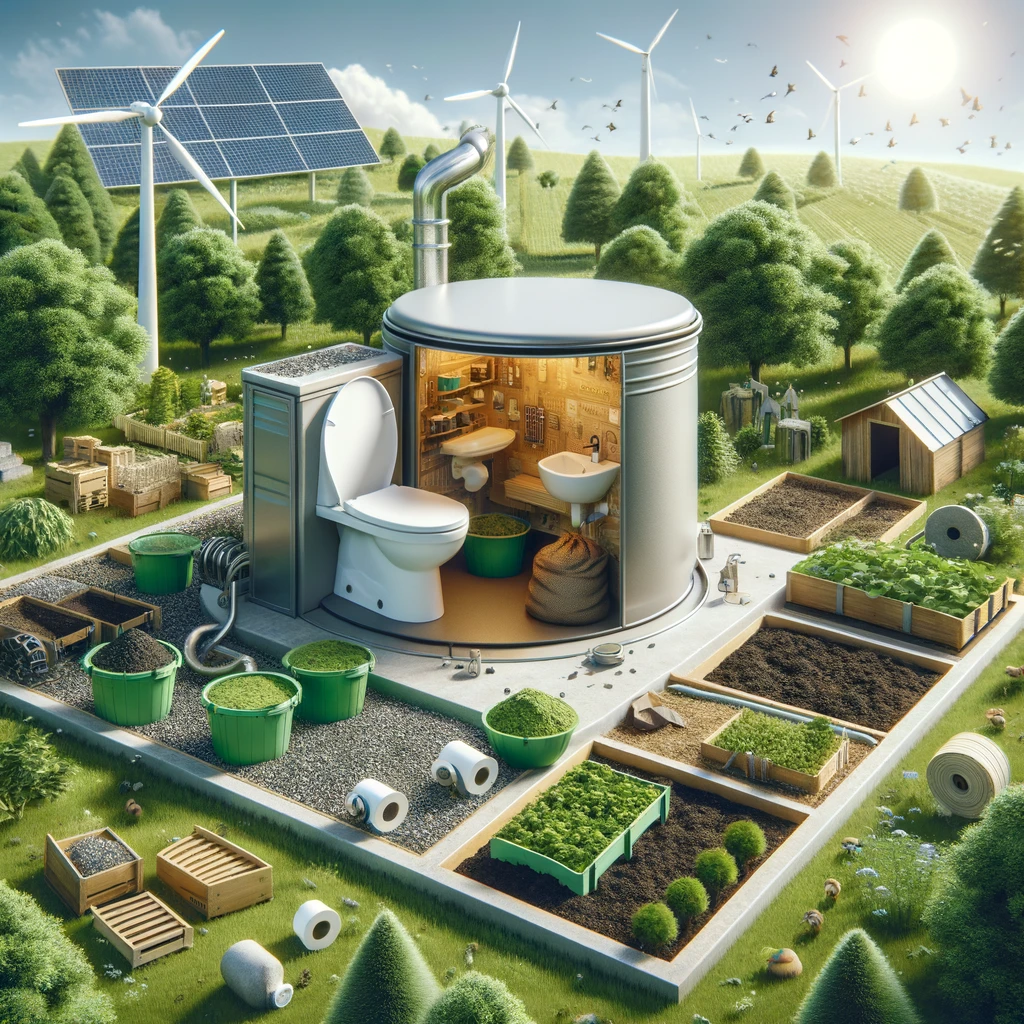
In a world increasingly aware of environmental degradation and the need for sustainable practices, ecological sanitation (EcoSan) has emerged as a revolutionary framework. Central to EcoSan is the idea of managing human waste as a resource rather than a problem, a concept diametrically opposed to conventional sanitation systems. Traditional systems typically rely heavily on water and energy, leading to inefficiencies, high operational costs, and detrimental environmental impacts. In contrast, EcoSan technologies focus on creating closed-loop systems that minimize resource use while maximizing recovery. One of the most compelling aspects of EcoSan is the development of low-energy wastewater treatment systems designed to function under varying socio-economic and environmental conditions. This approach is pivotal, especially in regions with limited access to modern sanitation facilities and those striving to achieve sustainability goals.
The principle of EcoSan begins with recognizing the potential embedded in what we traditionally consider waste. Rather than flushing human excreta away with copious amounts of water, EcoSan seeks to treat and repurpose it, turning a waste product into valuable resources like biogas, compost, and irrigation water. The beauty of EcoSan lies in its ability to be universally applicable and adaptable, scalable to meet the needs of both rural and urban settings. As we dive deeper, we’ll explore the various technologies underpinning EcoSan, understanding their mechanisms, benefits, and challenges. Moreover, we’ll look into practical applications and examine case studies that highlight how EcoSan has been successfully implemented on different scales.
Understanding Ecological Sanitation Technologies
Ecological Sanitation (EcoSan) encompasses a broad array of technologies, each designed to transform waste into resources efficiently. One of the cornerstones of EcoSan technology is the urine-diverting dry toilet (UDDT), which separates urine from feces, facilitating the separate processing and treatment of these waste streams. The urine can be used directly as a nitrogen-rich fertilizer, while the feces undergoes composting, effectively transforming it into a valuable soil conditioner. Another promising technology is constructed wetlands, which use natural vegetation and microbial activity to treat wastewater passively.
Constructed wetlands mimic the processes that occur naturally in wetland ecosystems but in a controlled environment. They are particularly effective in removing organic matter, nutrients, and pathogens from wastewater with minimal energy input. Biogas toilets represent another exciting EcoSan technology. These systems capture methane produced during the anaerobic digestion of human waste, which can then be used as a clean energy source for cooking or heating. Additionally, decentralized wastewater treatment systems (DEWATS) offer a modular, scalable, and low-energy solution for communities lacking centralized sanitation infrastructure. These systems utilize a combination of anaerobic digestion tanks, baffled reactors, and planted gravel filters to effectively process wastewater without the need for extensive electrical energy.
Case Study: Successful EcoSan Implementation in India
India has been at the forefront of EcoSan implementation, driven by the urgent need to improve sanitation in both urban and rural settings. A notable example is the Tamil Nadu EcoSan Program, which has successfully introduced urine-diverting dry toilets in several rural communities. These toilets have drastically improved hygiene and reduced the prevalence of waterborne diseases. The separated urine is used to enhance agricultural productivity, while the composted feces has provided a sustainable soil amendment, boosting crop yields.
In urban areas like Pune, decentralized wastewater treatment systems have been employed to great effect in slum areas. These DEWATS installations have not only improved living conditions but also provided a model for sustainable urban sanitation. By reducing the dependency on centralized sewage systems, these decentralized units have decreased energy consumption and slashed municipal water usage. The holistic approach of combining low-energy sanitation technologies with community engagement and education has ensured that the benefits are long-lasting and widely accepted.

The Role of Policy and Community Engagement
For EcoSan technologies to be widely adopted, supportive policies and active community engagement are essential. Governments play a critical role by providing the necessary legal and institutional frameworks that encourage the implementation of sustainable sanitation practices. This includes setting standards for EcoSan systems, offering incentives for adoption, and ensuring that sanitation initiatives are inclusive and equitable. Community engagement is equally critical. Public awareness campaigns can educate communities about the benefits of EcoSan, dismantling misconceptions and fostering acceptance.
Local leadership and community champions can drive efforts to implement and maintain EcoSan facilities. Participatory approaches, where communities are involved in the planning, construction, and management of EcoSan systems, ensure that the solutions are tailored to local needs and preferences. These participatory processes also help build local capacity, empowering communities to sustain and scale EcoSan initiatives without external dependency.
Technical and Operational Challenges
While the benefits of low-energy EcoSan systems are numerous, there are also significant technical and operational challenges to consider. Designing systems that can perform effectively under varied climatic conditions is one such challenge. For example, achieving optimal composting temperatures in colder climates can be difficult, necessitating additional design considerations or complementary technologies. Furthermore, ensuring the consistent separation of urine and feces in UDDTs can be operationally demanding and may require regular user education and system maintenance.
Another challenge is the safe handling and eventual disposal or reuse of treated waste products. Effective training and protective measures must be in place to safeguard public health when repurposing waste-derived resources. Oxygen supply in anaerobic systems must be carefully managed, as fluctuations can lead to odor issues and incomplete waste breakdown. Addressing these challenges requires a holistic approach that combines robust technical design with comprehensive training and support systems.
Future Directions and Innovations in EcoSan
The future of EcoSan lies in continued innovation and the optimization of existing technologies to further minimize energy use and maximize resource recovery. Emerging technologies such as hydrothermal carbonization and advanced membrane bioreactors show promise in enhancing the efficiency and effectiveness of wastewater treatment. Hydrothermal carbonization converts organic waste into hydrochar, a valuable product that can be used as a soil conditioner or a renewable energy source.
Advanced membrane bioreactors combine biological treatment processes with membrane filtration, providing high-quality effluent suitable for direct reuse, significantly reducing energy consumption compared to conventional wastewater treatment plants. The integration of solar energy and other renewable energy sources into EcoSan systems can further reduce their carbon footprint. Continuous research and development into sensor technology and smart monitoring systems can enable real-time optimization of EcoSan processes, ensuring consistent and reliable performance.
Conclusion
The development of low-energy wastewater treatment systems represents not just a technological advancement but a paradigm shift towards a more sustainable and resource-efficient future. Ecological Sanitation offers an innovative framework that redefines waste as a resource, aligning human activities with the natural ecological cycles. By integrating low-energy treatment systems, communities can improve public health, enhance agricultural productivity, and reduce environmental impact.
Widespread adoption of EcoSan technologies hinges on supportive policies, community engagement, and continuous innovation. Governments, international organizations, and local communities must collaborate to create an enabling environment that promotes EcoSan practices. Overcoming technical and operational challenges requires a multidisciplinary approach that blends robust engineering with education and capacity building. As we move towards a more sustainable future, the lessons learned from successful EcoSan implementations can guide us in developing adaptable and resilient wastewater treatment systems for diverse settings around the globe.