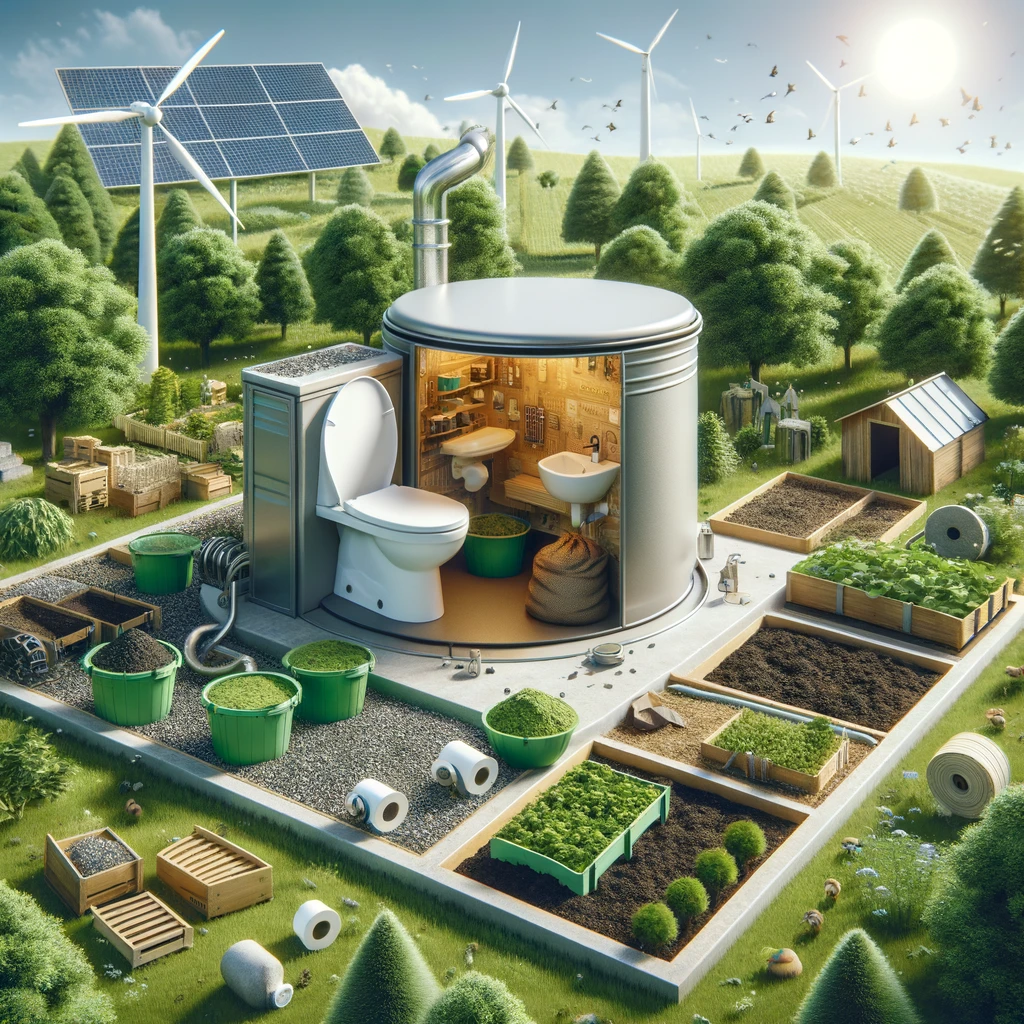
Ecological sanitation, often abbreviated as EcoSan, represents a paradigm shift in the way we view wastewater treatment and water sanitation. It prioritizes recycling and closing nutrient loops rather than merely disposing of waste. EcoSan technologies aim to solve several environmental issues simultaneously, such as reducing pollution, conserving water, and producing useful by-products like fertilizers. One notable innovation that complements EcoSan practices is the installation of green roofs. This article delves into the synergistic relationship between green roofs and ecological sanitation, shedding light on their combined potential to foster sustainable urban environments.
Introduction: Understanding Green Roofs and EcoSan
Green roofs, also known as living roofs, are essentially rooftops that support vegetation. They comprise several layers, including waterproofing, drainage, and a growing medium for plants. Not only do they provide aesthetic and recreational benefits, but green roofs also offer several ecological advantages. They help reduce the urban heat island effect, manage stormwater, and improve air quality by filtering pollutants.
On the flip side, EcoSan is an approach to sanitation that emphasizes the sustainable management of human excreta. The primary goal of EcoSan is to close the loop between sanitation and agriculture through the safe reuse of nutrients found in human waste. Instead of relying on traditional waste disposal systems that often lead to pollution and health risks, EcoSan technologies treat human waste to create valuable resources like biogas and compost.
While these two concepts might appear distinct at first glance, the integration of green roofs with EcoSan systems can generate a multitude of environmental, social, and economic benefits. In urban settings, where space is limited and pollution levels are high, the combination can play a pivotal role in achieving sustainability goals.
EcoSan Technologies: Bridging the Nutrient Loop
EcoSan technologies focus on capturing and treating human waste to extract valuable nutrients. There are several types of EcoSan systems, each tailored to different needs and environments. Technologies like composting toilets, urine-diverting toilets, and anaerobic digesters are commonly used in EcoSan practices. These systems treat excreta in a way that makes it safe and beneficial for reuse in agriculture, thereby closing the nutrient loop.
For instance, composting toilets convert human feces into rich, organic compost that can be used to fertilize plants. Urine-diverting toilets separate urine and feces at the source, allowing for the use of urine as a liquid fertilizer, thanks to its high nitrogen content. Meanwhile, anaerobic digesters can process organic waste, including excreta, to produce biogas for energy and digestate that can be used as soil conditioner.
By implementing EcoSan technologies, cities can reduce their dependence on chemical fertilizers, lower wastewater treatment costs, and mitigate environmental pollution. Moreover, these systems provide additional benefits like decreased greenhouse gas emissions and improved soil health. When integrated with green roofs, the potential for nutrient recycling and waste reduction is magnified, leading to more resilient and sustainable urban communities.
The Role of Green Roofs in Stormwater Management
One of the most significant benefits of green roofs is their ability to manage stormwater. During heavy rainfall, conventional rooftops contribute to urban flooding by directing massive volumes of runoff into drainage systems. Green roofs, however, absorb and retain a considerable amount of rainwater, reducing the burden on city sewers and minimizing the risk of flooding.
The vegetation and growing medium on green roofs act as natural sponges, absorbing up to 80% of rainfall. Excess water is gradually released, reducing peak runoff rates and improving the quality of discharged water by filtering out pollutants. This natural filtration system complements EcoSan practices by ensuring cleaner waterways and reducing the load on traditional wastewater treatment plants.
Moreover, the integration of EcoSan systems with green roofs allows for more efficient use of treated greywater and rainwater. For example, water collected from green roof runoff can be diverted to flush toilets or irrigate landscapes, further conserving potable water. This symbiotic relationship helps cities manage their water resources more sustainably while enhancing the performance of both green roofs and EcoSan technologies.
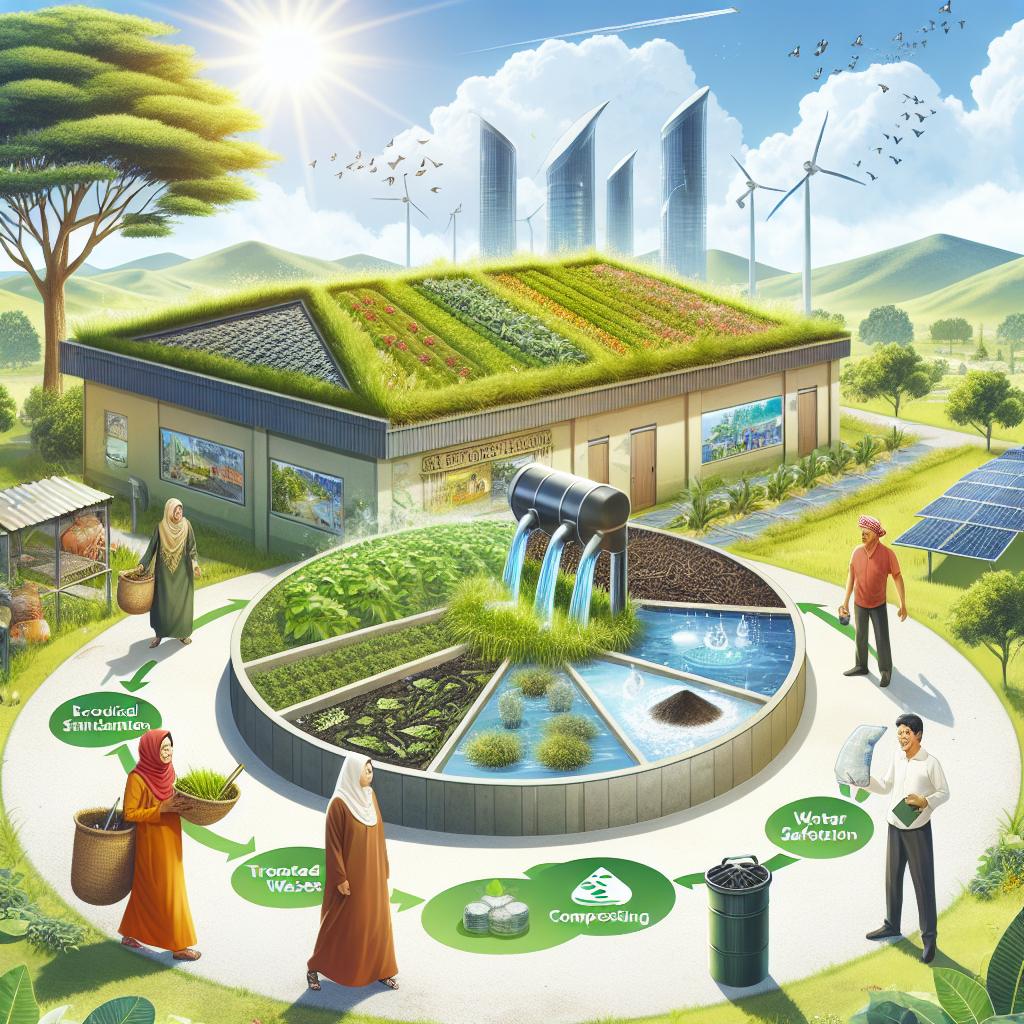
Enhancing Urban Biodiversity with Green Roofs and EcoSan Integration
Biodiversity in urban areas is often compromised due to the dominance of built environments over natural landscapes. Green roofs serve as mini-oases, providing habitats for various plant species, insects, and birds. By fostering biodiversity, green roofs contribute to ecosystem health, resilience, and overall urban well-being.
When green roofs are integrated with EcoSan systems, the enhancement of urban biodiversity is further amplified. The nutrients recovered from EcoSan technologies can be used to create rich, fertile growing mediums for green roofs. This boosts plant growth and variety, which in turn supports a wider range of wildlife. Plants on green roofs can also be selected for their ability to attract pollinators like bees and butterflies, thereby supporting urban agriculture initiatives and contributing to food security.
Furthermore, green roofs can act as stepping stones for wildlife in fragmented urban environments, connecting isolated green spaces and promoting genetic diversity among urban flora and fauna. Combined with the nutrient-rich outputs of EcoSan systems, green roofs can transform cityscapes into thriving, interconnected ecosystems that bolster biodiversity and ecological health.
Mitigating Climate Change: The Dual Impact of Green Roofs and EcoSan
Climate change poses a formidable challenge to urban environments, exacerbating issues like extreme heat, flooding, and air pollution. Green roofs and EcoSan technologies, when combined, offer a powerful strategy for mitigating these impacts. Green roofs play a crucial role in reducing the urban heat island effect by providing insulation and cooling through evapotranspiration. This not only makes cities more livable but also reduces energy consumption for air conditioning, thereby lowering greenhouse gas emissions.
Similarly, EcoSan systems contribute to climate change mitigation by reducing methane emissions from conventional waste treatment processes. By capturing and utilizing biogas, these systems provide a renewable source of energy that can replace fossil fuels. The compost and fertilizers produced through EcoSan technologies also promote carbon sequestration in soils, further offsetting greenhouse gas emissions.
The synergy between green roofs and EcoSan systems can amplify these climate benefits. For example, the compost generated from EcoSan processes can be used to enhance the soil quality on green roofs, improving their water retention capacity and plant growth. This creates a positive feedback loop, where healthier green roofs contribute to better stormwater management, reduced energy consumption, and improved air quality—all of which are critical factors in climate change adaptation and mitigation.
Economic and Social Benefits of the Synergistic Approach
Beyond environmental advantages, the integration of green roofs and EcoSan technologies offers substantial economic and social benefits. Economically, both practices can lead to significant cost savings for cities. Green roofs can extend the lifespan of roofing materials by protecting them from temperature fluctuations, ultraviolet radiation, and mechanical damage, reducing maintenance and replacement costs. Additionally, EcoSan systems lower expenses associated with wastewater treatment and chemical fertilizers by providing renewable and locally-sourced alternatives.
On a social level, green roofs create green spaces that improve the quality of life for urban residents. They offer recreational and therapeutic benefits, enhancing mental well-being and fostering community engagement. Rooftop gardens can also serve as educational platforms, raising awareness about sustainability and encouraging pro-environmental behaviors.
EcoSan technologies, on the other hand, promote public health by safely managing human waste and preventing contamination of water sources. They can also empower communities by providing access to reliable sanitation and creating opportunities for local enterprises in waste collection, treatment, and reuse. When these technologies are combined with green roofs, they create holistic, sustainable solutions that address multiple urban challenges simultaneously, from water scarcity and waste management to biodiversity loss and climate resilience.
Conclusion: Embracing a Sustainable Future
The combination of green roofs and EcoSan technologies holds immense potential for creating sustainable urban environments. By harnessing the natural processes of nutrient recycling, stormwater management, and biodiversity enhancement, these innovations work in harmony to address some of the most pressing ecological challenges faced by cities today. The synergy between green roofs and EcoSan systems not only mitigates environmental impacts but also offers economic and social benefits that enhance urban resilience and quality of life.
As cities around the world continue to grapple with issues of rapid urbanization and climate change, the adoption of integrated green roof and EcoSan solutions becomes increasingly vital. Policymakers, urban planners, architects, and environmentalists must collaborate to promote and implement these sustainable practices, ensuring that future urban developments are both ecologically sound and socially inclusive.
In conclusion, the future of sustainable urban living lies in the innovative integration of green infrastructure and ecological sanitation. By embracing the symbiotic relationship between green roofs and EcoSan technologies, we can create cities that are not only environmentally sustainable but also vibrant, healthy, and resilient. This holistic approach is essential for achieving long-term sustainability and fostering harmonious coexistence between urban development and the natural environment.