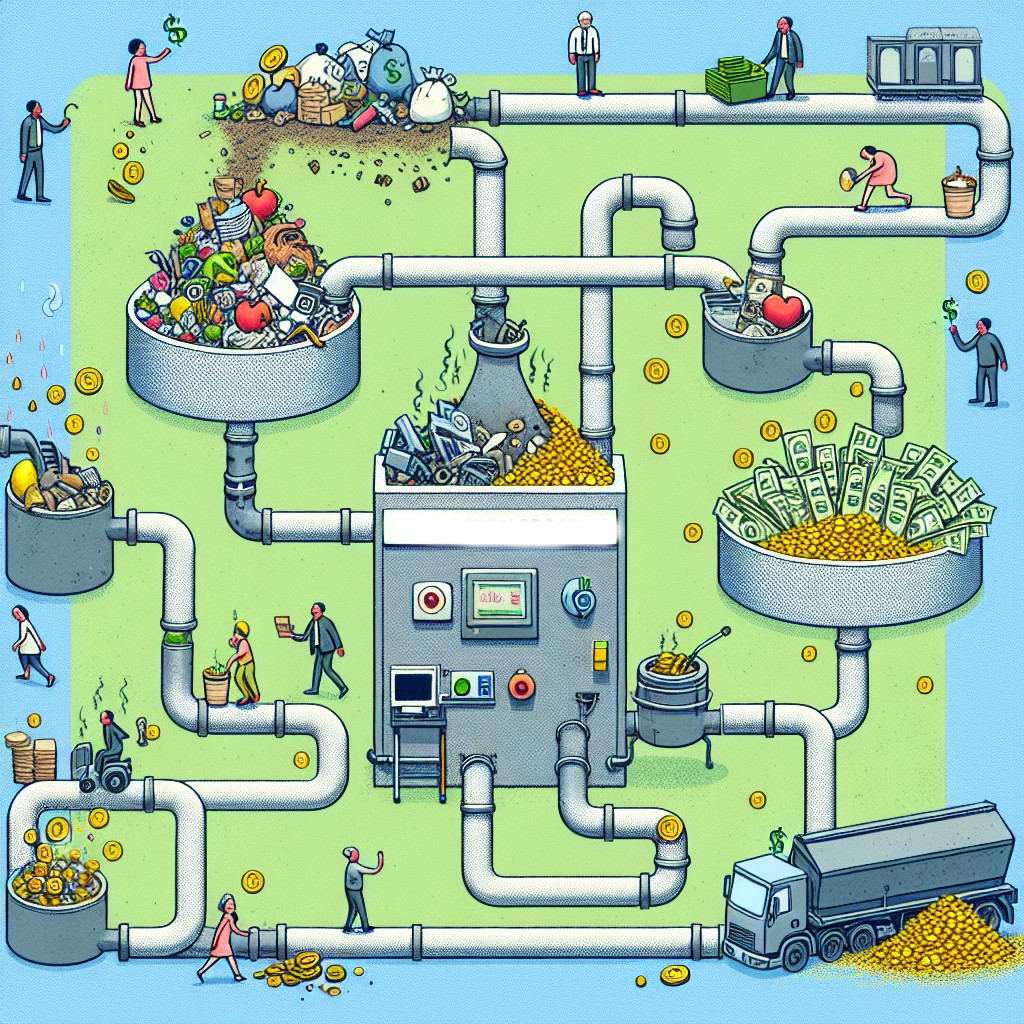
Welcome to our in-depth discussion about ecological sanitation (EcoSan), a forward-thinking approach that contributes significantly to environmental sustainability. EcoSan systems offer an innovative way to manage and repurpose human waste, a critical step toward achieving sustainable municipal or rural waste management. However, as with any promising technology, specific hurdles arise, with nutrient overload being a prominent one. This article aims to unravel the complexities surrounding nutrient overload in EcoSan systems and to showcase strategies for addressing it effectively.
The Basics of Ecological Sanitation
Ecological sanitation (EcoSan) represents a paradigm shift from traditional sanitation systems, which typically focus on the disposal of waste rather than its management and recycling. EcoSan emphasizes the transformation of human waste into valuable resources such as fertilizers, thereby enabling nutrient recovery and enhancing agricultural productivity.
EcoSan systems come in various forms, such as composting toilets, urine-diverting dry toilets (UDDTs), and biogas systems. These systems are designed to process human excrement in ways that minimize health risks and maximize resource recovery. By closing the nutrient loop, EcoSan systems help reduce dependence on synthetic fertilizers, promote soil health, and mitigate the pollution of water bodies.
While the benefits are clear, the implementation of EcoSan technologies is not without challenges. One of the key issues is nutrient overload, where excessive nutrients, especially nitrogen and phosphorus, accumulate in the EcoSan system, potentially leading to environmental degradation.
Nutrient Overload: Causes and Consequences
Nutrient overload occurs when the concentration of nutrients in a system exceeds the capacity for safe storage or application. In EcoSan systems, this can happen due to several factors:
- High Input of Nutrients: Urban areas with dense populations can generate significant amounts of nutrient-rich waste, overwhelming EcoSan systems.
- Lack of Proper Management: Insufficient monitoring and management can result in the accumulation of nutrients, particularly nitrogen and phosphorus.
- Inefficient Processing: Suboptimal design or operation of EcoSan systems may lead to incomplete treatment, leaving excess nutrients in the final product.
The consequences of nutrient overload are far-reaching:
- Water Pollution: Excess nutrients can leach into groundwater or surface water, causing eutrophication. This process depletes oxygen in water bodies, harming aquatic life and disrupting ecosystems.
- Soil Degradation: Applying nutrient-rich EcoSan products without proper management can lead to nutrient imbalances in the soil, affecting plant growth and soil health.
- Odor Issues: High nutrient concentrations can lead to unpleasant odors, making the EcoSan system less acceptable to users and communities.
Strategies for Managing Nutrient Overload
Effective management of nutrient overload requires a multi-faceted approach, combining technology, education, and best practices in waste management. Here are some strategies to consider:
1. Balancing Nutrient Input and Output
To prevent nutrient overload, it is essential to balance the input of nutrients with the system’s capacity to process and utilize them safely:
- Controlled Collection: Implement measures to control the amount and type of waste collected, ensuring it aligns with the processing capacity of the EcoSan system.
- Flow Diversion: Use urine diversion systems to separate urine from feces. Urine can be treated separately to recover valuable nutrients while reducing the load on the main EcoSan system.
2. Improving Processing Efficiency
Enhancing the efficiency of EcoSan systems can significantly mitigate nutrient overload:
- Optimized Design: Improve system design to maximize nutrient removal and minimize losses. This may include advanced composting techniques, enhanced aeration, and temperature control.
- Regular Maintenance: Conduct routine inspections and maintenance to ensure the system operates effectively. Regularly remove accumulated solids and address any issues promptly.

Technological Innovations to Mitigate Nutrient Overload
Embracing technological innovations can play a pivotal role in addressing nutrient overload in EcoSan systems. Several advanced technologies and practices can be integrated to enhance nutrient management:
1. Biochar Addition
Biochar is a carbon-rich material produced from organic matter through pyrolysis. Adding biochar to EcoSan systems can improve nutrient retention and reduce leaching. It acts as a powerful adsorbent, capturing and holding nutrients, which can then be slowly released to plants when applied to soil. This not only prevents nutrient overload but also enhances soil fertility.
2. Membrane Filtration
Incorporating membrane filtration technology into EcoSan systems can significantly improve the removal of excess nutrients. Membrane filtration, such as ultrafiltration or reverse osmosis, effectively separates nutrients and contaminants from wastewater, ensuring clean and safe effluent. The concentrated nutrient solution can then be further processed or diluted for safe agricultural use.
3. Constructed Wetlands
Constructed wetlands are engineered ecosystems designed to mimic natural wetlands. These systems can effectively treat nutrient-rich wastewater by utilizing the natural processes of plants, microbes, and soil. Constructed wetlands provide a cost-effective and sustainable solution for nutrient removal, reducing the risk of overload and promoting environmental health.
Engaging Communities and Stakeholders
Effective nutrient management in EcoSan systems requires the active participation of communities and stakeholders. Education, awareness, and collaboration are key components in achieving sustainable solutions:
1. Educational Campaigns
Raising awareness about the importance of nutrient management and the benefits of EcoSan systems is crucial. Organize educational campaigns to inform communities about proper waste segregation, the advantages of using EcoSan products, and the potential risks of nutrient overload. Empower individuals to take an active role in maintaining the systems.
2. Stakeholder Collaboration
Engage local authorities, non-governmental organizations (NGOs), and other stakeholders in the planning, implementation, and monitoring of EcoSan projects. Collaborative efforts can ensure that nutrient management practices are aligned with local needs and regulations, enhancing the success and acceptance of EcoSan systems.
Case Studies and Success Stories
Examining real-world examples of EcoSan systems that effectively address nutrient overload can provide valuable insights and lessons for future projects:
1. Sweden’s Urine Diversion Initiative
In Sweden, urine-diverting toilets have been widely adopted to manage nutrient overload. The collected urine is treated and used as a fertilizer, reducing the nutrient load on traditional wastewater treatment plants. This initiative has not only improved nutrient management but also contributed to the circular economy by transforming waste into valuable resources.
2. India’s Decentralized Composting Systems
In rural India, decentralized composting systems have been implemented to manage nutrient-rich human waste. These systems utilize local resources and traditional composting techniques to produce high-quality compost. Farmers have reported improved soil health and increased crop yields, demonstrating the effectiveness of nutrient recycling through EcoSan.
3. Germany’s Integrated System Approach
In Germany, integrated EcoSan systems combining urine diversion, biochar addition, and constructed wetlands have been successfully deployed. This holistic approach ensures comprehensive nutrient management, preventing overload and promoting sustainable agriculture. The integrated system has received positive feedback from users and has become a model for sustainable sanitation practices.
Conclusion: The Path Forward
EcoSan systems offer a promising solution to the global sanitation crisis, with the potential to transform waste into valuable resources. However, nutrient overload remains a significant challenge that requires careful attention and innovative strategies. By balancing nutrient input and output, improving processing efficiency, embracing technological innovations, and engaging communities and stakeholders, we can effectively address nutrient overload in EcoSan systems.
As we move forward, it is essential to continue research and development in EcoSan technologies, share best practices, and learn from successful case studies. By doing so, we can create sustainable and resilient EcoSan systems that contribute to environmental sustainability, public health, and agricultural productivity.
Join us in this mission to revolutionize sanitation through EcoSan and pave the way for a cleaner and greener future.