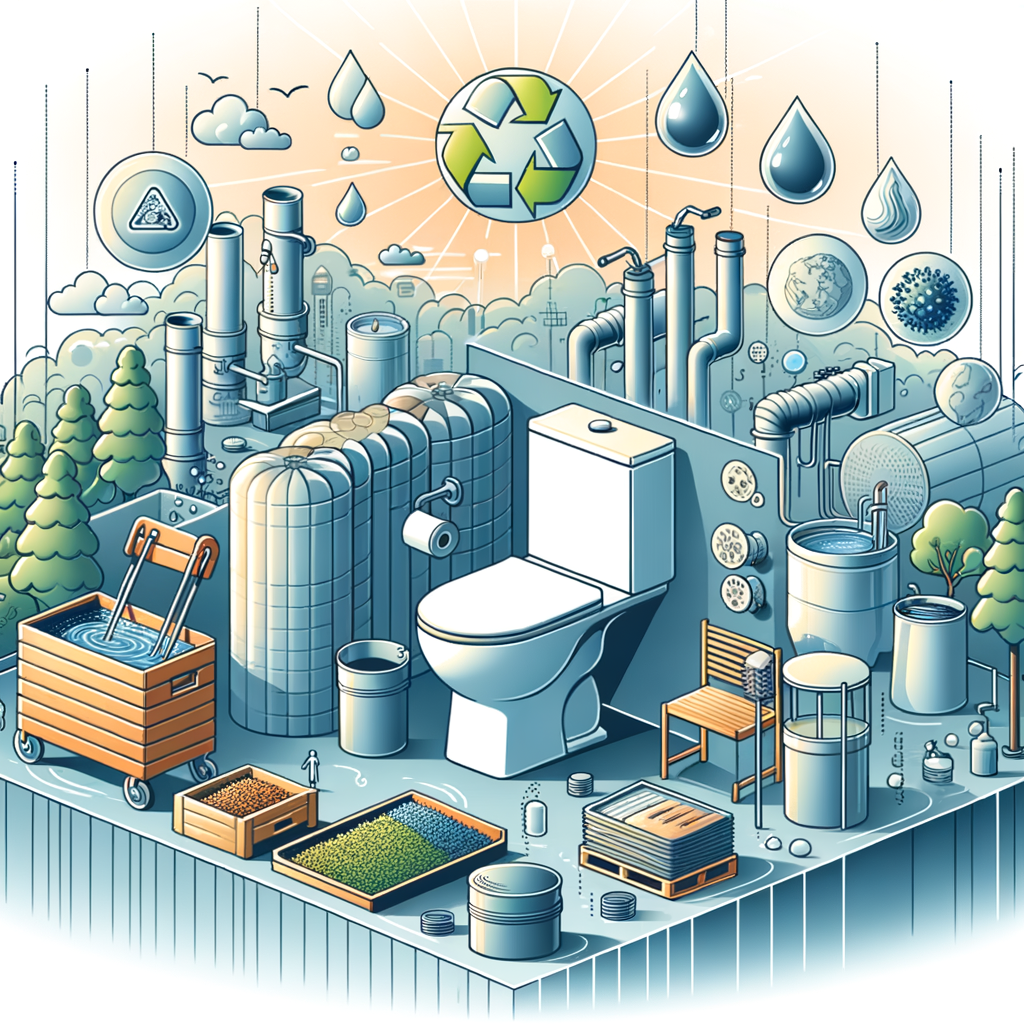
The quest for sustainable sanitation solutions has gained significant momentum over recent decades, largely due to increased awareness of the environmental and health benefits associated with eco-friendly practices. Ecological sanitation, commonly referred to as EcoSan, is at the forefront of this movement. This innovative approach aims to treat and recycle human waste, transforming it into resources such as compost and biogas. While the principles of EcoSan are well-founded, achieving long-term success requires a concerted effort from stakeholders across various sectors. The journey to sustainability in EcoSan projects involves not just technological advancements but also community engagement, policy support, and effective education efforts. Understanding these components is crucial for anyone looking to implement or sustain EcoSan projects. By exploring the critical factors that contribute to the success of these initiatives, stakeholders can be better prepared to tackle the challenges they may face along the way.
Understanding the Fundamental Principles of EcoSan
At its core, EcoSan centers around the idea of closing the loop between sanitation and agriculture. Instead of viewing human waste as an unmanageable by-product, EcoSan transforms it into valuable resources that support agricultural productivity and energy generation. This is achieved through processes such as composting, anaerobic digestion, and nutrient recovery. The central tenet of EcoSan is resource recovery, which not only helps in reducing pollution but also ensures the availability of fertilizers and energy sources in a sustainable manner. Understanding these foundational principles is key to designing effective EcoSan systems that meet the unique needs of a given community.
Challenges and Obstacles in Implementing EcoSan Projects
Despite their obvious benefits, EcoSan projects face a range of challenges that can hinder success if not properly addressed. One of the primary obstacles is the lack of technical knowledge and expertise required to design and maintain effective systems. Without proper training and guidance, communities may struggle to adapt to the new sanitation technologies, leading to system failures or underutilization.
Another significant challenge is cultural acceptance. In many regions, traditional views on sanitation and waste can impede the adoption of EcoSan systems. Communities might resist using products derived from human waste due to longstanding taboos and misconceptions. Thus, shifting these perceptions through targeted educational campaigns is essential for long-term adoption and success.
EcoSan projects also often require significant upfront capital investment, which can be a barrier for communities with limited financial resources. Securing funding from governmental or non-governmental sources, as well as developing affordable models, is crucial for initiating and sustaining these projects.
The Role of Community Engagement in EcoSan Success
Community engagement plays a pivotal role in the success of EcoSan projects. Without active participation and buy-in from local stakeholders, even the most technically sound projects are unlikely to succeed. Engaging community members from the outset ensures that the project is tailored to local needs and that the intended beneficiaries are truly invested in its success. Effective engagement involves participatory approaches where community members are involved in every stage of the project life cycle, from planning to implementation and monitoring.
Additionally, involving local leaders and influencers can help foster trust and acceptance within the community. By addressing concerns, clarifying misconceptions, and demonstrating the tangible benefits of EcoSan systems, project facilitators can cultivate a supportive community environment. This proactive approach not only enhances the likelihood of EcoSan adoption but also empowers communities to take ownership and drive the project forward.
Policy and Institutional Support
Policy and institutional support are integral components of sustainable EcoSan projects. Governments and local authorities can play a crucial role by creating supportive policies, regulations, and incentives that promote the adoption of EcoSan technologies. These policies may include subsidies for EcoSan infrastructure, tax incentives for sustainable sanitation initiatives, and comprehensive waste management guidelines that encourage the use of recycled products.
Beyond policy frameworks, institutional support is necessary for ensuring the technical and financial sustainability of EcoSan projects. Establishing dedicated task forces or committees within governmental and non-governmental organizations can facilitate the monitoring, evaluation, and scaling-up of successful projects. Collaborations with international organizations can also provide valuable technical assistance and training opportunities that enhance local capacities.
Educational Efforts and Capacity Building
Education and capacity building are foundational pillars of sustainable EcoSan projects. Tailored educational programs can effectively bridge knowledge gaps and provide communities with the skills and understanding needed to manage EcoSan systems. These programs should focus on both the technical aspects of system operation and maintenance, as well as the broader concepts of sustainability and environmental stewardship.
Workshops, training sessions, and practical demonstrations can be powerful tools for conveying information and empowering individuals. In many cases, partnering with local educational institutions and leveraging existing networks and infrastructure can enhance the reach and impact of these initiatives.
Moreover, creating educational content in local languages and culturally appropriate formats ensures that the information is accessible and relatable. Empowering local educators and trainers to deliver these programs further enhances the capacity of communities to manage and sustain EcoSan projects independently.
Monitoring and Evaluation for Continuous Improvement
Ongoing monitoring and evaluation are critical for the success and sustainability of EcoSan projects. These processes enable stakeholders to assess the effectiveness of systems, identify areas for improvement, and ensure that projects are delivering their intended benefits. Establishing clear indicators and benchmarks from the outset facilitates consistent tracking and reporting.
Developing feedback mechanisms that allow for input from community members ensures that challenges and issues are promptly addressed. Regular evaluations also provide opportunities for celebrating successes and sharing lessons learned, fostering continuous improvement and adaptation in EcoSan practices.
Innovative technologies, such as sensors and data analytics, can play a vital role in streamlining monitoring processes and providing real-time insights. Leveraging these tools not only enhances the efficiency of data collection and analysis but also allows for more informed decision-making.
The Global Impact of Successful EcoSan Projects
Successful EcoSan projects can have far-reaching impacts that extend beyond the immediate community. By reducing the environmental footprint of sanitation practices and enhancing resource recovery, these projects contribute to global efforts in combating climate change and promoting sustainable resource management. Furthermore, the successful implementation of EcoSan systems can serve as powerful models for replication and scaling in other regions, amplifying their impact on a global scale.
As countries and organizations strive to achieve the United Nations Sustainable Development Goals, particularly those related to clean water and sanitation, the insights and successes garnered from EcoSan projects become invaluable resources. Sharing best practices, encouraging cross-sectoral collaboration, and supporting knowledge exchange initiatives can foster a global movement towards sustainable sanitation solutions that benefit communities worldwide.
In many cases, the increased resilience and adaptability developed through successful EcoSan projects can strengthen community capacity to address other environmental challenges and enhance overall socio-economic stability. This holistic impact underscores the importance of investing in and prioritizing EcoSan initiatives as part of broader sustainable development strategies.
Conclusion
The journey to sustainability in EcoSan projects is complex yet immensely rewarding. Achieving long-term success requires a multifaceted approach that integrates technical innovation, community engagement, supportive policies, and robust educational efforts. By addressing the challenges and opportunities inherent in EcoSan initiatives, stakeholders can unlock the full potential of these systems to deliver profound environmental, economic, and social benefits.
As we look to the future, the lessons learned from successful EcoSan projects offer invaluable guidance for stakeholders seeking to implement similar initiatives. By fostering a collaborative and adaptive spirit, communities can ensure the sustainability of EcoSan projects, translating into lasting positive impacts for populations across the globe. The commitment to innovation and continuous improvement will drive the next generation of EcoSan solutions, positioning them as key tools in the broader quest for ecological balance and sustainable development.
Frequently Asked Questions
1. What is EcoSan, and why is it important in the journey towards sustainability?
At its core, EcoSan, or Ecological Sanitation, represents an innovative shift in handling human waste. This system aims to not only manage waste but transform it into valuable resources like compost and biogas. The importance of EcoSan lies in its multifaceted benefits. Environmentally, it reduces pollution, decreases the dependency on traditional chemical fertilizers, and minimizes greenhouse gas emissions. From a health perspective, EcoSan improves sanitation access, thereby reducing the spread of waterborne diseases in communities. The move towards sustainable sanitation is crucial as it aligns with global efforts to maintain ecological balance, support resource conservation, and promote public health. In an era where climate change and environmental degradation are at the forefront, EcoSan is an essential piece of the puzzle towards a sustainable future.
2. What are the common challenges faced by EcoSan projects and how can they be overcome for long-term success?
The implementation of EcoSan projects, while promising, presents several challenges that need addressing for long-term viability. First, there is often a lack of awareness and education among communities about the benefits and workings of EcoSan systems. Overcoming this requires comprehensive educational campaigns and community engagement initiatives to foster acceptance and active participation. Secondly, the initial costs of establishing EcoSan infrastructure can be prohibitive, especially in resource-poor regions. Solutions may include government subsidies, international aid, and encouraging local entrepreneurship in EcoSan technologies. Technological challenges can also arise, such as adapting systems to different geographical and climatic conditions. Continuous research and development are necessary to innovate adaptable and efficient solutions. Lastly, institutional support plays a vital role—policies and regulations must evolve to support EcoSan practices. By addressing these challenges through community involvement, financial support, and policy reform, EcoSan projects can achieve long-term success.
3. How does EcoSan contribute to environmental sustainability and community health?
EcoSan systems substantially contribute to environmental sustainability by recycling human waste into valuable resources, thereby closing the nutrient loop and reducing pollution and waste. The compost generated can be used as a natural fertilizer in agriculture, improving soil health and reducing the need for chemical fertilizers that may degrade the environment. Moreover, EcoSan systems decrease the burden on sewage systems and lower water consumption significantly, which is crucial in areas facing water scarcity. In terms of community health, EcoSan improves sanitation facilities, which is a pivotal factor in preventing the spread of diseases such as cholera and typhoid, common in areas with poor sanitation. Furthermore, by promoting safe sanitation practices and environmental stewardship, EcoSan fosters a healthy living environment, contributing to overall community well-being. EcoSan embodies a sustainable approach that merges ecological considerations with human health benefits, aligning with broader public health and environmental goals.
4. What role do local communities play in ensuring the success of EcoSan projects?
Local communities are the backbone of EcoSan project success. Their involvement is crucial in customizing EcoSan solutions to meet specific local needs and cultural preferences, ensuring the system’s acceptance and usability. Active community participation in planning, implementation, and maintenance of EcoSan projects fosters a sense of ownership and accountability, which is integral for sustainable operation. Furthermore, communities serve as essential knowledge bases, providing insights into local environmental conditions that can shape EcoSan practices. Empowering local businesses to drive EcoSan initiatives can stimulate economic growth and create job opportunities, making the projects more sustainable economically. Educational initiatives aimed at all age levels within a community help in dispelling misconceptions about EcoSan technologies and practices, increasing acceptance and participation. Ultimately, the success of EcoSan does not merely rely on external support but hinges significantly on a community’s engagement, knowledge-sharing, and ability to adapt and manage the systems independently over time.
5. What innovations are being developed to enhance EcoSan systems, and how do they impact long-term sustainability?
Continuous innovation is pivotal in enhancing EcoSan systems, ensuring that they are efficient, user-friendly, and sustainable over the long term. Recent advancements in EcoSan technology focus on making systems more compact and adaptable to diverse environments, thereby expanding their application in urban and rural settings alike. Innovations such as urine-diverting toilets and bio-digesters are becoming increasingly popular, as they allow for the separate treatment of waste streams, resulting in higher efficiency in resource recovery. Furthermore, smart technology integration—like sensors for monitoring waste levels—enables proactive maintenance and management of EcoSan systems, thus reducing operational costs and improving reliability. The use of renewable energy sources in system operations is another area of focus, aligning EcoSan projects with the clean energy movement. These innovations not only cater to environmental and health objectives but also help to inspire community confidence and encourage participation by demonstrating the tangible benefits of adopting EcoSan systems. As technology progresses, EcoSan will continue to evolve, making the journey to sustainability more achievable and impactful.