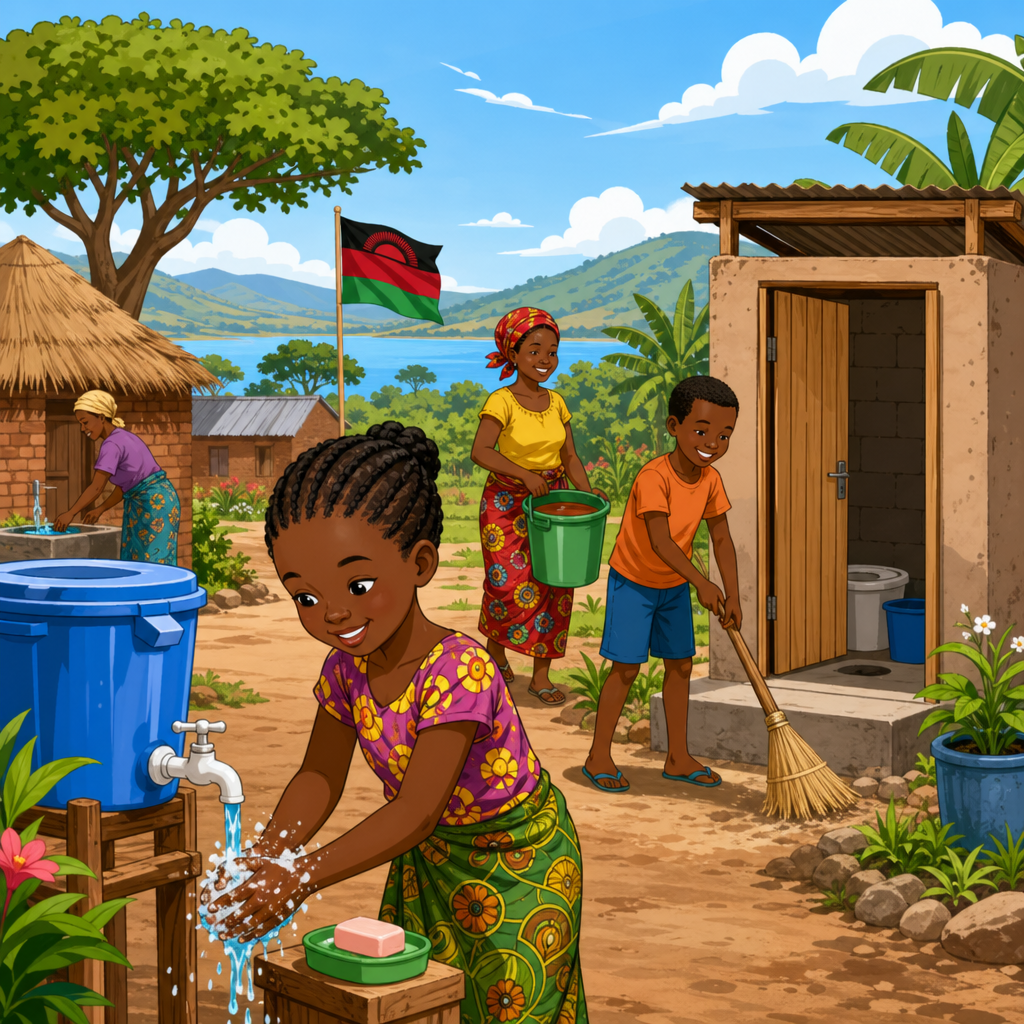
Sanitation shapes public health more directly than almost any other basic service in developing regions. When toilets, waste treatment, drainage, handwashing stations, and safe reuse systems are absent or poorly managed, human contact with pathogens rises fast, and preventable disease spreads through water, soil, food, insects, and hands. In practical terms, sanitation means the full chain: containment of excreta, collection, transport, treatment, and safe disposal or reuse. Ecological sanitation, often shortened to EcoSan, adds a specific principle to that chain: human waste is not only a hazard to isolate, but also a resource that can be safely transformed into fertilizer, soil conditioner, energy feedstock, or irrigation input when systems are well designed and carefully maintained.
I have worked on sanitation communications for projects serving peri-urban settlements and drought-prone rural districts, and one lesson has remained consistent across countries: sanitation is never only about infrastructure. It is about behavior, public finance, engineering, social norms, operations, land use, and trust. In developing regions, the stakes are unusually high because health systems are often stretched, water scarcity can make flush sanitation unrealistic, and rapid urban growth outpaces sewer expansion. The result is a pattern seen from informal settlements in East Africa to flood-prone communities in South Asia: open defecation, overflowing pits, contaminated groundwater, repeated diarrheal outbreaks, childhood stunting, and significant economic loss from illness and missed work.
Lessons from EcoSan implementations matter because they show what succeeds beyond pilot rhetoric. Some projects have improved toilet access, reduced fecal contamination, and created locally acceptable nutrient recovery models. Others have failed because communities were not consulted, urine diversion components clogged, emptied sludge had no safe value chain, or maintenance responsibilities were unclear. As a hub article under case studies and success stories, this page explains how sanitation affects health, what EcoSan actually changes, where implementations have delivered measurable value, and which design and governance decisions separate durable programs from short-lived installations.
How poor sanitation drives disease, malnutrition, and inequality
The public health impact of poor sanitation is immediate and cumulative. The most direct pathway is fecal-oral transmission. Pathogens in human waste, including rotavirus, Shigella, cholera-causing Vibrio cholerae, Giardia, and soil-transmitted helminths, move from feces to fingers, flies, fields, fluids, and food. The World Health Organization and UNICEF Joint Monitoring Programme have repeatedly shown that inadequate sanitation and hygiene remain strongly associated with diarrheal disease, parasitic infection, and undernutrition. Children under five face the highest risk, but the burden extends to pregnant women, older adults, sanitation workers, and people with compromised immunity.
The effect is not limited to acute diarrhea. Repeated enteric infections contribute to environmental enteric dysfunction, a chronic gut condition linked to poor nutrient absorption and impaired growth. In communities where latrines leak into shallow aquifers or where open drains carry blackwater near homes, families may face constant low-dose exposure even when water looks clean. That exposure helps explain why sanitation is tied to stunting, school absence, reduced cognitive development, and lower lifetime productivity. Women and girls also carry a disproportionate burden. Lack of safe, private toilets increases the risk of harassment, limits menstrual hygiene management, and can cause people to delay urination or defecation, with knock-on health effects.
Sanitation failures deepen inequality because the poorest neighborhoods usually receive the weakest service. Sewer networks often stop short of informal settlements, while fecal sludge management remains underfunded. Households then rely on shared pits, hanging toilets, unsafe manual emptying, or direct discharge into drains and waterways. During floods, contamination spreads even farther. From a public health perspective, this is why sanitation must be planned at community and city scale, not only household scale. One unsafe pit upstream can contaminate many households downstream.
What EcoSan means in real projects and why it fits water-stressed regions
EcoSan is best understood as a family of sanitation approaches designed to protect health while recovering value from waste. Common models include urine-diverting dry toilets, composting toilets, dehydrating vault systems, and decentralized treatment arrangements that separate urine, feces, and graywater for safer downstream management. The central idea is source separation plus controlled treatment. Urine contains most of the nitrogen and a substantial share of potassium excreted by humans, while feces contain more phosphorus and pathogens. By separating streams, projects can reduce odors, lower treatment complexity, and improve nutrient recovery.
This approach is especially relevant in developing regions facing water scarcity, high fertilizer costs, rocky terrain, seasonal flooding, or limited sewer feasibility. A conventional flush toilet connected to no treatment plant simply moves contamination. EcoSan systems can reduce water use dramatically and, when they are sealed and serviced correctly, can keep pathogens away from groundwater better than poorly built pits. In agricultural communities, treated outputs can substitute for commercial fertilizer, which became even more important after global fertilizer price spikes affected low-income farmers.
However, EcoSan is not a universal replacement for sewers or septic systems. It performs best where users can manage source separation, where there is acceptance of reuse, and where there is a viable service chain for collection, treatment, and application. I have seen facilities with excellent superstructures and poor health outcomes because no one budgeted for ash, bulking material, replacement seals, training, or vault emptying. The technology only works when operation is designed as carefully as the toilet itself.
Lessons from EcoSan implementations: what successful case studies consistently show
Across documented EcoSan implementations in countries including Uganda, Kenya, Ethiopia, South Africa, India, Nepal, and Haiti, several patterns emerge. Successful programs start with user behavior, not hardware procurement. Households need clear, repeated guidance on urine diversion, anal cleansing options, dry cover material, child feces management, and when chambers are safe to empty. Programs that assume one training session is enough usually underperform. The strongest projects use demonstration toilets, peer educators, local masons, school engagement, and follow-up visits during the first year.
Second, successful EcoSan projects match technology to context. In drought-prone areas, urine-diverting dry toilets often outperform pour-flush systems because water is too scarce for regular flushing. In flood-prone areas with high water tables, raised systems can prevent pit inundation. In dense urban settlements, however, household EcoSan may be less practical than container-based sanitation or neighborhood-scale fecal sludge treatment, because households lack space to store treated material safely. Good case studies are notable for rejecting one-size-fits-all deployment.
Third, maintenance and market linkages determine longevity. In several East African and South Asian projects, agricultural reuse increased user acceptance only when treatment standards were clear and farmers could see crop response. Where reuse value was uncertain, households lost motivation to maintain separation quality. Public health gains depend on disciplined treatment periods, restricted handling before pathogen die-off, and extension support explaining safe application rates. Projects that built these service layers created resilience; projects that focused only on toilet counts did not.
| Implementation lesson | What worked in practice | Common failure point | Public health implication |
|---|---|---|---|
| User training | Repeated coaching, local champions, visual instructions | Single handover session | Correct use lowers contamination and odors |
| Technology selection | Match design to water, soil, density, flood risk | Imported standard design | Better containment reduces exposure pathways |
| Operations | Defined emptying, spare parts, service fees | No maintenance budget | Breakdowns recreate unsafe disposal |
| Reuse chain | Safe treatment, farmer outreach, quality control | No end market for outputs | Handled waste remains a hazard without treatment discipline |
| Institutional ownership | Clear municipal, school, or cooperative responsibility | Unclear accountability | Facilities deteriorate and health benefits fade |
Health outcomes from EcoSan: where evidence is promising and where caution is necessary
Well-run EcoSan systems can improve health by reducing open defecation, preventing fecal sludge overflow, lowering contamination of local water sources, and increasing handwashing compliance when stations are integrated with toilet design. In schools, better sanitation often translates into lower absenteeism, especially for girls when privacy and menstrual hygiene facilities are included. In rural farming communities, nutrient recovery can improve food production indirectly by supporting soil fertility. Those gains matter for nutrition as well as income.
Still, sanitation outcomes should be described carefully. A toilet alone does not guarantee lower disease prevalence. Health improvements depend on sustained use by all household members, safe child feces disposal, handwashing with soap, water quality protection, and reliable treatment of recovered products. Some studies on sanitation interventions have shown mixed impacts on diarrhea when infrastructure was installed without behavior change or when community coverage remained incomplete. That does not mean sanitation is unimportant. It means exposure pathways are multiple, and partial interventions often leave major risks in place.
Safe reuse also requires discipline. Urine is typically low in pathogens from healthy individuals, but contamination can occur through fecal mixing. Fecal matter requires adequate storage, dehydration, composting, or other treatment before handling or land application. International guidance, including WHO risk-based sanitation planning principles, emphasizes multiple barriers: source separation, containment, treatment, protective equipment, restricted crop use where needed, and hygiene at every handling point. The strongest EcoSan programs explain these rules plainly and enforce them through routine supervision.
Why some EcoSan projects fail and how better governance prevents it
The most common reason EcoSan projects fail is not technical complexity but governance failure. Toilets are constructed, ribbon-cutting happens, and then no institution owns training, inspection, repairs, or sludge and product management. In schools, facilities often degrade because cleaning supplies are not budgeted and caretakers are not assigned. In municipalities, departments split responsibility between water, health, environment, and public works, leaving gaps no one closes. I have seen technically sound systems abandoned simply because users did not know whom to call when a urine pipe blocked.
Cultural fit is another decisive factor. Reuse of human-derived products can be accepted when communities are engaged early, religious and local leaders are consulted, and treatment safeguards are explained transparently. It can be rejected when projects arrive with outsider assumptions or minimize understandable concerns about smell, dignity, and food safety. Language matters. Programs that speak only about “waste reuse” often trigger resistance, while those that frame the system around safe sanitation, clean surroundings, water savings, and agricultural inputs tend to gain more practical support.
Financial design also matters. Free installation without a service model can create stranded assets. Better models include cooperatives, microfinance for household upgrades, municipal support for treatment hubs, and small enterprises for collection and reuse product distribution. Monitoring should track functionality, not just coverage. Useful indicators include proportion of toilets in use, contamination around facilities, handwashing station availability, emptying intervals, treated product quality, and user satisfaction by gender and age.
Building the next generation of sanitation programs in developing regions
The strongest lesson from EcoSan implementations is that sanitation improves public health when systems are complete, local, and managed for the long term. The winning formula is straightforward: choose technology that fits water availability and settlement form, involve users before construction, train households and caretakers repeatedly, fund maintenance from day one, and treat reuse as a regulated value chain rather than an informal afterthought. Where these conditions are met, EcoSan can reduce exposure to pathogens, conserve water, support agriculture, and extend sanitation services to communities that conventional sewer expansion may not reach for decades.
For planners, practitioners, donors, and local leaders, the main benefit is clear. EcoSan case studies show that developing regions do not have to choose between public health protection and resource recovery. They can build sanitation systems that do both, provided safety standards, operations, and community acceptance are taken seriously. Use this hub as your starting point for deeper articles on school sanitation, urine diversion design, fecal sludge treatment, farmer uptake, financing models, and monitoring frameworks. Better sanitation is one of the fastest routes to healthier communities, and the next successful implementation should begin with lessons already learned.
Frequently Asked Questions
Why is sanitation so important for public health in developing regions?
Sanitation is fundamental to public health because it interrupts the spread of disease at its source. In many developing regions, inadequate toilets, poor drainage, unmanaged wastewater, and weak fecal sludge treatment systems allow human waste to contaminate drinking water, food supplies, soil, and living spaces. Once that happens, bacteria, viruses, and parasites can move quickly through households and communities, causing diarrheal diseases, cholera, typhoid, intestinal worm infections, hepatitis, and other illnesses that are largely preventable.
The public health impact goes far beyond infection alone. Repeated exposure to contaminated environments can contribute to chronic undernutrition, poor child growth, school absenteeism, reduced productivity, and higher healthcare costs. Children under five are especially vulnerable because diarrheal disease and environmental contamination can weaken immunity and impair development during critical early years. For women and girls, the lack of safe and private sanitation also affects menstrual hygiene, personal safety, dignity, and access to education or work.
What makes sanitation especially important is that it is not just about having a toilet. Effective sanitation includes the entire service chain: safe containment of excreta, collection, transport, treatment, and safe disposal or reuse. If any link in that chain fails, the health risks remain. That is why improving sanitation is one of the most direct and cost-effective ways to reduce disease transmission and strengthen community health in resource-constrained settings.
How does poor sanitation contribute to the spread of disease?
Poor sanitation creates multiple pathways for pathogens to move from human waste back into human bodies. This is often described as fecal-oral transmission, and it happens when disease-causing organisms from feces contaminate water, food, hands, household surfaces, crops, or flies that then land on meals and utensils. In crowded settlements or rural areas without safe waste containment, open defecation, leaking pits, overflowing drains, and untreated wastewater greatly increase the chances of this kind of exposure.
Water contamination is one of the clearest examples. When feces enter rivers, wells, shallow groundwater, or storage containers, families may drink or cook with contaminated water. Even when water is collected from an improved source, poor sanitation nearby can still undermine safety. Food contamination is also common when wastewater is used improperly in irrigation, when vendors and caregivers lack handwashing facilities, or when insects breed around exposed waste and transfer pathogens to food preparation areas.
Hand contact is another major route. Without access to handwashing stations with soap and water, caregivers, children, food handlers, and healthcare workers can unknowingly spread infection after using the toilet, cleaning a child, or touching contaminated surfaces. In places with standing wastewater and blocked drainage, disease vectors such as flies and mosquitoes may also thrive, compounding public health risks. The result is a cycle in which preventable illnesses keep returning, especially where sanitation infrastructure and hygiene practices are both weak.
What does “sanitation” actually include beyond building toilets?
Sanitation is often misunderstood as simply toilet construction, but in public health terms it refers to a complete system for managing human waste safely from start to finish. A toilet is only the entry point. For sanitation to protect health, waste must be properly contained, collected when necessary, transported without spills, treated to reduce pathogens, and then safely disposed of or reused in ways that do not expose people or contaminate the environment.
This broader definition matters because many health problems arise after waste leaves the toilet. For example, a latrine that leaks into groundwater, a septic tank that is never emptied safely, or fecal sludge dumped untreated into fields or waterways can still create major disease risks. Urban areas may struggle with pit emptying, sewer overflows, and inadequate treatment plants, while rural communities may face challenges related to distance, groundwater conditions, flooding, and maintenance. In both cases, sanitation planning must address the entire chain rather than one piece of it.
Modern sanitation approaches may include on-site systems such as improved pit latrines and septic tanks, off-site systems such as sewers and treatment plants, and ecological sanitation solutions that support safe reuse of nutrients and water. Ecological sanitation can be especially valuable in water-scarce or agriculture-dependent regions, but only if reuse is managed carefully and pathogen risks are controlled. In short, sanitation is a public health service system, not just a construction project.
How does improved sanitation benefit children, women, and local communities?
Improved sanitation delivers some of its greatest benefits to children, women, and vulnerable households. For children, safer sanitation reduces exposure to the pathogens that cause diarrhea, intestinal worms, and repeated enteric infections. That means fewer missed school days, lower risk of severe dehydration and malnutrition, and better conditions for healthy physical and cognitive development. In communities where sanitation is poor, children are often exposed not only through drinking water but also through play areas, soil, and contaminated hands in the home.
For women and girls, sanitation has strong implications for dignity, privacy, safety, and participation in daily life. Access to secure, functional toilets and handwashing facilities supports menstrual hygiene management, reduces the stress and danger associated with traveling long distances to defecate, and helps girls stay in school. Pregnant women and new mothers also benefit from cleaner environments that reduce infection risks during periods of greater physical vulnerability.
At the community level, improved sanitation contributes to healthier neighborhoods, stronger local economies, and greater resilience. Families spend less on medical treatment, workers lose fewer days to illness, and schools and clinics function more effectively. Cleaner surroundings can reduce odors, insect breeding, and environmental degradation. Over time, sanitation investments can help break cycles of disease and poverty by improving productivity, supporting education, and creating conditions in which other public health efforts, such as nutrition and safe water programs, become more effective.
What are the most effective ways to improve sanitation in developing regions?
The most effective sanitation strategies combine infrastructure, behavior change, service delivery, and long-term governance. There is no single solution that fits every region. Successful programs usually begin with local realities: population density, water availability, flood risk, soil conditions, cultural practices, affordability, and the capacity of local institutions. In some communities, the priority may be ending open defecation through inclusive, safe household toilets. In others, the urgent need may be fecal sludge management, sewer rehabilitation, drainage improvements, or wastewater treatment.
Handwashing facilities with soap and water should be treated as essential companions to sanitation systems, not optional extras. Hygiene promotion, school-based education, and community engagement are critical because even well-built systems fail if they are not used properly, maintained consistently, or accepted by the people they are meant to serve. Public health gains are strongest when sanitation improvements are paired with safe water, drainage, solid waste management, and practical hygiene behaviors.
Policy and financing also matter. Governments, municipalities, utilities, health agencies, and local entrepreneurs all play a role in creating reliable sanitation services. That includes setting standards, training service providers, supporting low-income households, monitoring treatment and disposal, and ensuring that rural and informal urban communities are not left behind. Innovative approaches such as container-based sanitation, decentralized treatment, and ecological sanitation can expand access where conventional sewer systems are too expensive or impractical. The key is to focus on safe, equitable, and sustainable sanitation across the full service chain so that public health protection is real, not partial.