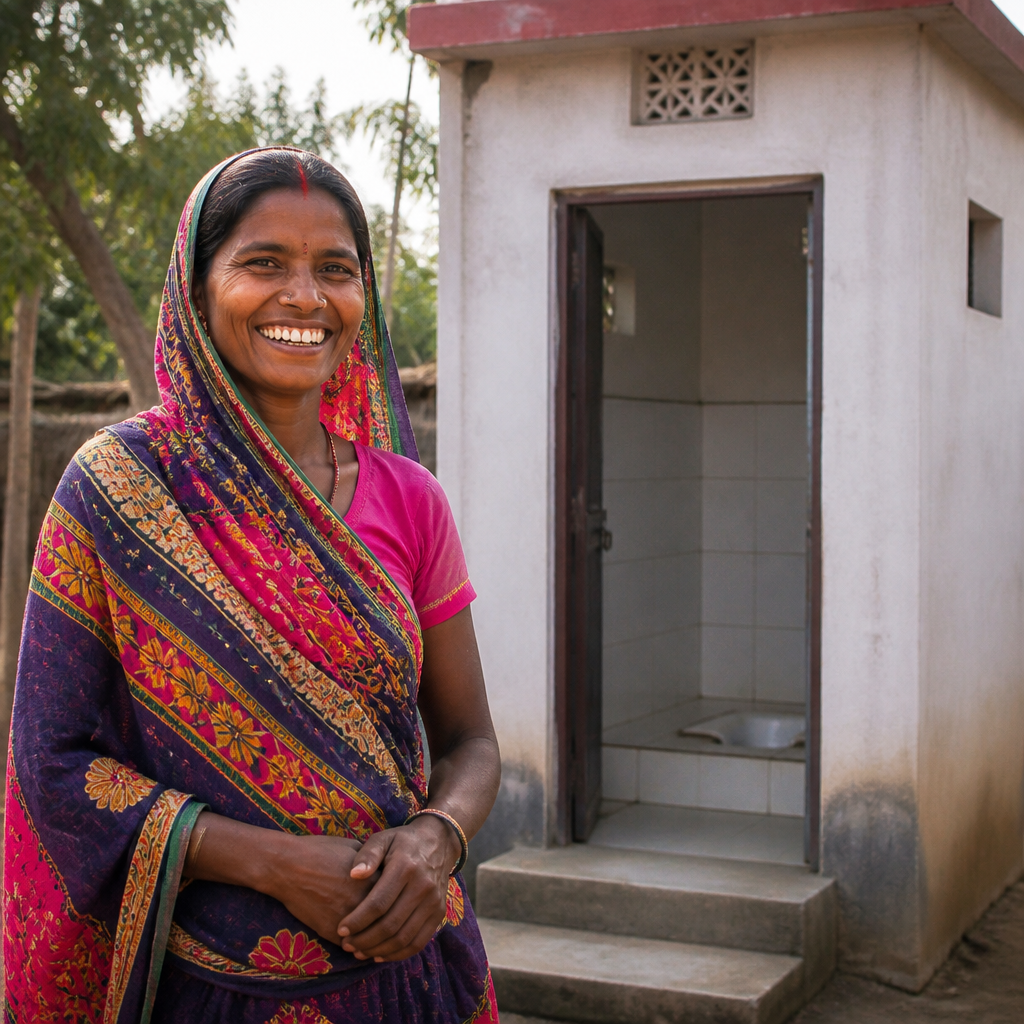
In today’s world, addressing the sanitation needs of both urban and rural populations is crucial. While significant progress has been made in recent decades, gaps remain, especially in rural areas where access to safely managed sanitation services is less common. This article examines the global challenges and opportunities in bridging the urban and rural sanitation divide, highlighting innovative solutions and the role of sustainable practices.
The Current Landscape
Globally, about 3.5 billion people lack access to safely managed sanitation services. Rural areas, in particular, face acute challenges, with less than half of the global rural population having access to safe sanitation as of 2020. Open defecation remains a significant concern in rural regions, whereas urban areas primarily grapple with inadequate sewage management systems.
Urban Sanitation Challenges
Urban areas, particularly in developing countries, often struggle with overcrowded settlements and lack of infrastructure. This leads to sanitation services being stretched thin or non-existent in slums and informal settlements. Moreover, urban centers face the challenge of managing wastewater and faecal sludge effectively.
Rural Sanitation Challenges
Rural areas are characterized by limited access to sanitation infrastructure and services. Cultural norms and financial constraints further complicate the issue. A substantial portion of the rural population relies on unsafe and unimproved sanitation facilities, leading to severe health risks.
Bridging the Gap: Opportunities and Solutions
Policy and Infrastructure Development
Governments and international organizations play a crucial role in developing policies and infrastructure that support sanitation improvements. For instance, India’s Swachh Bharat Mission has made notable strides in increasing access to sanitation facilities in rural areas.
Urban-Rural Partnerships
Innovative models, such as urban-rural partnerships, have emerged as effective solutions. These partnerships involve sharing resources and infrastructure, like in the case of the Dhenkanal district in India, where an urban faecal sludge treatment plant serves nearby rural areas. This model demonstrates a practical approach to enhancing rural sanitation services using existing urban infrastructure.
Financial Models and Incentives
Financial incentives and models that encourage investment in sanitation are crucial. Relaxing financial constraints and providing targeted assistance can significantly boost sanitation access. Additionally, fostering a willingness to pay for sanitation services is essential for sustainability.
Technological Innovations
Technological advancements offer promising solutions for improving sanitation. Innovations in toilet design, waste treatment, and data collection technologies can dramatically enhance service delivery, especially in hard-to-reach rural areas.
Education and Behavioural Change
Changing attitudes towards sanitation through education and social marketing is vital. Campaigns and community-led initiatives can significantly influence sanitation practices, particularly in rural areas where traditional norms persist.
Data-Driven Approaches
Improved data collection and analysis are essential for understanding the needs and progress in sanitation. This enables better planning, policy formulation, and resource allocation.

Innovative Practices and Case Studies
Community Engagement and Education
Engagement at the community level is pivotal. Programs like the Swachh Bharat Mission in India have demonstrated the power of community mobilization and education in changing sanitation behaviors. Educational initiatives can dispel myths and build awareness about the importance of sanitation, leading to a shift in attitudes and practices, particularly in rural areas where traditional norms are deeply ingrained.
Embracing Local Solutions
Localized solutions, tailored to the specific needs and cultural contexts of communities, are more likely to succeed. For instance, in some Asian and Pacific regions, local solutions have included small-scale, community-managed sanitation facilities. These efforts respect and integrate local knowledge and practices, making them more acceptable and sustainable.
Technology’s Role
Advancements in technology are crucial in addressing sanitation challenges. Innovations in toilet design, such as the Gates Foundation’s Reinvent the Toilet Challenge, have led to more sustainable and efficient waste management systems. These technologies are particularly relevant in areas without existing sanitation infrastructure, offering cost-effective and adaptable solutions.
Financial Models and Incentives
Developing financial models that make sanitation investments attractive is key. Microfinance and public-private partnerships can provide the necessary capital for sanitation projects. For instance, relaxing financial constraints can aid in providing access to water and sanitation by involving households and businesses in financing solutions. Moreover, targeted assistance for the poor can make these services more accessible.
Strengthening Governance and Policy
Effective governance and strong policy frameworks are essential. Policies need to ensure equitable access to sanitation services and encourage investment in sanitation infrastructure. Legal formalization of urban-rural partnerships, as seen in Dhenkanal, India, is an example of policy facilitating improved sanitation services.
Climate Resilience and Sustainable Practices
Integrating climate resilience into sanitation solutions is crucial, considering the increasing impact of climate change on water resources. Sustainable practices, such as waste recycling and water-efficient technologies, are not only environmentally friendly but also economically viable in the long term.
Case Studies
Dhenkanal, India: A Model of Urban-Rural Partnership
The Dhenkanal district in Odisha, India, is an exemplary case of an urban-rural partnership in sanitation. This model involved the use of an urban faecal sludge treatment plant to serve nearby rural areas, demonstrating a practical approach to extending urban sanitation services to rural regions.
Sanitation in Asian and Pacific Regions
The Asian Development Bank’s initiatives in the Asia and Pacific regions illustrate the impact of financial investment in sanitation. Their projects have focused on water supply and sanitation development in rural areas, with significant investment over the past decades.
Challenges Ahead
Despite these advancements, several challenges persist:
- Financial Constraints: Sanitation projects, especially in rural areas, often face financial limitations.
- Cultural Barriers: In some communities, traditional practices and beliefs hinder the adoption of modern sanitation solutions.
- Rapid Urbanization: The growing urban population stresses existing sanitation infrastructure, making it difficult to keep pace with demand.
- Technological Gaps: In some regions, there is a lack of access to advanced technologies or the technical expertise to implement them effectively.
- Policy and Governance Issues: Weak policy frameworks and governance structures can impede the effective implementation of sanitation programs.
Conclusion
The journey towards bridging the urban-rural sanitation gap is complex, requiring a multifaceted approach that includes community engagement, technology, financial modeling, policy, and sustainable practices. While challenges remain, the innovative solutions and case studies presented offer hope and a pathway towards achieving global sanitation goals. By continuing to innovate and adapt, we can ensure that sustainable sanitation becomes a reality for all, irrespective of their urban or rural location.
References:
- Asian Development Bank (Asian Development Blog).
- Swachh Bharat Mission (IWA Publishing).
- Gates Foundation’s Reinvent the Toilet Challenge.