Mozambique, a country with a vibrant culture and rich natural landscapes, has been facing significant challenges due to recurring floods. These natural disasters not only impact the immediate environment but also pose serious threats to public health and sanitation. However, amid these challenges, innovative solutions have emerged. One such solution is Ecological Sanitation (EcoSan), a sustainable approach that is transforming the way Mozambique responds to floods.
The Challenge: Floods and Sanitation Crisis
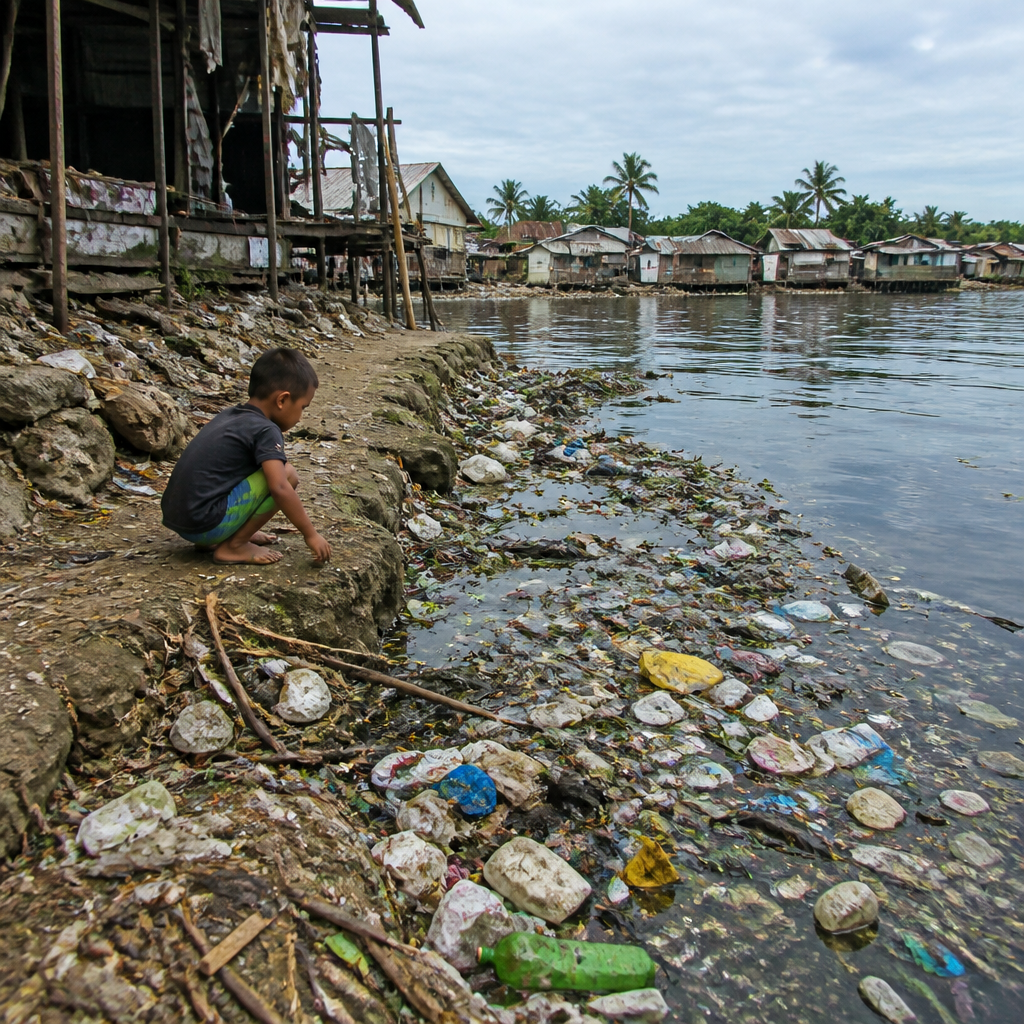
Frequent flooding in Mozambique disrupts lives and leaves communities struggling with the aftermath, including the collapse of traditional sanitation systems. When floodwaters sweep through towns and villages, they contaminate water sources and spread waterborne diseases. The destruction of toilets and sewage systems exacerbates this issue, making it a public health emergency.
EcoSan: A Sustainable Solution
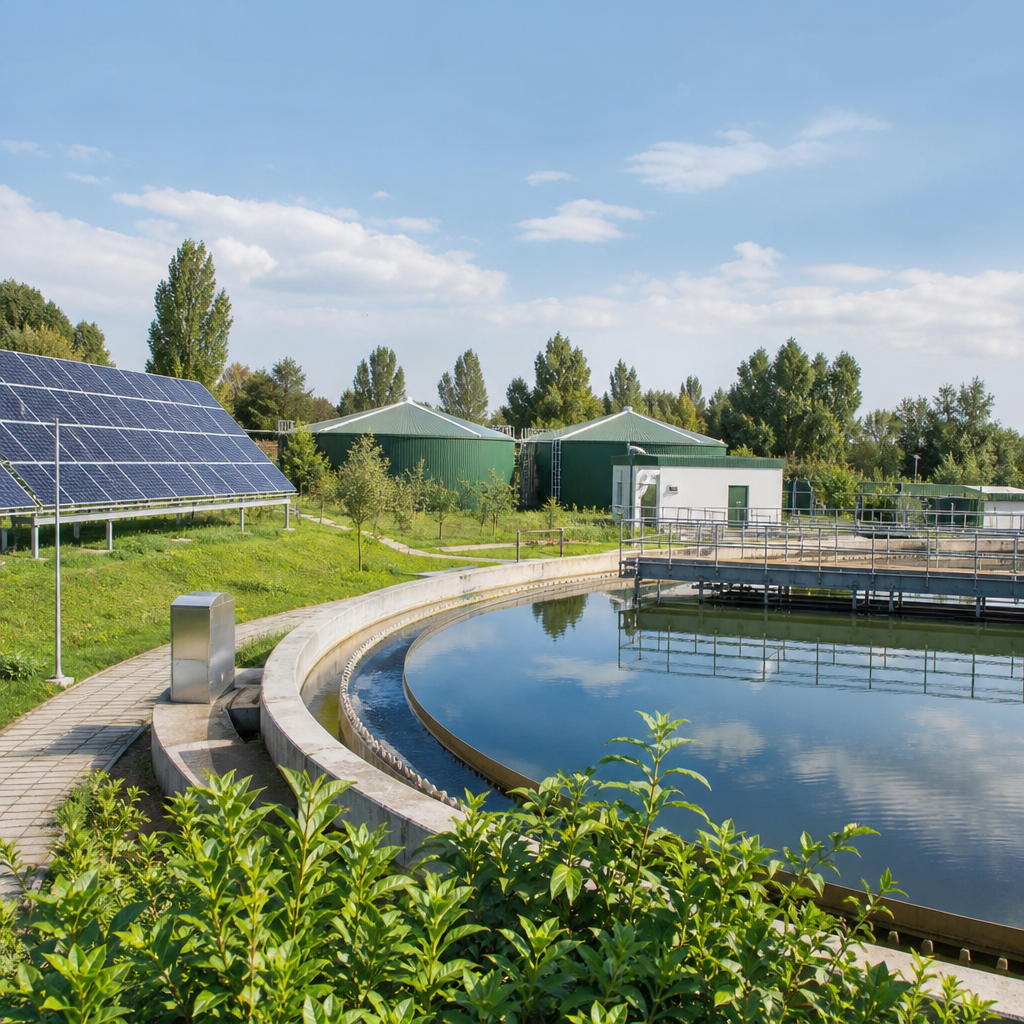
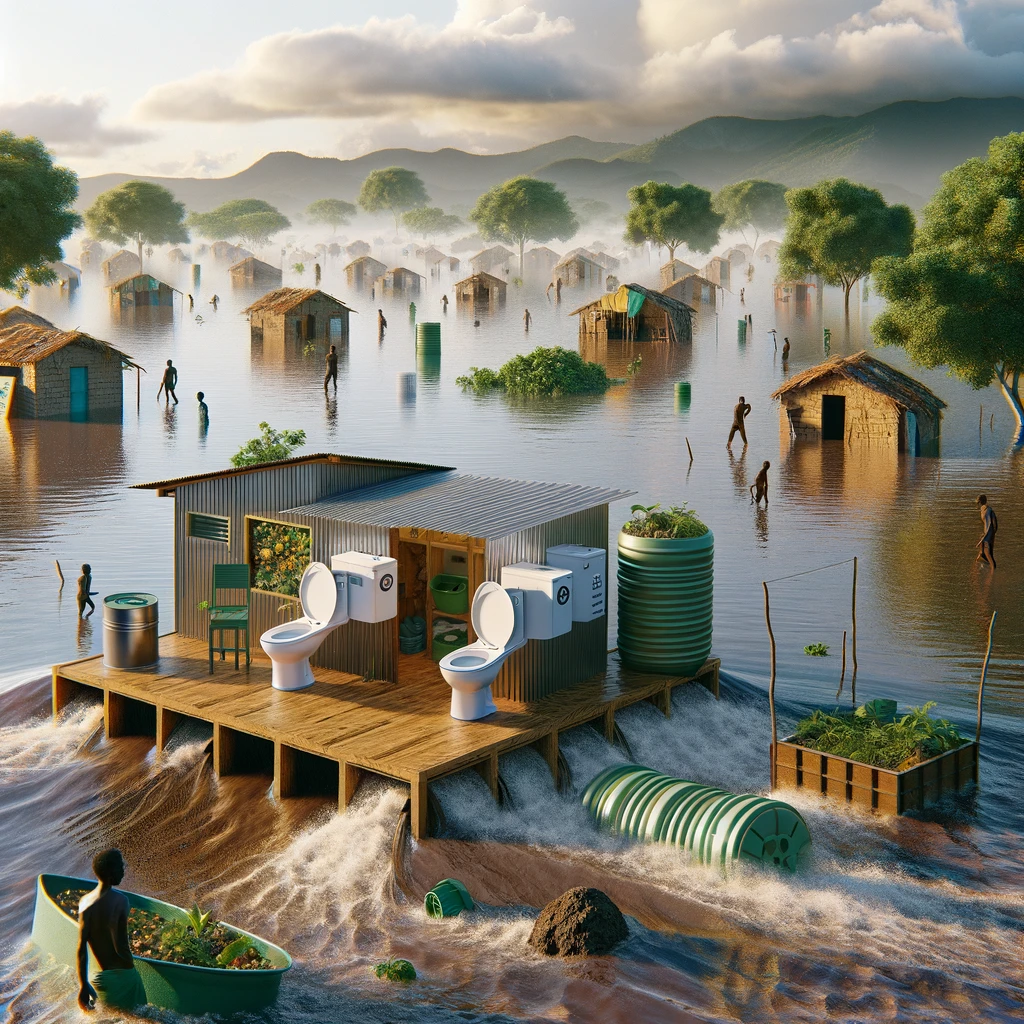
Ecological Sanitation, commonly known as EcoSan, presents a promising solution to this crisis. EcoSan systems are designed to safely recycle human waste into resources like compost and filtered water. Unlike conventional sanitation systems, EcoSan toilets are flood-resistant and do not contribute to water pollution. This makes them particularly effective in flood-prone areas like Mozambique.
Implementation in Mozambique
In Mozambique, the implementation of EcoSan has been a collaborative effort involving local communities, government agencies, and international partners. These stakeholders have worked together to design and construct EcoSan units that are suited to the local environment and cultural practices.
Community Involvement
Central to the success of EcoSan in Mozambique is community involvement. Locals are trained not only in using these systems but also in maintaining them. This fosters a sense of ownership and ensures the sustainability of the project.
Overcoming Challenges
Adopting EcoSan in Mozambique has not been without challenges. Convincing communities accustomed to traditional toilets to switch to EcoSan units requires significant effort in education and persuasion. Moreover, the initial investment cost and the need for regular maintenance are hurdles that need to be addressed.
Environmental and Health Benefits
The environmental benefits of EcoSan are clear. By preventing the contamination of water sources, EcoSan significantly reduces the risk of waterborne diseases, a common aftermath of flooding. Additionally, the compost produced from these systems can be used to enrich soil, promoting sustainable agriculture in local communities.
Global Recognition and Support
Mozambique’s EcoSan initiative has gained global attention and support. International organizations recognize the potential of this approach in addressing sanitation issues in flood-prone areas worldwide. This global interest has led to increased funding and technical support for EcoSan projects in Mozambique.
EcoSan and Education
Education plays a pivotal role in the success of EcoSan. Schools in Mozambique are integrating lessons on ecological sanitation and environmental stewardship into their curricula. This not only raises awareness among the younger generation but also cultivates a culture of sustainability from an early age.
The Road Ahead: Opportunities and Expansion
Looking ahead, there are significant opportunities for expanding EcoSan in Mozambique and beyond. The model can be adapted to various environments and cultural contexts, making it a versatile tool in global flood response and sanitation management.
Collaboration for Greater Impact
The expansion of EcoSan requires continued collaboration between local communities, governments, and international partners. By working together, these stakeholders can share knowledge, resources, and best practices to enhance the effectiveness of EcoSan systems.
Innovations in EcoSan Technology
Continuous innovation in EcoSan technology is essential to meet the evolving challenges of flood response and sanitation. New designs and materials that improve the efficiency and durability of EcoSan units are critical for long-term success.
Conclusion
Mozambique’s journey with Ecological Sanitation is a beacon of hope and a testament to human resilience and innovation in the face of natural disasters. The EcoSan model not only provides a practical solution to the sanitation crisis during floods but also paves the way for a more sustainable and healthy future. As we continue to witness the adverse impacts of climate change, initiatives like EcoSan in Mozambique remind us of the power of sustainable solutions in creating a more resilient world.