
Global best practices for water reuse in sanitation are no longer a niche technical topic; they are central to public health, water security, climate resilience, and urban development. Water reuse in sanitation means capturing wastewater, greywater, blackwater, fecal sludge, and treated effluent, then safely using that water again for agriculture, industry, groundwater recharge, environmental restoration, or even potable supply under strict controls. In practice, the best systems do more than move water from one pipe to another. They protect people from pathogens, reduce pressure on freshwater sources, recover nutrients and energy, and create a sanitation service that remains functional during drought, rapid urban growth, and infrastructure stress.
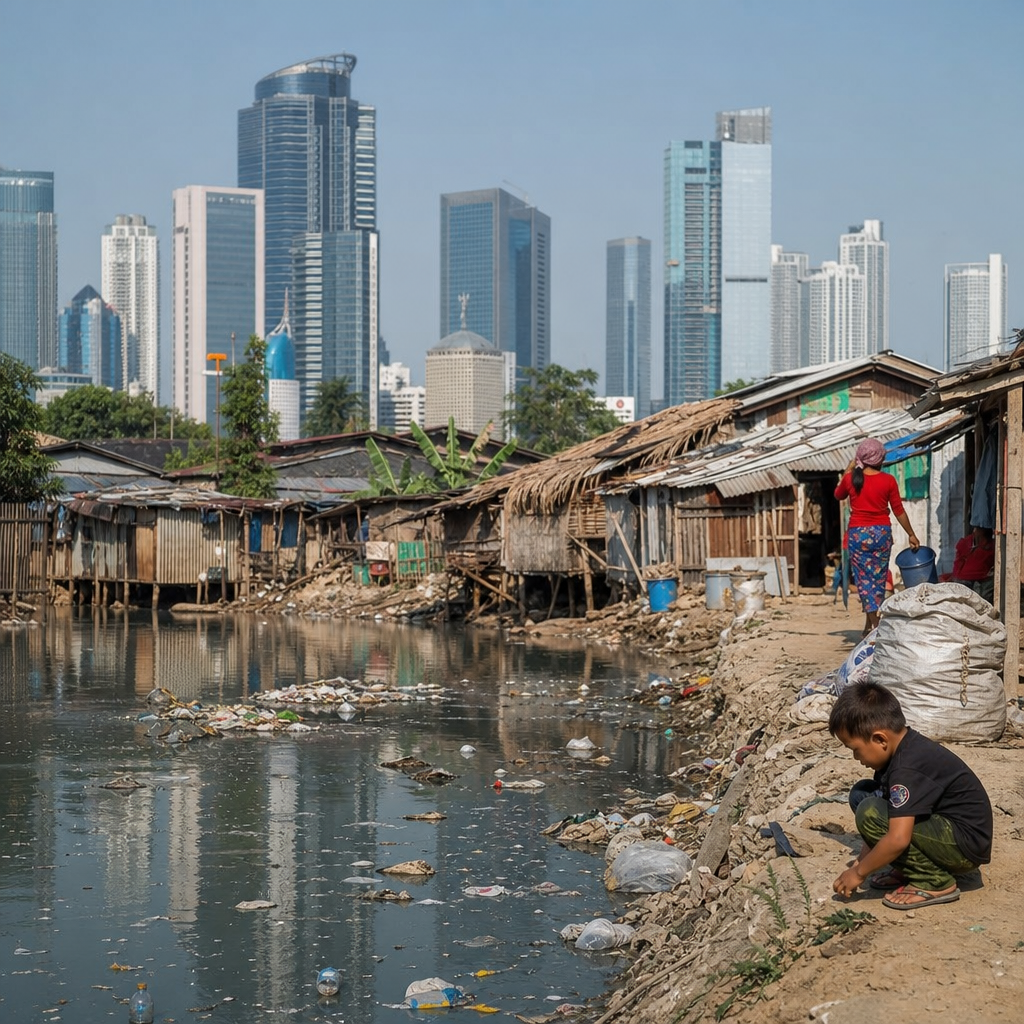
I have worked on sanitation content and project reviews where the same pattern appears across regions: cities invest heavily in water supply, then underinvest in treatment, reuse planning, operator training, and regulatory enforcement. The result is avoidable pollution, unsafe informal reuse, and lost economic value. Safe water reuse matters because roughly half the world experiences severe water scarcity for at least part of the year, while billions still lack safely managed sanitation. Those two challenges are tightly linked. If wastewater is treated as a liability, countries lose water, nutrients, and public confidence. If it is managed as a resource within a strong sanitation framework, countries gain resilience.
Global initiatives and collaborations in sanitation have accelerated this shift. Multilateral agencies, national regulators, utilities, researchers, basin authorities, and community organizations now share standards, financing models, monitoring methods, and digital tools. Important terms shape the field. Fit-for-purpose reuse means treating water to the quality required for its intended use, not to a higher standard than necessary. Non-potable reuse covers uses such as irrigation, toilet flushing, cooling, and construction. Indirect potable reuse introduces highly treated water into an environmental buffer before drinking water treatment, while direct potable reuse sends advanced treated water into a drinking system without that buffer. Circular sanitation expands the objective further by recovering water, nutrients, and energy together.
This hub article maps the global best practices that make reuse work in sanitation. It explains the policy frameworks, treatment trains, risk controls, financing approaches, and partnership models used from Singapore to Namibia, from California to Israel, and from India to South Africa. It also highlights where collaboration is indispensable: transboundary water planning, city-to-city learning, utility benchmarking, and donor-backed capacity building. For readers exploring the broader “Global Challenges and Opportunities” topic, this page serves as the central guide to the sanitation collaboration subtopic, showing how international experience translates into practical local action.
Why global collaboration matters for sanitation water reuse
Water reuse in sanitation succeeds fastest when countries do not start from scratch. The strongest programs borrow proven elements from elsewhere, then adapt them to local hydrology, governance capacity, public attitudes, and affordability. Global collaboration matters because sanitation reuse is multidisciplinary. It touches sewerage design, decentralized treatment, microbiology, occupational health, sludge management, irrigation practice, industrial process water, utility tariffs, and environmental regulation. No single ministry or utility holds all that expertise.
International cooperation has built a common language for action. The World Health Organization’s Sanitation Safety Planning and reuse-related guidance established risk-based management rather than simple end-point compliance. The International Organization for Standardization provides standards relevant to water reuse and onsite sanitation. UNICEF and the World Bank have supported city sanitation planning, fecal sludge management, and service delivery reforms. UN-Water and regional development banks help align water, sanitation, health, and climate agendas. In my experience, these collaborations matter most when they produce specific operator tools, laboratory protocols, procurement templates, and financing pathways rather than broad declarations alone.
Real-world examples show the value of collaboration. Singapore’s NEWater program combined advanced treatment, strict regulation, public education, and industrial off-take agreements; its global visibility has influenced utilities worldwide. Israel’s long-term expansion of reclaimed wastewater for agriculture demonstrates how regulation, conveyance infrastructure, and farmer integration can scale reuse nationally. Windhoek, Namibia, pioneered potable reuse because chronic water scarcity made innovation unavoidable. In India, national missions and state initiatives increasingly pair wastewater treatment with urban river restoration and industrial reuse. Each case reflects a local solution, but all benefited from shared technical knowledge and institutional learning across borders.
Policy and governance foundations of safe reuse
The first best practice is simple: build water reuse into sanitation policy from the start. Reuse should not be treated as an optional add-on after wastewater treatment plants are designed. Governments need clear legal definitions, quality standards by end use, discharge permits, monitoring rules, operator responsibilities, and enforcement mechanisms. Where rules are fragmented between water, agriculture, health, and environment agencies, implementation slows and accountability weakens.
Risk-based regulation is the global benchmark. Instead of relying only on occasional sampling at the end of a treatment plant, regulators should require multiple barriers: source control, treatment performance, validated disinfection, safe storage, controlled distribution, worker protection, and end-user restrictions where needed. Hazard analysis and critical control point thinking is increasingly used in advanced reuse systems. For agriculture, standards should address microbial risks, salinity, boron, heavy metals, and nutrient loading. For urban reuse, cross-connection control is non-negotiable. Purple pipe systems, backflow prevention, color coding, and asset mapping are standard safeguards.
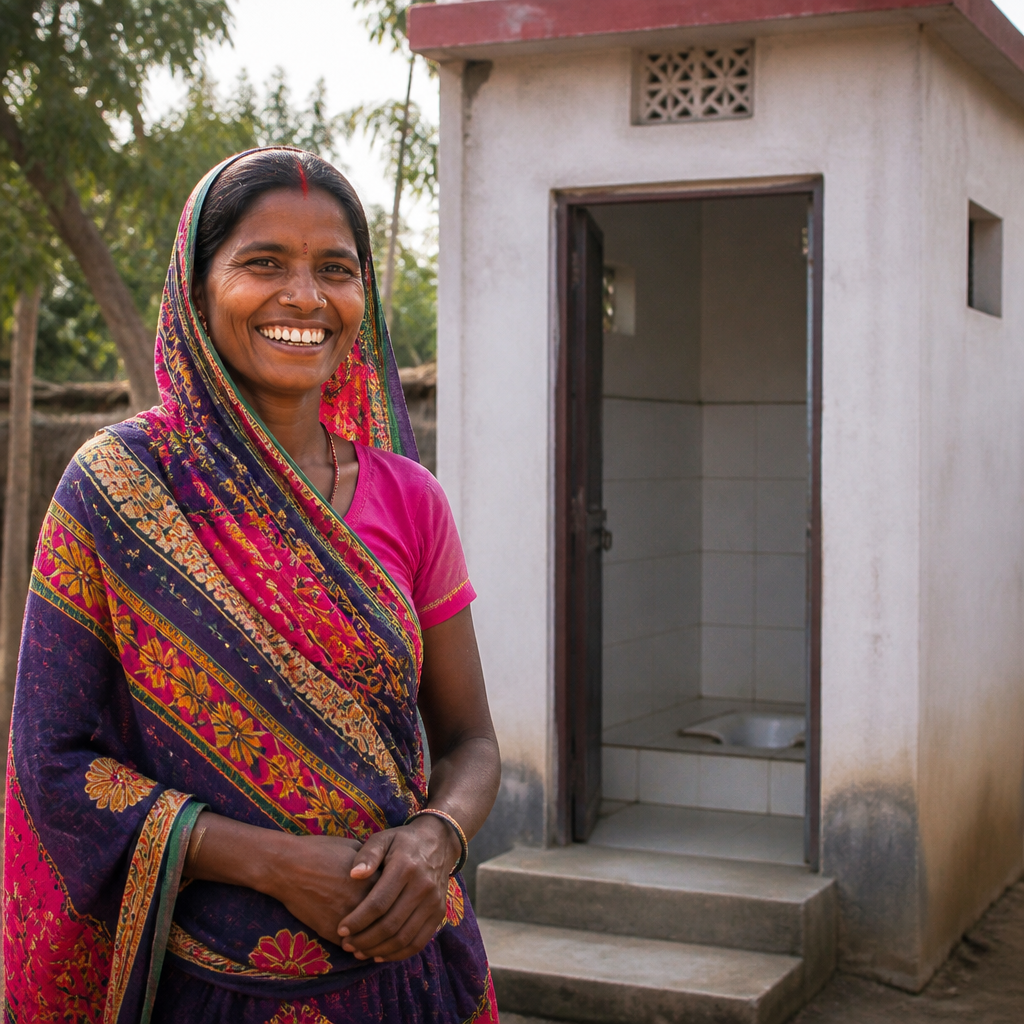
Good governance also means assigning responsibility across the entire service chain. In many cities, sewered wastewater receives more policy attention than fecal sludge from onsite systems, even though pit latrines and septic tanks dominate in rapidly growing areas. Best practice is citywide inclusive sanitation: planning for sewers, decentralized systems, transport, treatment, and reuse together. That approach prevents a common failure mode where treatment infrastructure is built but sludge collection, tipping arrangements, or reuse markets are ignored.
Technology choices and treatment trains
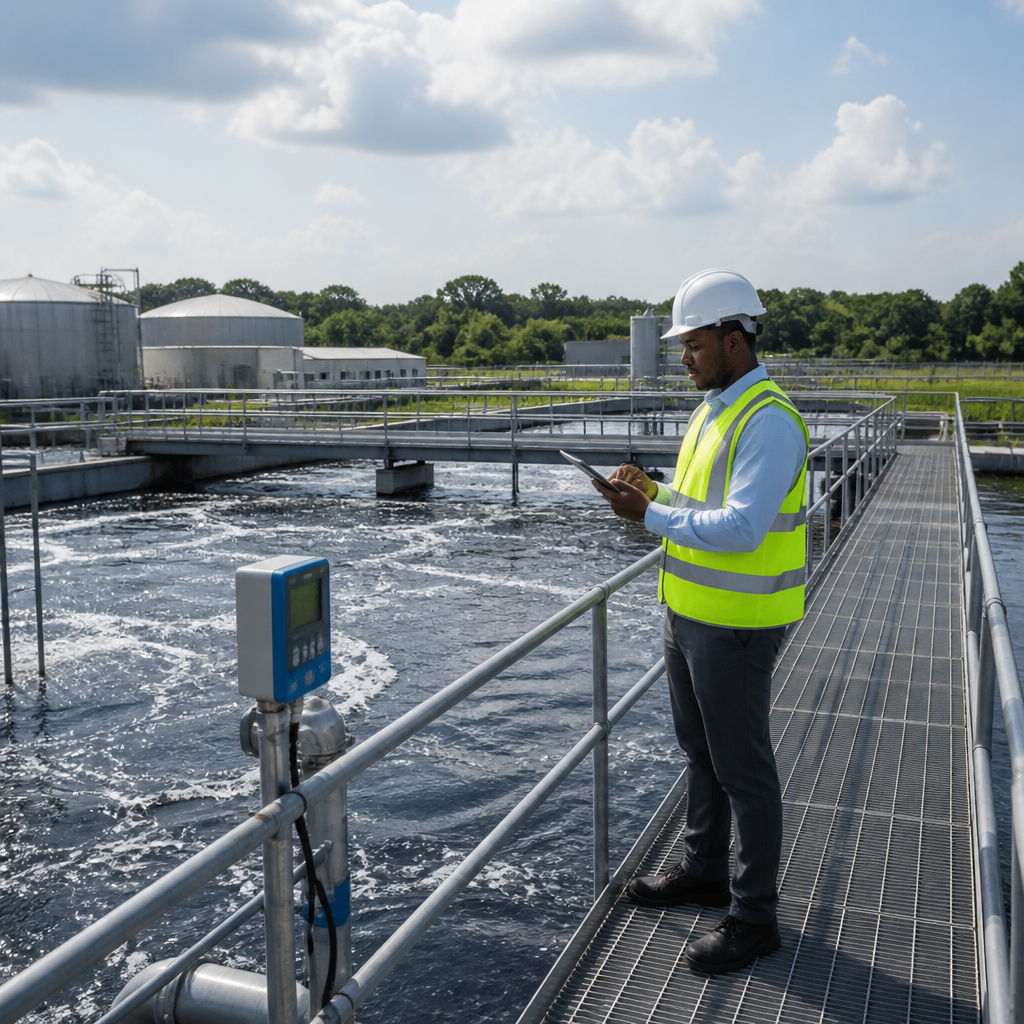
There is no universal treatment technology for sanitation water reuse; the best choice depends on influent quality, land availability, energy costs, operator skill, climate, and intended use. For non-potable urban applications such as toilet flushing or landscape irrigation, common treatment trains include primary settling, biological treatment, filtration, and chlorination or ultraviolet disinfection. Membrane bioreactors are increasingly used where space is limited and high effluent quality is required. They produce low-turbidity effluent suitable for many reuse applications, though they demand reliable power, membrane maintenance, and skilled operation.
For agricultural reuse, stabilization ponds and constructed wetlands remain effective in many warm climates because they are robust and comparatively easy to operate. They require land, but they handle variable loads well and can achieve substantial pathogen reduction when properly designed. Where industrial reuse or high-specification municipal reuse is the goal, utilities often move to tertiary treatment and advanced processes such as ultrafiltration, reverse osmosis, activated carbon, ozonation, and advanced oxidation. Those systems raise costs, but they can unlock dependable industrial demand and support potable reuse under strict governance.
| Reuse application | Typical treatment approach | Main operational priority | Common example |
|---|---|---|---|
| Agricultural irrigation | Secondary treatment plus pathogen reduction | Managing microbes, salinity, and seasonal storage | Israel reclaimed water networks |
| Urban non-potable use | Filtration with chlorination or UV | Cross-connection control and residual disinfection | Dual plumbing in commercial districts |
| Industrial process water | Tertiary treatment, often membranes | Consistent quality and low suspended solids | Singapore industrial supply contracts |
| Potable reuse | Advanced multi-barrier treatment | Continuous monitoring and validated performance | Windhoek direct potable reuse |
Technology selection should always include sludge and concentrate management. I have seen reuse proposals look economical on paper until brine disposal, biosolids quality, or chemical supply chains were examined. Plants fail when planners optimize effluent quality but ignore whole-life operation. Best practice is to evaluate lifecycle cost, spare parts availability, operator training needs, power reliability, and laboratory support before procurement. A simpler plant that runs consistently is better than an advanced system that spends months offline.
Public health protection and monitoring systems
Safe reuse depends on monitoring systems that detect failure early and verify performance continuously. Pathogen control is the core health issue. Bacteria, viruses, protozoa, and helminths require different barriers, and no single test captures all of them in real time. That is why leading programs combine validated process performance with operational indicators such as turbidity, chlorine residual, UV dose, membrane integrity, and online conductivity. Laboratory testing remains essential, but it should support a process control system rather than substitute for one.
Sanitation safety planning works because it maps hazards from source to end use. For example, if reclaimed water irrigates vegetables eaten raw, treatment standards and farm practices must be stricter than for irrigation of fiber crops or timber. If workers handle partially treated sludge, protective equipment, vaccination, hygiene stations, and training are part of the public health system, not optional extras. Health authorities should be involved in reuse approvals, incident response, and epidemiological surveillance.
Transparency builds trust. Utilities that publish water quality data, audit results, and incident protocols are better positioned to sustain reuse programs. Public acceptance rises when people understand the treatment process, the monitoring regime, and the specific end uses. Singapore’s visitor centers and communication strategy are widely studied for this reason. The lesson is not that every city needs a large public campaign. The lesson is that secrecy invites opposition, while clear evidence and consistent communication strengthen confidence.
Financing, partnerships, and implementation at scale
The business case for sanitation water reuse is strongest when planners value multiple benefits at once. Reuse can reduce freshwater abstraction, cut pollution penalties, improve drought resilience, defer expensive new supply projects, support agriculture, and create nutrient recovery opportunities. Yet many projects still struggle financially because tariffs, sewer charges, and reclaimed water prices are set in isolation. Best practice is integrated financial planning that links sanitation service costs with water resource benefits and environmental outcomes.
Public-private partnerships can help, especially where industrial users want guaranteed reclaimed water supply. Off-take agreements improve bankability. Development finance institutions often support the early stages that local utilities cannot easily fund alone: feasibility studies, pilot plants, operator training, and performance-based contracts. Blended finance is common in lower-income settings, particularly when sanitation goals overlap with climate adaptation or river restoration. Results-based financing can also work if metrics are realistic and independently verifiable.
Implementation at scale depends on institutional partnerships, not only money. Utilities need agreements with municipalities, regulators, farmer groups, industrial parks, and sometimes power companies. A plant can produce high-quality reclaimed water and still fail if there is no distribution network or no trusted customer. I have seen successful programs begin with one anchor use, such as supplying cooling water to industry or irrigating municipal landscapes, then expand as confidence grows. Phased rollout reduces risk and gives operators time to stabilize performance.
Lessons from global initiatives and collaborations in sanitation
Across the sanitation sector, the best international initiatives share five traits. First, they set measurable service goals rather than vague aspirations. Second, they connect infrastructure funding with operator capacity and regulatory oversight. Third, they recognize informal realities, including onsite sanitation and unplanned urban growth. Fourth, they use data for benchmarking and course correction. Fifth, they create peer learning networks so cities can compare performance and adopt proven models faster.
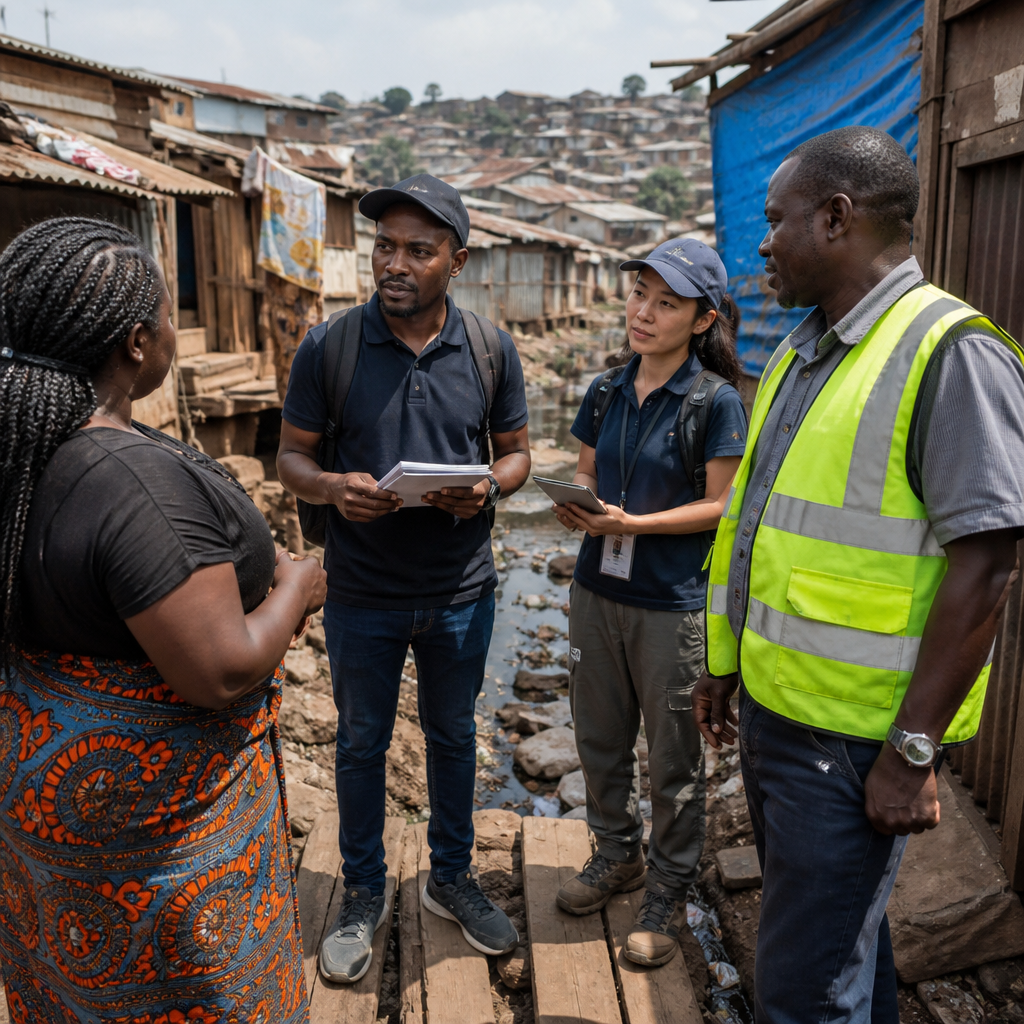
Africa offers strong examples in fecal sludge management and citywide service planning, where collaboration has helped municipalities formalize collection services and develop treatment with resource recovery. In the Middle East, chronic scarcity has driven aggressive reclaimed water use for irrigation and industry. In Europe, the EU framework on water reuse for agricultural irrigation has reinforced harmonized risk management and monitoring expectations. In the United States, states such as California have expanded water recycling through clear permitting pathways, while utility associations spread technical practice nationwide. In Asia, dense urbanization has made decentralized and building-scale reuse increasingly relevant alongside large centralized schemes.
The practical takeaway for this hub topic is clear: global collaboration works best when it translates into local operating discipline. Policies matter, but so do valve inspections, laboratory calibration, sludge hauling contracts, and farmer extension services. Water reuse in sanitation is not one project type. It is a portfolio of service models shaped by context. The countries and cities that perform best are the ones that treat reuse as a managed public service with defined risks, verified controls, and enduring partnerships.
For anyone working within global challenges and opportunities, this subtopic deserves close attention because it sits at the intersection of health, water, food systems, climate, and urban governance. The key best practices are consistent worldwide: adopt fit-for-purpose standards, design multi-barrier treatment, monitor critical control points, plan for sludge and by-products, secure demand through partnerships, and communicate openly with the public. Global initiatives and collaborations in sanitation provide the templates, evidence, and institutional support to do this well, but local execution determines whether reuse is safe and durable.
If you are building out a sanitation strategy, use this hub as your starting point and examine each linked issue through the full service chain. Review your policy framework, treatment options, monitoring plan, financing model, and collaboration partners before committing capital. The biggest benefit of getting water reuse right is not only saving water. It is creating a sanitation system that protects health, recovers value, and remains reliable under growing pressure. Start with one practical reuse pathway, measure it rigorously, and scale from proof to program.
Frequently Asked Questions
1. What does water reuse in sanitation actually mean, and why is it so important globally?
Water reuse in sanitation refers to the safe collection, treatment, and beneficial use of water and byproducts that come from homes, businesses, institutions, and sanitation systems. This can include greywater from sinks and showers, blackwater from toilets, municipal wastewater, treated effluent, and in some systems even fecal sludge that is processed into reusable water, nutrients, or energy. The core idea is simple: instead of treating used water as waste to be discarded, modern sanitation systems treat it as a resource that can be safely recovered and put back into productive use.
Globally, this matters because communities are facing overlapping pressures from water scarcity, rapid urbanization, aging infrastructure, pollution, and climate change. In many regions, freshwater supplies are becoming less reliable just as populations and industrial demand continue to rise. Reusing water in sanitation helps close that gap by reducing pressure on rivers, lakes, and aquifers while also decreasing the amount of untreated or partially treated wastewater released into the environment. That has direct public health benefits, especially where polluted water sources contribute to disease transmission.
Best practice goes beyond simply installing treatment equipment. It means designing systems that protect health, fit the local context, meet regulatory standards, and produce water of a quality that matches its intended end use. Reused water may support irrigation, industrial cooling, toilet flushing, groundwater recharge, wetland restoration, or, under very strict treatment and monitoring conditions, even potable supply. When implemented well, water reuse in sanitation strengthens water security, improves environmental performance, supports circular economy goals, and builds resilience against droughts and extreme weather events.
2. What are the global best practices for making water reuse in sanitation safe?
The most widely recognized best practice is to use a risk-based framework rather than relying on treatment alone. Safe water reuse starts by identifying the intended use of the reclaimed water, the people and ecosystems that could be exposed, and the hazards that must be controlled. From there, systems are designed with multiple protective barriers. These barriers may include source control, appropriate collection systems, reliable treatment processes, disinfection, secure storage, controlled distribution, end-use restrictions, worker protection, and routine monitoring. The principle is that no single step should carry the full burden of safety.
Another essential best practice is “fit-for-purpose” treatment. Water intended for landscape irrigation does not necessarily require the same treatment level as water intended for industrial processing, groundwater recharge, or potable reuse. Matching treatment performance to end use helps maintain safety while also keeping projects financially and operationally realistic. High-performing systems often combine physical, biological, and chemical treatment processes, followed by pathogen reduction and continuous verification of key quality indicators.
Operational reliability is just as important as treatment design. Strong global programs invest in operator training, preventive maintenance, backup power, emergency response plans, instrument calibration, and digital monitoring where feasible. They also establish clear institutional responsibility so it is never unclear who is accountable for water quality at each stage of the reuse chain. Routine testing for microbial indicators, nutrients, suspended solids, salinity, and other relevant parameters is standard practice, but so is transparent reporting and corrective action when performance falls short.
Finally, the best systems are grounded in regulation, public communication, and realistic enforcement. National or local standards should define reuse categories, treatment expectations, exposure controls, and monitoring requirements. Public trust is built through transparency, not assumption. Communities are more likely to support reuse projects when they understand how water is treated, how safety is verified, and what protections are in place if something goes wrong.
3. Where can reused water from sanitation systems be applied most effectively?
Reused water can be applied very effectively in agriculture, industry, cities, and ecosystem restoration, but the strongest results come when the use is carefully matched to water quality, infrastructure capacity, and local demand. Agricultural irrigation is one of the most common and valuable applications because farming uses large volumes of water and, in some cases, can also benefit from residual nutrients in treated effluent. However, best practice requires strict management of pathogen risks, crop restrictions where necessary, irrigation method controls, and attention to salinity and soil health over time.
Industry is another strong application area, especially for cooling water, boiler feed after advanced treatment, process water, dust suppression, and facility cleaning. Industrial reuse often provides a predictable year-round demand that can improve the economics of treatment plants. In urban settings, reclaimed water is commonly used for toilet flushing, landscape irrigation, street cleaning, construction, and fire protection reserves. Dual plumbing systems, color-coded pipelines, clear signage, and cross-connection control are all important best practices in these environments.
Environmental uses are also increasingly important. Treated water can support wetland restoration, river flow augmentation, aquifer recharge, and habitat stabilization when planned carefully. Groundwater recharge in particular can provide both water storage and environmental benefit, but it requires strong hydrogeological assessment, robust treatment, and long-term monitoring. In some advanced programs, highly treated reclaimed water is introduced into reservoirs or aquifers as part of indirect potable reuse, or sent directly into drinking water treatment and distribution systems in direct potable reuse projects under strict regulatory oversight.
The most effective application depends on local conditions. A water-stressed city may prioritize urban non-potable reuse and aquifer recharge. An industrial corridor may focus on replacing freshwater withdrawals in manufacturing. A farming region may use reclaimed water to stabilize irrigation supplies during dry seasons. The best practice is not to assume one universal model, but to build a reuse portfolio that responds to local water stress, infrastructure realities, public health priorities, and long-term sustainability goals.
4. What are the biggest challenges to scaling water reuse in sanitation, and how can they be overcome?
One of the biggest challenges is governance. In many places, responsibility for sanitation, wastewater treatment, water supply, agriculture, and environmental protection is split across multiple agencies with different priorities and funding streams. That fragmentation can slow decisions, complicate permitting, and create gaps in accountability. A global best practice is to establish coordinated governance with clearly defined roles, common performance targets, and regulations that cover the full reuse chain from source generation to final end use.
Financing is another major barrier. Reuse systems often require upfront investment in treatment upgrades, storage, conveyance networks, monitoring equipment, and operational capacity. Yet the economic benefits, while real, may be distributed across sectors rather than captured by a single utility. Successful programs typically use blended financing approaches that combine tariffs, public investment, industrial partnerships, development finance, climate adaptation funding, or payment structures tied to avoided freshwater extraction and pollution control costs. Long-term business planning is essential because a technically sound project can still fail if revenue and maintenance costs are not aligned.
Public acceptance also plays a decisive role, especially for projects associated with wastewater or potable reuse. Resistance often stems less from the technology itself and more from poor communication, low trust in institutions, or a lack of transparency about risk management. The most successful projects engage the public early, explain treatment processes clearly, publish performance data, invite independent oversight, and avoid dismissing community concerns. Trust is earned through consistent openness and demonstrated competence.
There are also technical and operational challenges, including variable influent quality, unreliable power supply, limited laboratory capacity, skills shortages, and weak maintenance culture. These issues are especially important in low-resource settings. The best response is not to copy highly complex systems that are difficult to sustain, but to choose robust, context-appropriate technologies and management models. In practice, scalable success usually comes from combining realistic design, capable institutions, operator support, enforceable standards, and phased implementation rather than trying to solve everything at once.
5. How can cities and utilities develop a successful long-term water reuse strategy for sanitation?
A successful long-term strategy begins with planning reuse as part of the broader urban water cycle rather than treating it as a stand-alone wastewater project. Cities and utilities should start by assessing current and projected water demand, wastewater generation, climate risks, existing treatment performance, discharge impacts, and potential reuse markets. This helps identify where reclaimed water can provide the greatest value, whether in agriculture, industry, municipal uses, aquifer recharge, or environmental restoration. Strong planning also includes mapping seasonal demand patterns, pipeline needs, storage requirements, and water quality targets for different customer groups.
From there, best practice is to set clear priorities and phase implementation. Not every city needs to begin with the most advanced or expensive reuse application. Many successful programs start with non-potable uses that are technically straightforward and publicly familiar, then expand over time as confidence, infrastructure, and regulatory capacity grow. Pilot projects can be useful, but they should be linked to a realistic scale-up pathway. A strategy should also include source control measures to reduce harmful industrial discharges and protect downstream treatment performance.
Institutional strength is critical. Utilities need trained operators, reliable asset management, standard operating procedures, emergency response protocols, and laboratory or sensor-based monitoring systems. Regulators need enforceable standards and the capacity to inspect and verify compliance. Contracts, service responsibilities, and liability provisions should be clear. Data systems are also increasingly important because reuse programs depend on ongoing evidence of performance, not one-time approval.
Finally, the strongest long-term strategies connect water reuse to public health, climate adaptation, and economic development goals. Reuse is most durable when it solves multiple problems