Sanitation is one of the most practical foundations of public health, yet in many underprivileged areas it remains inconsistent, unsafe, or completely unavailable. When I have assessed community sanitation projects, the same pattern appears repeatedly: toilets are built without water access, sewer lines stop at settlement edges, waste collection is irregular, and women, children, older adults, and people with disabilities absorb the highest burden. In simple terms, sanitation means the safe management of human waste, wastewater, solid waste related to hygiene, and the conditions that allow people to use facilities with dignity. Underprivileged areas include informal settlements, remote rural communities, refugee camps, peri-urban neighborhoods, and low-income districts where infrastructure, governance, and household resources are constrained.
The scale of the issue is global and measurable. According to WHO and UNICEF Joint Monitoring Programme estimates, billions of people still lack safely managed sanitation services, and hundreds of millions practice open defecation. Poor sanitation fuels diarrheal disease, intestinal parasite transmission, cholera outbreaks, stunting, school absenteeism, environmental contamination, and lost productivity. It also deepens inequality. A household without a private toilet often spends more money on coping mechanisms, loses work hours finding facilities, and faces higher health expenses than a household connected to reliable sewerage or safely managed onsite systems.
This hub article on tackling sanitation challenges on a global scale explains the main barriers, the most effective intervention models, and the policy choices that determine whether sanitation systems last. It is designed as a starting point for deeper articles on urban sanitation, rural sanitation, school WASH, fecal sludge management, behavior change, and climate-resilient infrastructure. The central point is clear: overcoming barriers to sanitation in underprivileged areas is not only about constructing toilets. It requires financing, service delivery, land tenure solutions, public health planning, local maintenance capacity, inclusive design, and accountability from government to household level.
Why sanitation barriers persist in underprivileged areas
Sanitation challenges persist because they are systemic rather than isolated. In dense informal settlements, the first obstacle is often land and space. Families may live on plots too small for standard pit latrines, or on land with insecure tenure, which discourages investment by both residents and utilities. In flood-prone neighborhoods, pits collapse or overflow. In rocky or high-water-table environments, excavation is difficult and contamination risk rises. In remote rural areas, transport costs for materials make even low-cost toilets expensive relative to household income. These conditions mean that a design suitable in one village or city block can fail completely in another.
Institutional fragmentation is another major barrier. Responsibility for sanitation may be split among ministries of health, water, urban development, education, and local government, with no single body accountable for results. I have seen municipalities fund public toilets without budgeting for cleaning staff or sludge emptying, which turns new infrastructure into unusable assets within months. Utilities frequently prioritize water supply over sanitation because tariffs and political incentives are clearer. At the same time, sanitation outcomes depend on less visible services such as drainage, waste transfer, treatment plants, and fecal sludge logistics, which attract less attention than ribbon-cutting events for toilet construction.
Social barriers are equally important. Households may reject shared facilities because of safety concerns, poor cleanliness, or cultural norms around privacy. Women and girls often avoid toilets at night if pathways are unlit or doors do not lock. People with disabilities face steps, narrow cubicles, and inaccessible handwashing points. In some communities, discussing feces remains taboo, which makes behavior change campaigns harder to deliver. Sanitation planning that ignores these realities tends to produce infrastructure on paper rather than sanitation in daily life.
Health, education, and economic costs of poor sanitation
Poor sanitation has direct and indirect consequences that extend far beyond the toilet itself. The most immediate effect is disease transmission through the fecal-oral pathway, often described through the F-diagram: fluids, fields, flies, fingers, and food. When waste is not safely contained and treated, pathogens reach drinking water, crops, household surfaces, and children’s hands. Diarrheal diseases remain a leading cause of preventable illness, especially among children under five. Repeated exposure to enteric pathogens is also linked to undernutrition and environmental enteric dysfunction, reducing growth and cognitive development even when acute diarrhea is not visible.
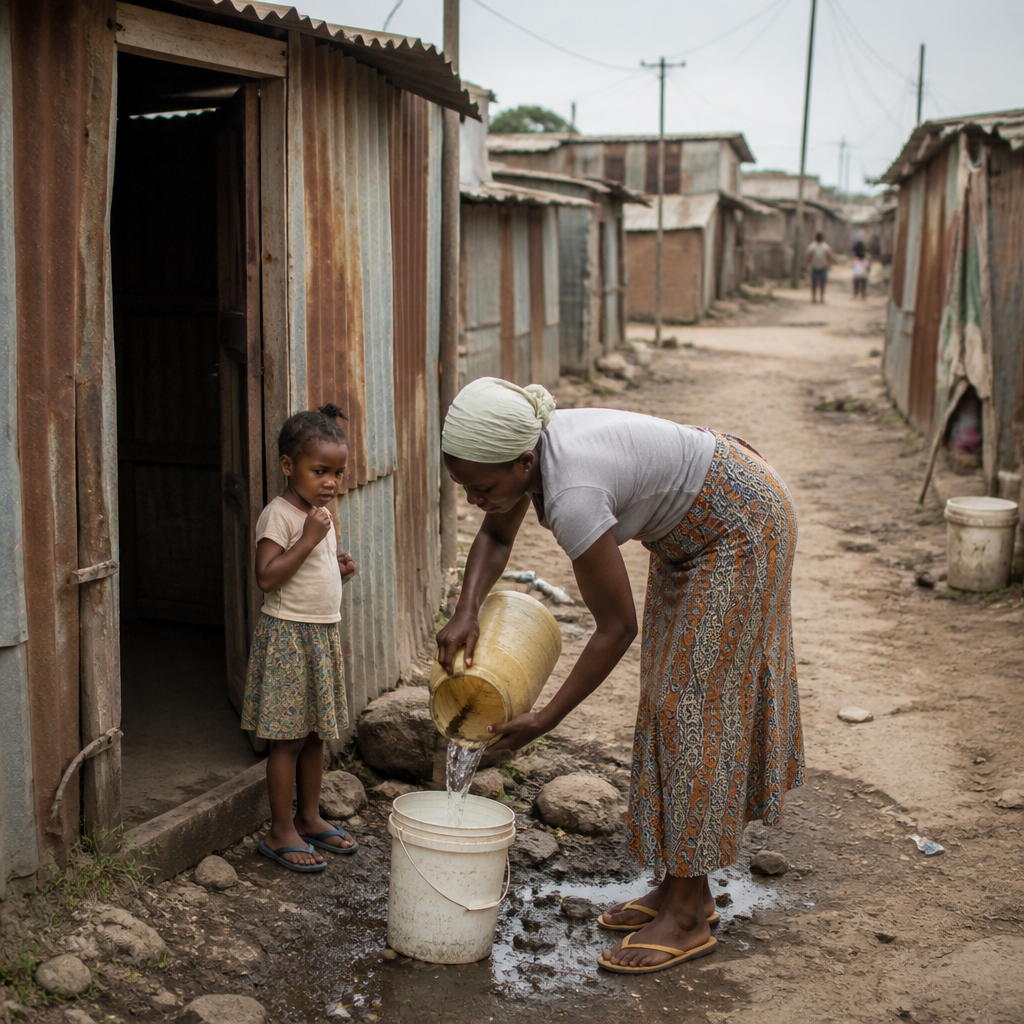
Schools and workplaces feel the impact quickly. A school without separate, functional toilets for girls and boys sees lower attendance and weaker retention, particularly for adolescent girls during menstruation. Health clinics without reliable sanitation increase infection risk for patients and staff. Markets and transport hubs without adequate facilities become contamination hotspots and discourage commerce. At household level, time poverty is severe. In many low-income communities, people walk long distances to use toilets, queue at paid public facilities, or spend hours arranging pit emptying. These lost hours reduce income, school participation, and caregiving capacity.
Economic analysis consistently shows that sanitation investment has a strong return because it prevents medical costs, productivity losses, and environmental damage. The gains are largest when projects move beyond one-off construction and establish complete service chains, from containment to transport to treatment and safe reuse or disposal. That is why global sanitation strategy now focuses not just on access, but on safely managed services that reduce exposure at every stage.
Matching sanitation solutions to context
There is no universal sanitation technology. The right solution depends on density, soil conditions, water availability, climate, affordability, and institutional capacity. In rural areas with enough space and stable soils, improved pit latrines or ventilated improved pit latrines can work well if sited away from water sources and built with durable slabs. In peri-urban areas, septic tanks are common, but many are poorly designed and function as holding tanks without effective soakaway or scheduled desludging. In dense urban settlements, simplified sewers, settled sewers, container-based sanitation, or well-managed communal toilets may outperform household pits because space is limited and waste removal is easier to organize centrally.
What matters most is service chain integrity. A toilet that contains waste but cannot be emptied safely is only a temporary improvement. A sewer that discharges untreated wastewater into rivers shifts risk downstream rather than solving it. I have found that the strongest projects begin with service mapping: where excreta is generated, where it goes, who moves it, who pays, and where failures occur. That practical map often reveals why a community with high “access” still faces high disease burden.
| Setting | Common option | Main advantage | Key limitation |
|---|---|---|---|
| Remote rural villages | Improved pit latrine | Low cost and simple construction | Can contaminate groundwater if badly sited |
| Peri-urban neighborhoods | Septic tank with desludging service | Works without full sewer network | Fails when tanks are undersized or never emptied |
| Dense informal settlements | Communal or shared toilet blocks | Uses limited land efficiently | Needs daily management, cleaning, and security |
| Flood-prone urban areas | Raised toilets or container-based sanitation | Reduces overflow risk during floods | Requires reliable collection logistics |
Context matching also means recognizing that sanitation is linked to water, drainage, and solid waste management. A toilet placed beside clogged drains and unmanaged refuse will not deliver the expected health gains. Integrated planning is more complex, but it produces more durable results.
Financing, governance, and the full sanitation service chain
One of the most overlooked barriers to sanitation in underprivileged areas is financing structure. Households may be able to contribute labor or partial payment, but the poorest families cannot carry the full capital cost of safe sanitation. Public finance, targeted subsidies, microfinance, cross-subsidization, and output-based aid all have roles. The key is to subsidize outcomes that markets undersupply, especially services for low-income users and infrastructure with strong public health externalities. Treatment plants, transfer stations, drainage upgrades, and regulated sludge disposal rarely emerge through household demand alone.
Governance determines whether money translates into service. Clear mandates are essential. Local governments should know who licenses emptiers, who inspects facilities, who tracks service coverage, and who enforces environmental standards. Utilities and municipalities need sanitation data systems, not just construction targets. The WHO sanitation safety planning approach is useful because it identifies hazards across the service chain and ties mitigation measures to responsible actors. In practice, this means designing systems around operations: scheduled desludging routes, operator safety protocols, spare parts supply, tariffs for cleaning, and treatment capacity that matches collected volumes.
Informal service providers deserve more attention than they usually receive. In many cities, pit emptiers, cart operators, and neighborhood toilet attendants already form the backbone of sanitation access. Instead of ignoring them, successful programs train, license, equip, and regulate them. Dakar’s fecal sludge management reforms are often cited because they improved coordination across emptying, transport, and treatment rather than focusing only on toilets. Similar lessons appear in parts of India, Bangladesh, and Kenya, where citywide inclusive sanitation strategies are shifting attention from isolated hardware to universal, safe service delivery.
Behavior change, inclusion, and community ownership
Infrastructure alone does not guarantee use, upkeep, or equitable benefit. Behavior change matters because sanitation habits are embedded in convenience, norms, trust, and perceptions of cleanliness. Community-Led Total Sanitation, social marketing, school hygiene promotion, and local health worker engagement can all contribute, but none should be treated as a magic formula. I have seen campaigns raise toilet adoption quickly, then stall because pits filled and no emptying service existed. Behavior change succeeds when the promoted action is realistic, affordable, and visibly beneficial.
Inclusion is not an optional add-on. Sanitation systems fail vulnerable groups first, and that failure spreads to whole communities. Toilets should include features such as interior locks, lighting, menstrual hygiene disposal, ramps, handrails, wider doors, and handwashing facilities at reachable heights. Public and shared toilets need operating models that protect women and children from harassment and allow cleaning throughout the day. In humanitarian settings, location planning is critical: facilities must be close enough for safe use but far enough from shelters and water points to reduce contamination and odor.
Community ownership works best when people influence design and management decisions rather than merely receiving infrastructure. Resident committees, women’s groups, school management teams, and landlord associations can help set cleaning rosters, user fees, grievance channels, and maintenance standards. Yet participation should not become an excuse for the state to retreat. Communities can manage local systems, but governments remain responsible for regulation, financing gaps, and public health protection.
Climate resilience, innovation, and scaling what works
Climate change is making sanitation harder and more urgent. Flooding spreads fecal contamination, drought reduces water available for flushing and hygiene, heat accelerates odor and pathogen risks in poorly managed systems, and storms damage treatment assets. Resilient sanitation planning now requires elevation strategies, sealed containment in flood zones, decentralized treatment where networks are unreliable, and stronger links between sanitation and stormwater management. In coastal areas, sea level rise and saline intrusion can compromise pits and septic systems, making traditional designs less viable.
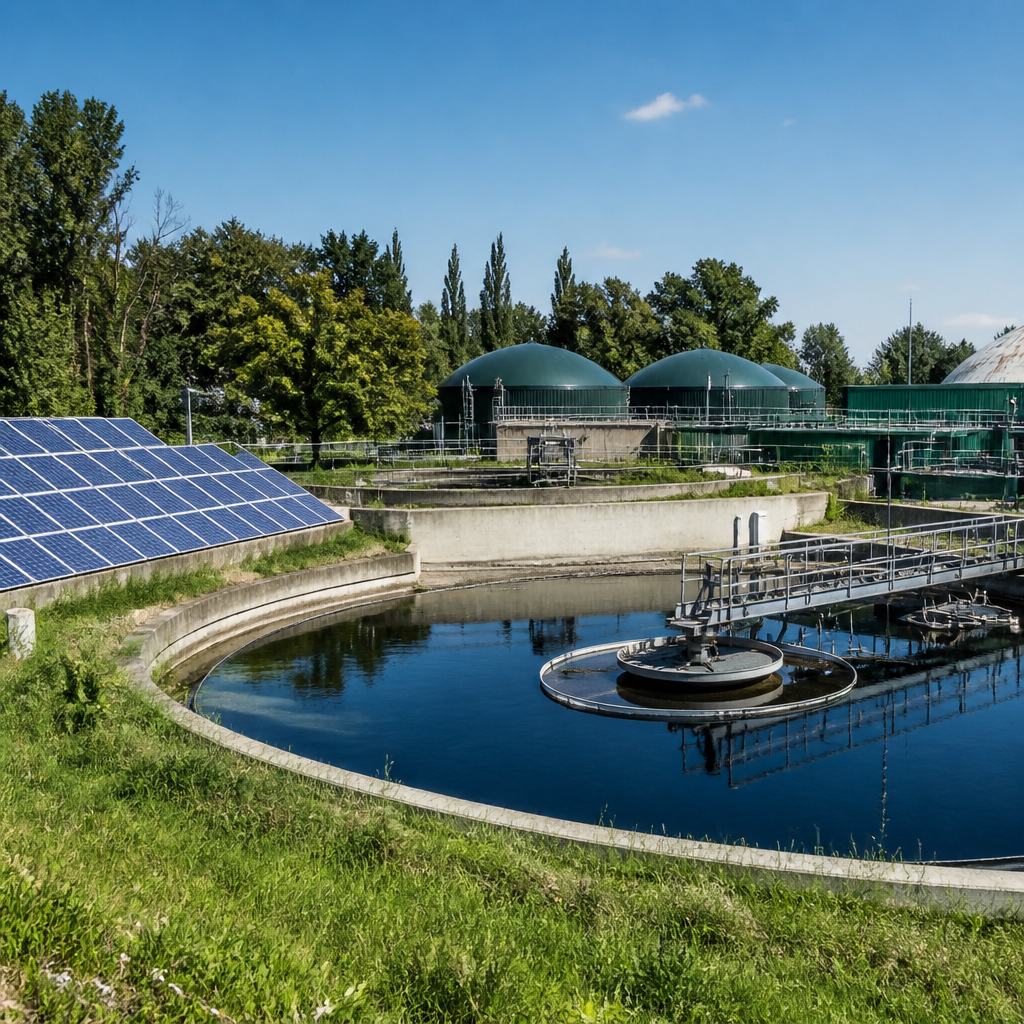
Innovation is helping, but only when paired with operational discipline. Container-based sanitation has shown promise in space-constrained settlements because waste can be collected regularly without excavation. Digital monitoring tools let municipalities track desludging requests, route vacuum trucks, and verify treatment plant deliveries. Low-cost sensors, GIS mapping, and mobile payment systems improve accountability. Resource recovery is another important trend. Treated sludge can support compost production or fuel use under controlled conditions, while wastewater reuse can contribute to agriculture or industry where standards are enforced. These models can improve financial sustainability, but they are not shortcuts; treatment quality and occupational safety must come first.
Scaling what works requires a citywide or districtwide mindset. Pilot projects often succeed because they are heavily supported, but they fail to expand when staffing, revenue, and regulation are weak. The most durable sanitation programs standardize service levels, collect reliable data, budget for maintenance, and align public health targets with utility operations. For readers exploring global challenges and opportunities, this is the central lesson of tackling sanitation challenges on a global scale: progress comes from treating sanitation as an essential public service, not a one-time construction project. If you are planning policy, funding, or community action, start with the full service chain, match solutions to context, and build systems that people can actually use, afford, and maintain.
Frequently Asked Questions
What are the biggest barriers to sanitation in underprivileged areas?
The biggest barriers are rarely caused by one single issue. In most underprivileged areas, sanitation problems are the result of overlapping gaps in infrastructure, funding, governance, land use, and social inclusion. A toilet alone does not solve sanitation if there is no reliable water supply, no safe containment system, no sewer connection, no fecal sludge management, and no routine waste collection. In many settlements, sewer lines stop short of informal neighborhoods, drainage systems are poorly maintained, and sanitation facilities are built without planning for long-term operation and repairs.
Another major barrier is affordability. Even when facilities exist, the cost of connection fees, water charges, desludging services, soap, menstrual hygiene supplies, or transport to public toilets can make safe sanitation difficult to maintain. For families already balancing food, rent, and medical costs, sanitation spending can be pushed aside despite its importance. Physical safety is also a real barrier, especially for women and girls who may need to travel long distances at night to use shared or public facilities.
Social and institutional barriers matter just as much as physical ones. People living in informal settlements may lack legal land tenure, which can discourage governments or utilities from extending formal services. At the same time, sanitation systems are often designed without input from the people who use them most, including older adults, children, and people with disabilities. The result is predictable: infrastructure that exists on paper but fails in daily life. Effective sanitation requires more than construction. It requires service delivery, maintenance, accountability, and designs that reflect how communities actually live.
Why do sanitation projects sometimes fail even after toilets or facilities are built?
Sanitation projects often fail because building infrastructure is treated as the finish line instead of the starting point. A toilet block may look like progress, but if there is no water for flushing or handwashing, no cleaning plan, no budget for maintenance, and no system for safely removing waste, the facility can quickly become unusable. In some cases, toilets fill up and are abandoned. In others, broken doors, poor lighting, or lack of privacy make people stop using them altogether.
Projects also fail when they are designed from the top down without meaningful community involvement. Residents usually know which areas flood, where women feel unsafe, what times public facilities are crowded, and what access challenges older adults or people with disabilities face. When that local knowledge is ignored, well-funded projects can miss the practical realities that determine whether sanitation works. A facility placed in the wrong location, built without accessible features, or managed by an unclear authority is unlikely to remain effective.
Long-term success depends on treating sanitation as a complete service chain. That means planning for user access, water supply, handwashing, drainage, waste containment, transport, treatment, disposal, and ongoing management. It also means assigning responsibility. Someone must be accountable for repairs, cleaning, collection schedules, and service quality. Strong sanitation systems are not successful because they were built once. They are successful because they are maintained, financed, monitored, and adapted over time.
How does poor sanitation affect health, safety, and daily life in vulnerable communities?
Poor sanitation affects nearly every part of daily life. From a public health perspective, unsafe sanitation increases exposure to disease-causing organisms through contaminated water, unclean surfaces, open drains, overflowing pits, and poorly managed waste. This can contribute to diarrheal illness, parasitic infections, skin problems, and other preventable health conditions. Children are especially vulnerable because repeated exposure to unsanitary environments can affect nutrition, growth, school attendance, and overall development.
The safety impact is also serious. Where toilets are distant, poorly lit, crowded, or unsecured, women and girls may face harassment or violence when trying to meet basic needs. People may delay using the toilet, restrict food or water intake, or wait until dark for privacy, all of which can create additional health problems. Older adults and people with disabilities often face even greater risks when facilities are not physically accessible, have uneven ground, narrow entrances, steep steps, or no handrails.
Daily life becomes harder in ways that are often underestimated. Time spent walking to a toilet, waiting in line, fetching water, or dealing with illness reduces time for work, caregiving, and education. Students may miss school when facilities are inadequate, especially during menstruation. Families can face repeated medical costs tied to preventable illness. In short, poor sanitation is not just an environmental issue. It is a health issue, a safety issue, an economic issue, and a dignity issue that shapes whether people can live, study, and work with security and stability.
What solutions are most effective for improving sanitation in underprivileged areas?
The most effective solutions are practical, local, and designed around the full sanitation chain rather than a single structure. In some areas, extending sewer networks may be appropriate, but in many low-income or informal settlements, decentralized and non-sewered systems are more realistic in the short to medium term. These can include well-designed shared toilets, container-based sanitation, septic systems, simplified sewers, communal blocks with water access, and scheduled fecal sludge collection linked to safe treatment and disposal. The right solution depends on land conditions, density, flooding risk, affordability, and local management capacity.
Reliable service delivery is just as important as technology choice. Facilities need regular cleaning, repairs, water access, handwashing stations, waste collection, and clear management structures. Public agencies, utilities, community organizations, and private service providers often need to coordinate rather than work separately. Financing mechanisms can also make a major difference, including subsidies for the poorest households, lower connection fees, flexible payment systems, and public investment in areas that the market alone will not serve.
Inclusive design should be non-negotiable. Sanitation systems work better when they are safe, private, accessible, and responsive to the needs of women, children, older adults, and people with disabilities. That includes lighting, locks, menstrual hygiene support, ramps, wider doors, handrails, and locations that reduce travel risk. The strongest sanitation interventions combine infrastructure with behavior support, community participation, monitoring, and long-term operations planning. The goal is not to install a facility and leave. The goal is to create a sanitation service that people can rely on every day.
How can governments, NGOs, and communities work together to overcome sanitation barriers sustainably?
Sustainable progress happens when each group plays a clear role and decisions are based on real conditions instead of assumptions. Governments are essential for policy, regulation, public financing, land-use coordination, service standards, and system expansion into underserved areas. They can also ensure that sanitation is integrated with water supply, drainage, housing, health, and waste management rather than handled as an isolated issue. Without public leadership, sanitation efforts often remain fragmented and short-lived.
NGOs can add value by piloting approaches, supporting community engagement, training local operators, gathering data, and helping underserved groups be heard in planning processes. They are often effective at reaching populations who have been excluded from formal services, but their work is strongest when it aligns with public systems and long-term service pathways. Community members are equally critical because they understand local risks, usage patterns, and maintenance challenges better than anyone else. Their involvement improves siting, design, oversight, and trust.
For collaboration to be sustainable, it must move beyond one-time consultations. Communities should be included in assessment, design, implementation, and monitoring. Roles for cleaning, repairs, reporting problems, fee collection, and service oversight should be transparent. Data should be used to identify which groups are being left behind and why. Most importantly, success should be measured by continued safe use, not by the number of toilets installed. When governments provide structure and investment, NGOs support innovation and inclusion, and communities shape practical delivery, sanitation systems are far more likely to remain functional, equitable, and safe over time.